



Impressionist Figure Painting
Impressionist figure painting captures human subjects through loose brushwork and shifting light across the nineteenth and twentieth centuries.
Impressionist Figure Painting
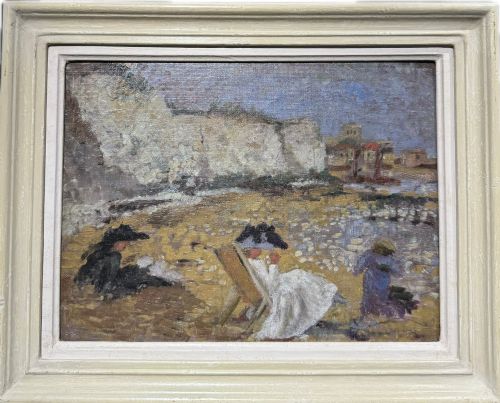
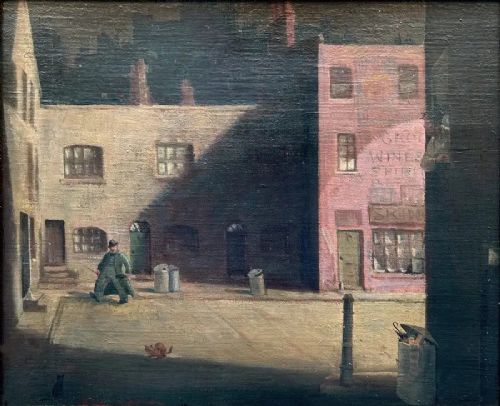
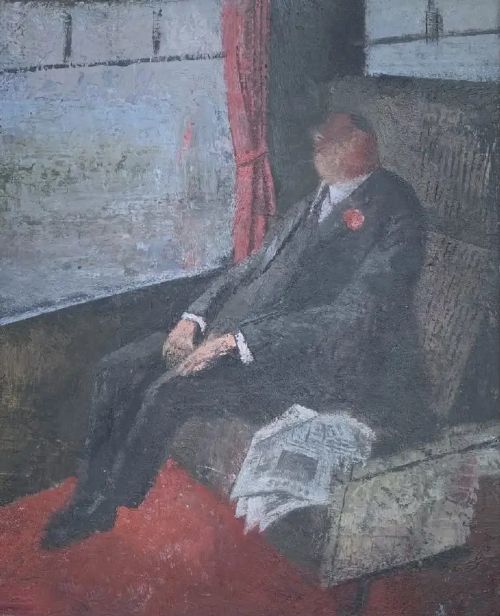
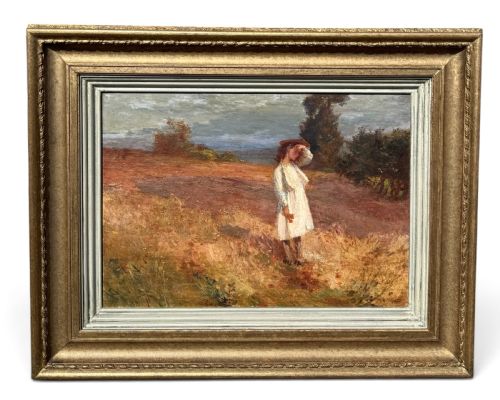
An impressionist figure painting centres on human subjects rendered through visible brushstrokes and atmospheric light rather than academic precision. These works emerge from diverse movements including British Impressionism, French Impressionism, Post-Impressionism, and Modern British styles spanning the nineteenth century through the mid-twentieth century.
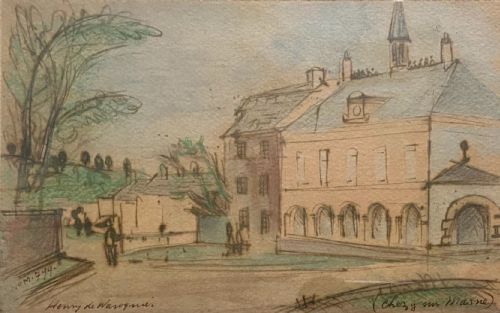
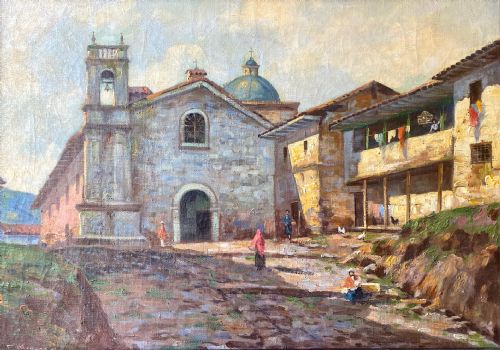
Buyers encounter oil paintings on canvas and wood panels alongside works on paper using watercolour, ink, and mixed media. Common subjects range from beach scenes and street views with figures to intimate portraits, dancers, and bathers created by British, French, Italian, and Latin American artists.
Materials and technique
Artists painted primarily with oil paint on stretched canvas, wooden panels, or paper supports, occasionally incorporating watercolour and ink for mixed media drawings. These tactile surfaces display varied impasto and fluid washes that record the speed and gesture of the creator's hand.
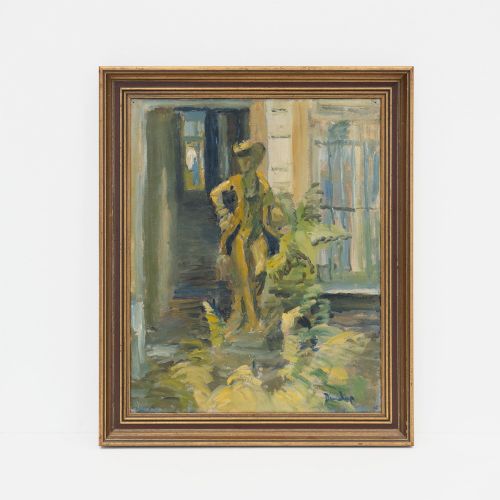
Frames play an integral structural role, featuring materials such as wood and worn gilt finishes that complement the painterly aesthetic of the period.
A washerwoman completes her daily chores in 1928 just as a ballerina strikes a pose inside a worn gilt frame.
What varies in quality
Quality differentiates through the confidence of the handling and the cohesion of light and tone across the composition. Stronger examples demonstrate purposeful brushwork that builds form and atmosphere without relying on rigid outlines.
The relationship between the figures and their surrounding space distinguishes superior works, where light unifies the subject and the background rather than treating them as separate elements.
Francisco Sancha·Florence Adelina Hess·Ronald Ossory Dunlop·Honore Cavaroc·Edward H.Holder·Bernard Meninsky·Antoine Bouvard·Auguste Renoir
The Impressionist Figure Painting Glossary
- Impasto
- Paint applied thickly to a canvas or panel, leaving visible brush or palette knife marks that stand proud of the surface.
- Post-Impressionism
- An artistic development following impressionism where painters explored emotional depth and structural form rather than recording optical light.
- Mixed media
- An artwork combining two or more distinct artistic materials, such as watercolour and ink on paper.
- Panel
- A rigid wooden support used by artists as an alternative to stretched canvas.
Impressionist Figure Painting: Frequently Asked Questions
What is an impressionist figure painting?
These works depict people within landscapes, interiors, or urban settings using expressive brushwork and an emphasis on natural light. They prioritize mood and optical effect over strict anatomical accuracy.
Created across various international schools from the late nineteenth century to the mid-twentieth century, they reflect the evolution of modern artistic practice.
How do I date these paintings?
Dating relies on stylistic markers, framing materials, and artist biographies recorded in the evidence. Pieces range from late nineteenth-century academic impressions to mid-century modern interpretations.
Support materials like wooden panels and canvas types also provide clues to the era of production when combined with signature evidence.
Where were these artists working?
The evidence shows production spanning Britain, France, Italy, and Latin America. Artists captured local scenes ranging from British coastal towns and rural slopes to Parisian suburbs and continental street views.
This geographical breadth introduces diverse palettes and regional interpretations of impressionist technique.
How should I display them?
Display these works away from direct sunlight to protect organic materials like paper, canvas, and traditional oil pigments. Wall placement should account for the original frame, whether simple wood or gilt moulding.
Proper environmental stability prevents warping on panel supports and preserves the integrity of mixed media works on paper.