

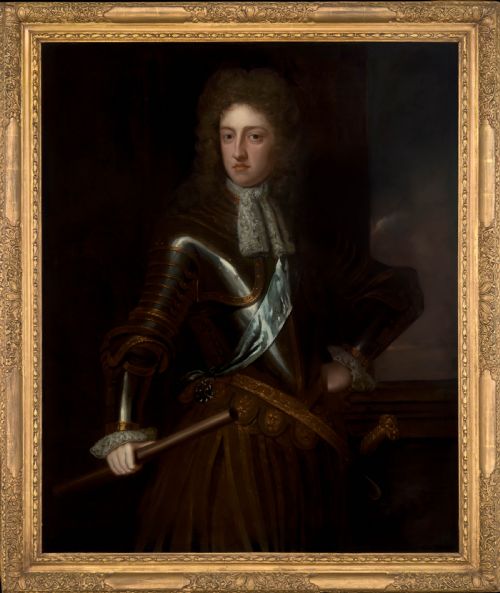
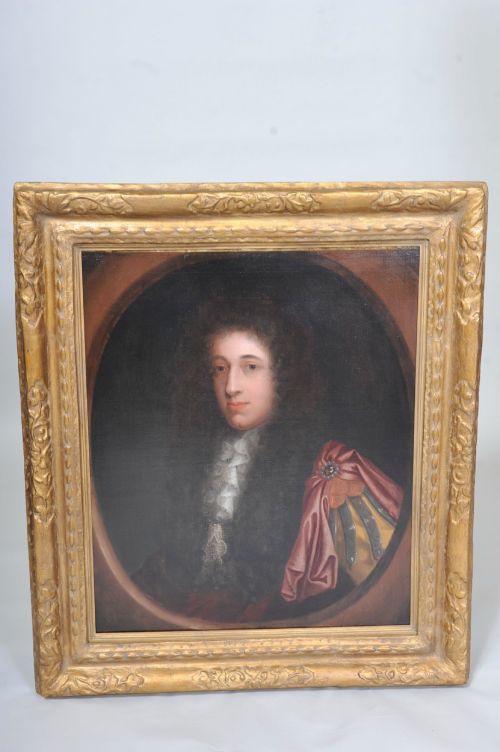
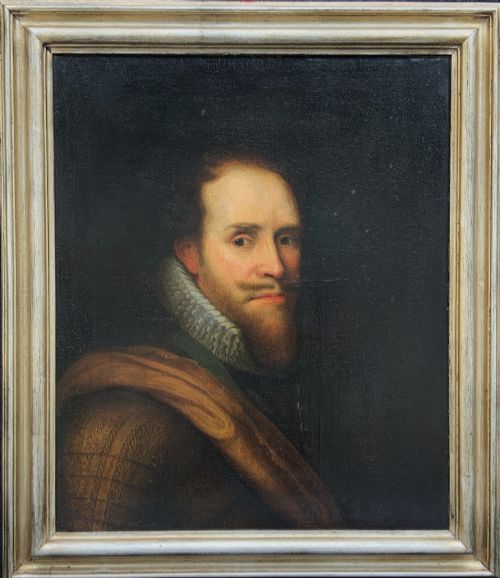
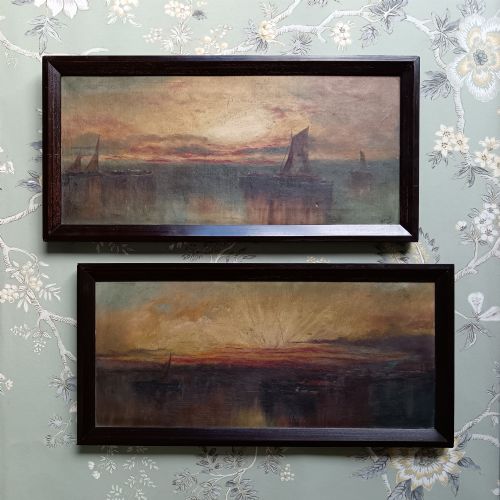
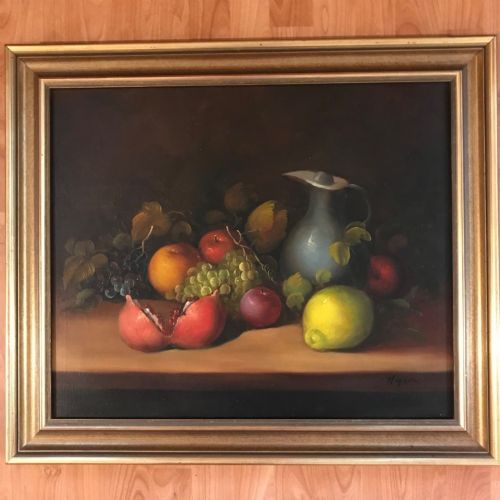
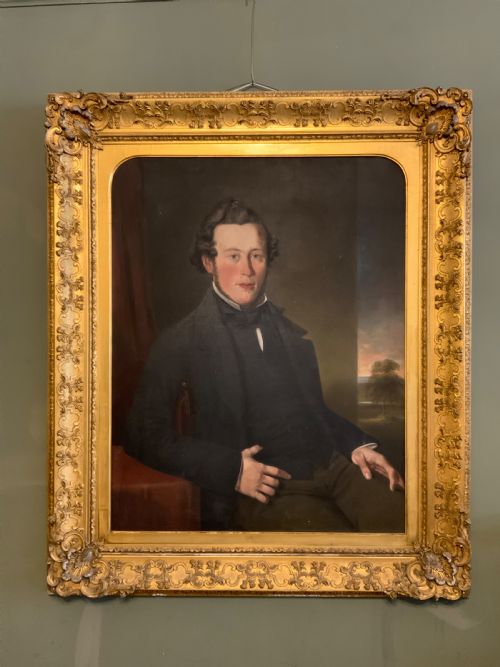
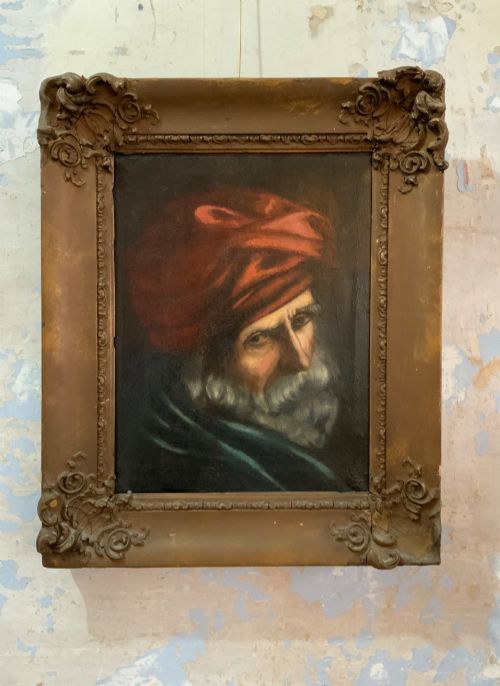
Dark Framed Oil Artwork
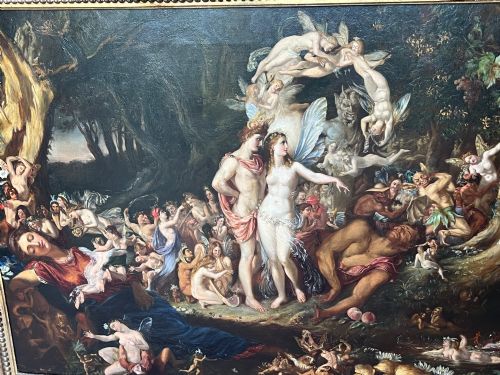
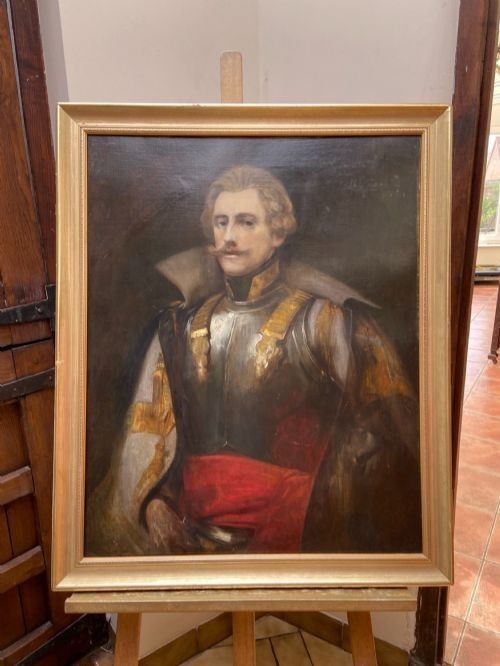
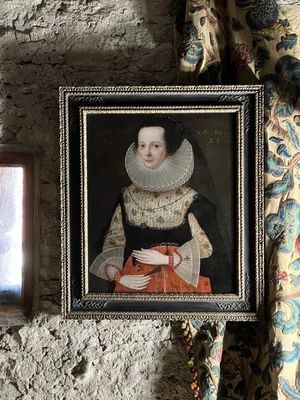
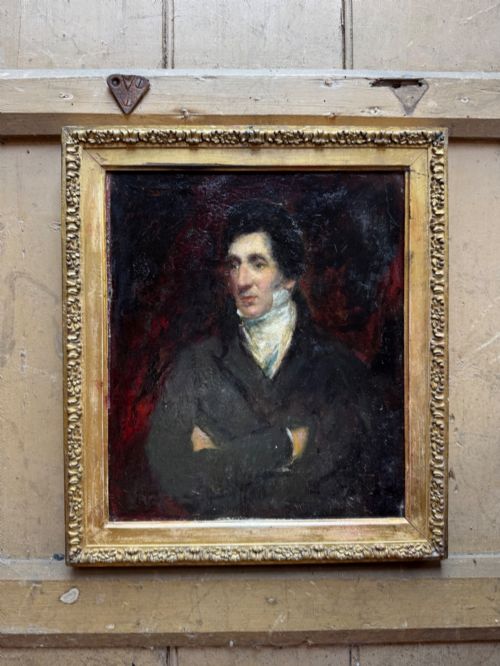
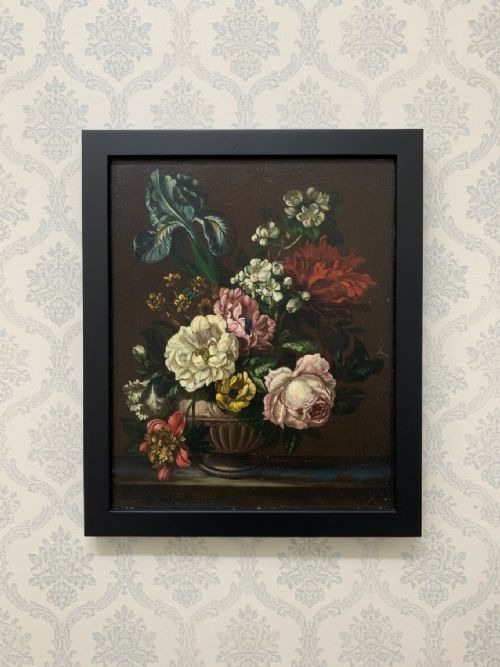
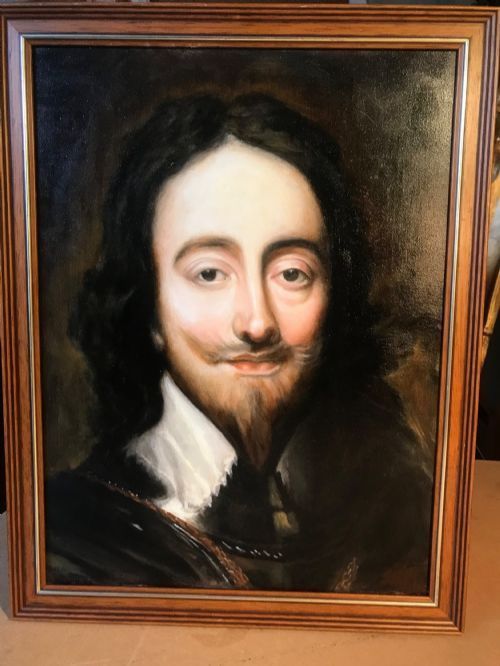
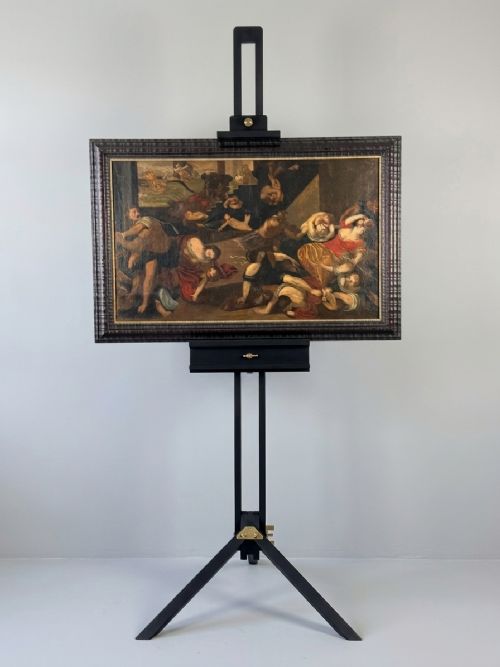
Dark framed oil artwork gathers centuries of painted portraiture and still life held within heavy timber and gilt surrounds.
Dark Framed Oil Artwork
When searching for dark framed oil artwork, collectors encounter centuries of oil paintings housed predominantly in wood, giltwood, and gold leaf surrounds. These pieces span from the 17th century through the Victorian and Edwardian eras, capturing subjects ranging from aristocratic portraits to marine scenes.
The selections on this page are dominated by formal portraiture and still life studies originating from English, French, Dutch, and German schools. Buyers meet everything from anonymous provincial works to compositions attributed to documented historical painters.
The unifying characteristic across these pieces is the combination of oil paint on canvas or panel with a substantial dark or gilded frame. Such presentations ground the painted imagery and provide the visual weight characteristic of period interiors.
Materials and construction methods
The physical objects rely on oil paint applied to woven canvas or rigid wooden panels, layered to achieve depth and luminosity over time. Pigments interact with drying oils such as linseed, creating durable surfaces that hold brushwork and detail across centuries.
Surrounding these canvases are heavy wooden frames, often enhanced with gesso, gold leaf, and traditional gilding techniques. The timber structures provide physical protection to the painting while framing the visual composition with contrasting dark tones or metallic highlights.
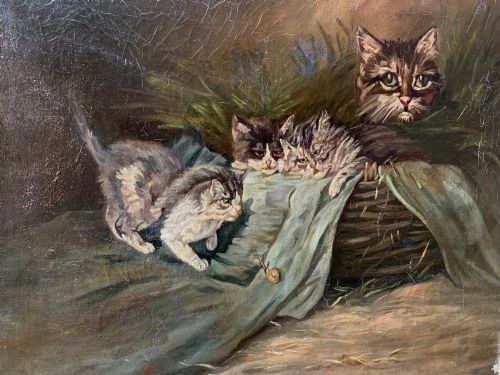
Even racing pigeons find immortality in oil paint alongside stern military officers and seventeenth-century judges.
Assessing quality in historical paintings
The relationship between the painting and its surround also dictates standard; period-correct frames that complement the age and scale of the canvas elevate the integrity of the piece. Superior works retain their original stretcher bars and uncompromised canvas tension.
Sir Godfrey Kneller·Sir William Beechey·Bartholomeus van der Helst·Anthony Van Dyck·Gaspar Peeter Verbruggen
The Dark Framed Oil Artwork Glossary
- Oil on canvas
- Pigments suspended in a drying oil medium applied to a stretched woven fabric support. This combination allows for rich blending of colour and varied surface textures.
- Giltwood
- Timber that has been coated with a thin layer of gold leaf or gold powder over a prepared gesso ground. This treatment creates a reflective border that contrasts with the dark framing elements.
- Old Master
- A term applied to European painters of high skill working before the nineteenth century. These artists typically produced works within distinct regional schools such as the Dutch Golden Age.
- Panel painting
- A work executed on a flat piece of wood rather than flexible fabric. Wooden supports were common in earlier centuries before large-scale canvas production became standard.
- School
- A grouping of artists associated with a particular region, period, or master. Designations like French School or Dutch School indicate the geographical tradition in which a work was created.
Dark Framed Oil Artwork: Frequently Asked Questions
What periods do these paintings come from?
The inventory spans multiple centuries, with a strong representation of seventeenth-century continental portraits alongside eighteenth-century European school works. Later examples extend through the Victorian, Edwardian, and early twentieth-century periods.
Buyers also encounter nineteenth-century marine scenes and military officer portraits. Each era brings distinct clothing styles and painting techniques that help date the canvas.
How should I hang a heavy framed oil painting?
These pieces require secure wall fixings anchored directly into solid masonry or stud work due to the combined weight of the thick wood frame and canvas. Professional picture hooks rated well above the weight of the artwork ensure stability.
Position the painting away from direct sunlight and heat sources to protect the oil pigments and wooden frame from warping or fading. Proper placement preserves both the canvas and the structural integrity of the surround.
Are the frames original to the paintings?
Many works retain frames appropriate to their period, though framing practices often evolved as owners updated interiors over the centuries. Giltwood and dark wood surrounds were selected to complement the tonal values of the oil paintings within.
Examining the rabbet and the fit of the canvas helps determine the historical relationship between the artwork and its border. Period-appropriate surrounds enhance the visual impact of the composition.
How do I identify different regional schools?
Regional schools are recognised through stylistic conventions, subject matter, and historical attribution recorded by past handlers. Dutch works frequently focus on stark lighting and detailed still life arrangements, while French and English pieces often emphasise portraiture.
Examining the handling of costume, facial structure, and background scenery provides further clues to the origin of an anonymous painting. Documentation or signatures inscribed on the canvas or stretcher offer direct evidence of the workshop.