

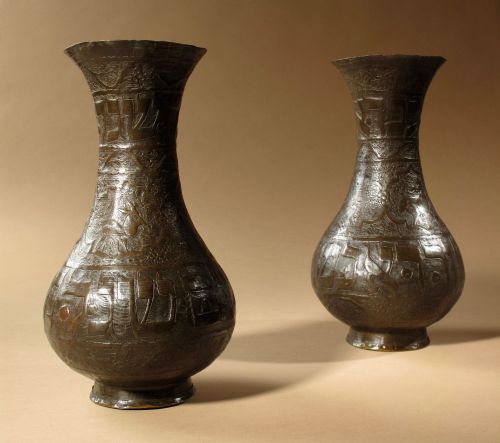

Dark Copper Vessel
These dark copper vessels are robust containers shaped by hand, offering a rich patinated warmth and genuine utility for the modern interior.
Dark Copper Vessel
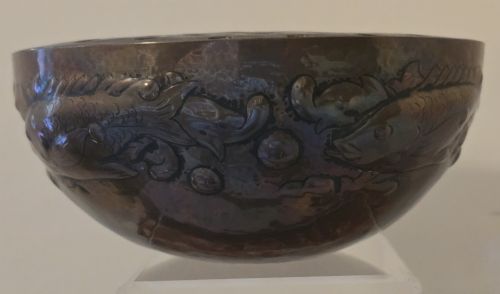
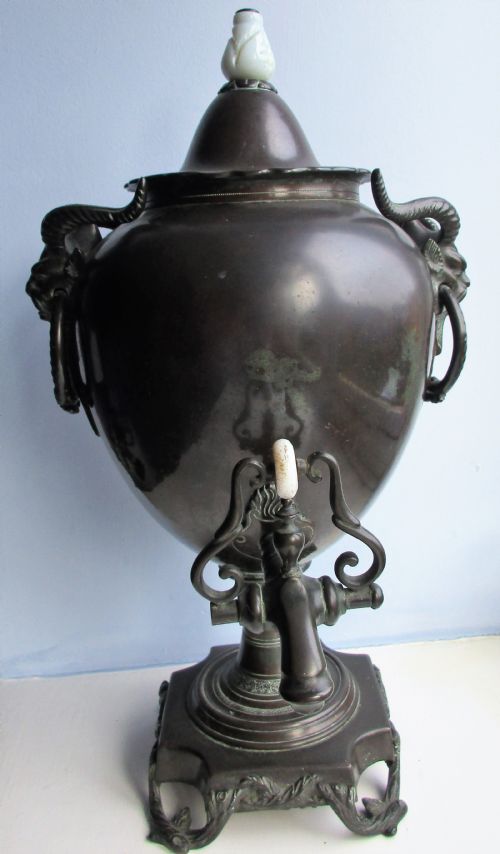
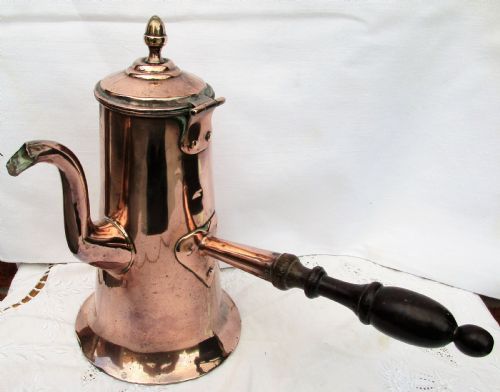
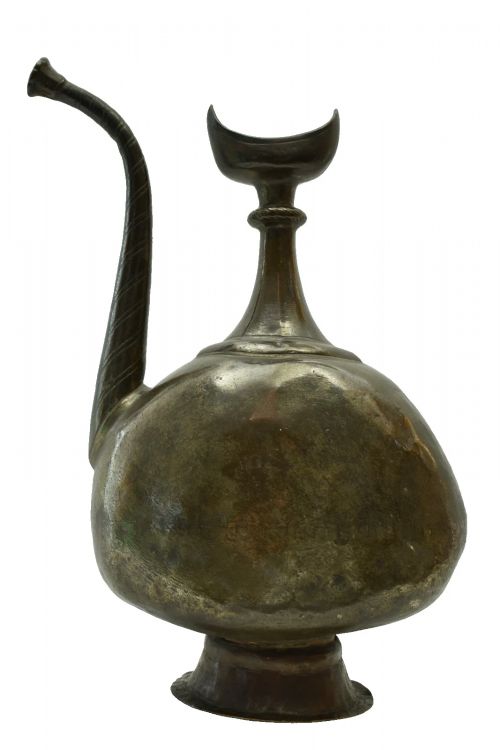
A dark copper vessel represents a broad family of historic utilitarian objects designed for domestic or civic life, encompassing forms such as rose bowls, planters, tea urns, coffee pots, ewers, and substantial cauldrons. When searching for a dark copper vessel, buyers encounter pieces spanning the eighteenth, nineteenth, and early twentieth centuries, reflecting diverse origins from English workshops to French provinces, the Ottoman sphere, and Italian estates.
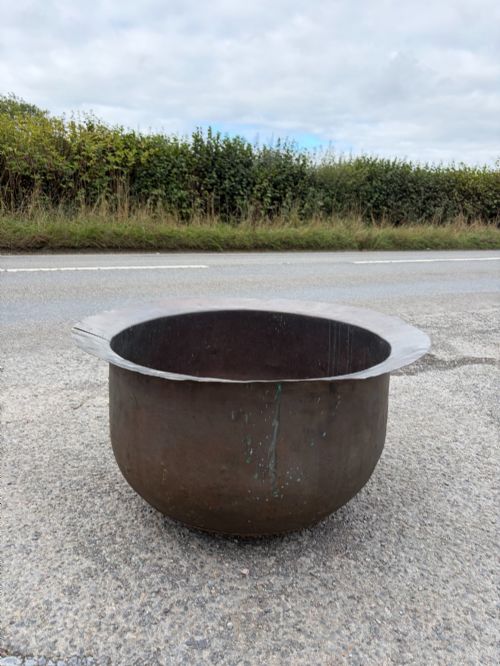
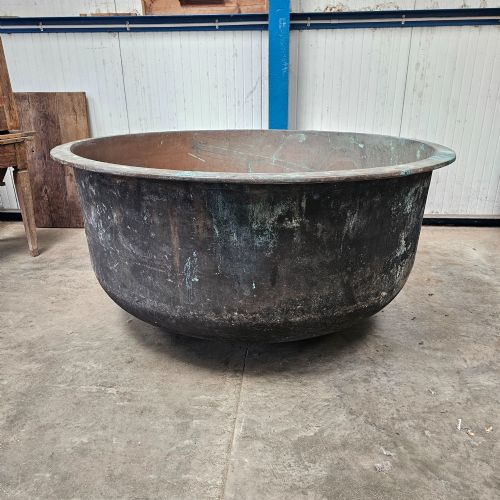
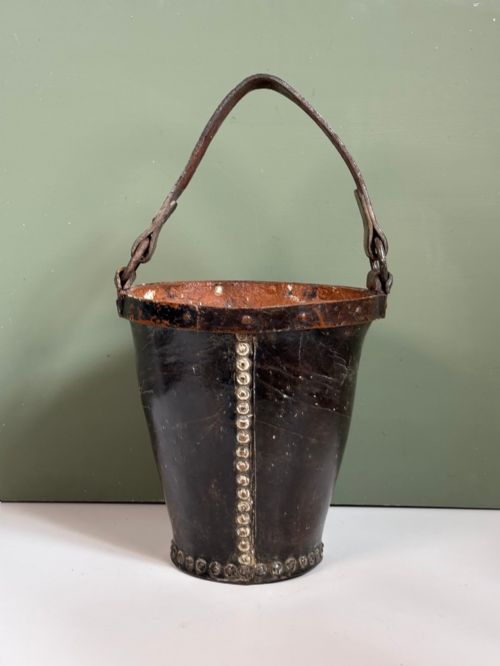
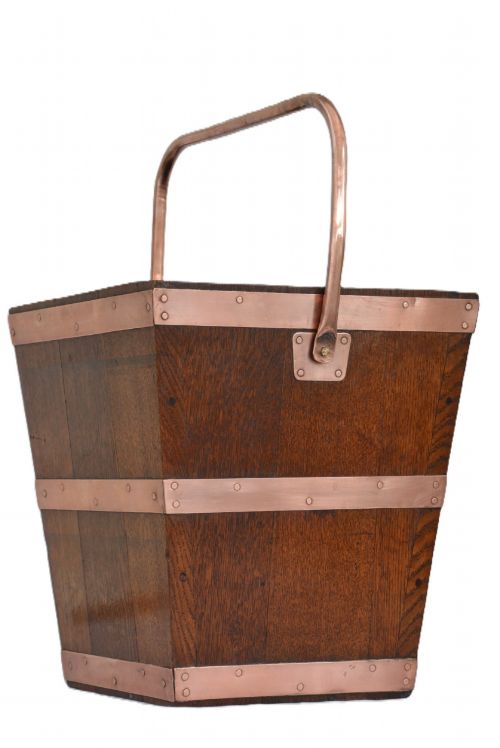
The items listed on this page showcase a striking variety of utilitarian and decorative types, including large cheese vats, coal buckets, wine cisterns, and Jewish ceremonial vases. Alongside pure metal work, the selection incorporates pieces featuring complementary materials like brass, iron, oak, boiled leather, and ceramic.
Victorian and Arts and Crafts examples dominate the domestic utilitarian forms, while Georgian coffee pots and eighteenth-century Italian wine cisterns demonstrate earlier aesthetic traditions. Buyers searching for a dark copper vessel typically seek pieces that combine practical historic function with deep, aged patination suited to contemporary display.
How they were made
The construction of these vessels relies heavily on sheet metal techniques, where skilled artisans hammered and joined copper plates to form deep bodies for holding liquids, coals, or plants. Riveting, seaming, and hand-embossing impart individual character to each piece, transforming raw metal into domestic vessels.
Makers integrated supporting elements in brass, iron, and wood, as seen in oak-bound buckets and iron-handled cauldrons, ensuring structural integrity for heavy tasks. Surface patination developed naturally through age and use or via deliberate chemical treatments to achieve the dark, rich finishes characteristic of these antique items.
The selection includes domestic and ceremonial forms ranging from French cheese vats and Italian wine cisterns to English Arts and Crafts rose bowls.
What varies in quality
The distinction between standard utility items and finer examples lies in the crispness of hand-embossing, the integrity of structural joins, and the depth of the metal patination. Pieces featuring original pierced lids, maker markings, or integrated components like brass taps and cast finials demonstrate higher levels of original craftsmanship.
Provenance and untouched historic surfaces elevate a piece, separating domestic kitchenware from items created for formal display or ritual use, such as specialised wine cisterns and inscribed ceremonial vases.
Newlyn Copper·Benetfink And Co
The Dark Copper Vessel Glossary
- Patina
- The surface sheen and coloration developed through years of handling, oxidation, and polishing. It serves as a primary visual indicator of age and authenticity in antique metalwork.
- Samovar
- A heated metal urn traditionally used to boil water for tea. These large vessels often feature internal chimneys and complex spigot assemblies.
- Ewer
- A large pitcher with a flared spout and a curved handle designed for holding and pouring liquids. Historical examples frequently incorporate decorative finials and chased ornamentation.
- Jardiniere
- An ornamental pot or stand for holding plants or flowers. These vessels are typically manufactured from ceramic or patinated metal and positioned on tables or floors.
- Cauldron
- A large, deep metal pot with a wide opening, traditionally used over an open fire for boiling or heating large quantities.
Dark Copper Vessel: Frequently Asked Questions
What were dark copper vessels used for?
These vessels served diverse practical purposes in historic households, functioning as containers for heating water, storing dry goods, brewing coffee, or transporting coal and peat for fires. Larger examples acted as vats for cheese making or wine cooling during domestic and agricultural labour.
Over time, many of these utilitarian items transitioned into decorative roles, serving as planters, table bowls, or prominent focal points in period interiors.
How do I clean a dark copper vessel?
Cleaning antique copper requires a careful approach to preserve the dark, historic patination that collectors value. Aggressive polishing removes the aged surface character that develops over centuries of exposure.
Dusting with a soft cloth and applying gentle museum-grade wax helps protect the metal from further oxidation without stripping away its authentic historic finish.
How can I tell the period of a copper vessel?
Dating relies on examining manufacturing techniques, such as hand-beating marks, the style of riveting, and the presence of maker stamps or historical hallmarks. Stylistic indicators like Georgian coffee pot profiles or Arts and Crafts embossed motifs also provide clear chronological markers.
Additionally, secondary materials like oak staves, iron handles, or brass fittings help narrow down the era of production by reflecting period-specific construction methods.
Are these vessels water-tight?
While many of these items were originally engineered to hold liquids, age, historical use, and past repairs can affect their current capacity to retain water safely. Items like wine cisterns and tea urns were built to contain fluids, but testing is recommended before using them for active domestic purposes.
For most modern collectors, these pieces function primarily as decorative planters or sculptural dry displays rather than active liquid containers.