



Dark Canvas Portrait Art
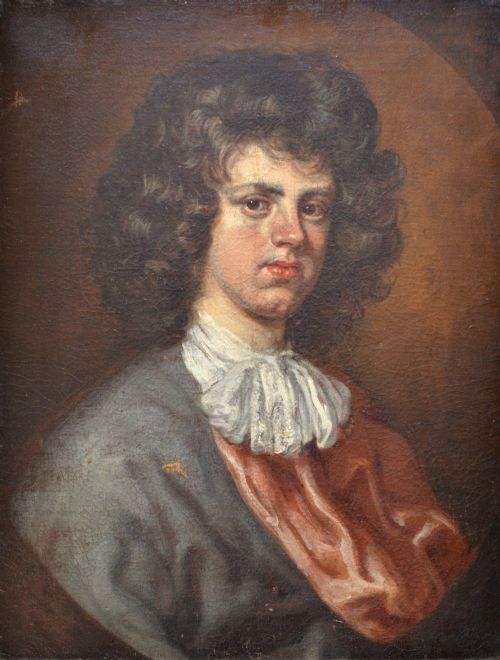
Dark canvas portrait art centres on historical oil paintings rendered upon woven grounds, capturing faces and figures from past centuries against moody backgrounds.
Dark Canvas Portrait Art
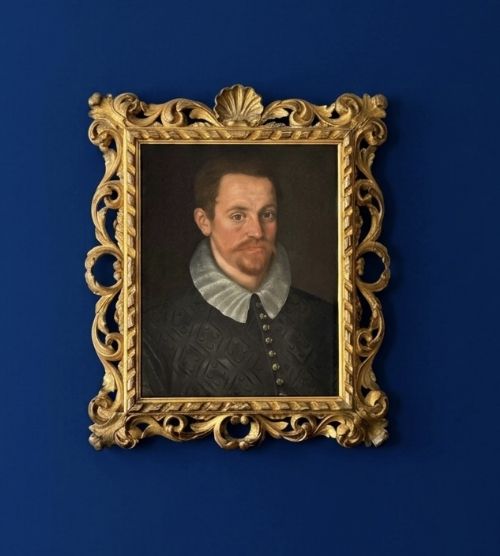
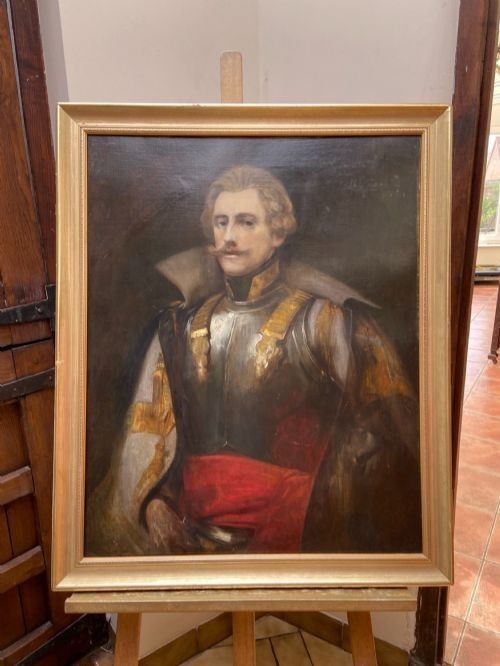
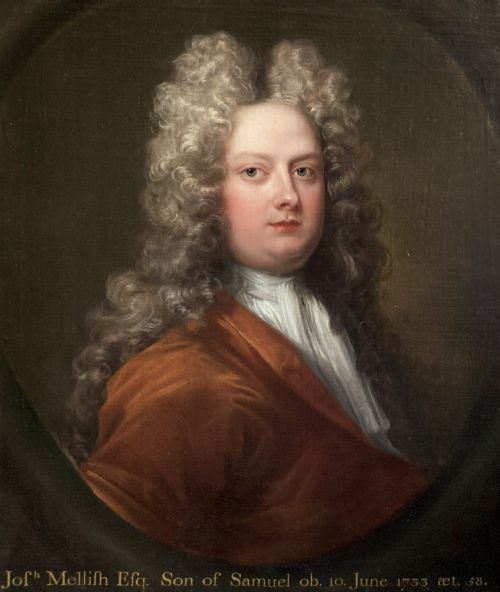
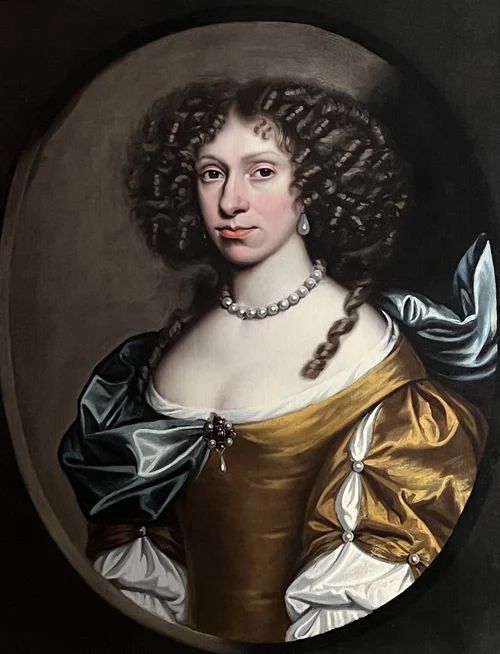
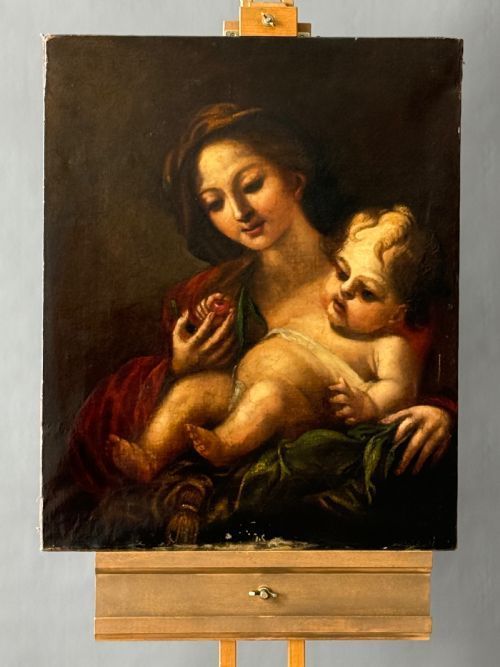
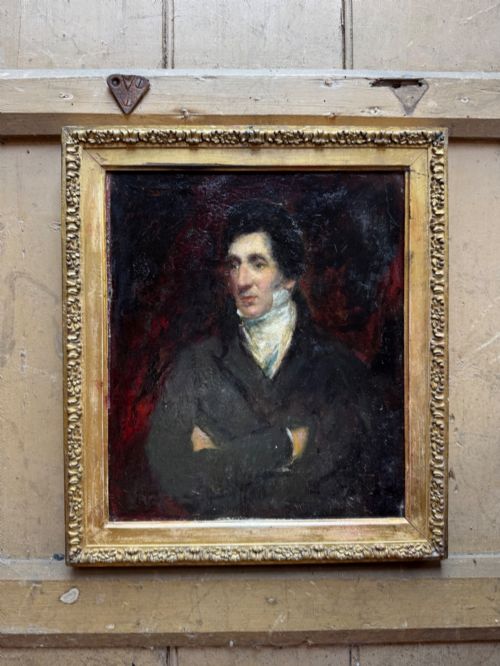
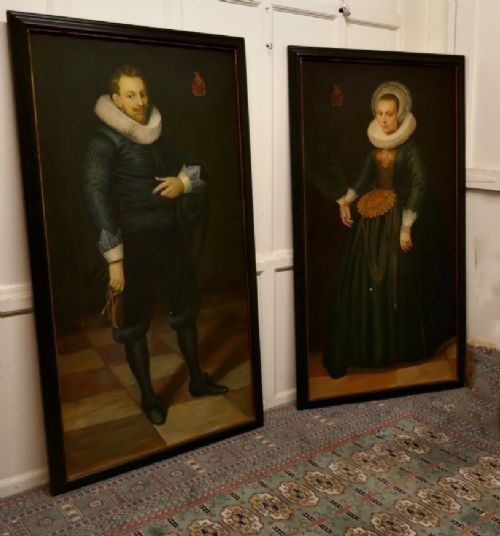
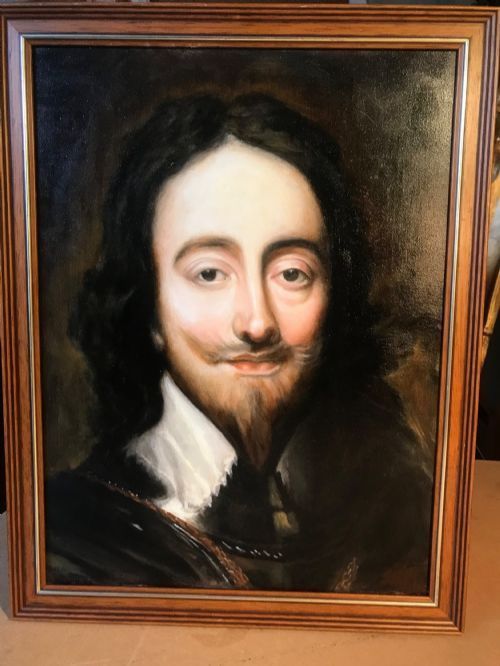
When buyers search for dark canvas portrait art, they encounter historical paintings depicting sitters from the seventeenth, eighteenth, and nineteenth centuries. These works present subjects emerging from shadowy backgrounds, utilising the deep tones typical of older oil paintings.
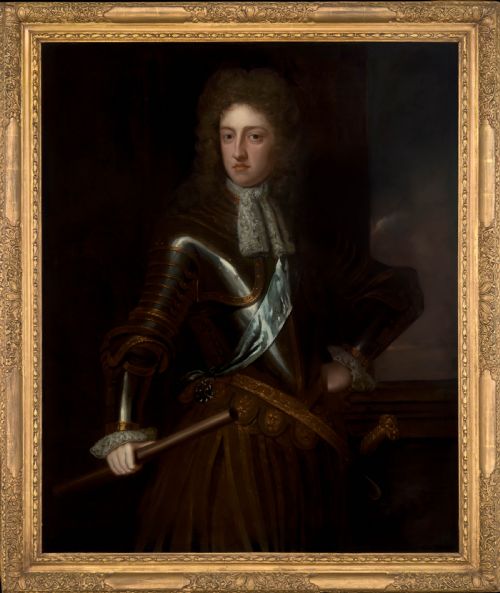
The selections available span various regional schools, including Dutch, French, English, and Italian origins. Many pieces take the form of half-length portraits or formal representations of nobility, officers, and gentlemen.
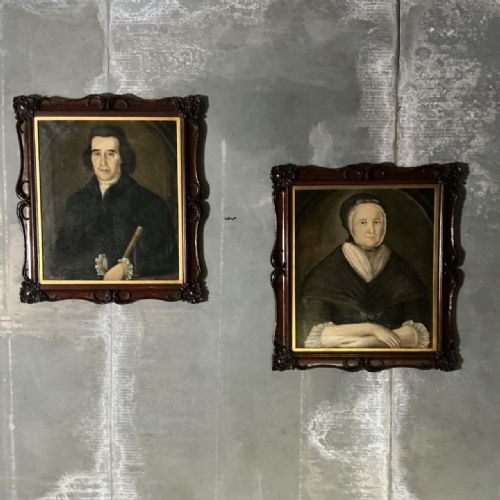
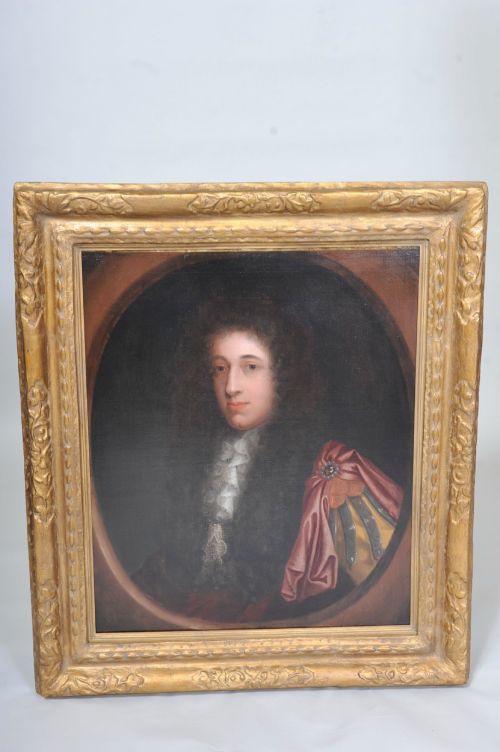
Subjects range from named historical figures to anonymous sitters captured in traditional portrait paintings and fine art works. The prevailing aesthetic relies on sombre palettes where dark textiles and shadowed interiors frame the human face.
Oil and Canvas Construction
These works were produced using oil paint applied to canvas supports, often stretched over wooden frames. Painters built up layers of pigment and oil medium to achieve rich, sombre tones that darkened further with age.
Giltwood frames and gold leaf accents frequently accompany the canvas works, providing a contrasting border to the dark compositions. The physical structure relies on traditional woodworking techniques for the stretchers and surrounds.
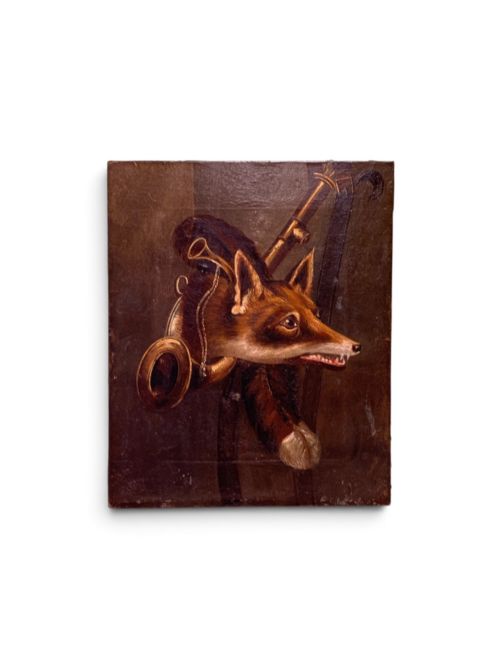
Racing pigeons and fox subjects occasionally slip into the selections, proving that humans were not the only ones deemed worthy of a dark canvas.
Execution and Handling
The depth of the surviving pigment layers and the integrity of the canvas ground also distinguish the handling. Works retaining their original untouched surfaces demonstrate superior preservation compared to heavily restored examples.
Charles Jervas·David Scougall·John Hayls·Sir Godfrey Kneller·Mary Beale·Thomas Beach·Sir William Beechey·Margaret Sarah Carpenter
The Dark Canvas Portrait Art Glossary
- Oil on Canvas
- A painting medium where pigments are bound with drying oils and applied to a woven fabric support. This combination allows for rich colour blending and deep shadow effects.
- Giltwood
- Wood carved and coated with gold leaf or metallic powder. It provides the ornate framing often found surrounding historical portraits.
- Old Master
- A term applied to European painters of high skill working before the nineteenth century. These artists established the conventions of portraiture seen in dark canvas works.
- Baroque
- An artistic style prevalent in the seventeenth and eighteenth centuries characterised by dramatic lighting and deep shadows. This movement heavily influences the dark aesthetic of many portrait paintings.
Dark Canvas Portrait Art: Frequently Asked Questions
What periods do these portraits represent?
The pieces span multiple centuries, with a strong representation of seventeenth, eighteenth, and nineteenth-century examples. These include works from specific periods such as the Regency and Victorian eras.
Each era brought distinct clothing styles and painting techniques, ranging from seventeenth-century doublets and ruffs to nineteenth-century military uniforms and civilian dress.
How should I hang dark canvas art?
These works require placement away from direct sunlight to protect the oil paint and canvas from fading or drying out. Pairing them with adequate wall lighting helps bring out the subtle details hidden in the dark backgrounds.
Consider the surrounding wall colour, as deep tones complement the sombre palette while lighter walls create a strong contrast for the framed piece.
How are the sitters identified?
Some portraits feature inscribed names, dates, or coats of arms on the canvas or frame, while others are accompanied by historical records linking them to specific families or individuals. Research into costume and artistic style often aids attribution.
Anonymous sitters, frequently catalogued simply as gentlemen or ladies, still offer insight into the clothing and social status of their respective periods.
What frames typically accompany these paintings?
Many works are housed in period frames made of wood, often finished with giltwood or gold leaf details. These surrounds reflect the decorative tastes of the era in which the painting was created or later restored.
The weight and ornamentation of the frame generally correspond to the status of the portrait and the school of art it represents.