



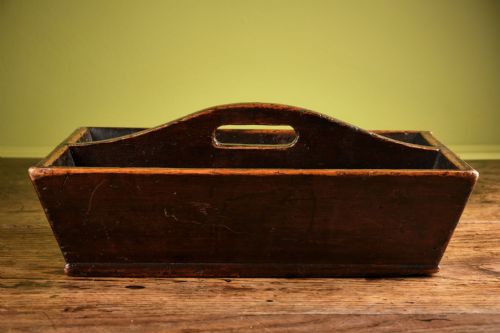

Dark Brown Wooden Caddy
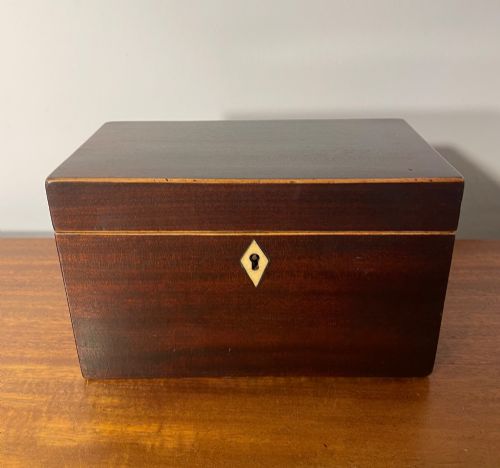
A dark brown wooden caddy holds the quiet weight of domestic history, prized for rich timber grains and clever interior compartments.
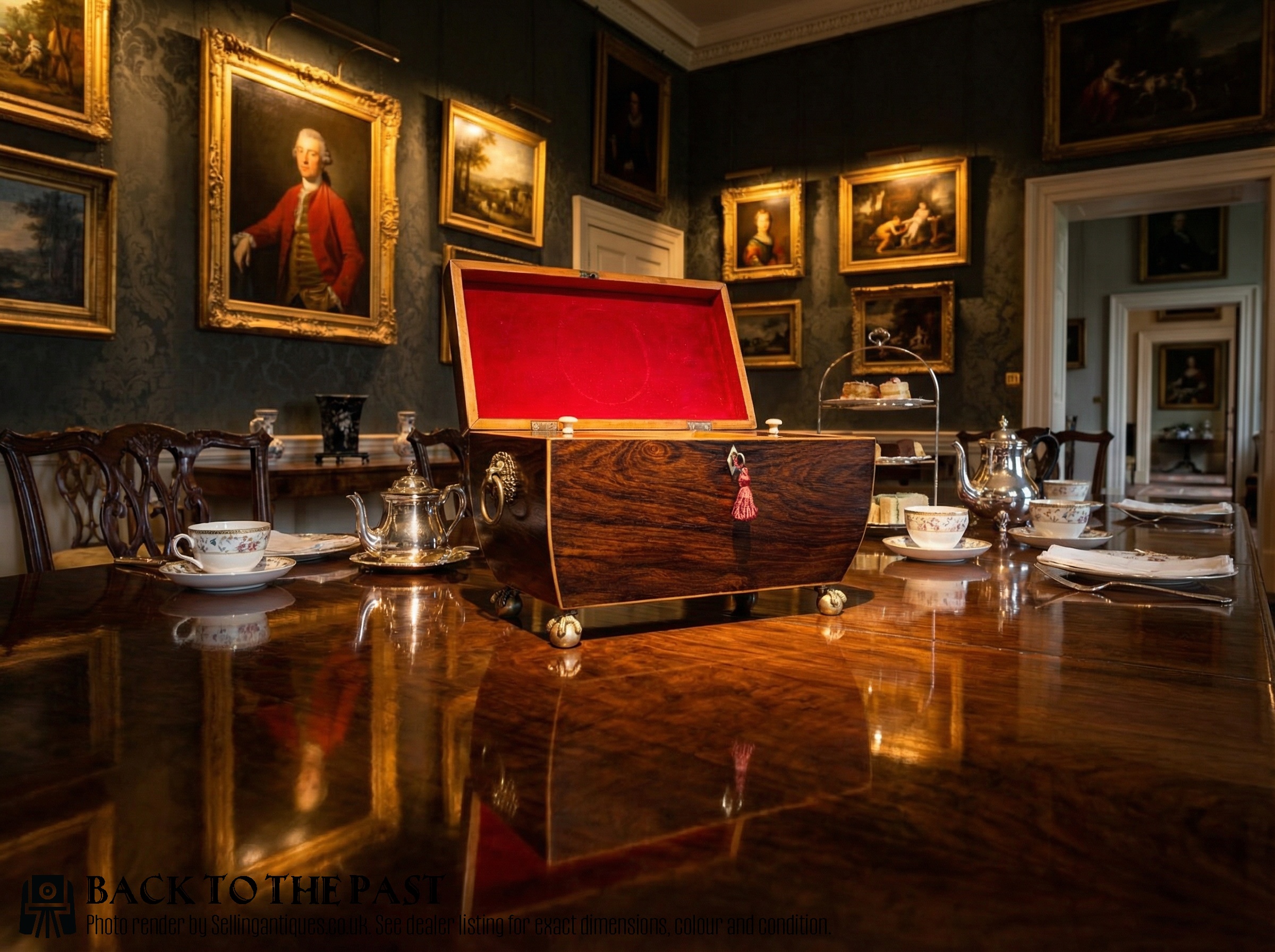
Dark Brown Wooden Caddy
A dark brown wooden caddy primarily encompasses antique tea caddies, alongside related boxes and trays shaped from timber during the Georgian, Regency, and Victorian eras. These containers served domestic functions in period homes, from storing precious loose leaf tea to holding cutlery and jewellery.
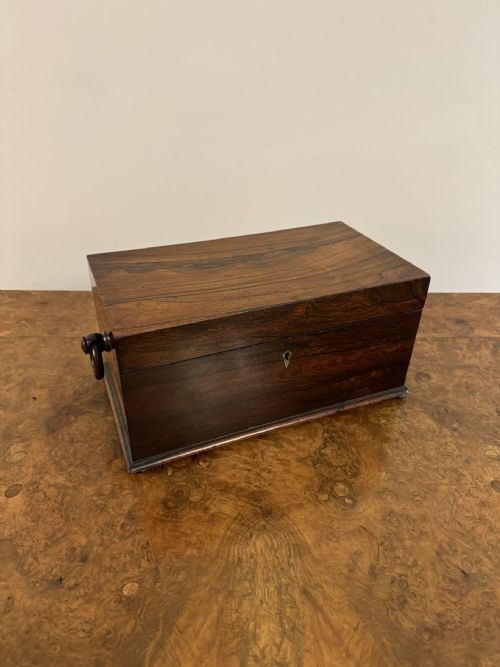
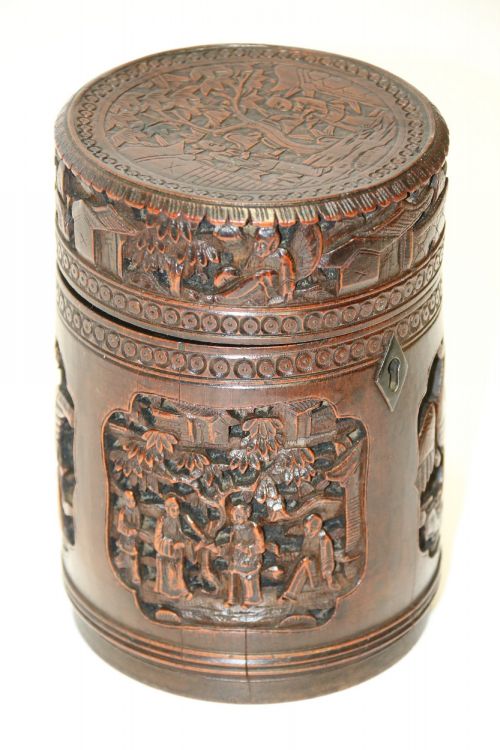
On this page, you will most frequently meet tea caddies fashioned from dark timbers like mahogany and rosewood. These range from simple Georgian and Regency boxes to elaborate sarcophagus forms and carved Chinese bamboo iterations.
How they were made
Cabinetmakers constructed these pieces using dense hardwoods such as mahogany and rosewood, often pairing them with contrasting inlay materials like shell. Surface decoration also relied on carved bamboo and painted gilt details.
Construction techniques included precise box-making and joinery, designed to keep contents secure. Turned wood elements and fitted internal compartments demonstrated the high level of skill employed by period artisans.
Dark Brown Wooden Caddy Retail Price Guide 2026
Typical asking prices for dark brown wooden caddy among the pieces listed under this phrase on Sellingantiques today, from the lower quarter to the upper quarter. They describe what is for sale here now, not the wider market.
Tea was once so valuable that locking caddies kept servants from dipping into the leaves.
What varies in quality
The distinction between standard examples and superior pieces rests on the choice of timber and the sophistication of the form. Sarcophagus shapes, elaborate shell inlay, and fine rosewood grain distinguish the more ambitious commissions from plain utility boxes.
Internal arrangement and hardware further separate the grades of work. Surviving internal compartments and robust brass fittings indicate a higher tier of original manufacture.
The Dark Brown Wooden Caddy Glossary
- Sarcophagus form
- A box shape featuring a sloping or domed lid reminiscent of a stone coffin, popular for large tea caddies and cellarettes during the Regency and William IV periods. This silhouette gave makers space to display rich timber grains.
- Cellarette
- A sizeable cellar or box designed to hold bottles, appearing in heavy mahogany during the Georgian era. These stood on the floor or under sideboards.
- Inlay
- A decorative technique where contrasting materials like shell or lighter woods are inserted into recesses in the primary timber surface. This added ornamental detail to plain box lids.
- Rosewood
- A dense, dark timber featuring pronounced figuring, frequently utilised for high-status tea caddies and jewellery boxes during the nineteenth century. Its natural oil content allows for a high polish.
- Cutlery tray
- An open wooden tray divided into sections for holding knives, forks, or spoons, often shaped from pine or oak in rural workshops.
Dark Brown Wooden Caddy: Frequently Asked Questions
What were tea caddies used for?
Tea caddies served to store precious loose leaf tea safely under lock and key in the home. Because tea was an expensive commodity, these boxes protected the leaves from moisture and light.
Inside, the containers often featured divided compartments and internal lids to separate different varieties of tea.
How do I date a wooden caddy?
Dating relies on identifying the timber, hardware, and prevailing architectural style of the box. Georgian and Regency pieces often display sarcophagus shapes or delicate shell inlay.
Later Victorian examples tend to feature heavier rosewood construction and different internal configurations without locks.
Can I use an antique caddy for jewellery?
Many period caddies transition easily into jewellery boxes or catchalls for small items. Their internal compartments and lined spaces suit modern trinkets just as well as they held tea leaves.
Care should be taken to protect delicate wood surfaces from moisture and heavy impacts.
What is the difference between mahogany and rosewood?
Mahogany is a stable, reddish-brown hardwood that cabinetmakers utilised widely for Georgian and Regency furniture and boxes. It offers a uniform grain that accepts carving and polishing.
Rosewood is heavier and darker with strong blackish figuring, chosen for high-status nineteenth-century decorative pieces.