






Dark Brown Vase
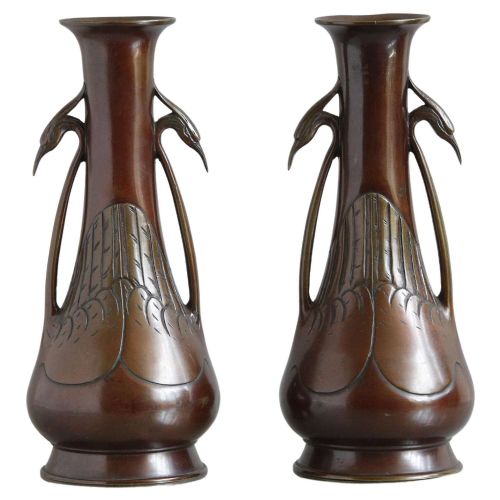
A dark brown vase brings rich metallic patination and carved timber warmth to a room, drawing the eye with deep earthy tones.
Dark Brown Vase
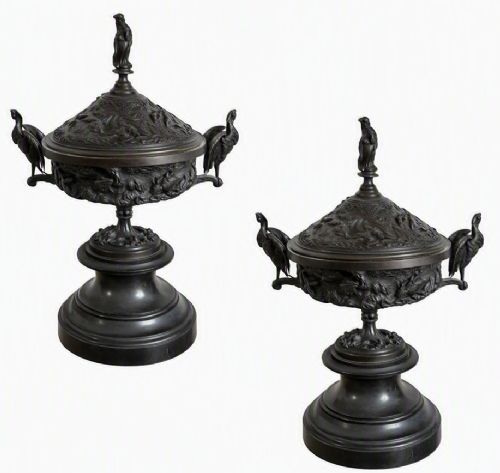
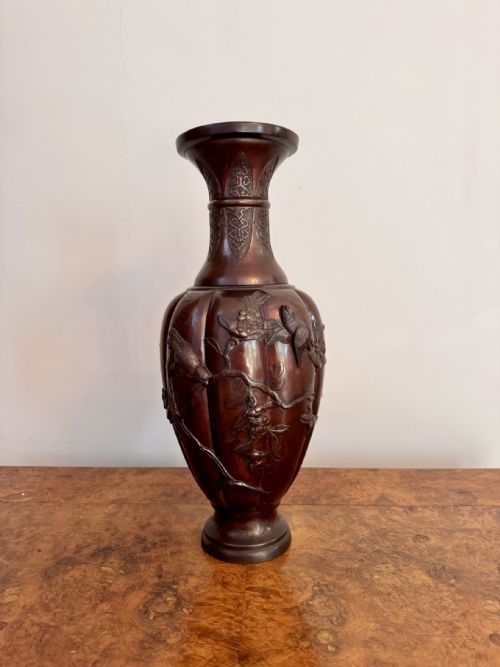
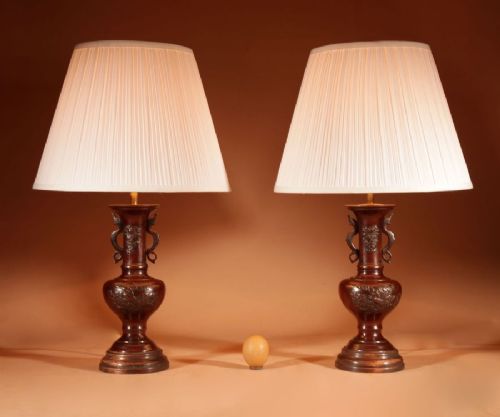
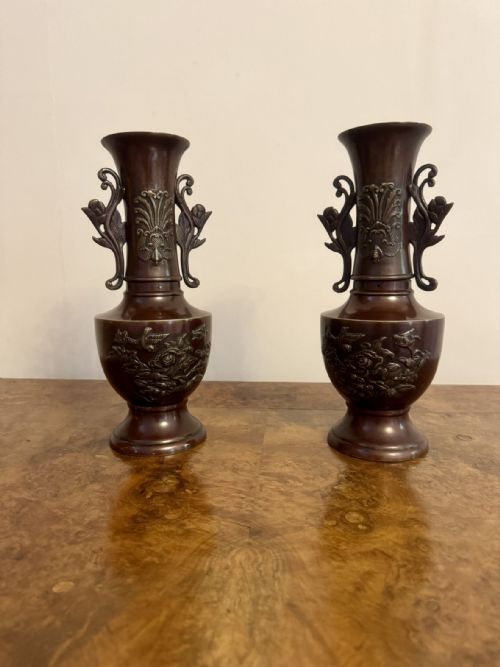
A dark brown vase encompasses a range of patinated metalwork, carved timber and lacquered vessels originating from the nineteenth and early twentieth centuries. When searching for a dark brown vase, buyers frequently encounter Japanese bronze pieces from the Meiji period, alongside French bronze campana urns and turned wooden vessels.
These items served both decorative and functional purposes in period interiors, functioning as floral receptacles, plant stands or focal ornaments. The selection leans heavily towards robust cast bronze and dense hardwoods that have acquired deep, dark patinations over generations of handling and exposure.
Materials and Techniques
Metal vessels are typically produced through lost-wax casting in bronze or spelter, followed by chemical patination treatments that yield deep brown and black surface tones. Artisans then applied chased or relief decorations by hand, detailing handles in the form of birds, fish or floral motifs.
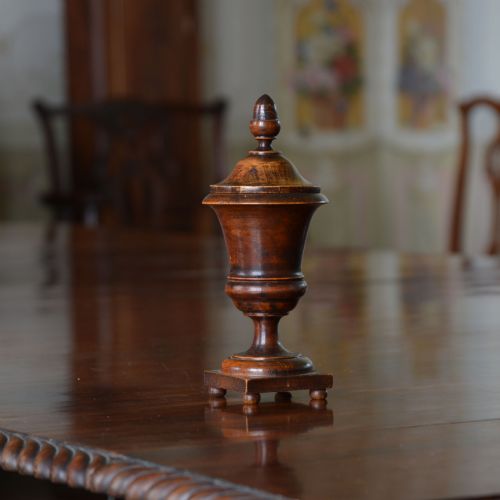
Wooden examples rely on turning, carving or joining dense timbers such as mahogany, oak, fruitwood and bamboo. These organic pieces often depend on natural grain patterns and hand-applied polishing oils to achieve their enduring dark brown lustre.
Assessing Quality
Quality rests upon the crispness of the casting and the depth of the metal patination, where deliberate shading enhances the sculptural relief. Fine examples display meticulous hand-chasing that leaves no trace of the initial mould seams.
In wooden and bamboo pieces, the integrity of the joinery and the subtlety of the hand-carving dictate the standard. Superior items maintain structural stability while preserving the integrity of the natural material and its historical surface finish.
Jules Moigniez·Charles Korschann
The Dark Brown Vase Glossary
- Bronze
- An alloy of copper and tin widely utilised for casting durable vessels and sculptural ornaments. It develops a stable patinated surface over time.
- Patination
- The natural or chemically induced surface coloration that forms on metal or wood through age and handling. This process creates the characteristic dark brown hues.
- Campana
- A classical bell-shaped vessel form commonly found in nineteenth-century decorative urns and vases. The silhouette flares outward towards a wide rim.
- Meiji Period
- A Japanese historical era lasting from 1868 to 1912 noted for exceptional metalwork and bronze casting. Pieces from this time frequently incorporate traditional flora and fauna motifs.
Dark Brown Vase: Frequently Asked Questions
How do I clean a bronze vase?
Dust the surface gently with a soft, dry cloth to remove accumulated particles without disturbing the underlying patination. Avoid water, commercial metal polishes and abrasive cleaners that strip away historical finishes.
Allow the natural ageing process to continue undisturbed, as excessive cleaning diminishes the visual depth of the metal. Professional conservation is advisable only if active corrosion appears.
Where should I place a heavy bronze vase?
Position heavier metal vessels on sturdy side tables, low cabinets or dedicated plant stands capable of supporting substantial weight. Ensure the supporting furniture rests level to prevent tipping.
Keep bronze and timber pieces away from direct heat sources and strong sunlight to protect surface finishes from drying or fading. Adequate clearance prevents accidental knocks in busy walkways.
Are these vases waterproof?
Many historical metal and wooden vessels are not reliably watertight due to age, hairline fractures or construction methods. Utilising a discreet internal glass or plastic liner protects the interior from moisture.
Standing water inside unlined wooden or porous containers causes warping and interior rot. Using a liner allows the safe display of fresh floral arrangements without risking the historic material.
How do I identify a Meiji period bronze?
Examine the casting quality for fine, lifelike details in relief work depicting birds, fish or foliage. Signature panels or seals cast into the base often indicate the artisan or workshop origin.
Compare the rich, dark brown chemical patination against nineteenth-century manufacturing standards. Heavy weight and confident handling are consistent traits of this era's metalwork.