

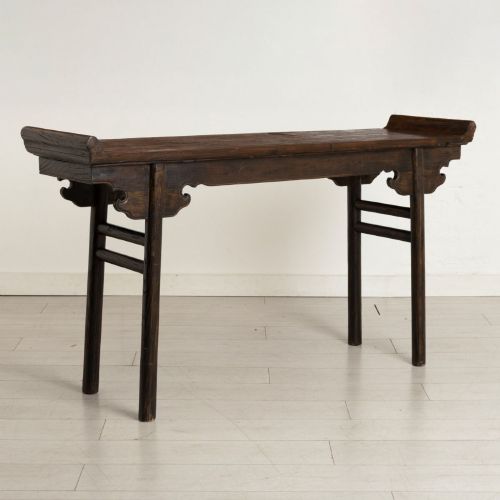


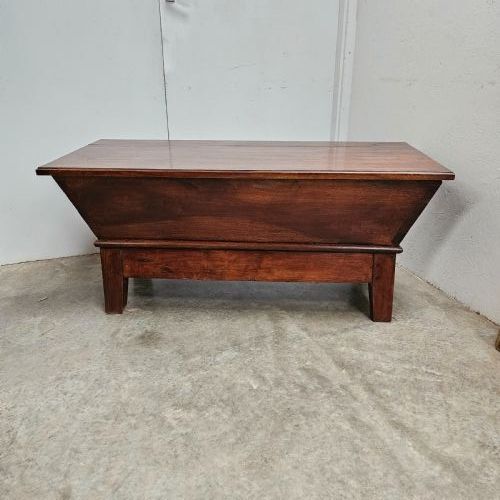


Dark Brown Timber Coffer
A dark brown timber coffer is a robust storage piece built to endure, offering timeless utility and deep patination.
Dark Brown Timber Coffer
When you search for a dark brown timber coffer, you are looking at substantial storage chests and boxes constructed primarily from sturdy woods like oak, elm, and walnut. These functional forms range from utilitarian six-plank constructions to joined examples displaying vernacular country craftsmanship.
The versions you are most likely to meet on this page span the sixteenth, seventeenth, eighteenth, and nineteenth centuries. Alongside traditional British and European forms, the selection includes regional variations such as French provincial dough bins and Chinese hardwood chests.
Materials and construction methods
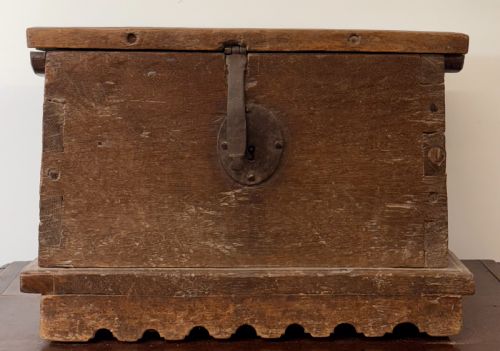
Makers utilised native hardwoods, predominantly oak and elm, alongside iron for strap hinges, lock plates, and corner brackets. Six-plank construction provided a simple method using pegged joints, whereas joined timber frames allowed for panelled lids and sides.
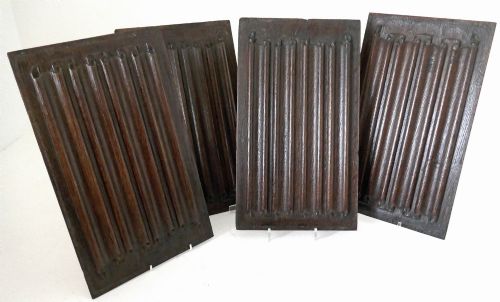
Surfaces often display the natural grain of the wood darkened through age and wax polish, occasionally accented with linenfold carving or raised mouldings. Iron and brass hardware served both a structural purpose and a decorative function on these heavy storage boxes.
Several coffers double as dough bins, proving that ancestors valued multi-tasking furniture just as much as modern homeowners do.
Assessing build quality and integrity
Quality in a dark brown timber coffer lies in the integrity of the timber joints, the originality of the hardware, and the depth of the surface patination. Hand-cut pegging and well-preserved structural framing distinguish superior examples from simpler utilitarian boxes.
The presence of original ironwork, hinges, and locks elevates a piece, as does timber that has aged gracefully without excessive replacement boards. Finer items exhibit careful selection of figured wood and crisp execution of period carving styles.
The Dark Brown Timber Coffer Glossary
- Six-plank coffer
- A primitive chest constructed from six individual boards joined directly at the edges with nails, pegs, or dovetails. This method represents one of the earliest forms of joined wooden box construction.
- Joined oak
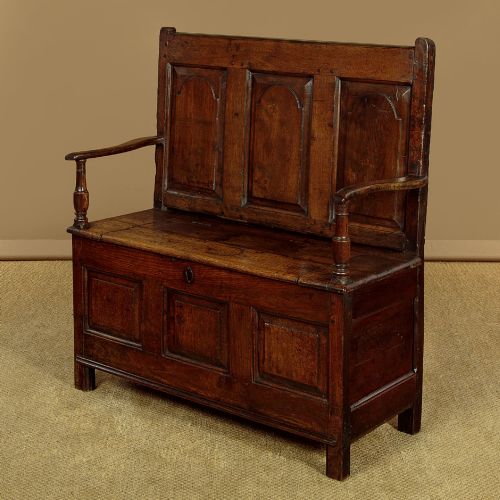
- Furniture construction utilising mortise and tenon joints secured with wooden pegs rather than simple nailed planks. This technique provided greater structural strength for seventeenth-century storage chests.
- Linenfold
- A style of relief carving popular in the Tudor period that imitates folded parchment or linen cloth. It frequently decorates the wooden panels of early coffers and wall panels.
- Dough bin
- A domestic wooden trough or coffer with a lid, historically used for kneading and proving bread dough. French provincial examples often utilise walnut or softer local timbers.
- Sword chest
- A narrow, long coffer specifically designed for storing sidearms securely. These seventeenth-century oak pieces feature compact proportions tailored to military equipment.
Dark Brown Timber Coffer: Frequently Asked Questions
What is a dark brown timber coffer used for?
Historically, these robust chests served to store valuables, documents, linens, and domestic provisions securely. Today, they function as practical living room or hallway storage while adding historical character to a room.
Their sturdy flat lids also allow them to double as casual seating or low display surfaces. They suit modern interiors well when placed at the foot of a bed or beneath a window.
How do I care for antique timber?
Maintain antique wood by keeping it away from direct heat sources and sudden temperature fluctuations that can dry out the timber. Apply a traditional beeswax polish occasionally to nourish the surface and preserve the natural sheen.
Avoid using modern chemical sprays or silicone-based polishes, as these can damage the aged patina over time. A soft, dry cloth is usually sufficient for routine dusting.
How can I tell a seventeenth-century coffer apart from later pieces?
Seventeenth-century examples typically display joined oak construction with hand-turned wooden pegs and heavier iron hardware. The timber grain shows deep natural patination acquired through centuries of oxidation and wax polishing.
Later nineteenth-century interpretations or vernacular pieces often utilise simpler plank construction and softer woods like elm or cedar. Examining the tool marks and joint construction reveals the manufacturing period.
Are all coffers made of oak?
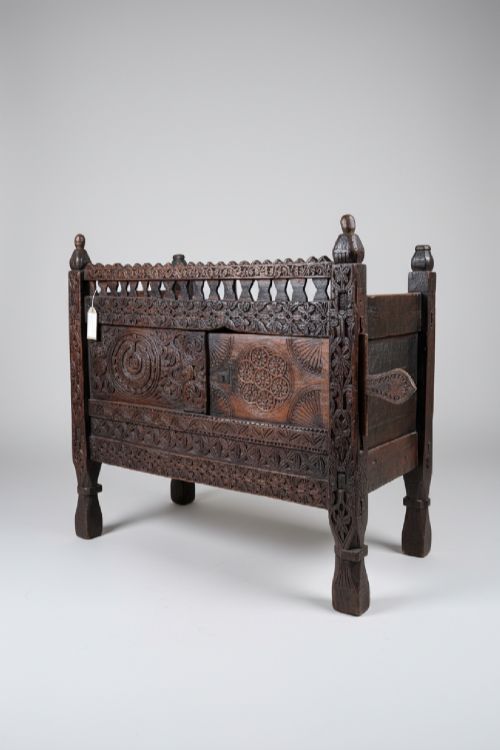
While oak is the predominant timber found in British and European coffers from the sixteenth and seventeenth centuries, makers also utilised other regional woods. Elm, walnut, cedar, and various Asian hardwoods appear across different styles and periods.
Each wood species ages differently, influencing the final colour and grain pattern of the timber. Walnut and fruitwoods often appear in French provincial dough bins and storage boxes.