

Dark Brown Oak Rack
These dark brown oak rack examples span umbrella stands, coat racks and plate racks shaped by centuries of functional joinery.
Dark Brown Oak Rack
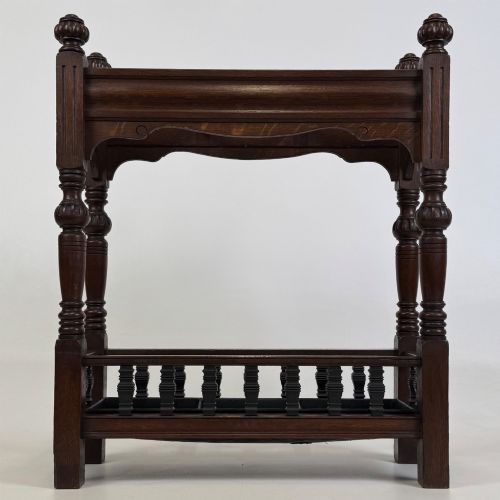
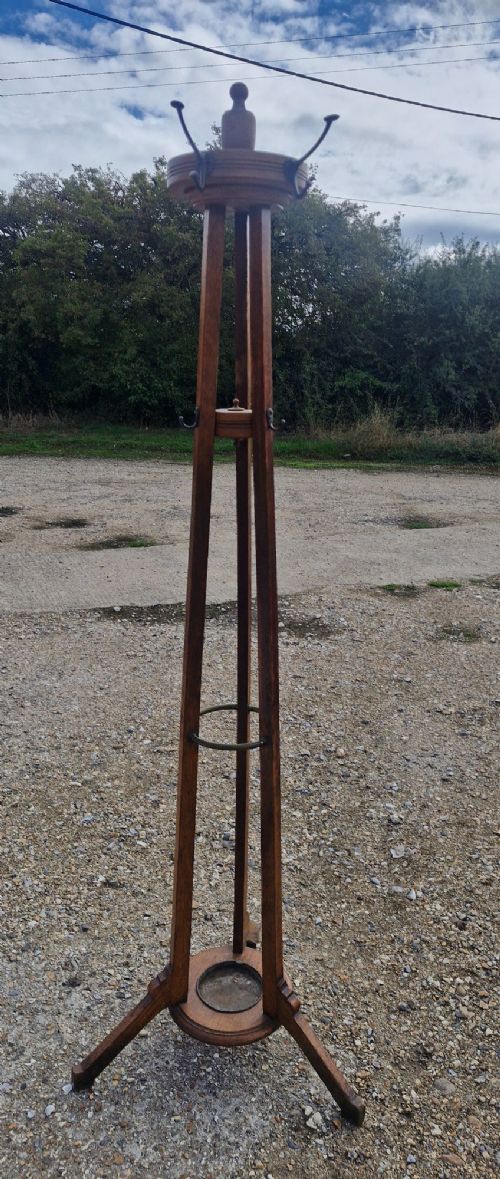
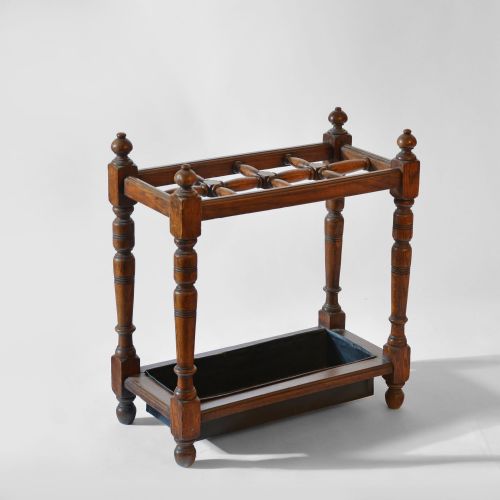
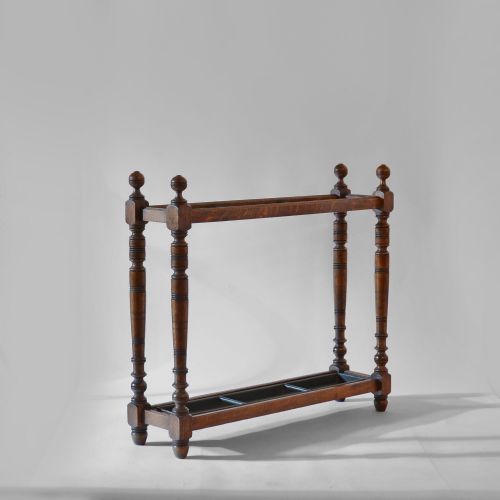
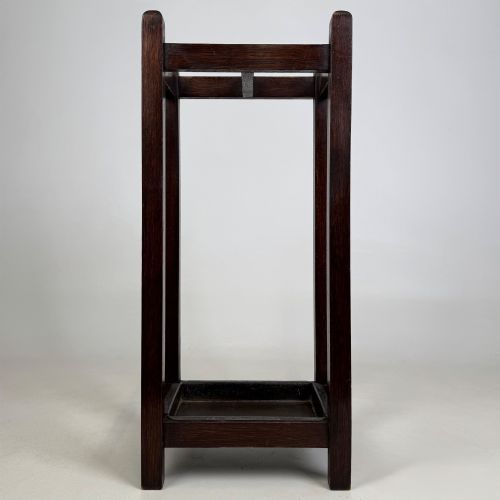
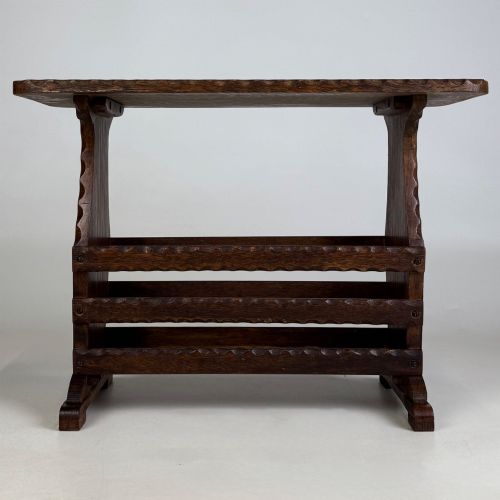
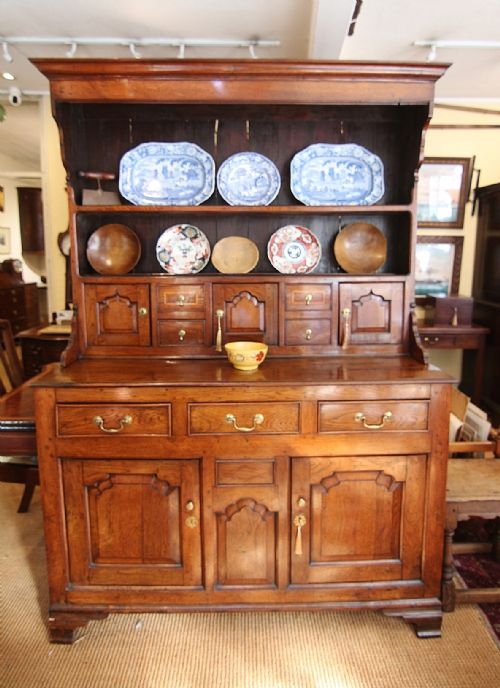
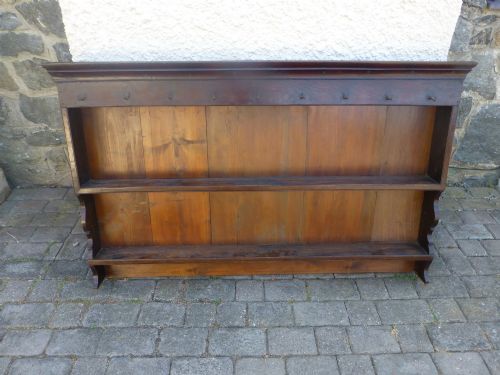
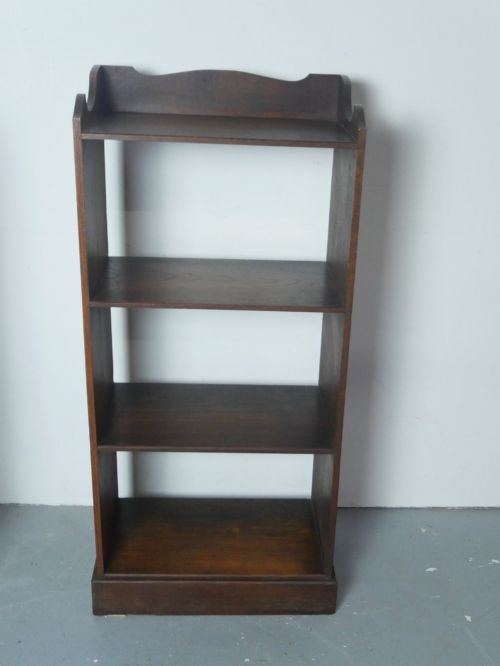
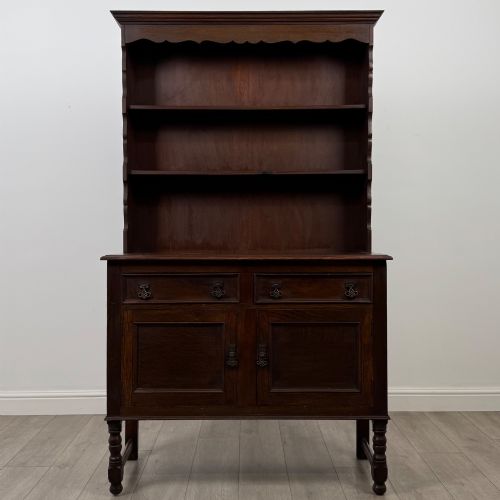
When you search for a dark brown oak rack, you find utilitarian furniture designed for holding garments, hats, umbrellas, books or plates in domestic interiors. The pieces on this page cross multiple forms including umbrella stands, wall-mounted coat racks, hall stands, luggage stands and plate racks attached to Welsh dressers.
The objects derive from periods spanning the eighteenth, nineteenth and twentieth centuries, taking distinct regional and stylistic shapes such as Edwardian revolving stands, Arts and Crafts wall units, and Georgian country dressers. Oak predominates as the structural timber, bearing deep brown tones accumulated through age and finishing.
How they were made
Makers constructed these pieces predominantly from solid oak, sometimes combining pine for secondary framing or incorporating brass and iron hooks, drip trays and brackets. Structural support frequently relies on cast iron or metal elements within umbrella and coat stands to handle heavy daily use.
Joinery methods vary according to the period and form, utilising mortise and tenon joints in eighteenth-century dressers alongside turned spindles and applied carvings in Victorian and Edwardian hall stands. Surfaces receive wax or polish that deepens the natural grain into the characteristic dark brown appearance.
Stag horn and antlers found their way into Victorian country houses, turning ordinary hallway coat stands into imposing forest displays.
What varies in quality
Quality rests in the integrity of the timber selection and the retention of original functional hardware, such as brass hooks, glazing, and metal drip pans. Pieces exhibiting crisp hand-carved detailing or robust pegged joinery stand apart from later or more utilitarian iterations.
Proportion and domestic utility govern the design success of each item, whether in the balanced display shelves of a Welsh dresser plate rack or the sturdy turning of an Edwardian coat stand.
The Dark Brown Oak Rack Glossary
- Welsh dresser
- A traditional kitchen or dining furniture piece comprising a lower base of drawers and cupboards surmounted by an open wooden plate rack. These structures often display regional characteristics from areas such as Snowdonia or Llanrwst.
- Hall stand
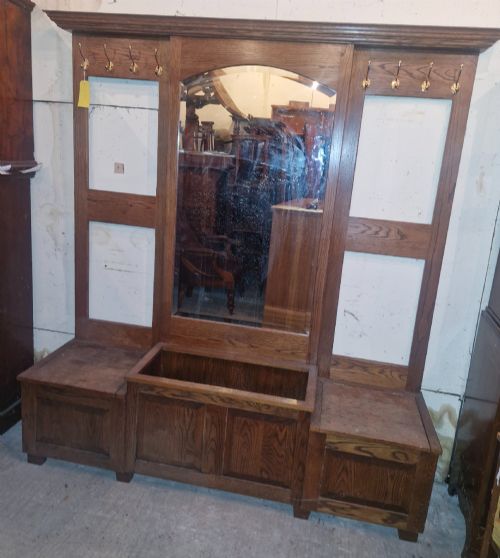
- A multi-functional piece placed in an entryway, typically integrating coat hooks, a mirror, umbrella wells and sometimes a seat or storage compartment. They frequently incorporate carved oak panels and brass or cast iron fittings.
- Plate rack
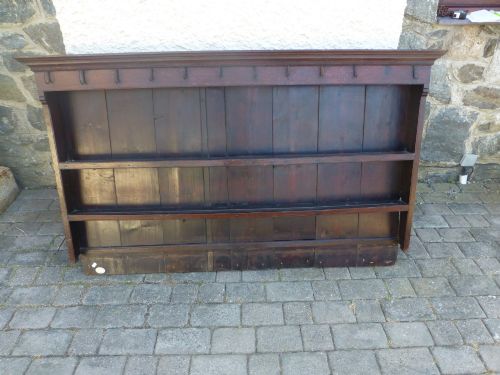
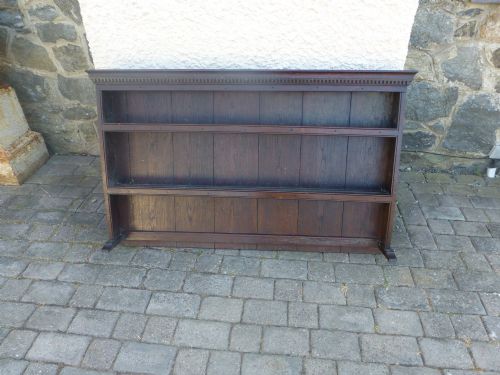
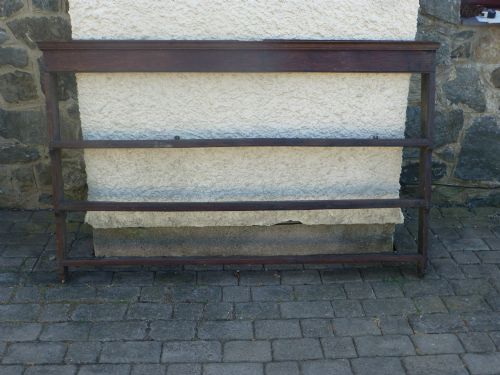
- An open shelving framework designed to display ceramic plates upright or on edge, commonly integrated into seventeenth and eighteenth-century dressers or mounted directly to walls. This element allowed functional kitchenware double duty as display.
- Luggage rack
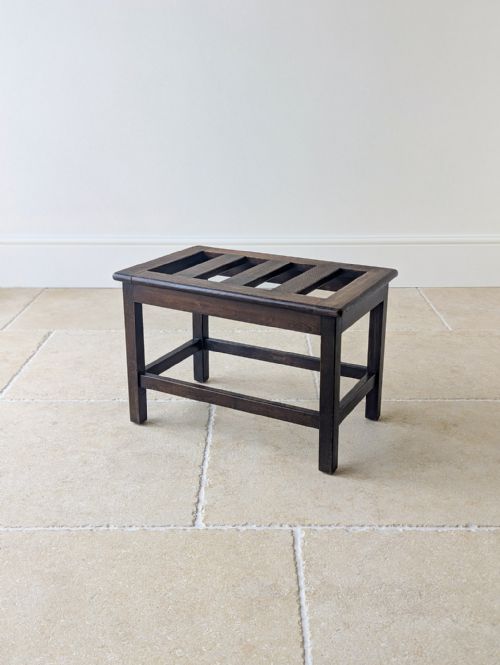
- A low folding or static stand fitted with webbing or wooden slats, designed for supporting travel trunks or suitcases in a bedroom or reception space. Edwardian examples often feature turned oak legs and lower slatted shelves.
Dark Brown Oak Rack: Frequently Asked Questions
What is the difference between an umbrella stand and a hall stand?
An umbrella stand is a compact vessel or frame dedicated solely to holding walking sticks and umbrellas, often featuring a metal or ceramic base tray for drainage. A hall stand is a larger, combined piece of furniture that incorporates coat hooks, a mirror, hat storage and frequently an umbrella well.
While umbrella stands focus on a singular utilitarian purpose near an entrance, hall stands serve as comprehensive greeting furniture designed to handle multiple items of outdoor wear upon entering a home.
How do I care for antique oak furniture?
Antique oak benefits from stable indoor environments away from direct heat sources and dramatic humidity fluctuations, which can cause timber to split or warp. Regular dusting with a soft, dry cloth maintains the surface without stripping historical finishes.
Applying a traditional beeswax occasionally helps nourish the wood and preserves the rich dark brown patina accumulated over decades or centuries of use.
Where were these racks typically used in a home?
Most of these racks served practical storage roles in entryways, hallways, kitchens and reception rooms. Coat racks, hat stands and umbrella stands populated hallways to receive outdoor garments immediately upon arrival.
Plate racks and dressers functioned as central fixtures in kitchens and dining spaces, holding daily ceramics and provisions, while luggage stands supported guest belongings in bedrooms.
How do I distinguish an 18th century dresser rack from a later reproduction?
Eighteenth-century dresser racks display authentic period joinery, hand-cut peg fastenings, and timber patination consistent with centuries of domestic wear and cleaning. Tool marks left by pit saws or hand planes offer physical evidence of early construction methods.
Later copies or composite assemblies often show standardised machine-cut elements, inconsistent wood ageing, or modern fixings that do not match the historical period of the main body.