

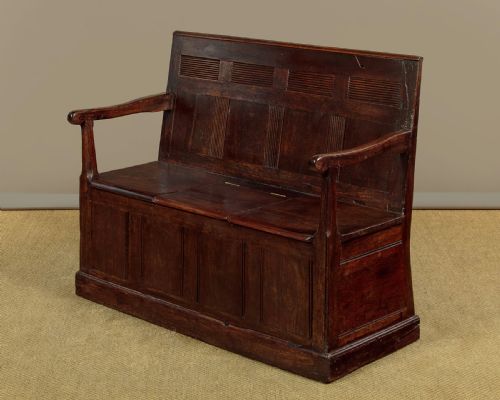


Dark Brown Monks Bench
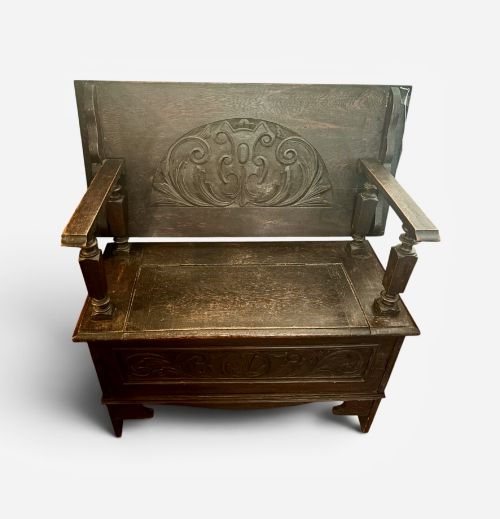
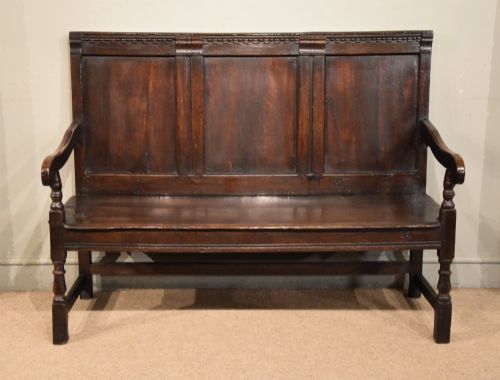
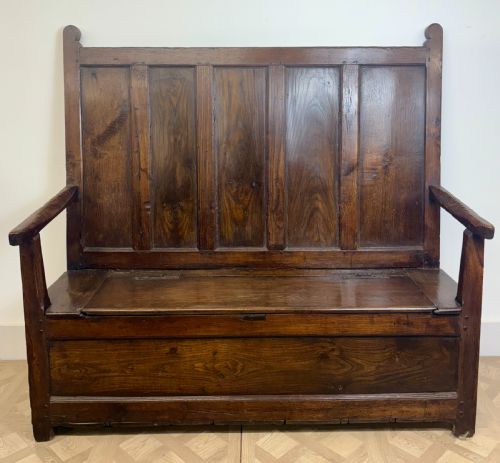
A dark brown monks bench combines dual-purpose utility with centuries of traditional woodworking, offering an enduring seat that transforms into a table.
Dark Brown Monks Bench
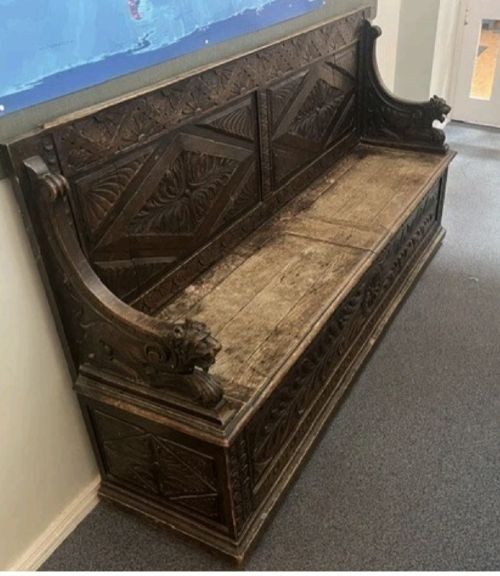
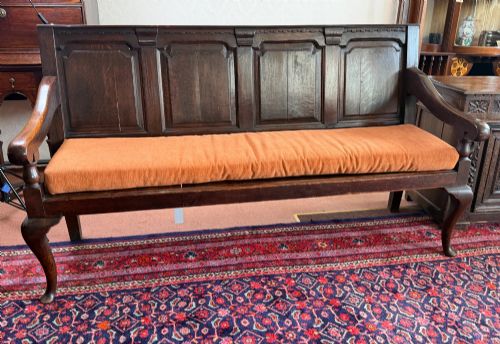
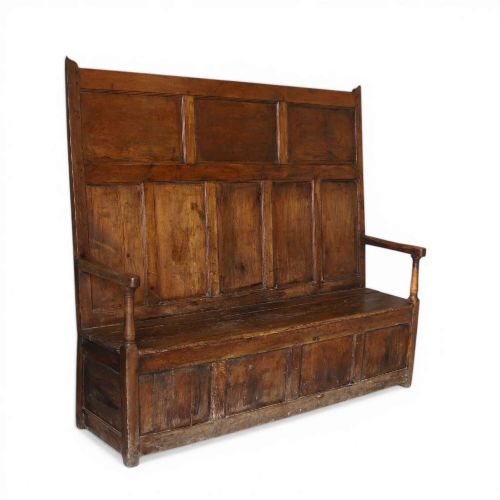
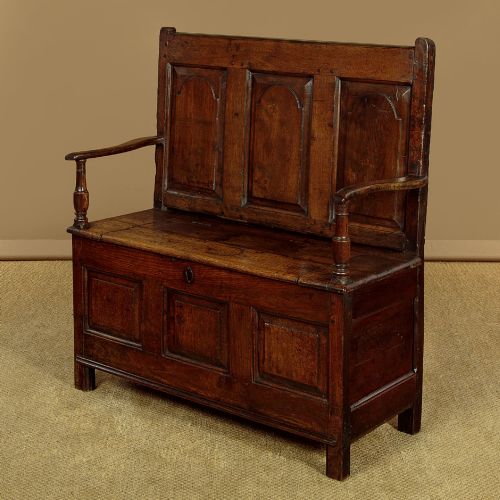
When you examine a dark brown monks bench, you observe dual-function furniture originating from centuries of domestic design. These pieces often overlap in form with settles, hall benches, and hall seats.
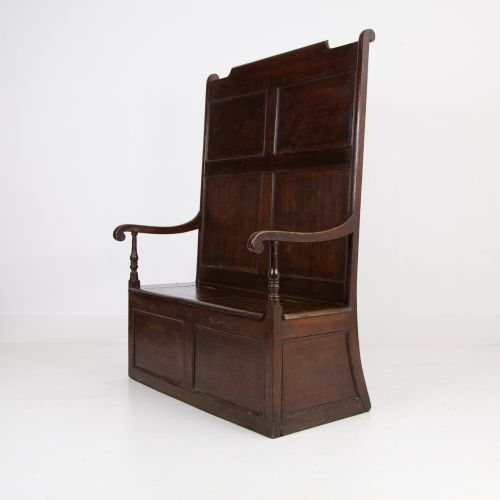
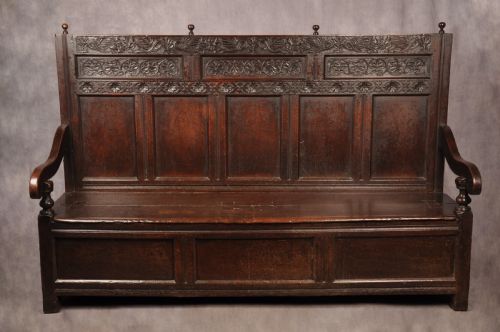
The versions most common on this page date from the Victorian era and the seventeenth through nineteenth centuries. They appear in compact small formats or larger high-back configurations.
Regional variations span English, Welsh, Scottish, and continental European workshops. Makers constructed them primarily for hallways, reception rooms, and communal living spaces.
Materials and construction methods
Carpenters relied heavily on solid oak, supplemented by elm, ash, and pine. Many surfaces display deep dark patination developed over centuries of use and application of wax or oil.
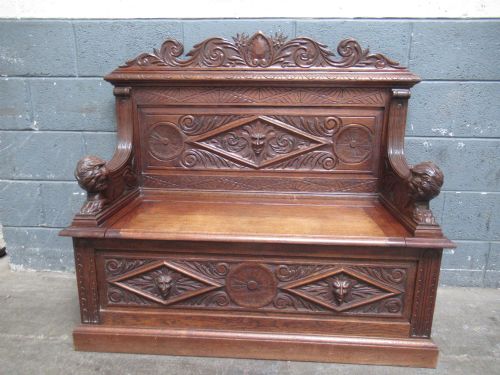
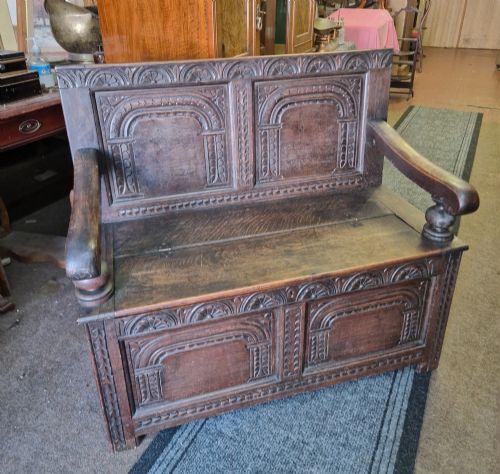
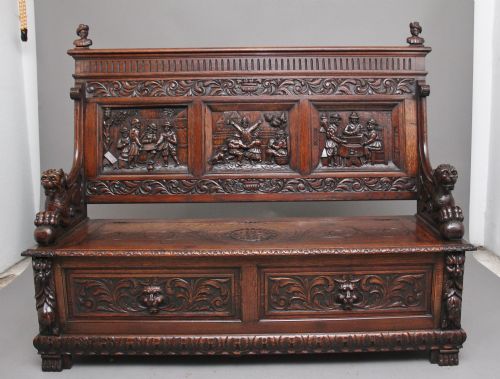
Joinery techniques include pegged mortise and tenon joints, panelled construction, and integrated box storage beneath the seat. Carved ornamentation, when present, incorporates strapwork, panels, and regional motifs.
Carpenters cleverly designed these folding tops so villagers could dine on their own hallway seating after the fire died down.
Distinguishing quality and integrity
Superior examples exhibit thick timber scantlings, crisp hand-cut joinery, and minimal structural alteration. Original hinges, catches, and fixings separate well-preserved historical specimens from heavily restored items.
Carving depth and execution dictate the refinement of the piece. Crisp, deeply chiselled relief work on panel backs contrasts with later, more mechanical embellishments.
The Dark Brown Monks Bench Glossary
- Settle
- A wooden bench with a high back and solid arms, often featuring a box compartment beneath the seat for storage. This form provides draught protection in older dwellings.
- Box settle
- A specific settle variant incorporating an enclosed compartment under the hinged seat. It served as a dry chest for household blankets and provisions.
- Panel-back
- A construction method where wooden frames hold thinner floating panels to prevent splitting as timber expands and contracts. This style dominates seventeenth and eighteenth-century seating.
- Vernacular
- Furniture built by local rural joiners using regional traditions rather than urban pattern books. These pieces reflect domestic utility over academic style.
Dark Brown Monks Bench: Frequently Asked Questions
How do I use a monks bench today?
A monks bench functions practically in an entrance hall as a seating option combined with concealed storage for everyday items. The hinged top converts the backrest into a flat surface when needed.
Position the bench against a solid wall to support the high backrest securely. Ensure adequate clearance around the piece if you intend to utilise the table top transformation regularly.
How do I care for antique oak furniture?
Maintain the timber by applying a microcrystalline wax polish sparingly to nourish the surface and protect the dark brown finish. Avoid placing the bench near direct heat sources or strong sunlight to prevent wood shrinkage.
Dust regularly with a dry, soft cloth rather than damp cloths. Proper humidity control in the room preserves the stability of historical joinery and pegged joints.
How can I tell the age of these benches?
Examine the tool marks, timber shrinkage patterns, and assembly methods visible on the underside and interior of the piece. Hand-sawn boards and pegged tenons indicate older seventeenth and eighteenth-century construction.
Compare the style of the carved panels and mouldings against documented regional furniture types. Later revival pieces from the Victorian era often utilise machine-sawn components and different fastener types.