
Dark Brown Mirror
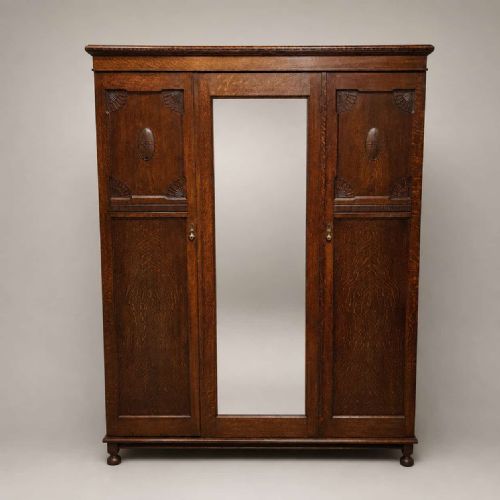
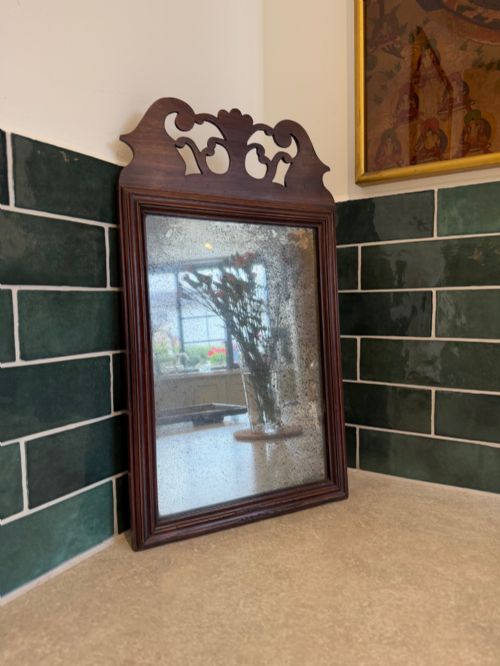
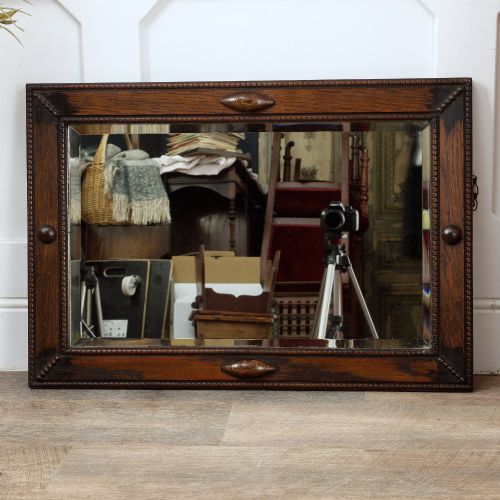
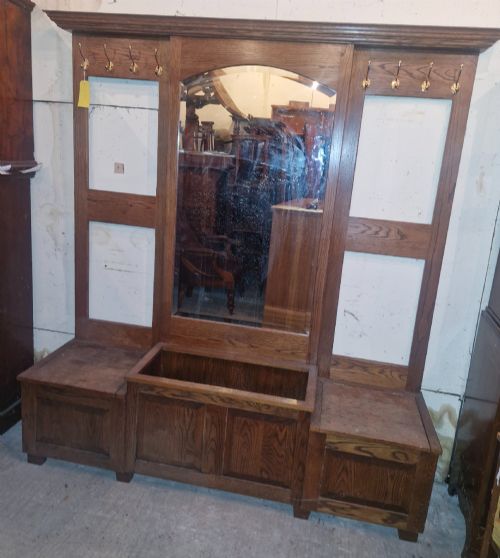
A dark brown mirror brings warmth and depth to a room, offering rich timber frames that anchor traditional and period interiors alike.
Dark Brown Mirror
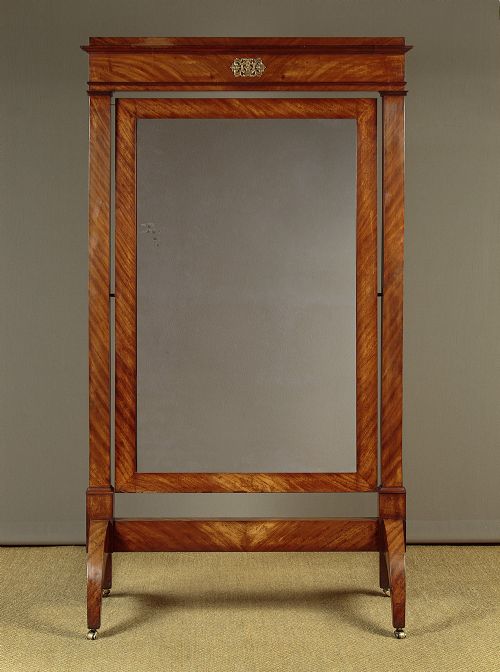
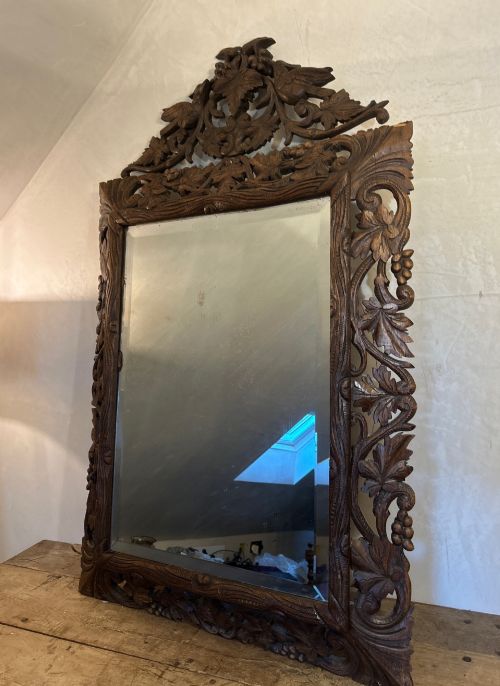
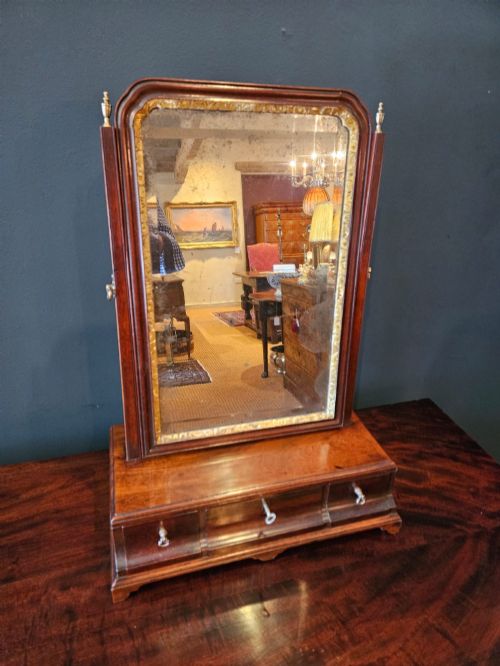
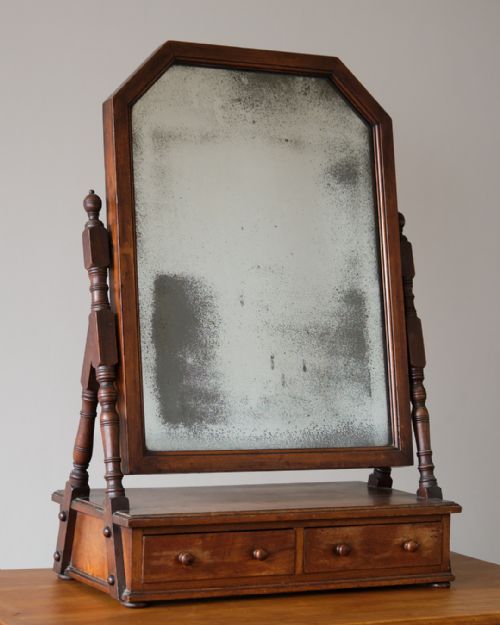
When searching for a dark brown mirror, you encounter pieces spanning from the 18th century through to the early 20th century, encompassing Georgian, Victorian, and Edwardian periods. These pieces include wall mirrors, cheval mirrors, and dressing table mirrors framed in dense woods.
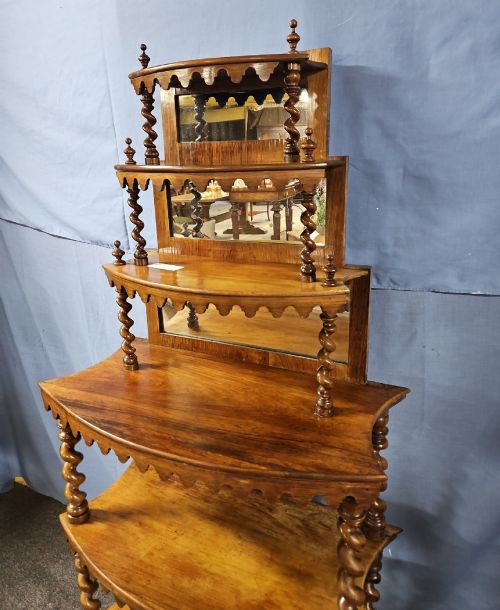
Mahogany and oak dominate the selections available, alongside walnut and rosewood. The forms range from simple rectangular wall hangings to sophisticated adjustable toilet mirrors and large cheval glasses.
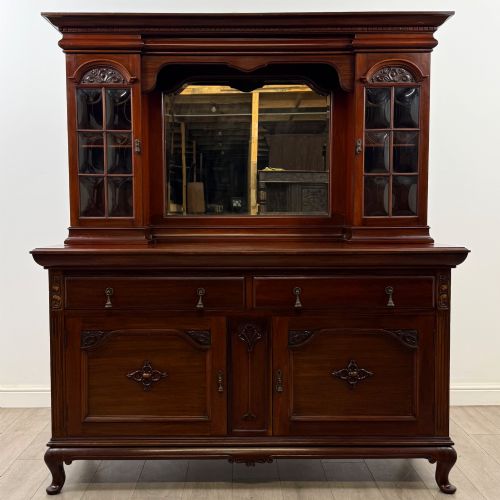
The assortment reflects diverse stylistic influences, from plain provincial joinery to ornate carvings associated with French Renaissance Revival and Arts and Crafts movements.
Materials and construction
Craftsmen utilised solid timbers such as mahogany, oak, and walnut, often selecting rich grains that provided the characteristic deep brown hue. Frames frequently incorporated traditional joinery techniques, utilising mortise and tenon joints for stability.
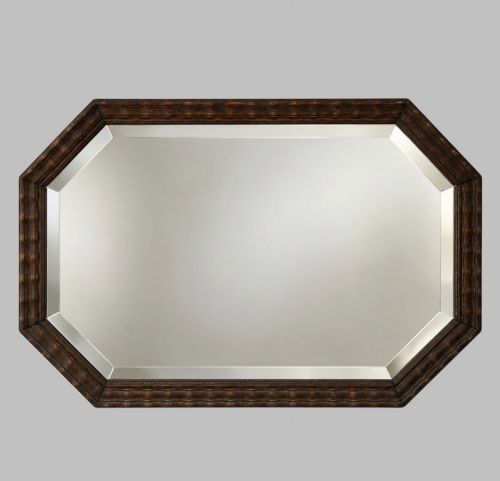
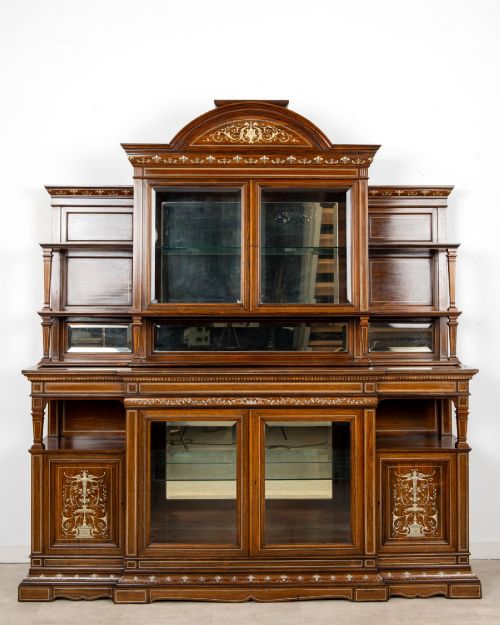
Surface treatments involved polishing and waxing to enhance the natural grain of the wood, while some specialised examples integrated intricate bone and mother of pearl inlay or brass mounts. Mirror glass was set within rebated frames, sometimes featuring bevelled edges produced by hand grinding.
Factors determining quality
The calibre of a piece rests largely on the selection of timber and the precision of the cabinetmaker's work. Superior examples display carefully matched wood veneers or evenly figured solid grain, with crisp, hand-carved detailing rather than cast composition ornament.
Proportion and structural integrity dictate the standing of a mirror within its period. High-grade items retain their original mirror glass, backing boards, and working brass adjustment hardware where applicable.
Waring & Gillow·Collinson & Lock·Heal & Sons·P & MA Nicholson
The Dark Brown Mirror Glossary
- Cheval mirror
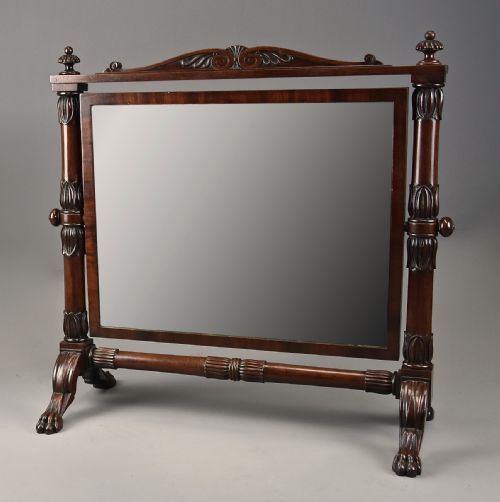
- A freestanding full-length mirror suspended on a vertical frame with pivots, allowing the glass to tilt. This form became popular for dressing rooms during the Georgian and Victorian periods.
- Toilet mirror
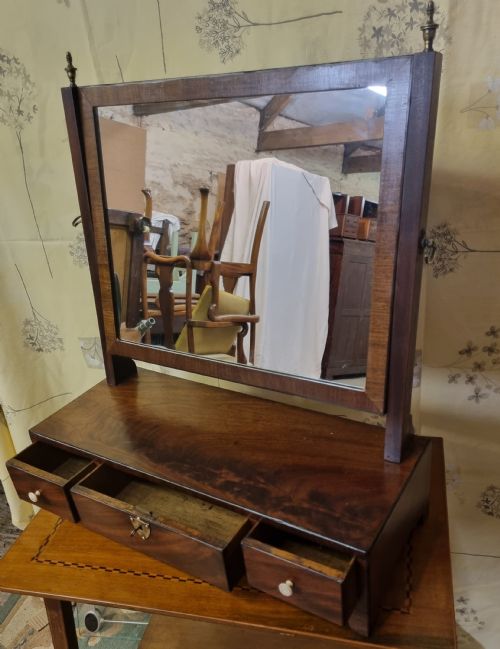
- A smaller mirror designed to sit atop a dressing table, chest, or commode. These often incorporate small drawers within the base structure.
- Fret mirror
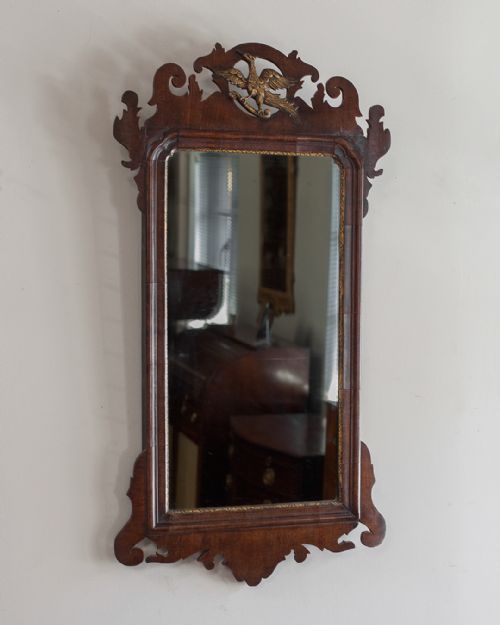
- A wall mirror featuring a frame with intricate fretwork or pierced designs, characteristic of 18th-century cabinet making. The outline is typically cut with a fretsaw.
- Bevelled edge
- A sloping edge cut around the perimeter of the mirror glass to catch the light. This technique adds depth and refinement to the reflective surface.
- Overmantle mirror
- A large mirror specifically proportioned to hang above a fireplace mantelpiece. They frequently feature architectural framing to anchor the central hearth of a room.
Dark Brown Mirror: Frequently Asked Questions
Where should a cheval mirror be placed?
A cheval mirror requires adequate floor space and clearance to allow the pivoting frame to tilt safely without striking surrounding furniture. Bedrooms and dressing areas suit them best, positioned near natural light sources.
Because these freestanding glasses are heavy and tall, ensure they stand on level flooring to maintain stability and prevent strain on the side pivots.
How do I identify a Georgian toilet mirror?
Georgian toilet mirrors typically feature box bases containing small drawers supported by bracket feet. The upright arms hold a swinging mirror plate usually framed in mahogany or walnut.
Examine the construction of the drawers and the timber backing boards for hand-cut dovetails and general signs of period joinery methods.
What is an overmantle mirror used for?
Overmantle mirrors serve to reflect light and fill the architectural wall space directly above a fireplace mantelpiece. They function as a visual focal point in reception rooms.
Due to their substantial size, these mirrors require secure wall fixings anchored directly into masonry or proper wall studs to bear the weight safely.
How do I care for antique wood frames?
Maintain antique timber frames by dusting regularly with a soft, dry cloth and applying traditional beeswax sparingly to nourish the wood. Avoid placing them near direct heat sources or in damp environments.
Keep moisture away from both the wood and the mirror plate edges to prevent silvering deterioration and water spotting on the finish.