




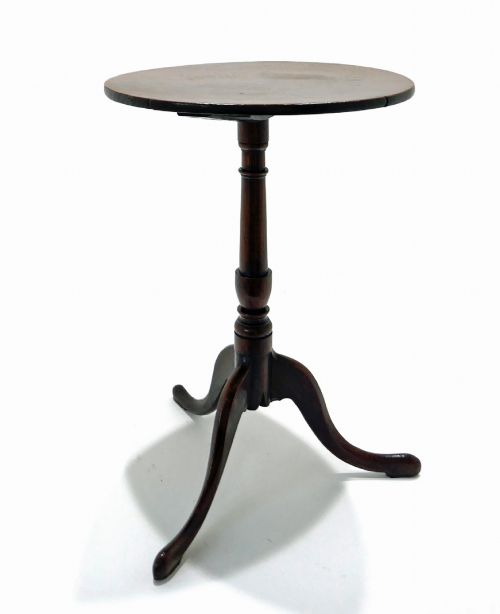
Dark Brown Column Stand
A dark brown column stand provides a sturdy vertical stage for display, bringing sculptural form and architectural dignity to any interior.
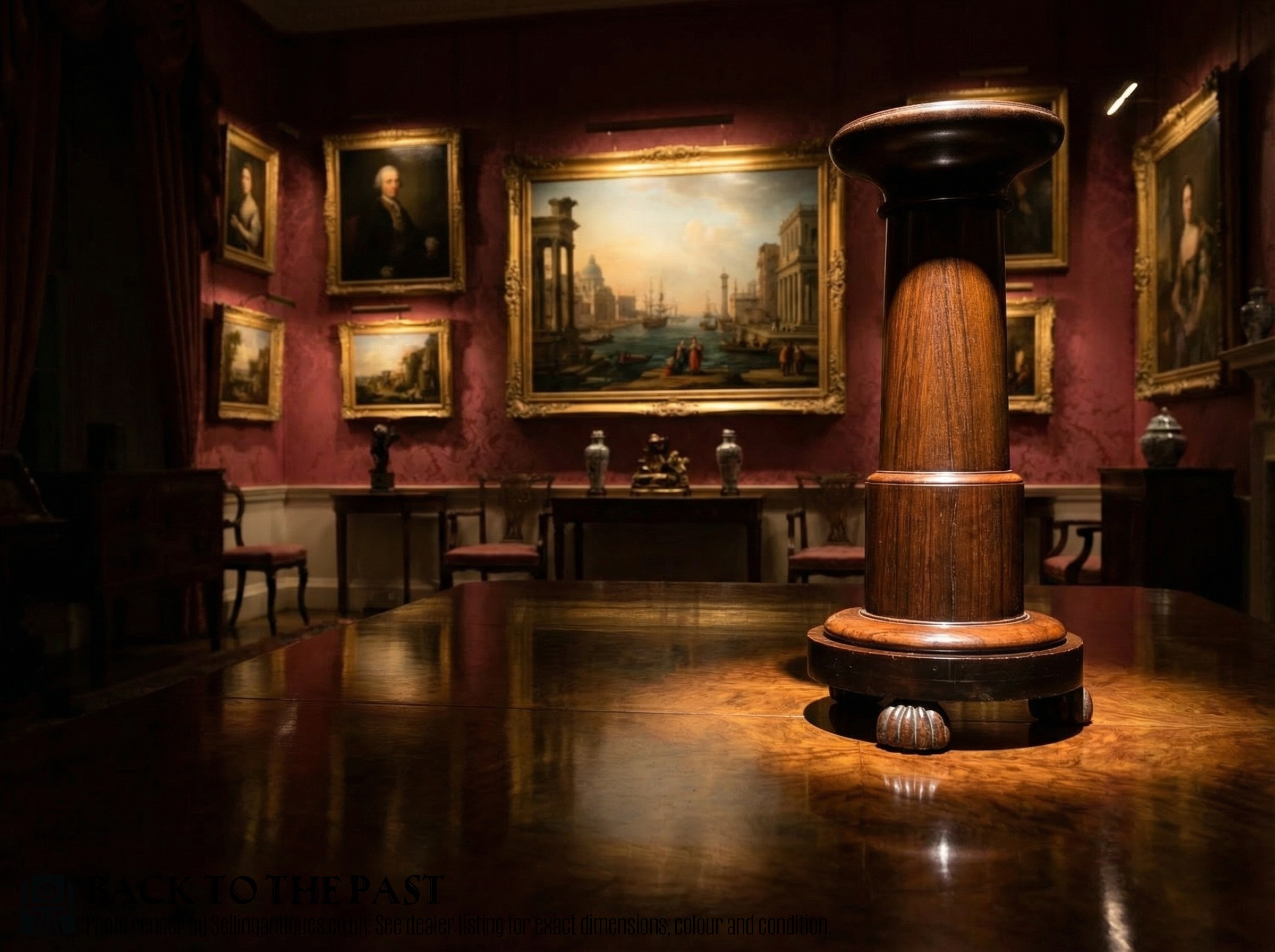
Dark Brown Column Stand
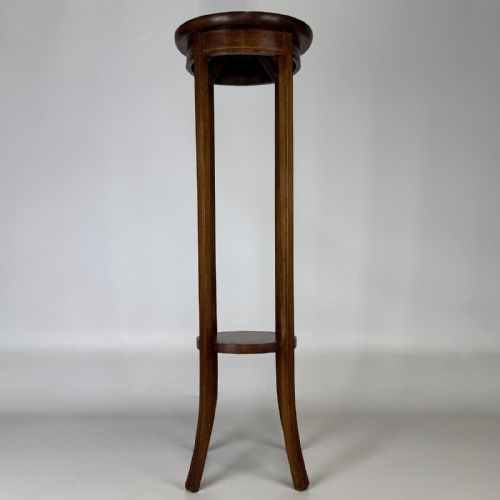
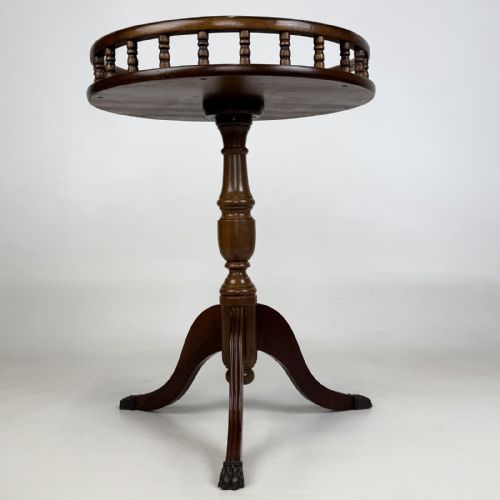
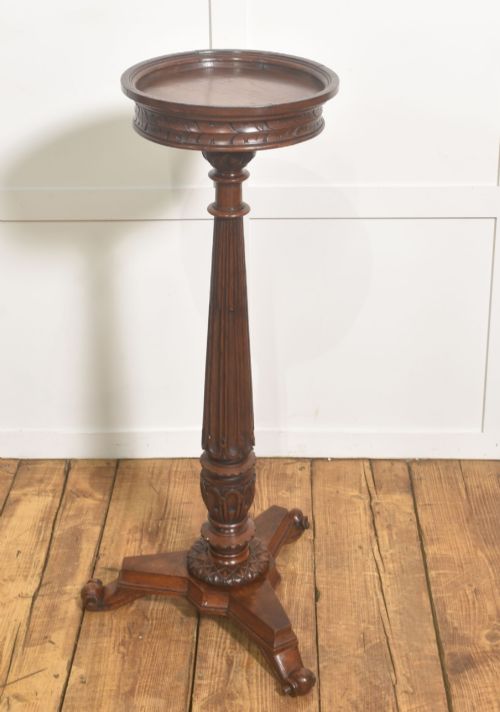
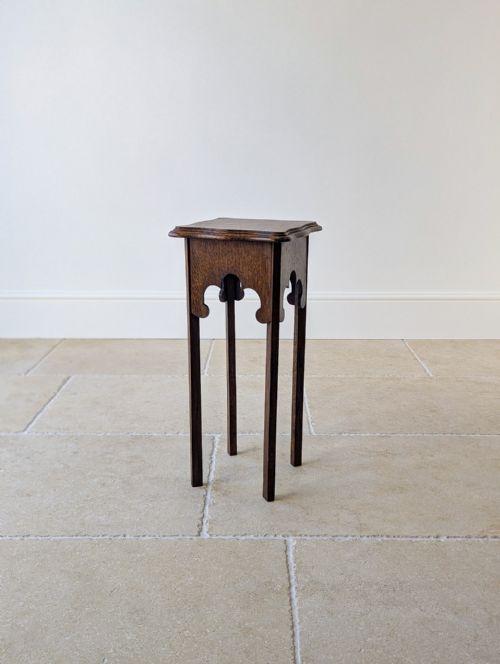
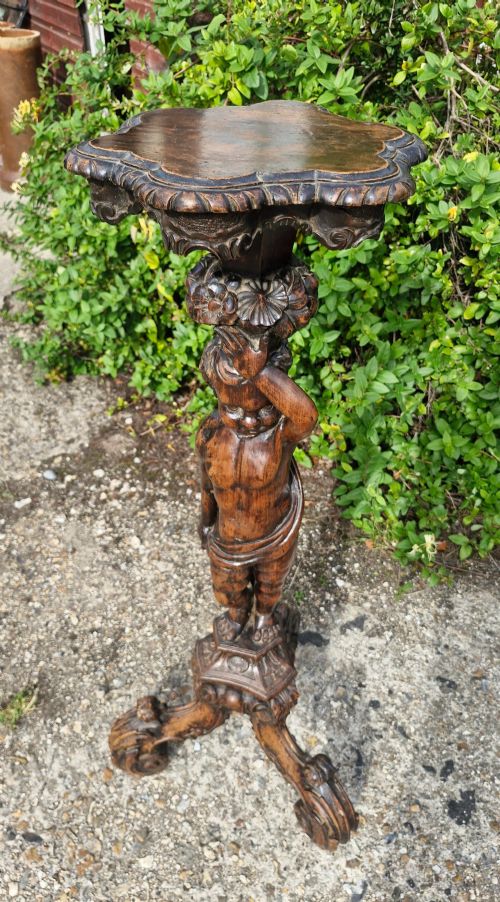
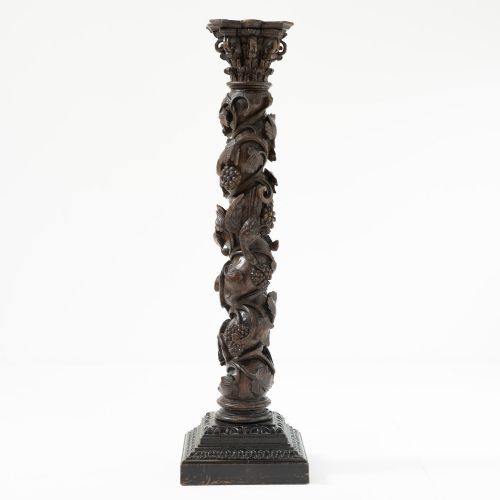
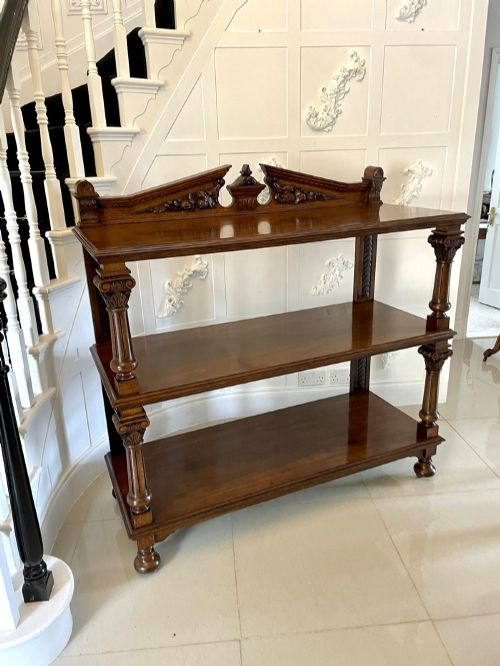
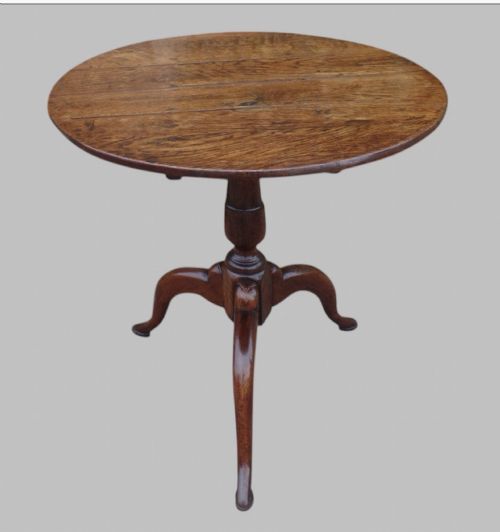
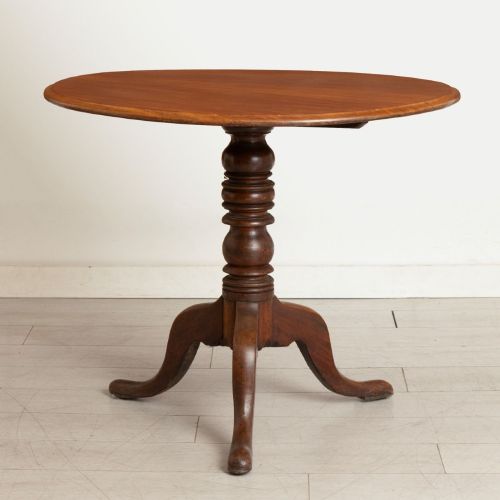
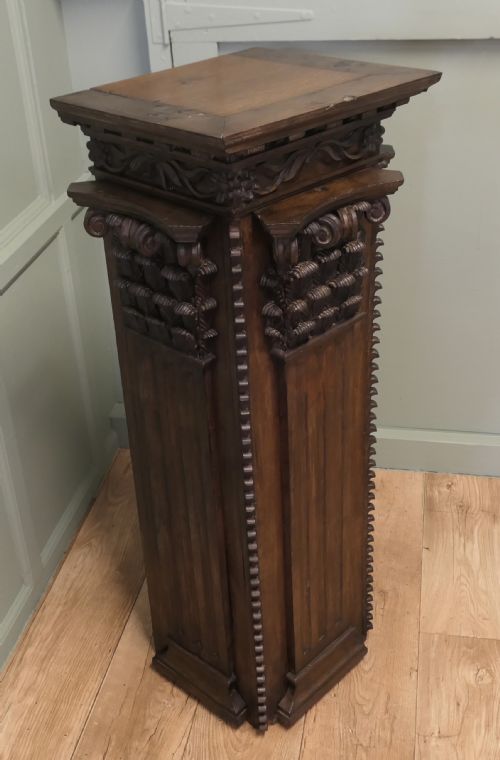
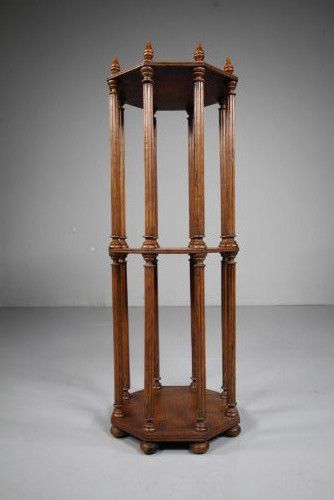
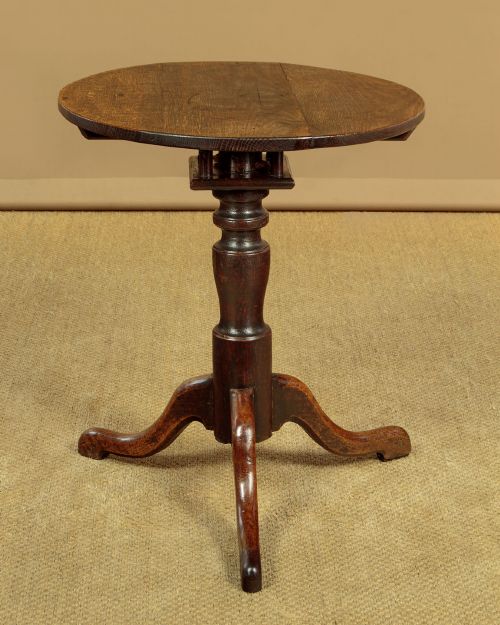
A dark brown column stand encompasses various elevated supports designed for display, including plant stands, torchieres, pedestals, and tripod tables. When searching for a dark brown column stand, buyers encounter pieces primarily shaped from rich timbers like oak, mahogany, and walnut.
The selection ranges from 18th-century country oak examples to elaborate Victorian torchieres and Edwardian plant stands. Forms vary from slender turned shafts and barley twists to heavily carved solomonic columns and architectural pedestals.
These items serve practical purposes as surfaces for sculpture, urns, or lighting, while operating as standalone decorative furniture. The enduring popularity of these dark wood supports stems from their versatility in domestic settings.
Materials and Construction
Cabinet makers utilised dense hardwoods such as mahogany, oak, and walnut to ensure stability for tall, narrow supports. Timber selection dictated the weight and bearing capacity of each column.
Construction involved turning on lathes for symmetrical shafts alongside hand-carving for figural or botanical motifs. Joinery typically joined circular or square tops to central columns supported by tripod feet or heavy square bases.
Dark Brown Column Stand Retail Price Guide 2026
Typical asking prices for dark brown column stand among the pieces listed under this phrase on Sellingantiques today, from the lower quarter to the upper quarter. They describe what is for sale here now, not the wider market.
Factors of Quality
Quality rests upon the crispness of hand-carving and the proportional balance between the narrow column and its base. Superior examples exhibit tightly grained timber and seamless joinery that resists wobbling.
The distinction between standard utility items and exceptional pieces lies in decorative ambition, such as figured mahogany veneer, intricate barley twist turnings, or figural caryatid supports.
The Dark Brown Column Stand Glossary
- Torchere
- A tall ornamental stand designed specifically to hold a light, candle, or small sculpture. These slender supports often feature elaborate carving along the shaft.
- Tripod table
- A small occasional table supported by a central pillar resting on three legs. This construction prevents rocking on uneven historical floors.
- Solomonic
- A helical or spiral twist column resembling a twisted rope. This classical motif appears frequently on 18th-century stands.
- Caryatid
- A sculpted female figure serving as an architectural support in place of a column. They lend a classical sculptural element to pedestals.
- Jardiniere stand
- A tall piece of furniture built to hold a plant pot or flower arrangement. These stands protect domestic surfaces while elevating greenery.
Dark Brown Column Stand: Frequently Asked Questions
What is a dark brown column stand used for?
These tall supports hold items like bronze sculptures, ceramic urns, lamps, and potted plants to elevate them into the line of sight.
They function as independent decorative statements in hallways, living rooms, and corners where traditional furniture does not fit.
How do I care for antique wood stands?
Keep wooden stands away from direct heat sources and strong sunlight to prevent the timber from drying out or splitting.
Apply a traditional beeswax polish occasionally to nourish the surface and maintain the deep brown lustre of the grain.
Are these stands stable enough for heavy items?
Most column stands utilise weighted tripod bases or heavy square plinths to counterbalance items placed on top.
Heavier marble or bronze objects require stands with wide supportive feet to ensure complete safety against tipping.
How do I date an antique column stand?
Dating relies upon examining the timber species, tool marks from manufacture, and stylistic cues from periods like Georgian or Victorian.
Secondary woods used underneath or inside the construction often reveal the true manufacturing era of the piece.