



Dark Brown Carpet
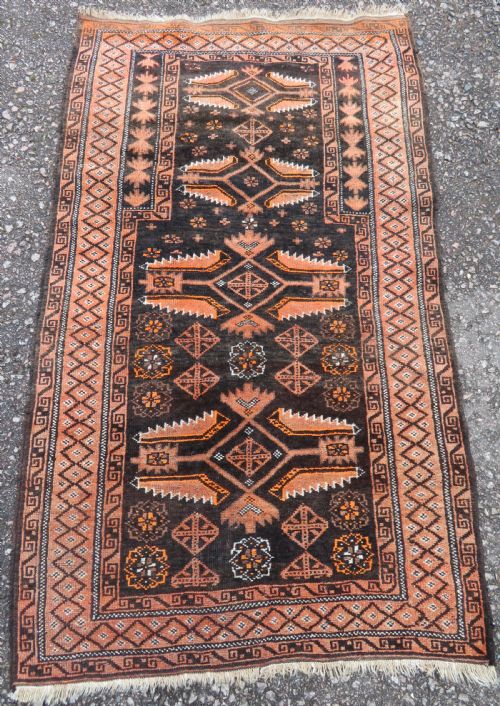
A dark brown carpet brings deep, grounded character to a room through traditional tribal weaving and rich vegetable dyes.
Dark Brown Carpet
Buyers seeking a dark brown carpet generally encounter antique tribal and nomadic floor coverings originating from Persia, Afghanistan, and the Caucasus. These pieces span from the late nineteenth century into the early decades of the twentieth century, reflecting distinct regional weaving traditions.
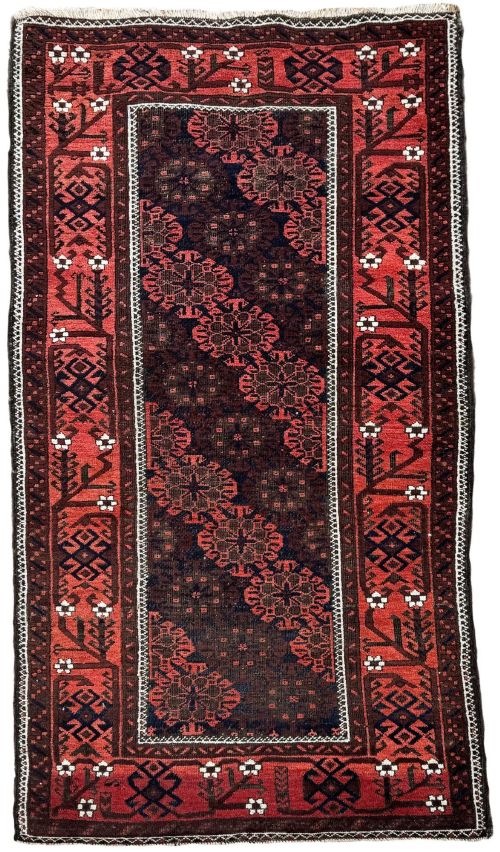
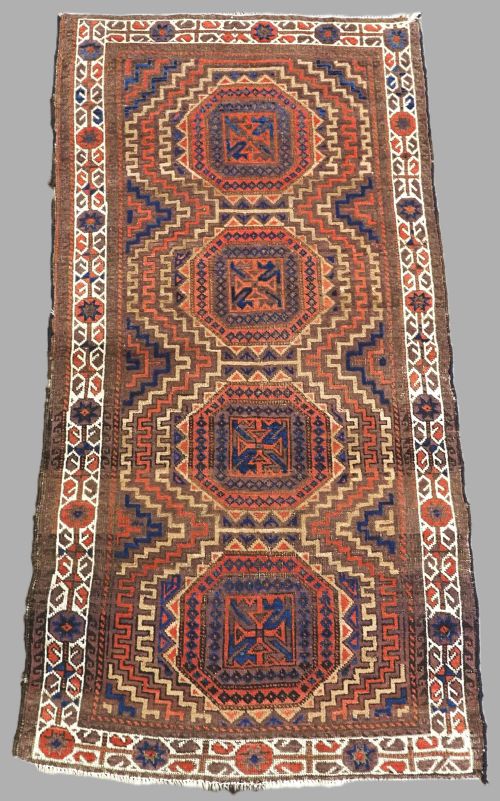
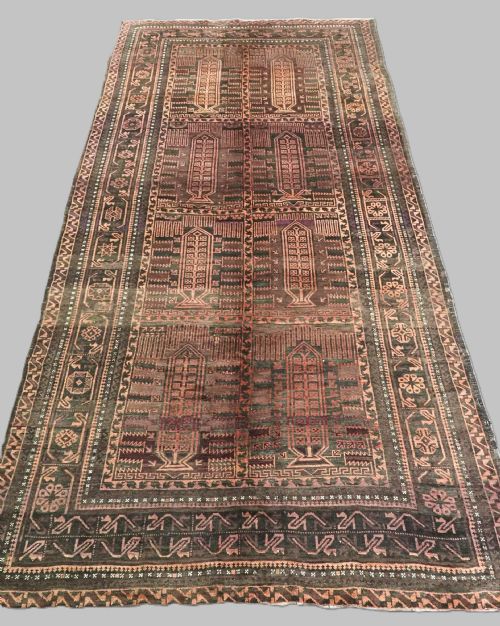
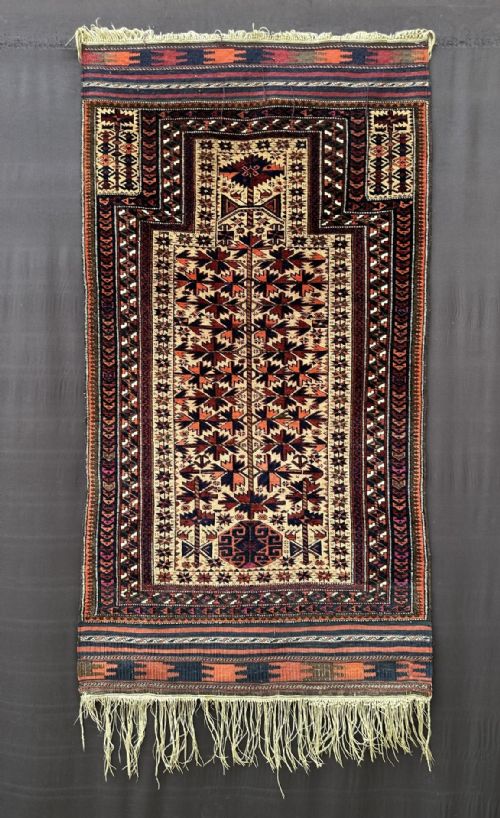
The inventory on this page primarily consists of wool rugs, runners, and kilims rather than fitted wall-to-wall carpeting. Common forms include prayer rugs, long hallway runners, and main carpets created by tribal groups such as the Baluch, Timuri, and Kurdish weavers.
The dark brown palette emerges naturally from the sheep's wool used or from deep natural dye baths applied by nomadic artisans. These floor coverings offer historical depth and enduring textile artistry suited to traditional and contemporary spaces alike.
Materials and construction
These textiles rely predominantly on hand-spun wool for both the pile and the foundational warps and wefts, occasionally incorporating cotton details. Artisans utilised natural dyes derived from plants and minerals to achieve the characteristic deep brown and earthy tones seen across the period.
Nomadic and village weavers knotted or flat-wove these pieces on portable looms, resulting in durable structures designed for practical daily use. The interplay of hand-spun fibres and reactive natural colourants gives the surface texture its characteristic variation over time.
Dark Brown Carpet Retail Price Guide 2026
Typical asking prices for dark brown carpet among the pieces listed under this phrase on Sellingantiques today, from the lower quarter to the upper quarter. They describe what is for sale here now, not the wider market.
Listings feature traditional formats from the nineteenth and early twentieth centuries, constructed from hand-spun wool and natural dyes.
Assessing quality and execution
Quality in these woven pieces depends on the tightness of the knotting, the suppleness of the wool, and the clarity of the tribal design motifs. Finer examples display precise geometric or floral patterns with well-balanced borders and harmonious colour saturations.
The integrity of the foundation and the preservation of the original selvedges and ends dictate the durability of the textile. Superior pieces maintain crisp drawing within the motifs and even wear across the wool surface, demonstrating skilled regional craftsmanship.
The Dark Brown Carpet Glossary
- Gul
- A medallion or repeated octagonal motif frequently found in Turkmen and Baluch tribal carpets. These design elements often identify the specific weaving tribe or clan.
- Kilim
- A flat-woven carpet or rug produced without a pile. These textiles are created by tightly interweaving warp and weft strands to form geometric patterns.
- Prayer rug
- A small rug featuring a mihrab or niche design used historically for individual prayer. The niche points toward Mecca during ritual use.
- Runner
- A long, narrow carpet designed specifically for hallways, corridors, or staircases. These pieces balance linear dimensions with decorative tribal field designs.
- Warp
- The vertical threads stretched tightly on a loom before weaving begins. The pile knots are tied around these foundational strands to form the rug structure.
Dark Brown Carpet: Frequently Asked Questions
How do I clean an antique rug?
Gentle surface brushing and professional dusting are recommended to preserve the fragile hand-spun wool and natural dyes of older textiles. Avoid harsh chemical cleaners and excessive water immersion.
For thorough maintenance, consult a specialist experienced in handling antique tribal carpets rather than standard domestic carpet cleaning services.
Are these carpets suitable for heavy traffic?
Most nineteenth and early twentieth-century tribal rugs were constructed for everyday utility on hard floors. Using a quality underlay helps absorb foot pressure and prevents slipping.
Heavily used hallways benefit from durable wool runners, provided they are rotated occasionally to ensure even wear across the pile.
How do I identify a tribal design?
Tribal designs typically feature repeating geometric motifs, latch hooks, and stylised floral elements rather than court-atelier curves. Characteristic patterns reflect the visual traditions of specific pastoral groups.
Examining the border structures and structural materials helps narrow down the probable regional origin and weaving community.
What is a main carpet?
A main carpet refers to large-format floor coverings produced by nomadic or village tribes for principal domestic use within a tent or dwelling. These pieces generally measure significantly larger than standard prayer rugs or scatter formats.
They often incorporate elaborate repeating field patterns and wide, protective border guards.