
Dark Brown Box
A dark brown box brings centuries of timber and utility into a room, offering robust storage shaped by hand.
Dark Brown Box
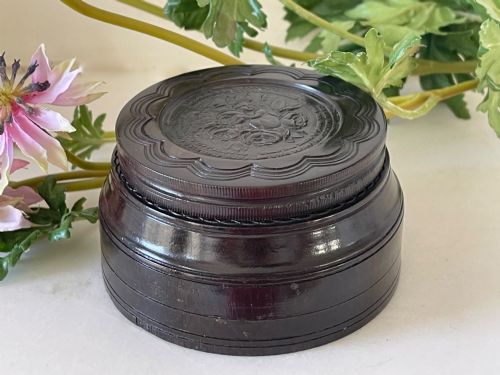
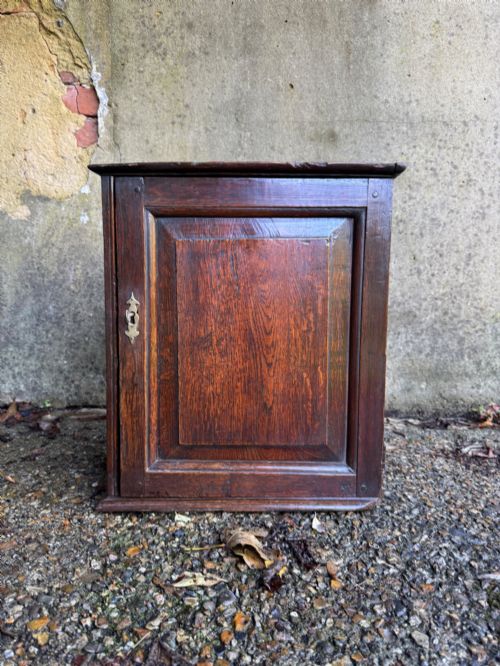
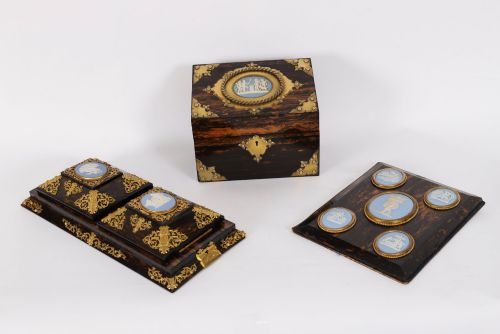
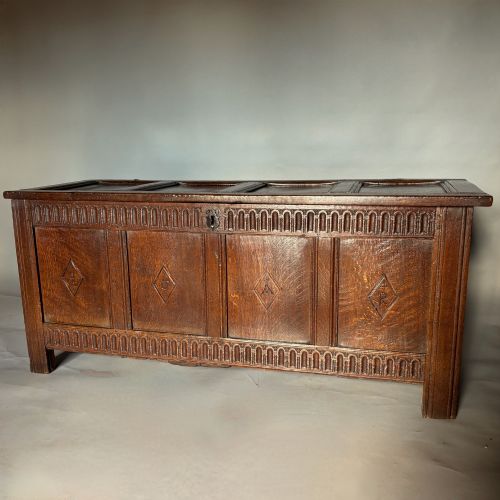
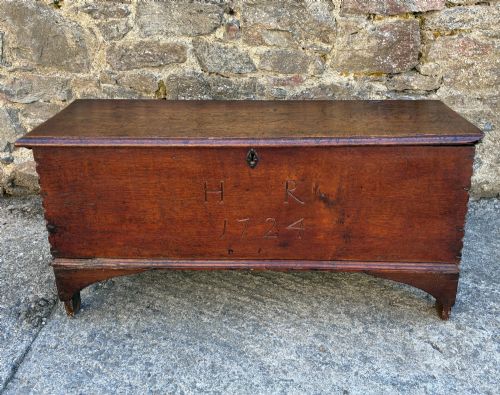
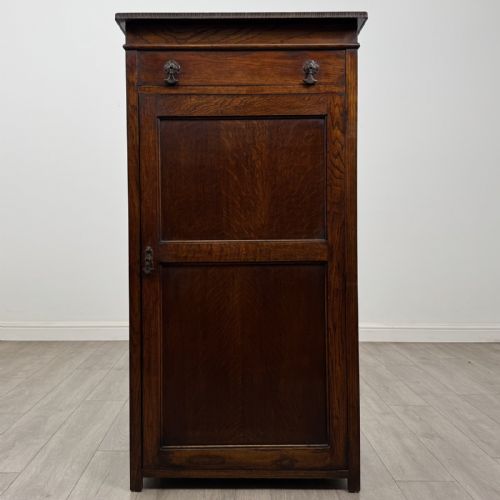
A dark brown box encompasses a wide range of antique vessels, from small wall-hanging candle boxes and document cases to substantial oak coffers and leather-bound trunks. These pieces span from the 16th century through the Georgian era and into the 1930s, reflecting centuries of domestic storage needs.
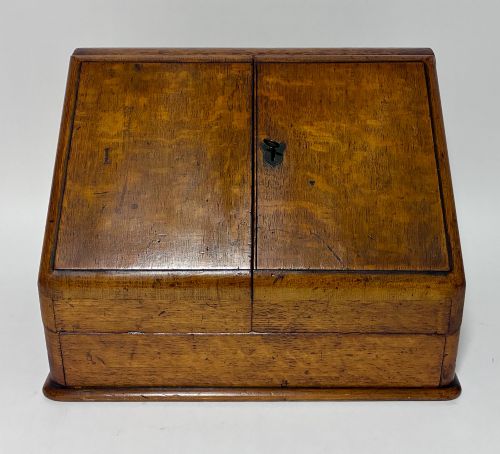
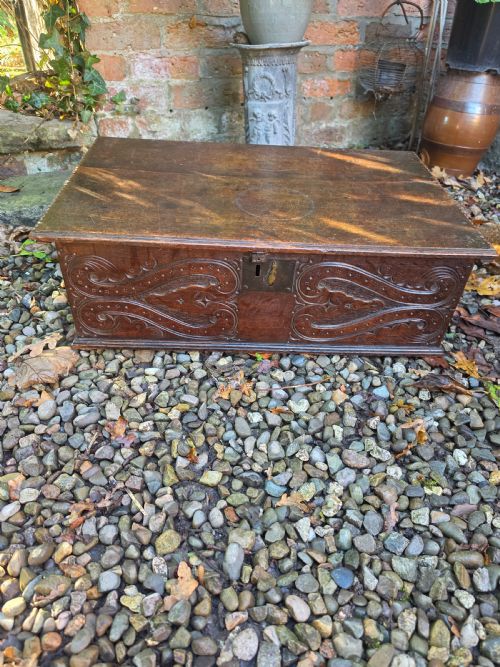
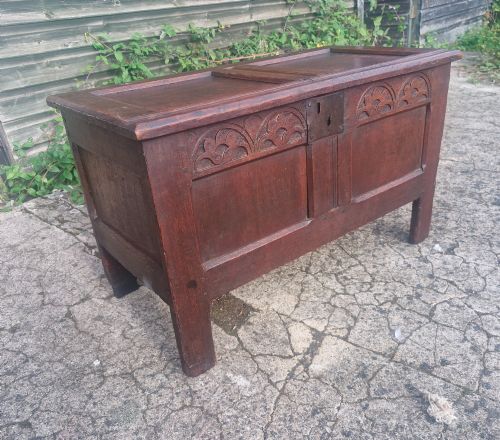
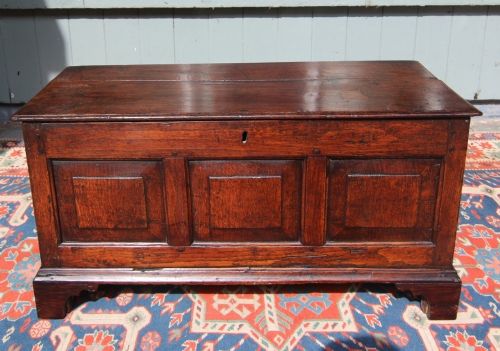
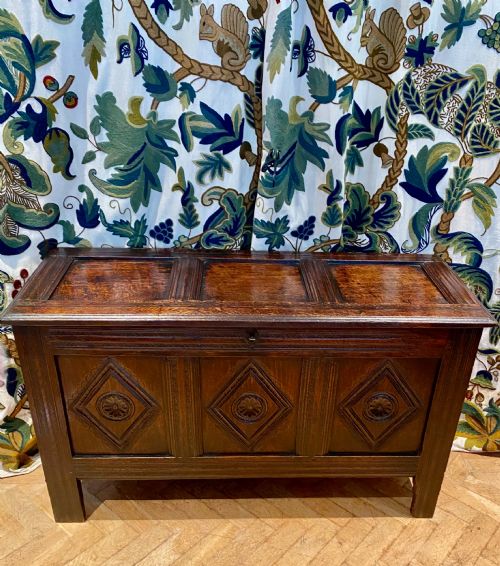
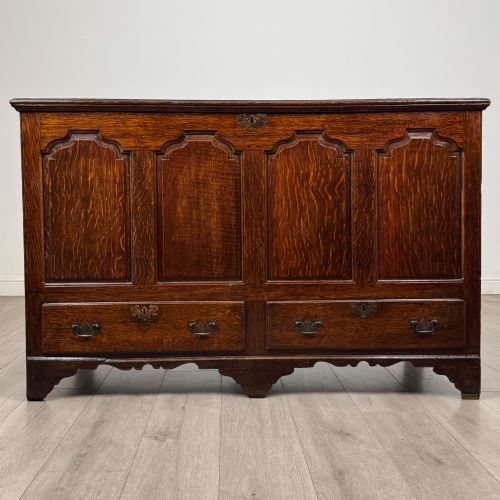
The most common examples encountered in this selection are solid oak coffers and storage chests originating from the 17th and 18th centuries. Alongside these utilitarian chests, smaller tabletop writing slopes, spice cupboards, and treen snuff boxes appear frequently.
Regional styles vary from English and Welsh vernacular pieces to Flemish and Dutch imports. Makers utilised local timbers and traditional joinery to produce objects that served practical functions in domestic interiors.
Materials and construction
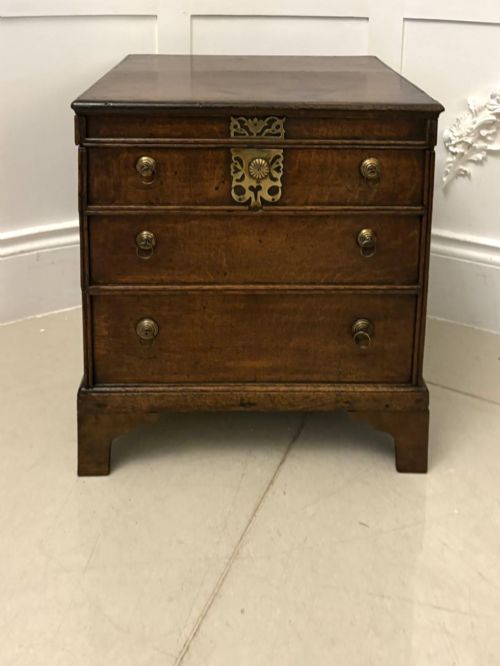
Oak dominates the construction of these pieces, alongside elm, ash, and mahogany. Carpenters employed heavy planks, panelled frames, and pegged joints to build robust storage vessels designed to withstand daily use over centuries.
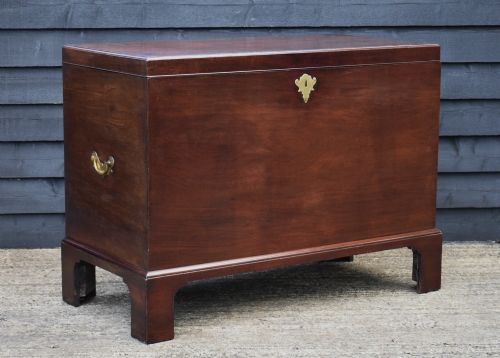
Metal and leather frequently supplement the timber work. Iron hinges, brass handles, and studded leather coverings provide reinforcement and decoration on trunks, coffers, and dome-top chests.
Surface finishing relies on natural wax and centuries of ageing rather than heavy pigments, resulting in deep patinas across the wood and metal components.
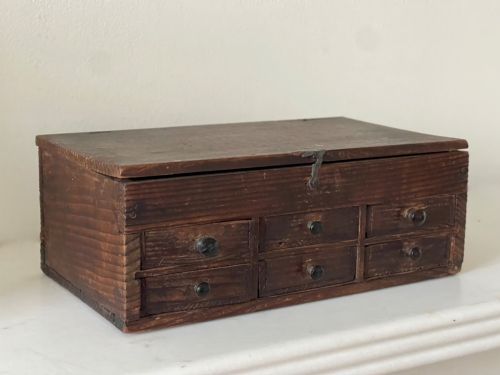
Some miniature 17th century coffers were built by apprentices to demonstrate their mastery of joinery before joining the guild.
Assessing quality and craftsmanship
The degree of hand-carving and structural integrity distinguishes finer examples from simpler vernacular pieces. Crisp relief carving on panels and drawers indicates a higher level of workshop skill.
The depth of the natural patina and the survival of original hardware, such as hinges, locks, and metal binding, heavily influence the integrity of the piece. Replacements or extensive timber repairs alter the physical character of the box.
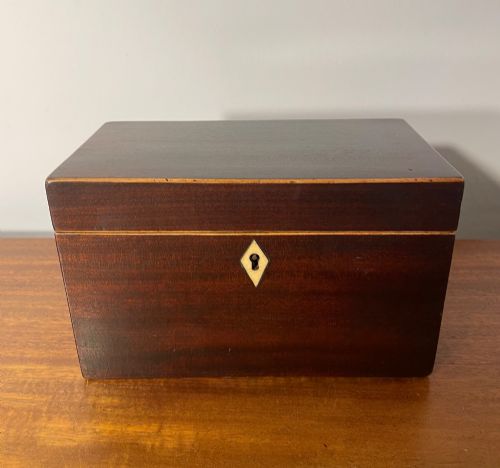
Proportions and scale also dictate quality, with smaller document boxes and miniature coffers holding particular appeal for their compact utility.
Samuel Pratt
The Dark Brown Box Glossary
- Coffer
- A large wooden chest traditionally used for storing valuables, linen, or documents. These sturdy vessels often feature panelled construction and hinged lids.
- Treen
- Small handmade wooden household objects carved from timber. This category includes utilitarian items like mortar and pestles as well as small personal boxes.
- Writing slope
- A portable desktop box with a slanted hinged lid designed to provide a flat surface for correspondence. Interiors often incorporate compartments for ink and pens.
- Spice cupboard
- A small wall-mounted or tabletop cabinet fitted with internal drawers for storing culinary herbs and spices. These compact pieces frequently date from the 17th and 18th centuries.
- Box settle
- A high-backed wooden bench incorporating a concealed storage compartment beneath the seat. Elm and oak were common materials for this dual-purpose furniture.
Dark Brown Box: Frequently Asked Questions
What was a dark brown box used for?
These boxes and chests served practical storage roles in historic households, holding documents, candles, salt, textiles, and valuables. Smaller items like snuff boxes and writing slopes catered to personal daily habits.
Larger coffers and Trunks secured bulk goods and domestic supplies, acting as both furniture and secure storage before fitted closets became common.
How do I date a dark brown box?
Dating relies on timber species, construction methods, and hardware styles. Pieces from the 17th century often display hand-split oak panels and pegged joinery, while Georgian items frequently utilise mahogany and refined dovetails.
Later Victorian and 1930s revivals mimic earlier forms but generally show machine-cut elements or different interior lining materials.
Where should I place a dark brown box in my home?
Smaller boxes suit tabletops, sideboards, or wall-mounted displays where their grain and hardware are visible. Wall-hanging candle boxes function well in hallways or kitchens.
Larger coffers and trunks work effectively at the foot of a bed or as living room coffee tables, providing concealed storage alongside display space.
How do I maintain the wood on an antique box?
Maintenance requires keeping the timber away from direct heat sources and drastic humidity changes to prevent splitting. Applying a light coat of natural beeswax periodically helps nourish the dry grain.
Avoid synthetic polishes and modern chemical cleaners, which can strip the historic patina accumulated on the surface over centuries.