


Dark Bronze Maiden
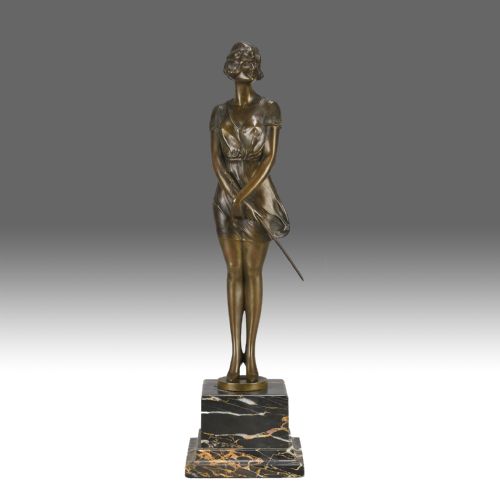
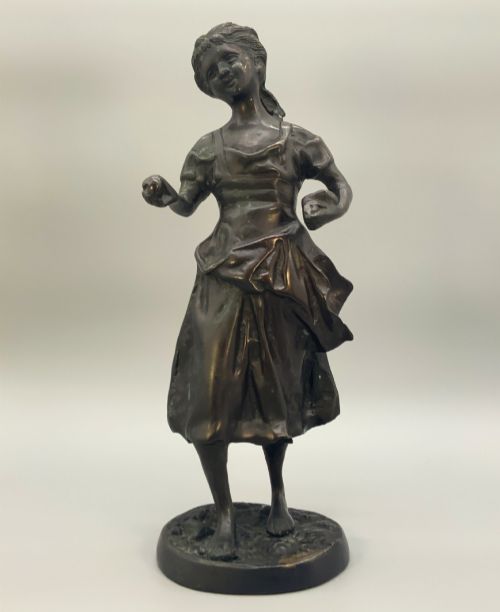
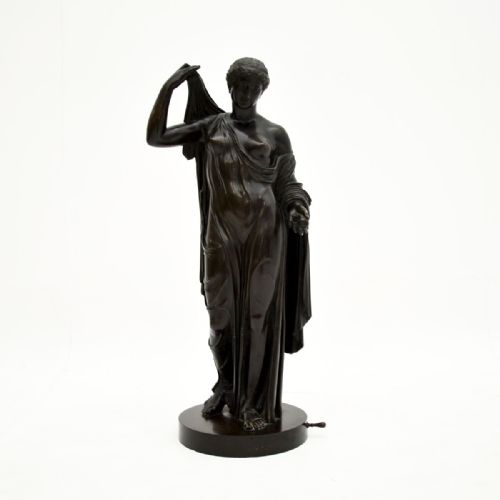
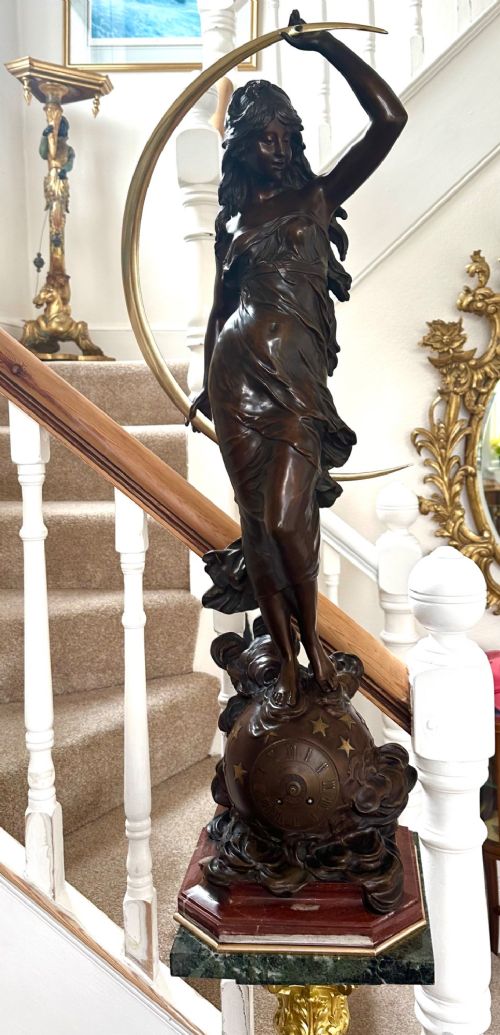
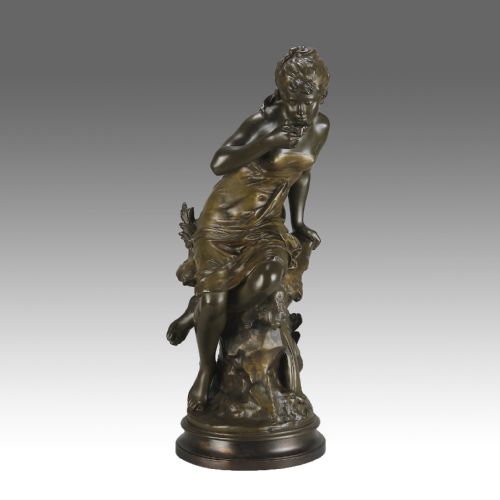
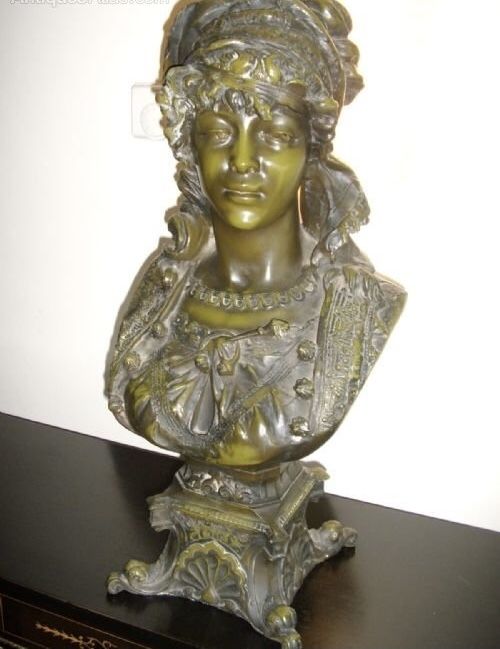
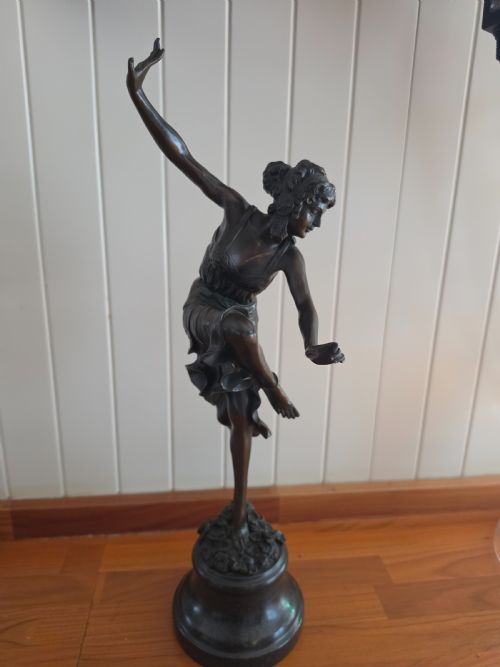
A dark bronze maiden brings classical grace and foundry artistry into a room through figures of robed ladies, dancers, and mythological subjects.
Dark Bronze Maiden
A dark bronze maiden encompasses sculptural works depicting female figures produced across the nineteenth and early twentieth centuries. These pieces appear as freestanding statues, busts, figural vases, and lamp components representing mythological characters, allegorical figures, and dancers.
The objects derive principally from French workshops spanning the Victorian era through the Art Nouveau and Art Deco periods. Figures range from small cabinet bronzes to large exhibition-scale statues.
Makers utilised historical motifs running from Neoclassical drapery to the flowing lines of the twentieth century. Many carry signatures of known founders and sculptors from the period.
Materials and casting methods
Foundries cast these figures in bronze, often employing patinated surfaces to achieve deep brown or dark tones that highlight the modelled contours. Certain examples integrate additional materials such as marble bases, brass mounts, enamel details, or fabric elements in lamp designs.
Listings feature works spanning the nineteenth century through the Art Deco era, utilising bronze, patinated bronze, marble, and brass.
Markers of sculptural excellence
Quality rests upon the crispness of the metal chasing and the depth of the foundry patina. Superior examples retain sharp definition in hands, drapery folds, and facial expressions without smoothing caused by excessive polishing.
Artistic authorship separates standard production pieces from masterworks signed by prominent sculptors. The weight of the metal, stability of the marble or bronze base, and subtlety of the dark patination indicate workshop standards.
Bruno Zach·Moreau Family·Mathurin Moreau·Henry Wissen Senior·C J R Colinet·Villanis·S Kinsburger·Clodion·Claudius Marioton·Charles Korschann·Maurice Bouval·Houdebine·C Neuhaus·Devaulx·Hans Schork·A Gaudez·Henri Ple·Leon Pilet
The Dark Bronze Maiden Glossary
- Patinated bronze
- Bronze treated with chemical solutions to produce a specific surface colour, most commonly dark brown or black in these figures.
- Clock garniture
- A matching set comprising a central clock flanked by decorative side pieces such as vases or urns.
- Grand Tour
- Souvenirs and classical figures acquired by travellers touring European cultural centres during the nineteenth century.
- Lost-wax casting
- A method where a metal copy is cast from an original model by replacing wax with molten bronze.
- Chasing
- The manual finishing of a raw bronze casting using small punches and chisels to sharpen details.
Dark Bronze Maiden: Frequently Asked Questions
How do I clean a dark bronze maiden?
Dust the surface gently with a soft, dry cloth to prevent accumulation in the crevices. Avoid chemical cleaners or abrasives that strip the patinated finish.
Apply a very thin coat of microcrystalline wax if the metal appears dry, buffing it off completely with a clean cloth.
Where should I display these statues?
Place figures on stable surfaces such as sideboards, mantelpieces, or dedicated pedestals away from direct sunlight. Ensure marble or wood bases sit level to protect the structure.
Keep pieces away from high humidity and direct heat sources to preserve the metal patina.
How can I tell the period?
Examine the style of the dress, hair, and base construction for period indicators. Neoclassical and Rococo Revival pieces date to the nineteenth century, while streamlined forms point towards Art Deco.
Signatures, foundry marks, and casting techniques provide further chronological context.
Are these pieces solid bronze?
Most figural sculptures are hollow-cast bronze produced through sand or lost-wax methods to manage weight and cooling. Bases may incorporate solid marble, brass, or wood to provide stability.
Heavier pieces often indicate thicker metal casting or substantial internal weighting.