



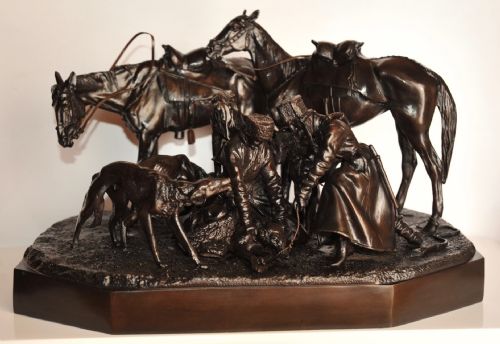


Dark Bronze Hunting Sculpture
These dark bronze hunting sculpture works capture hounds, gundogs and hunting scenes in heavy cast metal from the nineteenth and twentieth centuries.
Dark Bronze Hunting Sculpture
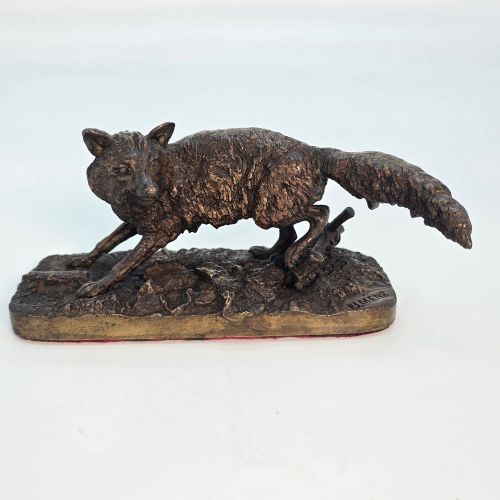
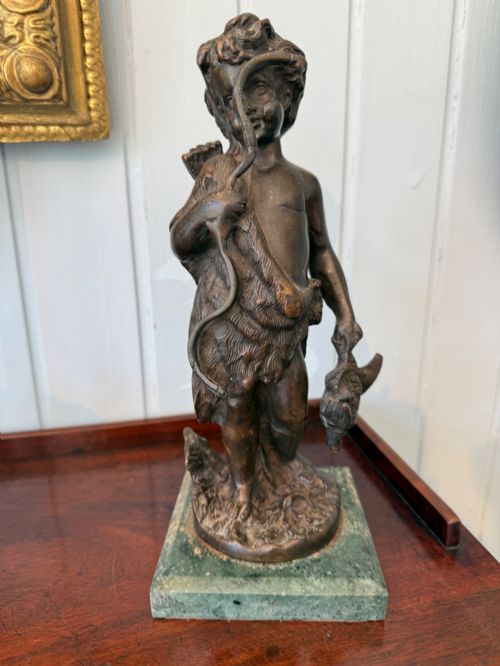
A dark bronze hunting sculpture brings nineteenth and twentieth century animalier artistry into a room, focusing on hounds, setters, retrievers and hunting scenes. When you search for dark bronze hunting sculpture, you encounter French and English animalier bronzes alongside Russian and Italian works depicting dogs with game or resting on bases.
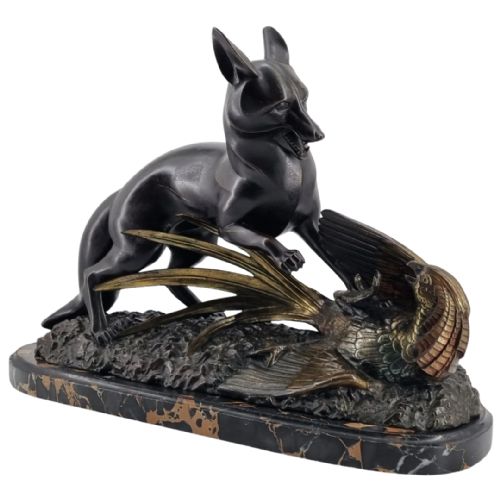
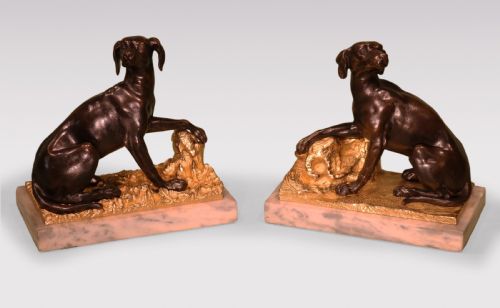
The dominant forms on this page span Victorian animalier bronzes, French animalier studies, and neoclassical interpretations of working dogs. These pieces range from resting hounds and hunting dogs with pheasants to elaborate groups with multiple figures on marble plinths.
How They Were Made
These sculptures utilise traditional foundry casting methods to shape bronze, patinated bronze, and cast iron into lifelike animal forms. Molten metal flows into moulds to capture the musculature of setters, hounds and wolves.
Many works incorporate secondary materials to support the main cast figure, mounting the metal onto marble bases, wood plinths, and onyx. Details are heightened through cold painting and ormolu accents that contrast with the dark bronze surfaces.
Dark Bronze Hunting Sculpture Retail Price Guide 2026
Typical asking prices for dark bronze hunting sculpture among the pieces listed under this phrase on Sellingantiques today, from the lower quarter to the upper quarter. They describe what is for sale here now, not the wider market.
Several hounds are immortalised mid-hunt alongside remarkably small game birds that appear entirely unfazed by the commotion.
What Varies in Quality
Quality rests in the fidelity of the casting and the crispness of the chase work that defines the fur, expression and musculature of the animal. A superior sculpture preserves the dynamic tension of a hunting dog putting up a pheasant without losing anatomical precision.
The integration with the base and the depth of the dark patina distinguish finer examples from standard foundry output. Stronger pieces display deliberate patination that accentuates the contours of the hound or hunting group.
Jules Moigniez·Delabrierre·Antoine Louis Barye·Christophe Fratin·Pierre-Jules Mêne·John Willis Good·Dubucand·Nikolai Lieberich
The Dark Bronze Hunting Sculpture Glossary
- Animalier
- A nineteenth century artistic movement devoted to the realistic representation of animals, particularly in sculpture. Animalier works focus closely on the anatomy and behaviour of dogs and wildlife.
- Patinated Bronze
- Bronze treated with chemical solutions to produce a specific surface colour, most commonly dark brown, green or black tones. This treatment protects the metal and defines sculptural details.
- Ormolu
- Gilded bronze used as an ornamental mount or accent alongside dark bronze castings. This decorative technique adds metallic contrast to nineteenth century sculptural groups.
- Cold Painted
- Paint applied to a finished bronze sculpture without heat fixation. This method introduces colour to specific areas of the piece, such as game birds or hunting accessories.
Dark Bronze Hunting Sculpture: Frequently Asked Questions
How do I identify a nineteenth century animalier bronze?
Examine the weight, the crispness of the cast texture, and the depth of the dark bronze surface. Nineteenth century pieces often show distinct foundry marks and realistic animal anatomy.
Look closely at how the bronze meets its marble or wood base. Older mountings utilise traditional fixings characteristic of the period.
Where were most of these hunting sculptures made?
France produced a large portion of these animalier bronzes, particularly in Paris during the nineteenth century. Major sculptors worked closely with specialised foundries to cast their hound and hunting dog models.
English, Russian and Italian workshops also contributed significant hunting groups, often reflecting regional sporting traditions and local dog breeds.
What is the difference between a patinated bronze and cold painted bronze?
Patinated bronze relies on chemical treatments to colour the entire metal surface, creating enduring dark brown or black tones that highlight sculptural contours. The colour becomes part of the metal surface.
Cold painted bronze involves applying non-fired pigment directly onto the cast metal to depict natural markings on birds or dogs. This surface requires careful handling to preserve the applied colour.
How should I display a heavy bronze sculpture on a marble base?
Place the sculpture on a stable, level surface that supports the combined weight of the metal and the stone plinth. Ensure the furniture piece can bear the dense mass without tilting.
Keep the piece away from direct heat sources and moisture to protect both the bronze patina and the underlying marble or onyx base.