

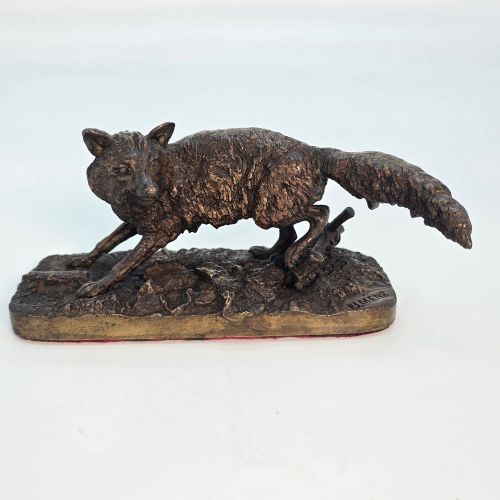
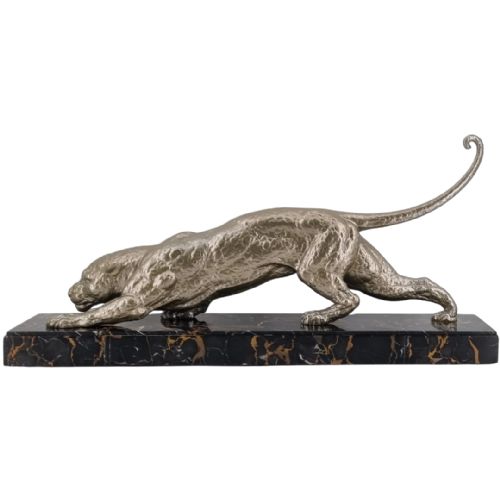
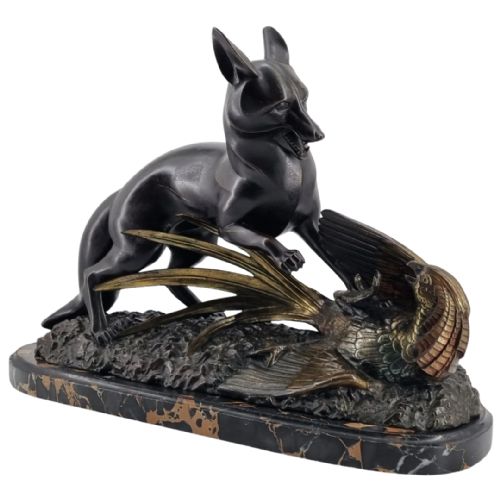
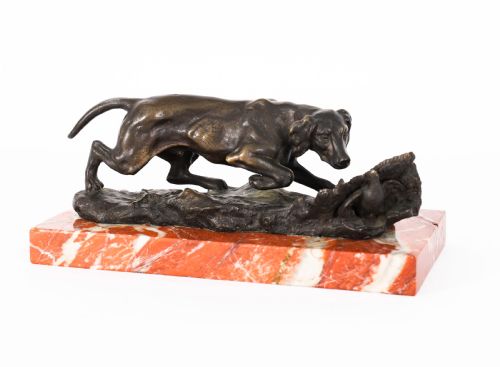


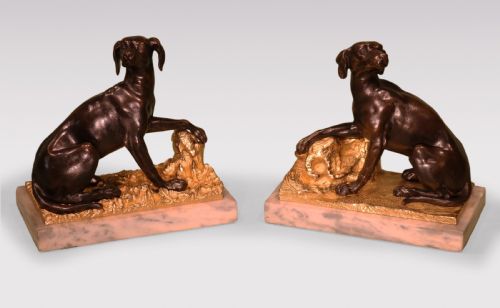
Animalier Bronze Hunting Sculpture
These animalier bronze hunting sculpture pieces capture the sharp focus and energy of working hounds and huntsmen, giving any room a tangible connection to the field.
Animalier Bronze Hunting Sculpture
An animalier bronze hunting sculpture depicts dogs, hounds, and hunting scenes with a focus on realism. The market offers nineteenth-century French models alongside later twentieth-century interpretations.
Setters, hounds, and gundogs dominate the listings. These subjects emerge in Victorian and Edwardian works, as well as Art Deco pieces from the nineteen-twenties and thirties.
Most examples rest on stone plinths such as marble or onyx. The sculptures range from recumbent dogs to dynamic scenes involving pheasants and rabbits.
How they were made
Foundries utilised traditional casting methods to capture the musculature and fur of dogs in bronze, spelter, and cast iron. Some pieces incorporate silvered bronze, cold painting, or ormolu highlights to add colour and contrast.
Mounting formed a key part of the production process. Sculptures are frequently secured to heavy bases of marble or onyx, providing stability for the metal figures.
Animalier Bronze Hunting Sculpture Retail Price Guide 2026
Typical asking prices for animalier bronze hunting sculpture among the pieces listed under this phrase on Sellingantiques today, from the lower quarter to the upper quarter. They describe what is for sale here now, not the wider market.
Several hounds are caught in the permanent act of ignoring their pheasant.
What varies in quality
The definition in the casting determines the success of the piece. Superior examples render the texture of a dog coat and the tension in a hound body with precision, whereas weaker casts lose detail in the fur and paws.
The choice of base and secondary materials alters the overall character. Casts featuring integrated marble plinths, crisp cold painting, or ormolu mounts show greater ambition than plain metal figures.
Carl Kauba·Jules Moigniez·Delabrierre·C Masson·Auguste Nicholas Cain·Antoine Louis Barye·Christophe Fratin·Pierre-Jules Mêne·Nikolai Lieberich·L.Bureau
The Animalier Bronze Hunting Sculpture Glossary
- Animalier
- A nineteenth-century artistic movement focused on the realistic depiction of animals. Sculptors in this tradition studied anatomy closely through life drawing.
- Spelter
- A zinc alloy utilised as a cheaper alternative to bronze. It was commonly used for sculptural figures, particularly during the Art Deco period.
- Ormolu
- Gilt bronze mounted onto decorative objects or furniture. In these sculptures, it provides bright golden accents alongside darker metal tones.
- Cold painted
- A technique where paint is applied to metal without heat curing. This surface finish appears on select nineteenth-century animal figures to give naturalistic colouration.
- Silvered bronze
- Bronze treated with a silver finish. This surface treatment gives a cooler, reflective quality to the metal study.
Animalier Bronze Hunting Sculpture: Frequently Asked Questions
What is an animalier sculpture?
An animalier sculpture depicts animals with anatomical accuracy, focusing on wild or domestic beasts in natural poses. This sculptural style flourished across Europe during the nineteenth century.
Artists aimed to capture the behaviour and movement of animals rather than placing them in human contexts. Hounds and working dogs were favoured subjects for their expressive forms.
How do I display these sculptures?
These pieces require a stable surface such as a desk, side table, or mantelpiece where their weight and detail can be appreciated. Many include heavy marble bases designed for standalone placement.
Keep them away from direct heat sources and moisture to protect the metal surface and the stone plinth. Dust them gently with a soft brush.
How do I date a bronze dog sculpture?
Dating relies on stylistic clues, foundry marks, and the materials used for the base. Nineteenth-century pieces often feature naturalistic bronze patination and heavy marble plinths.
Later pieces from the twentieth century shift towards Art Deco styling or utilise alternative metals like spelter. Signatures inscribed in the base offer further guidance on origin.
Why are some figures made from spelter?
Spelter served as an affordable substitute for bronze, particularly during the early twentieth century. It allowed workshops to produce decorative animal figures for a wider market.
While lighter and softer than bronze, spelter accepts surface patination and metallic finishes well. Pieces from this era often lean into Art Deco aesthetics.