

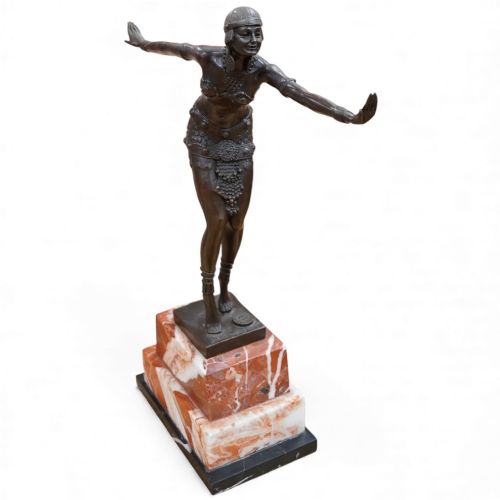
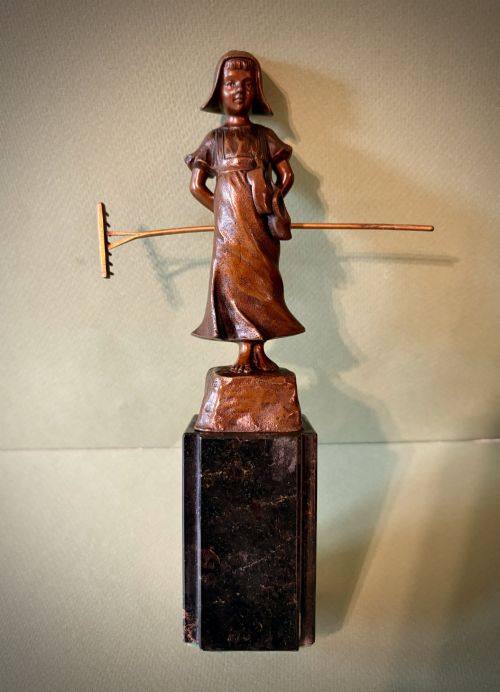
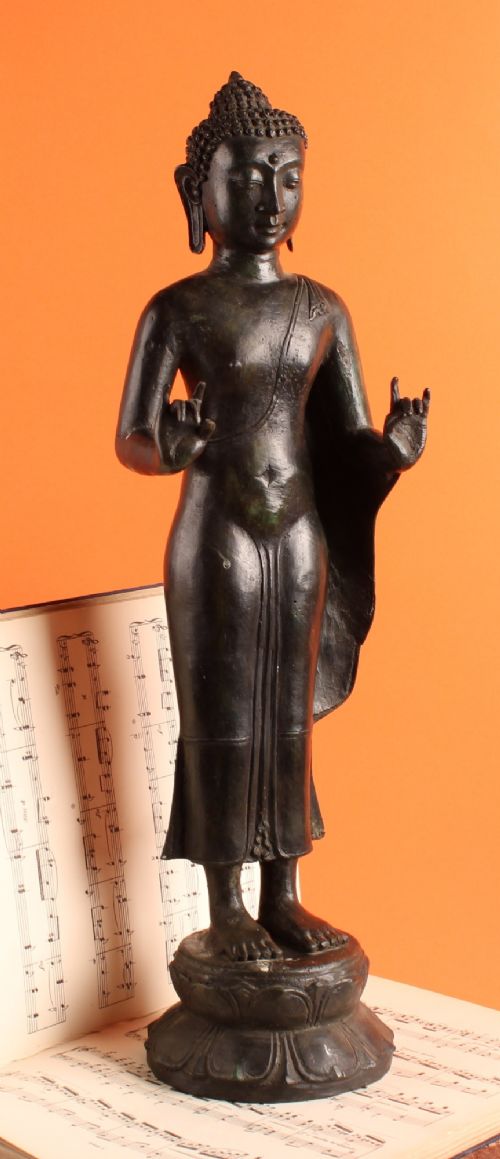
Dark Bronze Figure Sculpture
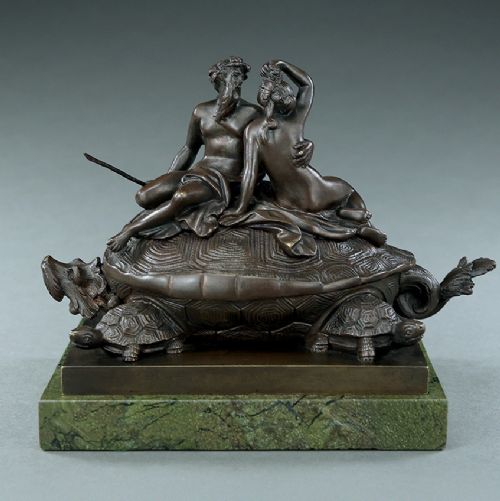
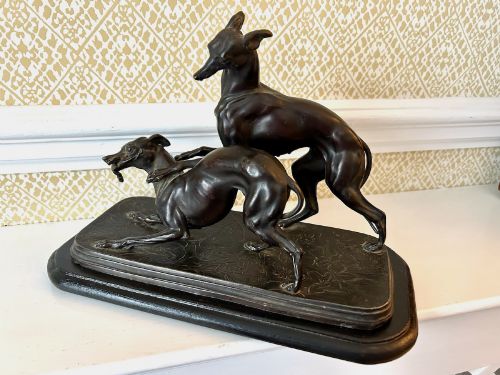
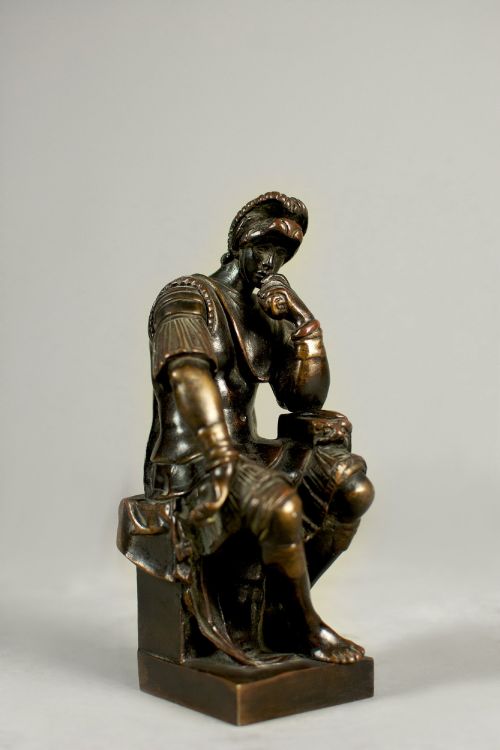
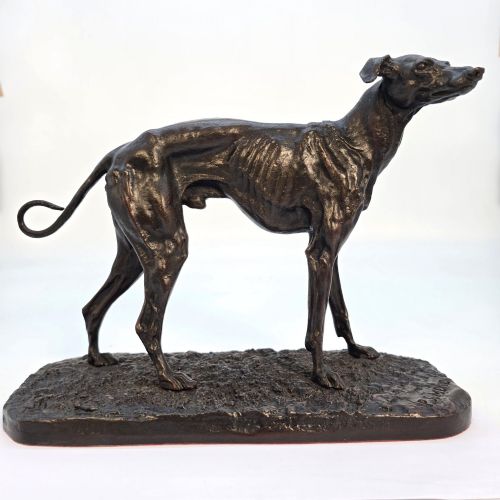
A dark bronze figure sculpture brings the weight and detail of classical mythology, animal studies and historic portraiture directly into a room.
Dark Bronze Figure Sculpture
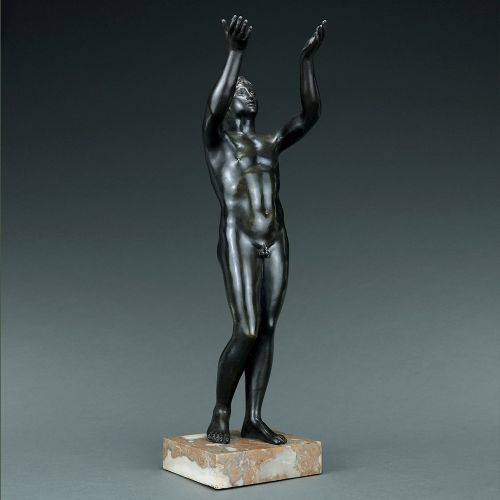
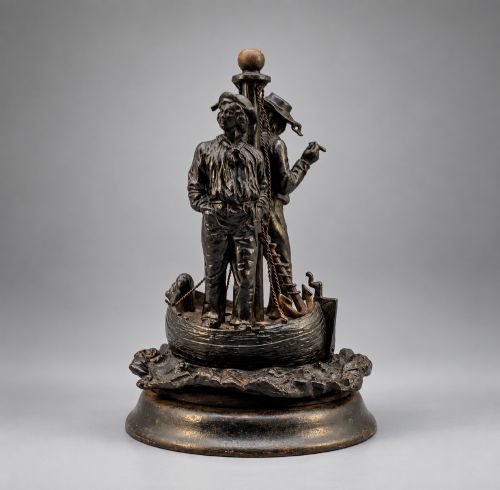
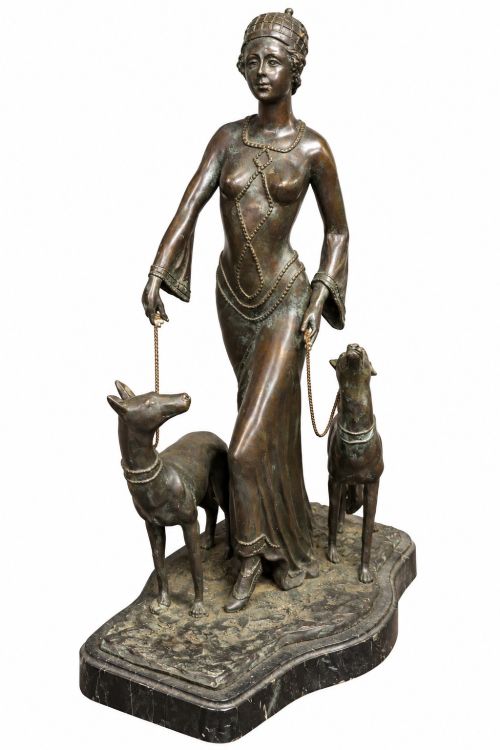
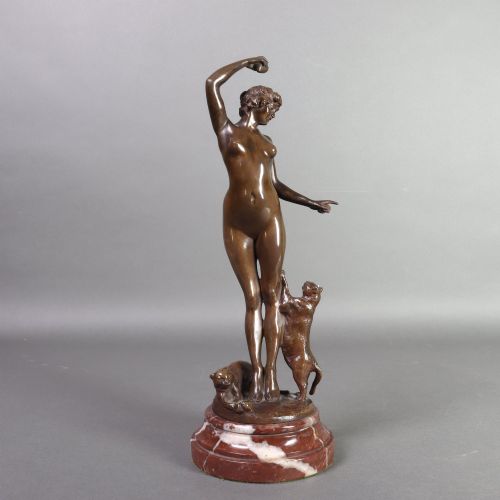
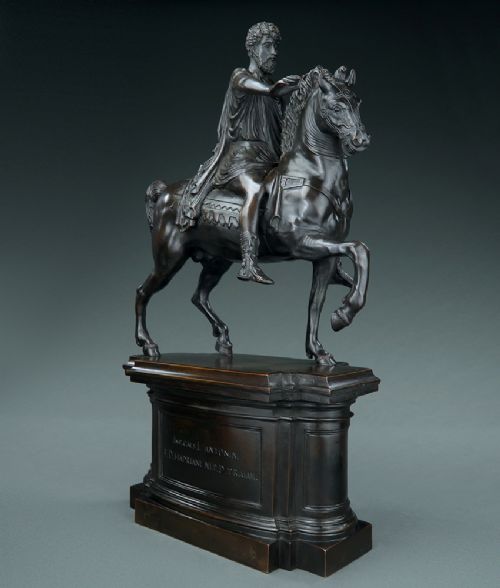
Collectors seeking a dark bronze figure sculpture encounter works ranging from small Grand Tour souvenirs and scholarly paperweights to large nineteenth-century French casts and Japanese Meiji period okimono. These pieces capture human figures, animals and mythological deities through sculptural forms shaped by international workshops and named founders.
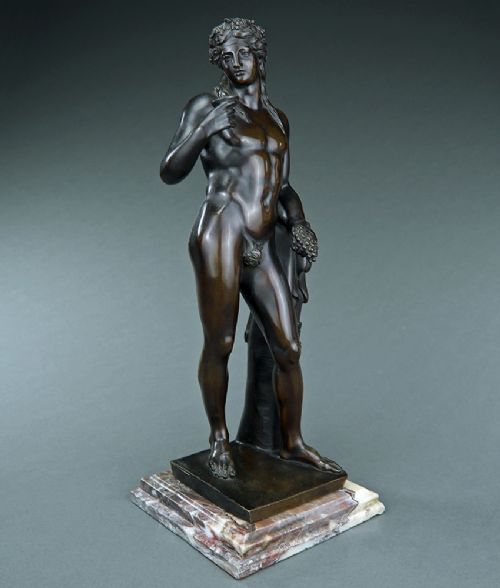
The selection on this page draws heavily from nineteenth-century European and Asian traditions, including Neoclassical subjects, Animalier wildlife studies and classical figures mounted on marble bases. Makers and cultures from Britain to Japan utilise patinated metal to give each statue its distinct presence and surface tone.
Materials and casting methods
Foundries shaped these works primarily in bronze, sometimes employing patinated surfaces, gilt accents or mixed-metal techniques to accentuate details on figures and animals. Certain pieces incorporate marble plinths, wood bases or gilded highlights to complement the dark metal body.
Makers utilised solid-cast or hollow-cast methods followed by manual chasing and chemical patination to achieve deep, dark finishes. Artisans in France, Italy and Japan applied these traditional techniques to produce enduring statues, scholars' desk objects and decorative groups.
The inventory includes Neoclassical deities, Japanese okimono, animal studies and Grand Tour figures.
Distinctions in craftsmanship and finish
Quality rests in the crispness of the chasing and the depth of the dark patination applied across the bronze surface. Superior casts retain fine anatomical lines, sharp feathers and clear facial expressions without obscuring details beneath heavy chemical treatments.
The connection between the bronze figure and its base, whether fossil marble or carved wood, indicates the level of care taken during assembly. Master founders ensured that proportions remained balanced and signatures or foundry marks were cleanly stamped into the metal.
Barbedienne·Bruno Zach·Lemoyne·P J Mêne·G Amodio
The Dark Bronze Figure Sculpture Glossary
- Patinated bronze
- Bronze treated with chemical solutions to produce a dark, protective, or decorative surface coloration. This finish enhances the definition of muscles, drapery and feathers.
- Animalier
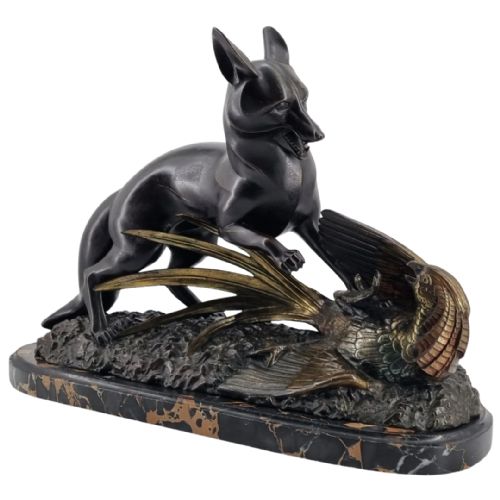
- A nineteenth-century artistic style focused on realistic depictions of animals in motion or repose. French and European sculptors popularised this genre through detailed bronze studies.
- Grand Tour
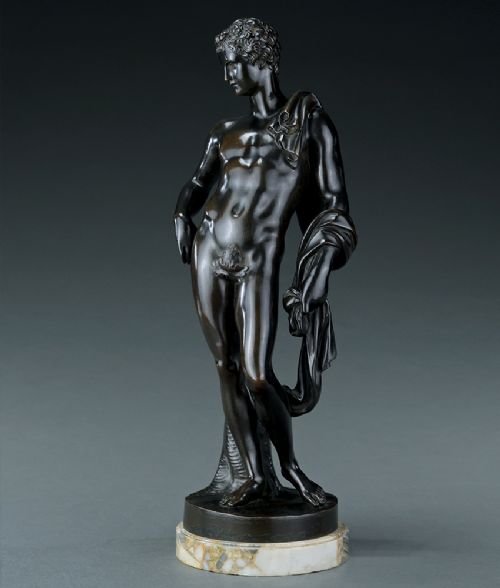
- A traditional educational journey across Europe undertaken by wealthy young men in the eighteenth and nineteenth centuries. Souvenirs included miniature bronze figures of classical deities and ancient artefacts.
- Okimono
- A Japanese decorative statue designed for display on a shelf or in a tokonoma alcove. Meiji period examples often feature intricate patinated bronze or mixed-metal craftsmanship.
- Spelter
- A zinc alloy utilised as an economical alternative to bronze during the nineteenth century. Figures cast in spelter were frequently given a dark bronzed finish to imitate heavier metal.
Dark Bronze Figure Sculpture: Frequently Asked Questions
How do I clean a dark bronze figure sculpture?
Dust the surface gently with a soft, dry brush to prevent dirt accumulation within the patinated recesses. Avoid using water, commercial polishes or chemical cleaners that might strip the historic dark finish.
Apply a very thin coat of microcrystalline wax if the metal appears dry, buffing it lightly with a clean cloth. Regular gentle care preserves the original patina and protects the underlying bronze.
What is an Animalier bronze?
An Animalier bronze is a nineteenth-century sculpture focused specifically on naturalistic representations of wild or domestic animals. These pieces captured beasts in dynamic poses, often reflecting contemporary scientific interest in anatomy.
Foundries in France produced numerous examples of stags, birds and horses standing on naturalistic terrain or marble plinths. Collectors value these works for their observation of animal behaviour and movement.
How do I spot a spelter copy?
Spelter is a lighter zinc alloy that feels considerably less dense than solid bronze when lifted. Examining the underside or base often reveals a greyish metal beneath any surface flaking.
Figures cast in spelter tend to show softer details because the alloy does not hold crisp lines during the casting process as effectively as bronze. The dark finish on spelter can also appear more paint-like compared to a chemical bronze patination.
Where were Grand Tour bronzes made?
Grand Tour bronzes were typically produced in nineteenth-century Italian workshops located in cities such as Naples, Rome and Florence. Local artisans cast miniature copies of classical statues and archaeological discoveries for foreign travellers.
These souvenirs allowed visitors to bring Neoclassical figures and mythological deities back to British and European homes. They are frequently mounted on slate, fossil marble or Sienna marble bases.