




Dark Bronze Dragon Vase
A dark bronze dragon vase brings heavy metalwork and mythological coiled beasts into a room, spanning Japanese Meiji and Chinese Qing origins.
Dark Bronze Dragon Vase
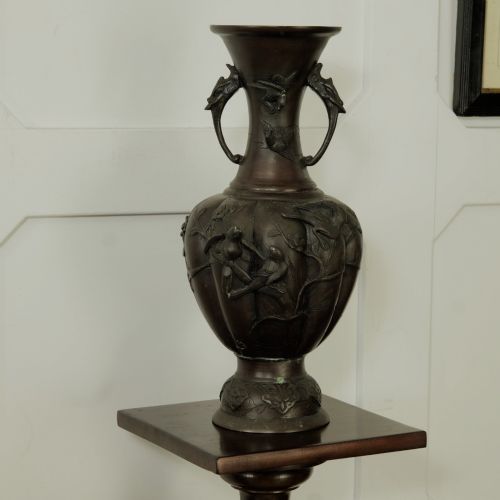
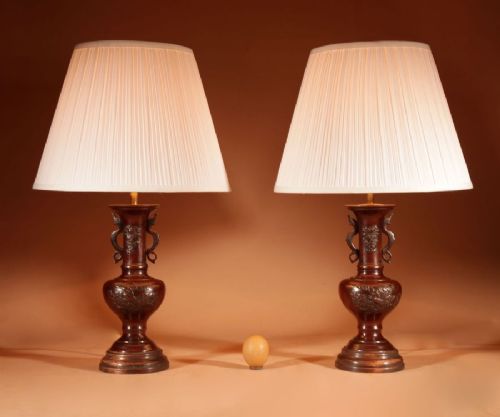
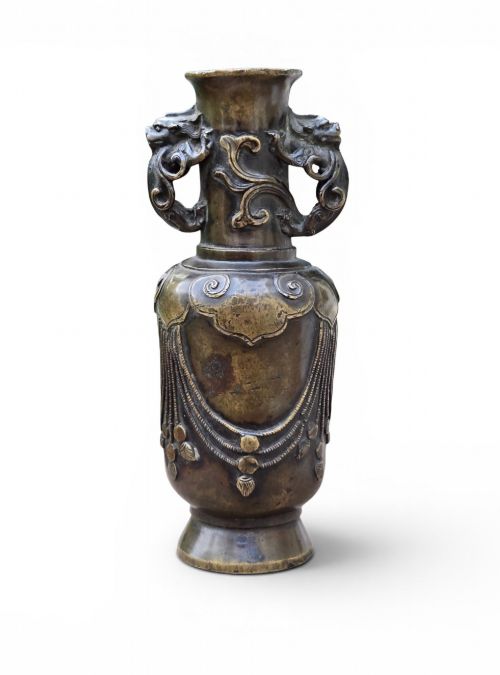
A dark bronze dragon vase is a sculptural vessel cast in metal and decorated with writhing dragon motifs, often originating from the Japanese Meiji period or Chinese dynastic traditions. These pieces appear primarily as tall freestanding vases, heavy altar vessels, and grand table lamps adapted from earlier forms.
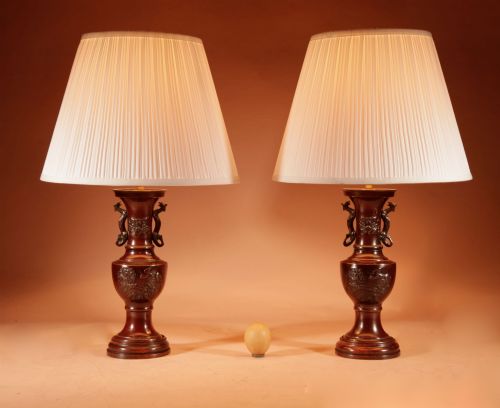
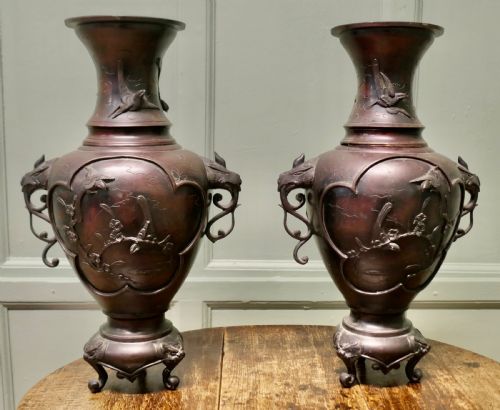
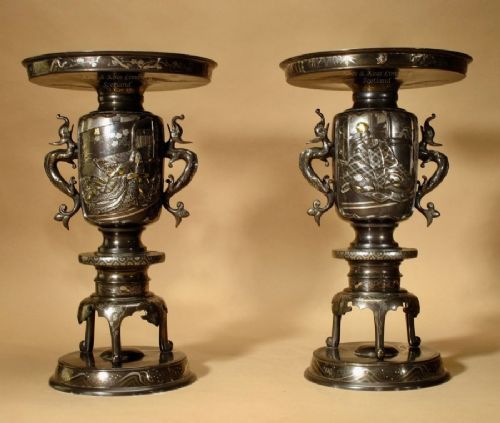
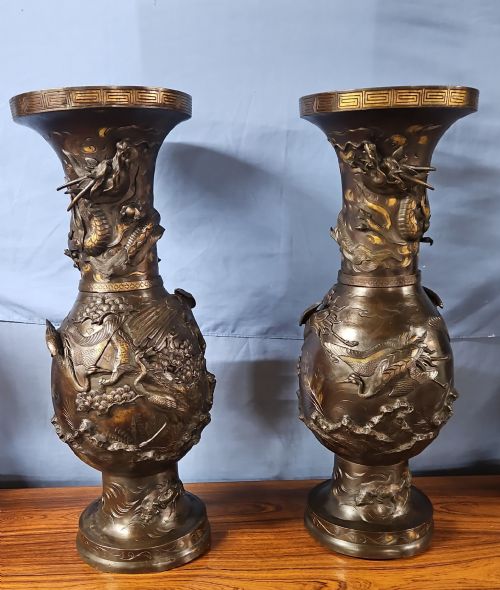
The selection on this page leans heavily towards late nineteenth-century Japanese production, particularly Meiji period work alongside Victorian interpretations of oriental styles. Buyers encounter solitary display urns, balanced pairs, and garniture sets incorporating patinated surfaces and intricate cast relief.
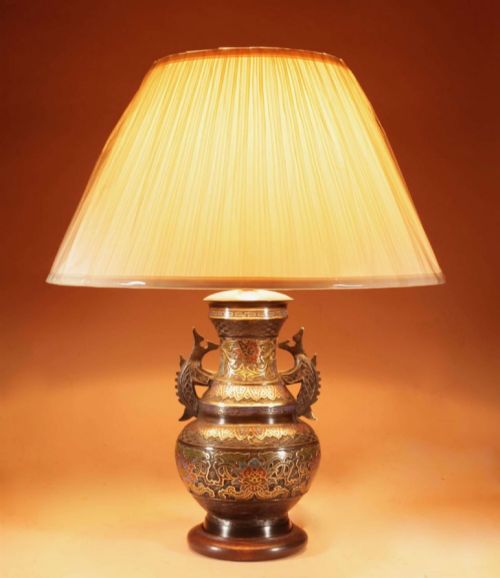
Vessels take various sculptural shapes, from traditional archaistic hu forms to cylindrical bodies wrapped in cast bronze dragons with distinct scales and claws. Many examples date from the 1860s through to the early twentieth century, showing both native Asian craftsmanship and British Victorian taste for exotic metalwork.
How they were made
Metalworkers utilised traditional lost-wax casting techniques to shape molten bronze into intricate vessels with high relief ornamentation. Artisans applied chemical patination treatments to achieve deep brown, black, and dark bronze surface tones.
Secondary ornamentation involved fine gold inlay, contrasting brass elements, and colourful champlevé enamel work set directly into recessed bronze channels. Handles, candle holders, and dragon appendages were often cast separately and securely joined to the main body.
Object forms range from traditional altar vases and display urns to converted table lamps and garniture sets.
What varies in quality
Surface finish and patination consistency dictate visual harmony across a pair of vases or altar urns. Intricate detailing such as precise gold inlay and undisturbed champlevé enamel elevate the overall distinction of the piece.
The Dark Bronze Dragon Vase Glossary
- Champlevé
- An enamelwork technique where troughs or cells are sunk into the bronze surface and filled with vitreous paste before firing. This method creates colourful geometric or floral patterns contrasting with the dark metal.
- Hu
- An ancient Chinese ritual vase form featuring a pear-shaped body, restricted neck, and often animal-head handles. Japanese makers later adopted these classical shapes during the nineteenth century.
- Patinated Bronze
- Metal treated with chemical solutions to produce an aged or darkened surface coloration. This finish protects the underlying alloy while accentuating the sculptural contours of the dragon decoration.
- Archaistic
- A deliberate stylistic reference to ancient Chinese ritual bronzes from earlier dynasties. Makers used these archaic vessel forms to impart a sense of historical weight and classical proportion.
Dark Bronze Dragon Vase: Frequently Asked Questions
Are these vases watertight?
Many antique bronze vessels have structural seams or applied bases intended for display rather than holding water. Using them for fresh flowers requires a concealed inner liner.
Altar vessels and heavy urns were primarily cast for ceremonial or decorative purposes in period interiors. Placing water directly inside unlined antique metal risks damaging internal patination and historic joins.
How do I clean patinated bronze?
Dusting with a soft, dry cloth is sufficient for maintaining dark patinated surfaces. Avoid harsh metal polishes that strip away historical patination and applied finishes.
Moisture should be kept away from inlaid enamel sections and gilded highlights. Gentle care preserves the stable oxidation developed over more than a century of existence.
How were these vases used?
Nineteenth-century households displayed these heavy vessels on mantelpieces, side tables, and pedestals as symbols of exotic taste. Chinese altar vases served ritual functions before entering the decorative export market.
Many examples were later converted into table lamps during the Victorian and Edwardian eras. This adaptation combined traditional Oriental metalwork with contemporary domestic lighting.
How do I date a bronze vase?
Dating relies on casting style, patination characteristics, and stylistic markers associated with specific periods like the Meiji era or Victorian Chinoiserie. Japanese pieces from the late nineteenth century often bear distinct surface treatments and sculptural confidence.
Comparing vessel proportions and decorative motifs against documented school outputs helps narrow the timeframe. Structural construction methods also provide clues to the workshop origin.