

Dark Bronze Asian Statue
A dark bronze asian statue brings centuries of ritual belief and animal observation into a room through cast metal.
Dark Bronze Asian Statue
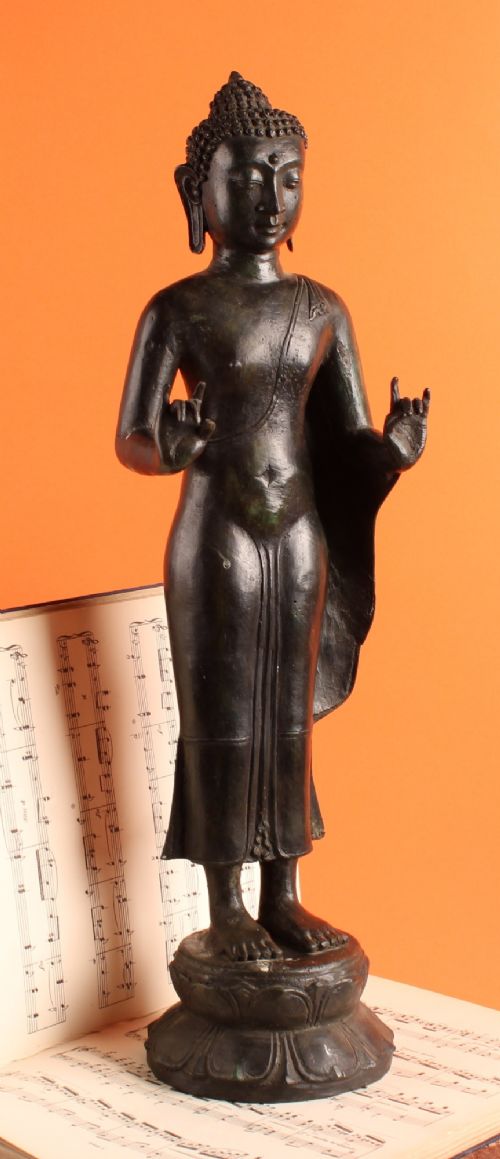
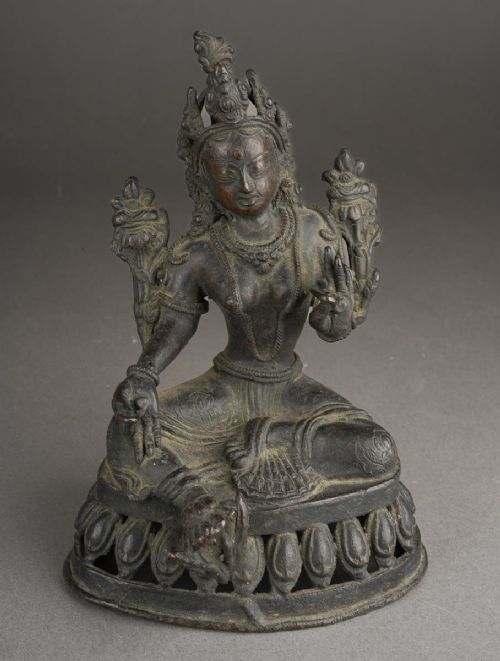
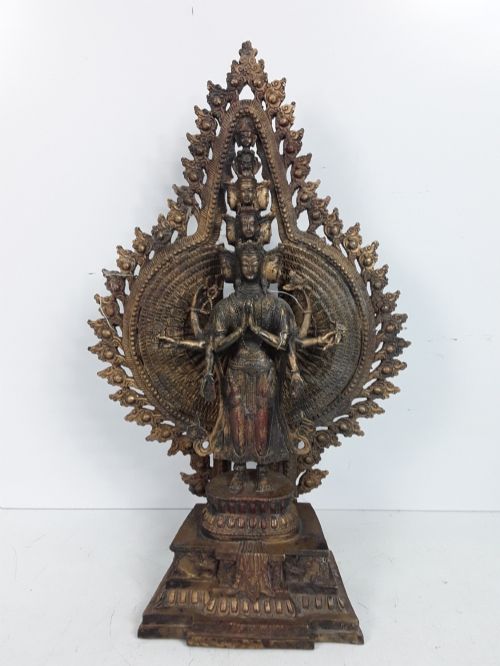
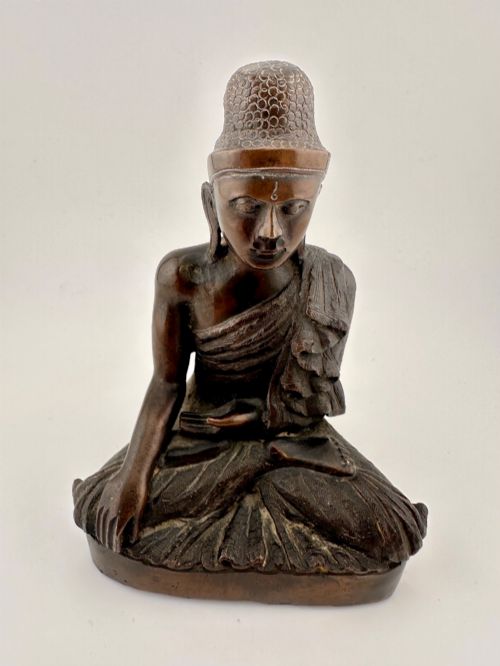
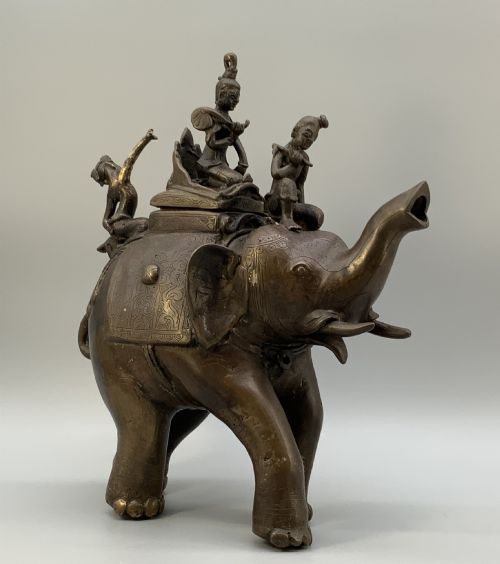
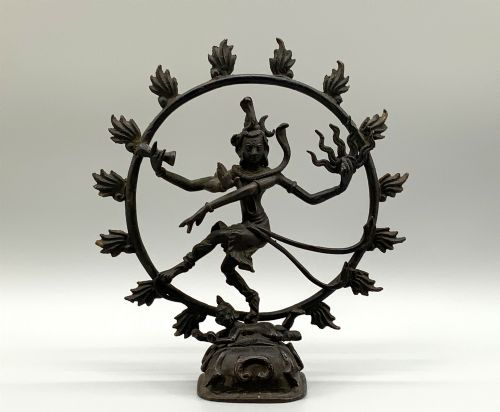
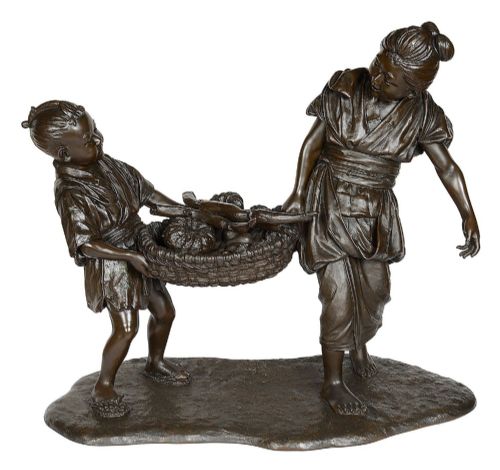
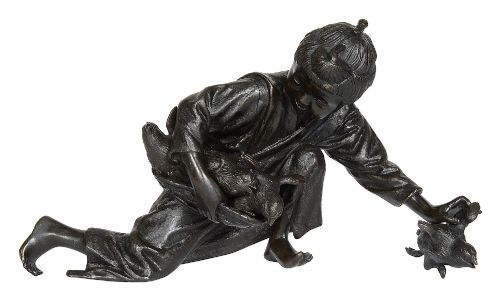
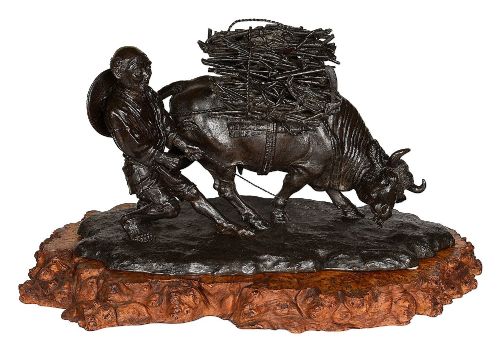
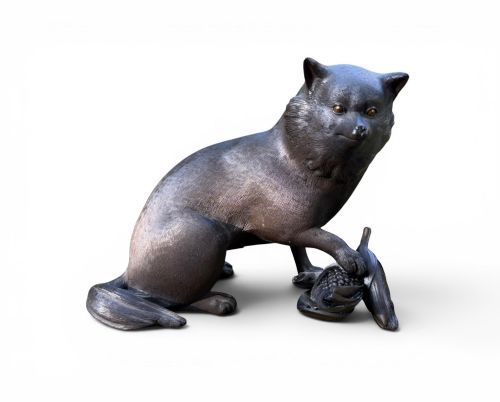
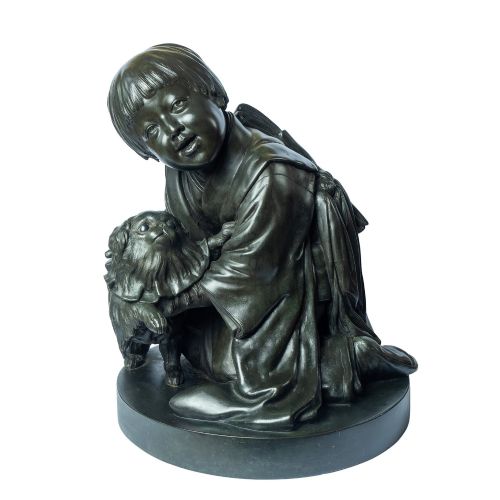
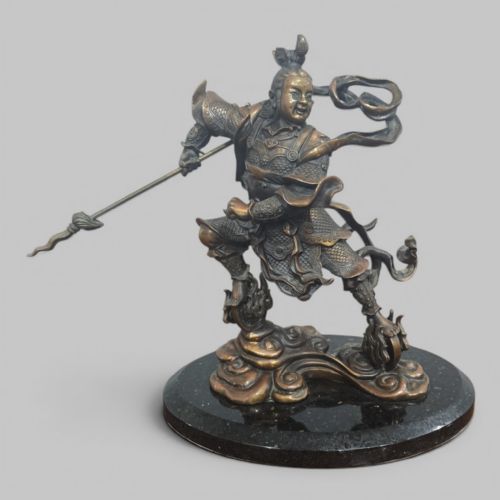
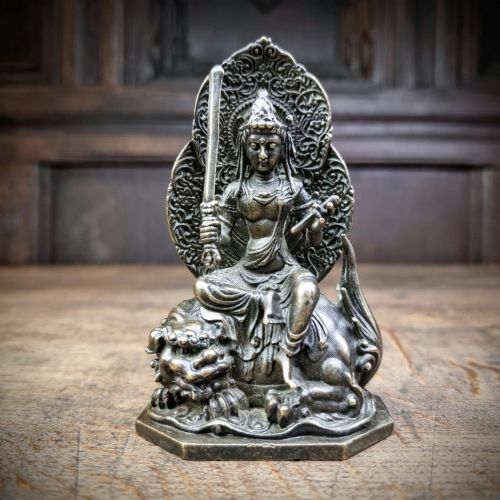
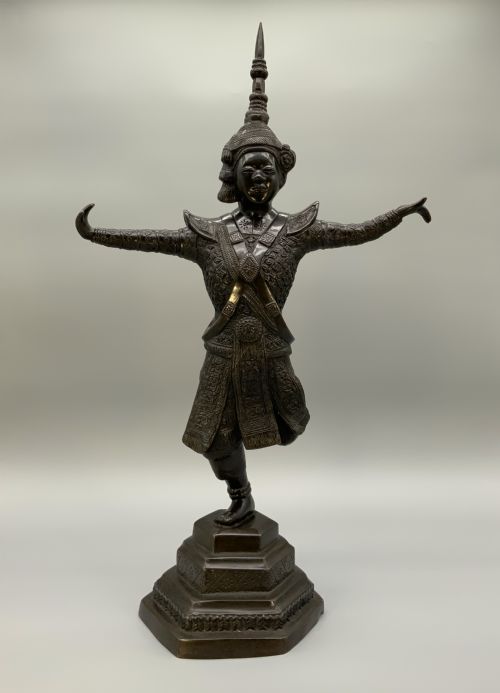
A dark bronze asian statue encompasses cast metal sculptures originating from China, Japan, Tibet, Nepal, India, Thailand, and Burma. The forms span religious figures such as Buddha, Avalokiteshvara, Tara, and Shiva alongside secular subjects including elephants, tigers, monkeys, and farmers.
Most examples originate from the nineteenth century, including the Meiji period in Japan and the Qing dynasty in China, though earlier temple castings and later twentieth-century studio pieces also appear.
The selection ranges from small tabletop okimono and shrine figures to massive garden dragons and temple lions weighing many kilograms.
How they were made
Foundries utilised the lost-wax casting technique, pouring molten bronze, copper alloy, or brass into moulds to capture intricate details like robes, feathers, and fur. Metal workers then applied patination treatments using chemicals, heat, or vermilion pigment to achieve deep brown, black, and greenish surface tones.
Many larger Japanese and Chinese sculptures incorporate separate cast components, silver and copper alloy inlay, or carved wood and marble bases to support the main figure.
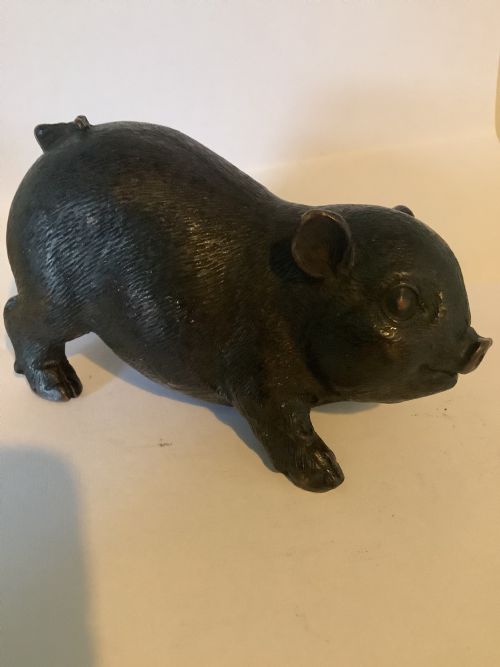
A bronze pig stands ready to greet visitors alongside fierce temple lions, grinning Oni demons, and industrious woodcutters.
What varies in quality
The distinction lies in the crispness of the chasing and the depth of the casting, where master metalworkers define facial expressions, hand gestures, and anatomical textures with absolute clarity. Signatures from recognised makers and artist signatures inscribed into the bronze elevate certain pieces beyond standard production.
The integrity of the original surface patination and the presence of integral secondary metals like silver inlay determine the visual strength of the piece.
Masaaki·Seiunsai Miyamoto Sei·Gyoko
The Dark Bronze Asian Statue Glossary
- Okimono
- A Japanese display object intended for interior placement rather than religious ritual. These carvings and castings depict animals, figures, and daily scenes.
- Mudra
- A symbolic hand gesture in Buddhist and Hindu iconography. Each specific position communicates a teaching, fearlessness, or meditation.
- Patination
- The chemical or natural alteration of the metal surface over time. This process creates the characteristic dark brown, black, or verdigris finish on older bronzes.
- Censer
- A vessel designed for burning incense during rituals or domestic use. Chinese examples often take the form of boats, mythical beasts, or lidded containers.
- Foo Dog
- A popular term for Chinese guardian lions placed outside temples and palaces. These mythical beasts symbolize protection and power.
Dark Bronze Asian Statue: Frequently Asked Questions
How do I identify a Meiji period bronze?
Meiji period bronzes originate from Japan between eighteen sixty-eight and nineteen twelve, often displaying naturalistic animals, expressive demon figures, or human subjects engaged in daily tasks.
Many of these Japanese sculptures carry artist signatures or studio marks on the underside or base, reflecting a high level of detail in feathers, fur, and garments.
What is the difference between a temple lion and an okimono?
Temple lions are heavy ritual guardian figures cast in pairs to protect sacred spaces, featuring fierce expressions and stylized manes. Okimono are smaller decorative items made for display inside a home.
Temple lions command significant space and weight, while okimono focus on narrative scenes of animals or people.
How should I clean a dark bronze statue?
Dust the surface gently with a soft dry brush to prevent accumulation in recessed crevices. Avoid applying water, oils, or commercial metal polishes, which can strip the original dark patination.
Maintaining a stable indoor humidity prevents chemical reactions on the alloy surface over time.
Are these Buddhist figures meant for worship?
Many figures such as the Buddha, Tara, and Avalokiteshvara served as objects of devotion in Himalayan, Southeast Asian, and East Asian shrines. Over generations, these pieces transitioned into objects of artistic and historical appreciation.
The specific mudra hand gestures and lotus bases indicate their original religious context.