



Dark Brass Wall Mirror
A dark brass wall mirror brings depth and warmth to a room through aged metalwork and reflective glass.
Dark Brass Wall Mirror
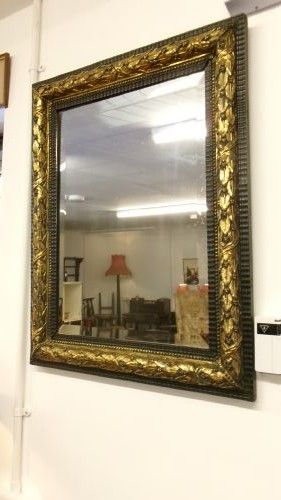
A dark brass wall mirror combines reflective glass with patinated metalwork, often mounted upon wooden frames or backing boards. Pieces matching this description span periods from the late nineteenth century to the early twentieth century.
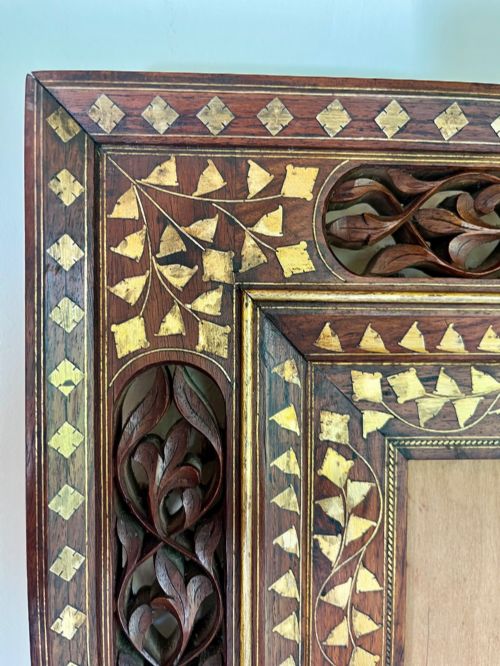
The selection includes items shaped by diverse regional traditions, featuring Anglo-Indian woodwork, Flemish cushion frames, and Victorian domestic designs. Frames incorporate materials such as mahogany, walnut, rosewood, and sheesham alongside inlaid or mounted brass.
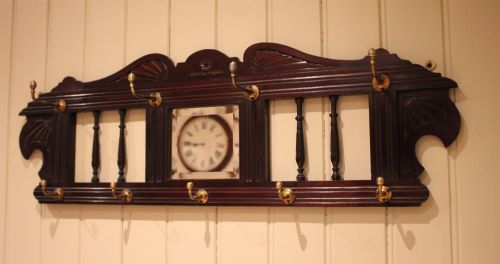
Beyond standard wall mirrors, the category encompasses related functional objects that incorporate reflective surfaces or brass mounts, including mirrored sconces, coat racks with integral mirrors, and hanging cabinets.
How they were made
Craftsmen built the structural frames from dense hardwoods like mahogany and walnut, employing traditional joinery to support heavy glass plates. Pierced metalwork, brass inlay, and mounted frames were shaped by hand to fit the wooden contours.
Reflective plates often featured deep bevelled edges, requiring careful grinding and polishing techniques common to the nineteenth century. Patination on the brass developed naturally through age or through deliberate chemical treatment to achieve darker, muted tones.
Dark Brass Wall Mirror Retail Price Guide 2026
Typical asking prices for dark brass wall mirror among the pieces listed under this phrase on Sellingantiques today, from the lower quarter to the upper quarter. They describe what is for sale here now, not the wider market.
The documented styles span Victorian, Anglo-Indian, Flemish Renaissance Revival, Aesthetic Movement, and Georgian traditions.
What varies in quality
The standard of a piece rests in the precision of its construction, particularly where brass meets timber in inlaid or mounted designs. Finer examples display crisp hand-piercing on metal elements and robust joinery within the supporting hardwood frames.
The clarity and depth of the glass plate also distinguish finer specimens, alongside the integrity of the original patination on the brass surfaces. Greater detail in carved wooden motifs or specialised regional craftsmanship elevates certain items above standard production.
The Dark Brass Wall Mirror Glossary
- Bevelled plate
- Glass with an angled edge cut and polished to a thinner border. This technique catches the light and adds visual depth to the mirror.
- Cushion framed
- A convex, rounded frame profile that swells outward toward the outer edge. This style creates a pronounced, sculptural border around the glass.
- Aesthetic Movement
- A late nineteenth-century design style emphasising visual beauty over narrative subject matter. It frequently incorporated Anglo-Japanese motifs and dark woods.
- Patination
- The natural surface alteration or applied coating that develops on brass and wood over time. It gives older pieces their characteristic darkened finish and tactile depth.
Dark Brass Wall Mirror: Frequently Asked Questions
What is the best way to clean aged brass?
Aged brass benefits from gentle dusting with a dry or slightly damp soft cloth to preserve its darkened patination. Avoid harsh chemical cleaners or abrasive polishes that strip away the historical character of the metal.
Preserving the natural surface wear maintains the authentic appearance expected in nineteenth-century metalwork.
How do I identify a Victorian mirror frame?
Victorian frames often utilise dense timbers such as mahogany or walnut, frequently paired with cast or applied brass elements. Construction details like hand-cut fixings and older backing boards point toward this period.
Stylistic markers range from heavy Gothic influences to refined Aesthetic Movement designs incorporating contrasting wood tones.
Can these mirrors be placed in bathrooms?
High humidity and moisture in bathrooms can damage aged hardwoods and accelerate corrosion on vulnerable mirror silvering and brass. These antique pieces are best suited to dry living areas, hallways, or bedrooms.
Keeping them away from direct sources of steam preserves both the wooden frames and the original glass plates.