


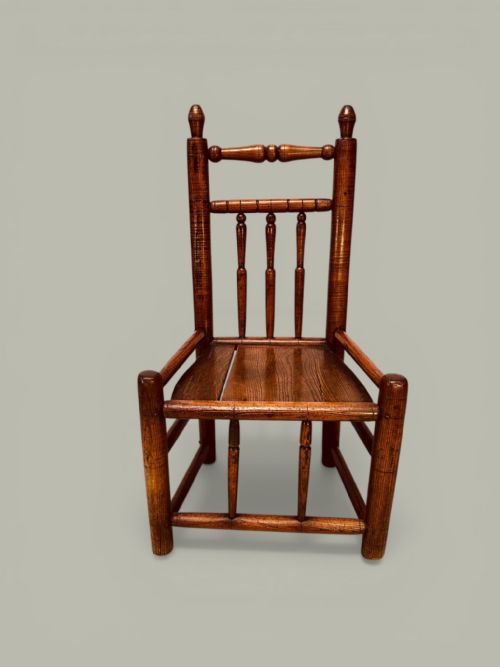
Dark Ash Chair
A dark ash chair brings together robust country timber and honest vernacular forms, offering both sturdy everyday function and centuries of craft history.
Dark Ash Chair
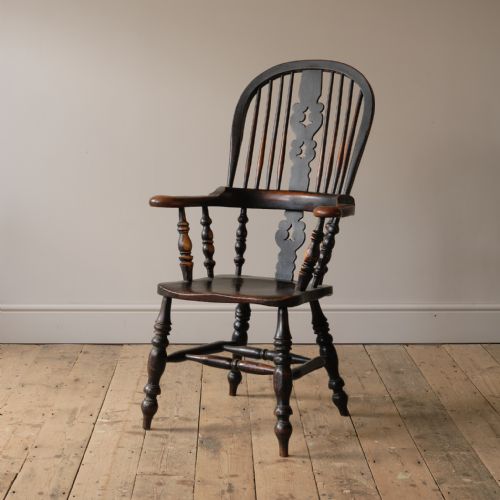
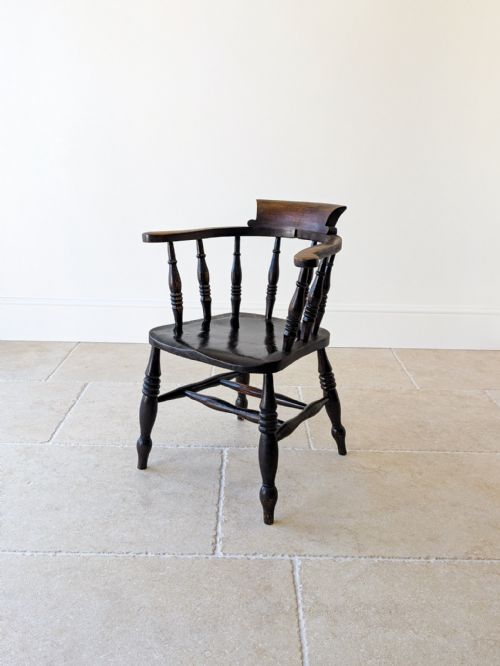
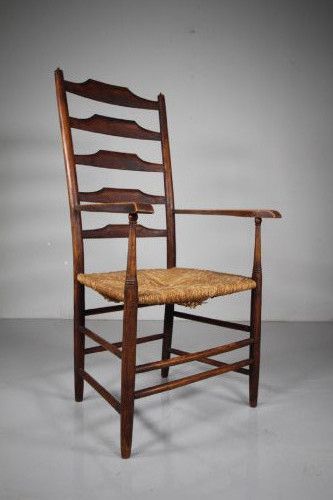
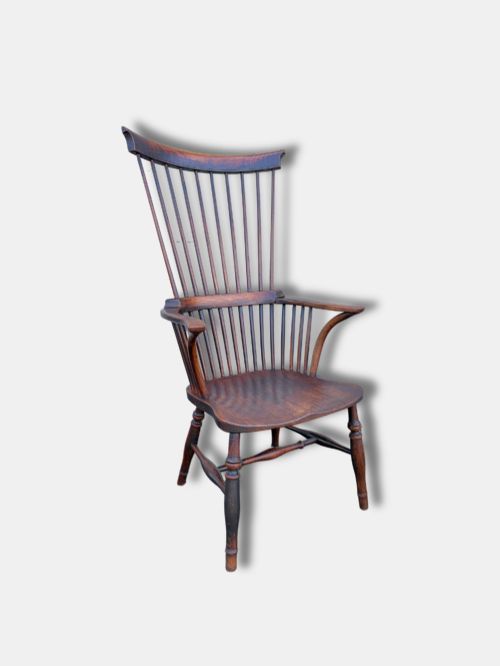
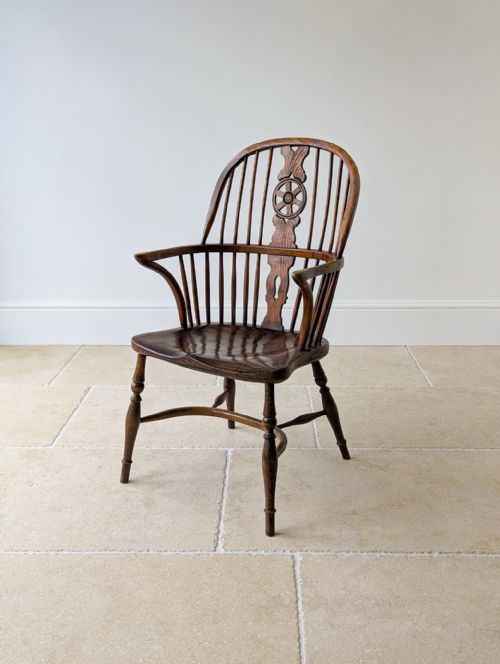
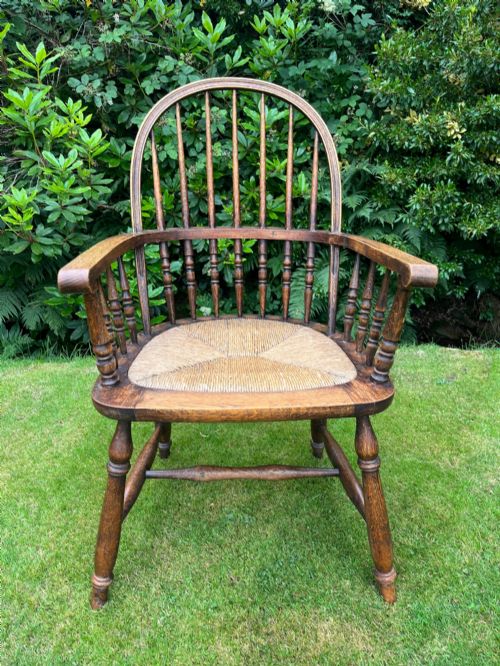
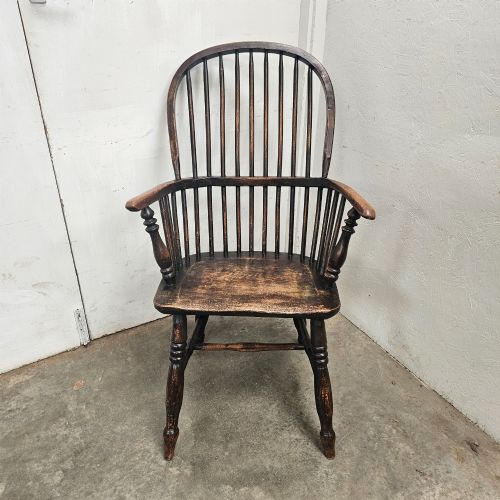
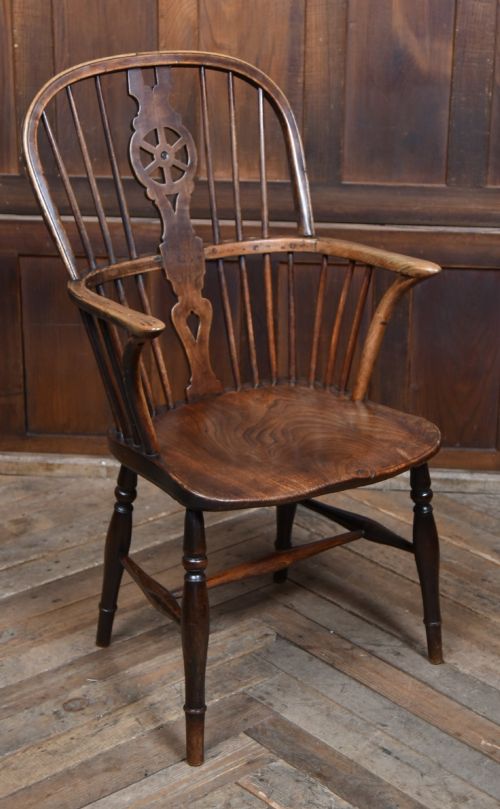
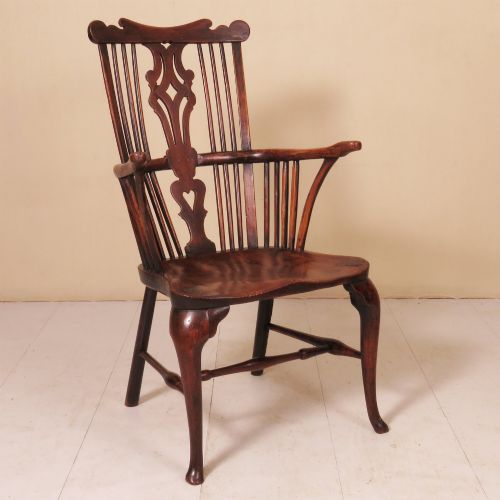
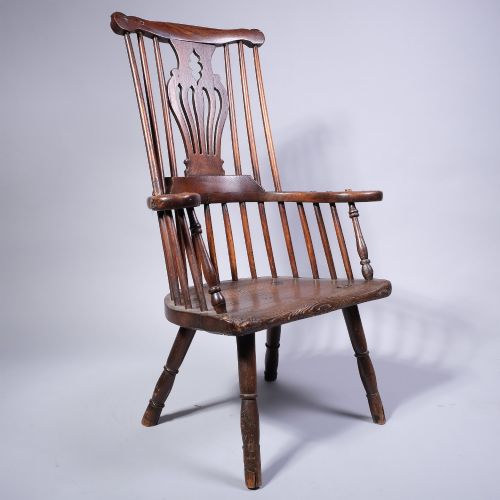
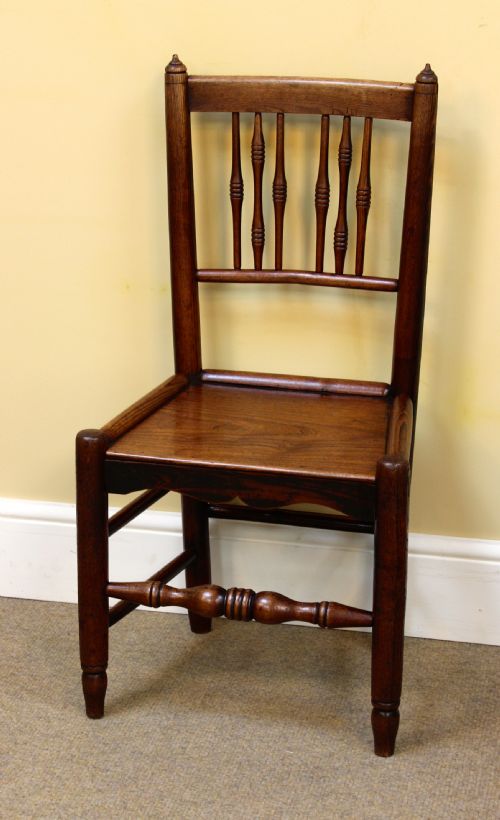
When you search for a dark ash chair, you encounter a wide selection of vernacular seating from the eighteenth and nineteenth centuries, including Windsor armchairs, ladderback kitchen chairs, and low stick-back armchairs. These pieces were built for everyday utility in farmhouses, cottages, and country homes, frequently combining ash frames with contrasting elm seats.
The prevailing examples on this page are Windsor chairs and country ladderbacks dating from the Georgian and Victorian periods, often showing the deep, rich patina of aged timber. Regional variants emerge across the selection, ranging from Lancashire and Cheshire ladderbacks to West Country and Welsh Windsor forms.
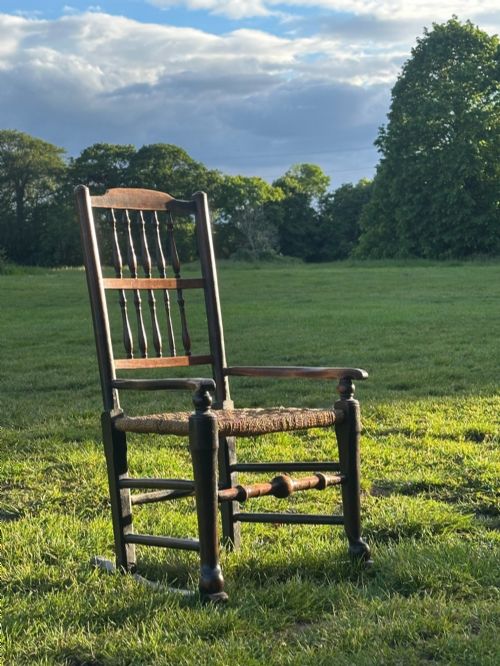
Beyond standard single armchairs and dining chairs, the category extends to rocking chairs, children's chairs, and occasional sets, all sharing a foundation in traditional English country joinery.
How they were made
Maker construction relies on a combination of resilient native timbers, pairing ash for flexible bent spindles and framework with elm for solid, carved plank seats. Secondary woods such as oak, beech, yew, and alder appear in specific structural components or regional variations.
Joinery techniques involve traditional bodger and chairmaker methods, including steam-bent bows, through-wedged legs, and pegged mortise and tenon joints. Many ladderback forms also incorporate rush seating woven directly onto the frame.
Several miniature chairs and doll rockers appear in the selection, proving that small household members also required proper Windsor seating.
What varies in quality
Quality in these vernacular chairs rests upon the integrity of the original timber and the survival of an undisturbed surface patination. Examples with deeply figured elm seats and well-balanced proportions command attention over plain or heavily restored alternatives.
The refinement of the turning on spindles, legs, and arm supports distinguishes workshop output, separating standard utility pieces from those bearing the distinct hand of a skilled regional maker.
Philip Clissett·Duncan McKellar of Fenwick
The Dark Ash Chair Glossary
- Windsor chair
- A wooden chair constructed with a thick solid timber seat into which the legs and back spindles are directly fitted. The design relies on turned components and steam-bent members to form a robust, supportive frame.
- Comb back
- A Windsor chair variation featuring a low, horizontal crest rail supported by vertical spindles, resembling the teeth of a comb. This form often includes integral arm supports extending from the main bow.
- Ladderback
- A chair style characterised by horizontal wooden slats or rails between the vertical rear uprights. These frames frequently feature woven rush seating and regional turning details.
- Turner's chair
- An early form constructed entirely from heavy turned wooden posts and spindles joined with pegs. These seating pieces date back to the seventeenth century and reflect sophisticated carpentry before the widespread adoption of steam bending.
Dark Ash Chair: Frequently Asked Questions
What is a dark ash chair?
A dark ash chair is a traditional country seating piece made primarily from ash wood that has darkened significantly over generations of use, exposure, and polishing. These items encompass Windsor armchairs, ladderbacks, and kitchen chairs.
They reflect historical vernacular furniture making, particularly from English rural workshops during the eighteenth and nineteenth centuries.
How were Windsor chairs constructed?
Windsor chairs were built around a solid shaped wooden seat, usually elm, which served as the central anchor for all other components. Legs and back spindles were turned on a lathe and driven into bored holes, while upper bows were steam-bent into shape.
This clever multi-part construction method distributed weight effectively while allowing individual parts to flex under use without breaking.
How do I date an ash chair?
Dating relies on observing structural details, tool marks, timber shrinkage, and regional style evolution from the Georgian period through to the Victorian era. Earlier pieces from the eighteenth century often display hand- carved saddle seats and heavier, irregular turnings.
Later Victorian versions tend to show more uniform machine-assisted turning and standardised dimensions while retaining traditional country forms.
Where were country ladderback chairs used?
Country ladderback chairs served primarily as practical seating around farmhouse kitchens, cottages, and provincial dining tables. Their durable ash frames and rush seats handled the heavy demands of daily domestic life.
Specific regional patterns emerged across different counties, such as Cheshire, Lancashire, and the West Country, each displaying distinct turning profiles.