



Dark Academia Art
Dark academia art brings together centuries of moody portraiture, classical studies and shadowy gothic scenes to build an atmosphere of scholarly introspection.
Dark Academia Art
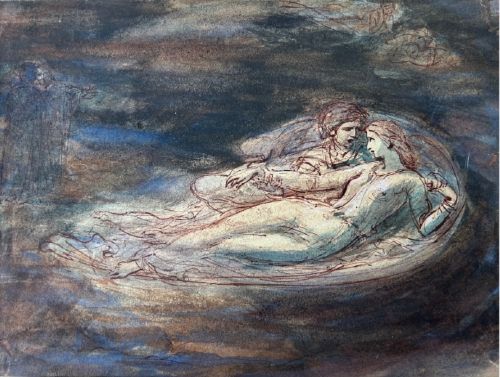
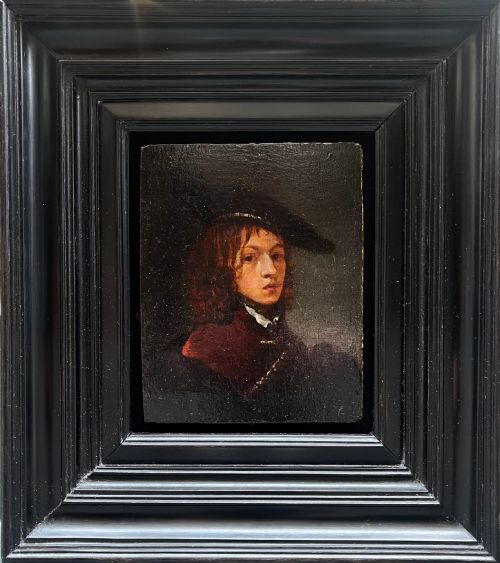
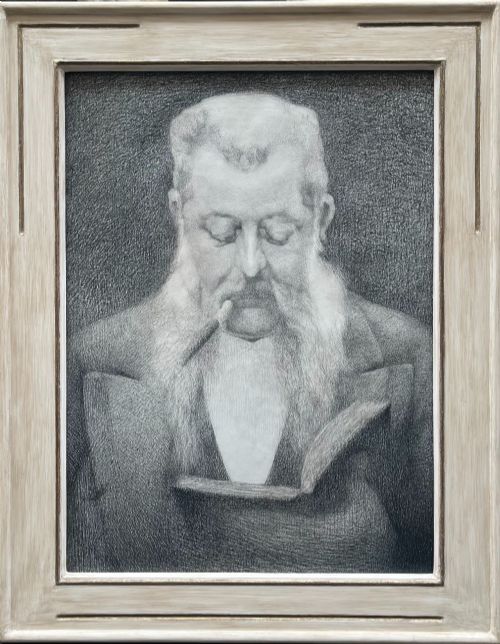
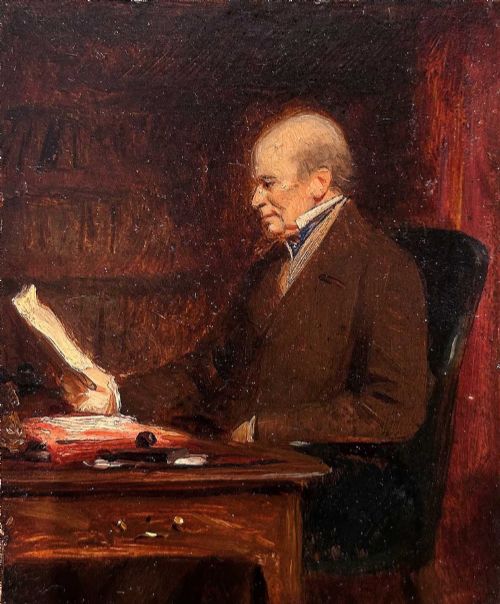
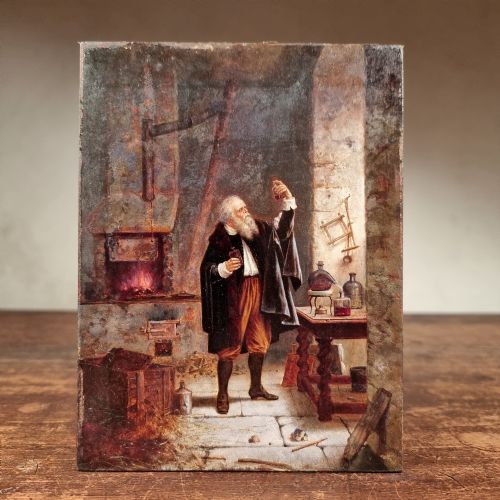
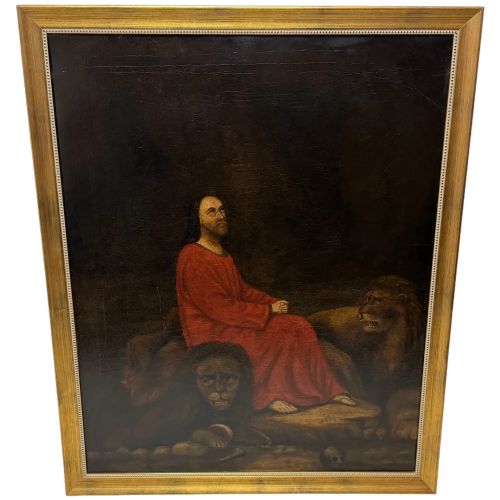
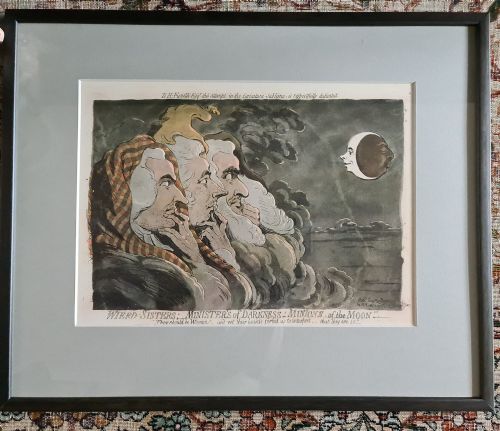
Dark academia art centres on historical portraiture, anatomical drawings and sombre still life compositions that evoke a studious, melancholic mood. These pieces range from seventeenth-century Dutch school oils to nineteenth-century romantic watercolours and naive folk art.
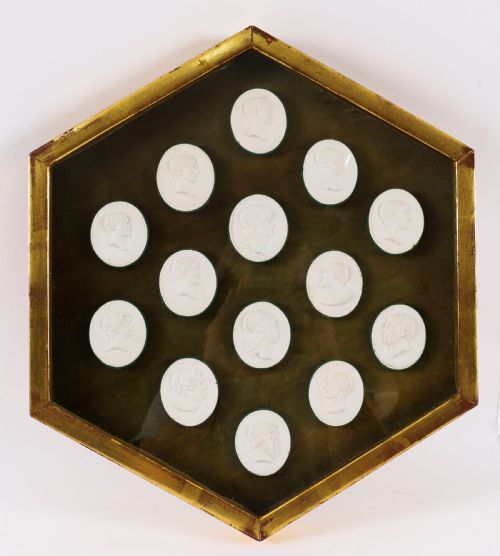
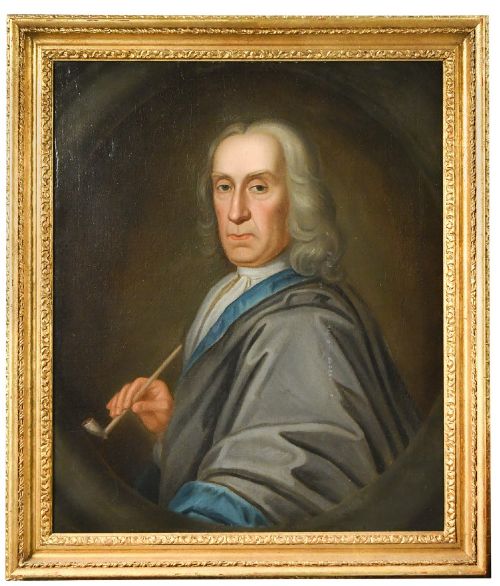
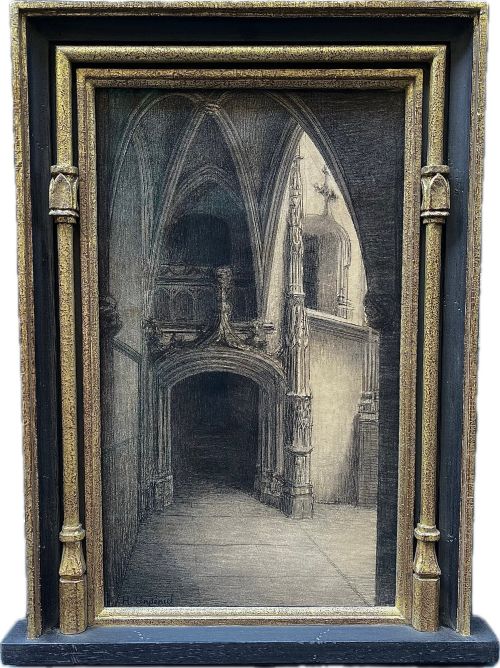
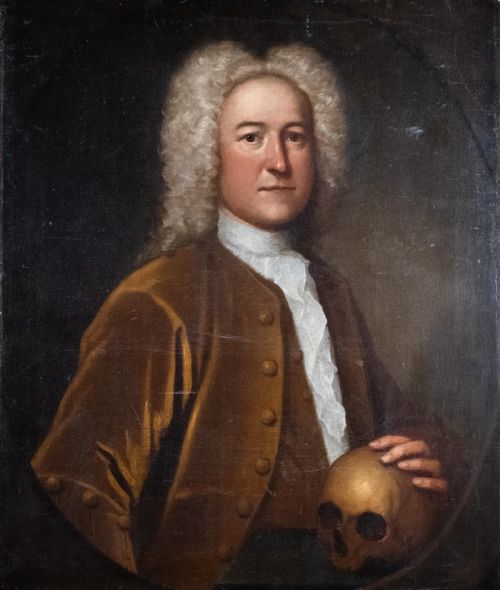
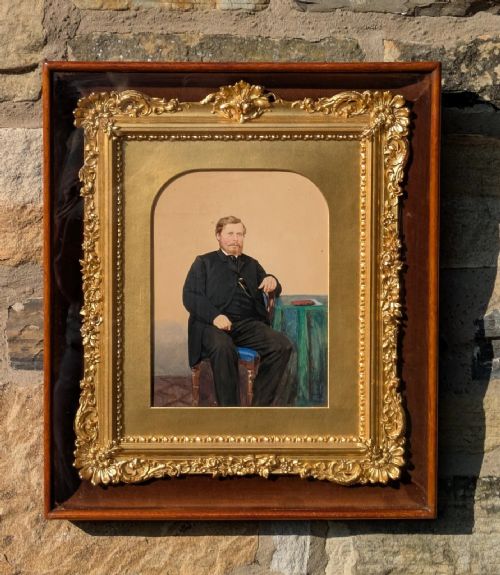
Portraits of gentlemen, scholars and clerics dominate the selection, often accompanied by dark religious narratives, classical intaglios and Gothic architectural studies. Buyers encounter framed canvas paintings alongside works on paper, wood panels and copper plates.
The aesthetic draws heavily on Victorian, Georgian, Baroque and Pre-Raphaelite traditions, leaning towards muted palettes, dramatic chiaroscuro and academic subjects.
Materials and Techniques
Artists relied primarily on oil paint applied to canvas, wood panels or copper, creating rich depth through layered glazes and varnishes. Works on paper utilise ink, wash, watercolour and engraving techniques to capture fine academic detail.
Framing plays a crucial role in presentation, with heavy gilt frames, deep glazed shadow boxes and ebonised wood settings enhancing the sombre tone of the works.
Listings feature works spanning from the seventeenth century through to the mid-twentieth century, executed in oil, watercolour, ink and engraving.
Judging Quality
Quality rests upon the confidence of the brushwork, the psychological depth of the portraiture and the preservation of the original surface. Stronger examples demonstrate anatomical precision and deliberate composition, whereas weaker pieces rely on formulaic repetition.
The integrity of the original medium, whether unlined canvas or untouched wood panel, distinguishes superior works from heavily restored alternatives.
Stephen Pearce·Niels Wiwel·Herbert Butler·James Archer·George Dowdney·John Scougall
The Dark Academia Art Glossary
- Vanitas
- A symbolic work of art associated with the Dutch Golden Age, reminding viewers of the transience of life through motifs like skulls and fading flowers.
- Chiaroscuro
- An artistic effect combining strong contrast between light and dark to give subjects volume and dramatic tension.
- Intaglio
- A gem or gemstone carved in incised relief, frequently mounted in collections for scholarly study during the Grand Tour period.
- Pre-Raphaelite
- A nineteenth-century movement dedicated to detail, intense colour and complex literary or religious narratives.
- Folk art
- Art produced by untrained or traditional artists, marked by a direct, naive approach to perspective and form.
Dark Academia Art: Frequently Asked Questions
What defines dark academia art?
Dark academia art encompasses historical paintings and works on paper that celebrate classical learning, melancholy and scholarly pursuits. The visual language leans heavily on old portraits, anatomical studies and shadowy interiors.
Subjects often include thinkers, clerics and natural philosophy specimens rendered in muted tones. This imagery creates an immersive, contemplative environment reminiscent of ancient libraries and studies.
How should I display these artworks?
These pieces suit spaces with rich wall colours, dark wood furniture and traditional bookshelves. Grouping portraits together salon-style enhances the scholarly aesthetic.
Lighting should remain indirect to protect aged pigments on canvas and paper while accentuating the deep tones of the frames. Heavy gilt or ebonised frames anchor the display against panelled or dark walls.
What subjects are most common?
Portraits of unnamed gentlemen, scholars and historical figures form the largest category of available works. Biblical narratives, anatomical engravings and still life compositions with skulls or books also appear frequently.
Architectural studies of Gothic churches and classical antiquities complete the typical range of subjects. Each motif reinforces an atmosphere of quiet intellectual inquiry.