


Cut Paper Picture Artwork
These cut paper picture artwork pieces offer intricate scenes and portraits crafted with scissors and knife, bringing historic portraiture and folk art straight to your wall.
Cut Paper Picture Artwork
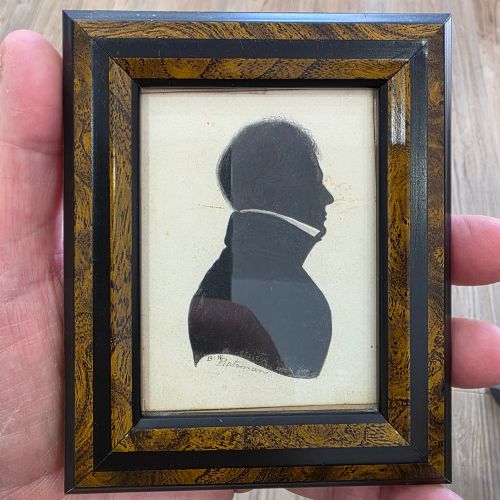
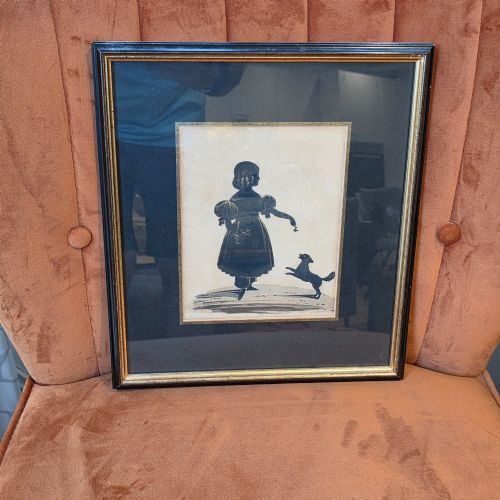
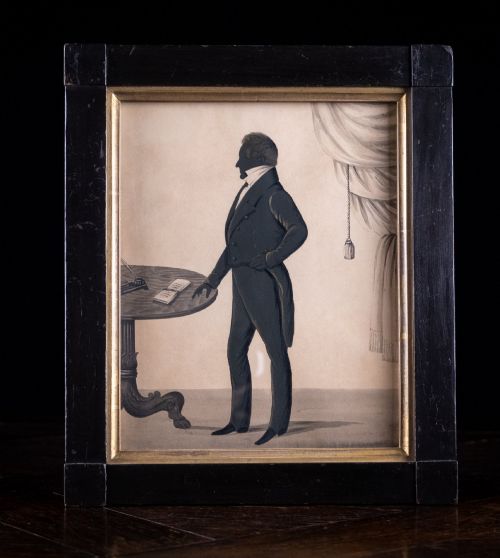
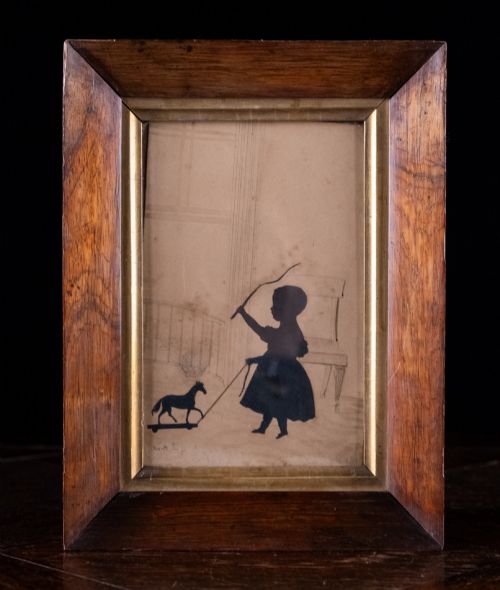
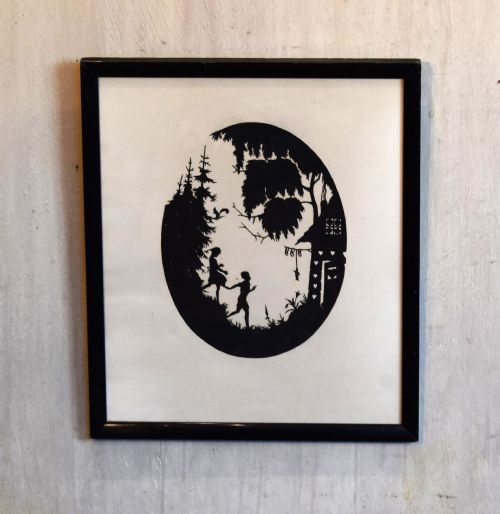
Cut paper picture artwork pieces encompass delicate silhouettes, intricate botanical compositions, and detailed figural collages framed for display. When exploring this selection, buyers encounter everything from solitary Regency gentlemen and children with animals to complex narrative conversation pieces and folk art scenes.
The objects span from the eighteenth century through the Victorian era and into the early twentieth century, reflecting shifting tastes in domestic portraiture and interior decoration. These works frequently utilise paper mounted against contrasting backdrops, sometimes enhanced with ink, watercolour, or gold leaf to highlight the central figures.
Framed presentation is integral to these pieces, with many surviving in period wooden surrounds such as ebonised wood, maple frames, and gilded mouldings under glass. Such frames protect the fragile paper cutouts while preserving the historic character of each composition.
Materials and Construction
Makers produced these works using fine paper sheets cut freehand with scissors or specialised knives, relying entirely on precise negative space and silhouette contour. Many examples incorporate delicate ink detailing, watercolour washes, or applied gold leaf to add depth and texture to the monochrome forms.
Protective framing remains standard across the category, utilising glass to shield the paper from environmental damage alongside wooden mouldings made from maple, ebonised timber, or gilded brass fixtures.
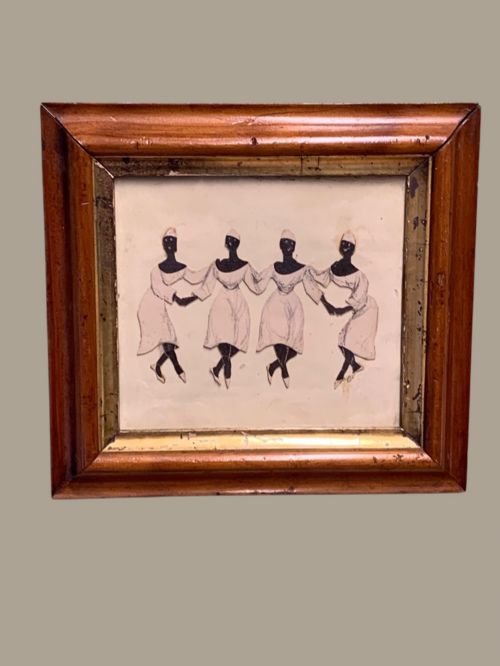
Squirrelled away in nineteenth-century parlours, these paper figures occasionally feature dancing African girls and gothic fairy tales.
Assessing Quality and Execution
The integration of secondary media elevates certain examples, particularly where subtle watercolour washes or gold leaf highlights enhance the primary paper cutouts. Original framing and the survival of period glazing or maker inscriptions further distinguish exceptional works from standard decorative pieces.
William James Hubard·Augustin Edouart·Bateman
The Cut Paper Picture Artwork Glossary
- Silhouette
- A solid monochrome image, typically a profile portrait, cut from paper and mounted on a contrasting background. This technique forms the foundation of most works in this category.
- Conversation Piece
- An informal group portrait depicting family members or groups interacting in a domestic or outdoor setting. These complex compositions often incorporate multiple cut paper figures and animals.
- Ebonised Wood
- Timber treated with a dark finish to resemble ebony, frequently utilised for nineteenth-century picture frames. This dark border provides a sharp visual contrast to light paper silhouettes.
- Gold Leaf
- Extremely thin gold beaten into sheets, used sparingly to accent cut paper details or frame inserts. It catches ambient light within the composition.
Cut Paper Picture Artwork: Frequently Asked Questions
How should I hang cut paper art?
Keep these framed works away from direct sunlight to prevent the paper and any watercolour pigments from fading over time.
Display them on interior walls with stable humidity levels to protect the fragile paper cutouts from moisture damage.
Are these works original or reproductions?
The pieces in this category are period originals dating from the eighteenth to the early twentieth centuries, created by hand.
Each artwork shows the distinct handling of paper and media characteristic of its specific period of production.
What frames are typical for silhouettes?
Makers housed these fragile paper works behind glass within timber frames, often utilising maple, ebonised wood, or gilded mouldings.
Original period frames contribute significantly to the historical integrity of the piece.
How do I date a paper silhouette?
Stylistic clues such as costume details, framing materials, and handwritten inscriptions on the reverse help establish the approximate decade.
Nineteenth-century examples frequently feature sharper contrasts and more elaborate group arrangements than earlier works.