
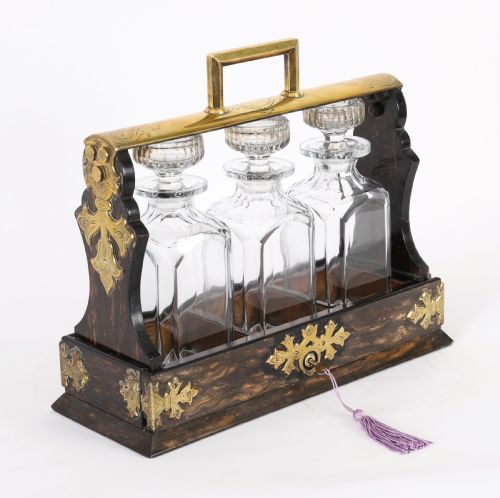

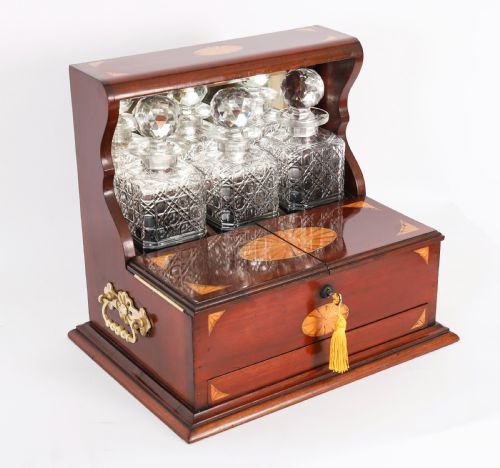


Cut Glass Tantalus
A cut glass tantalus secures your finest decanters behind a locking frame of metal and wood, keeping the whisky safely out of reach.
Cut Glass Tantalus
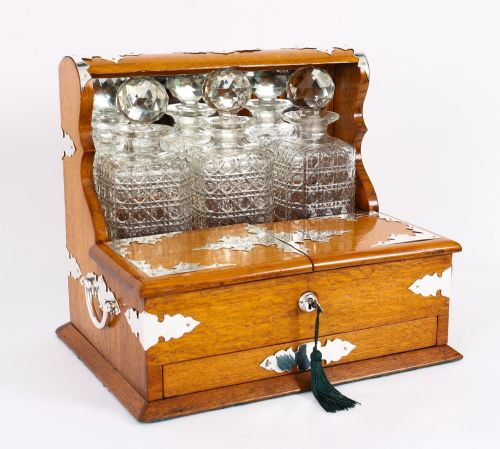
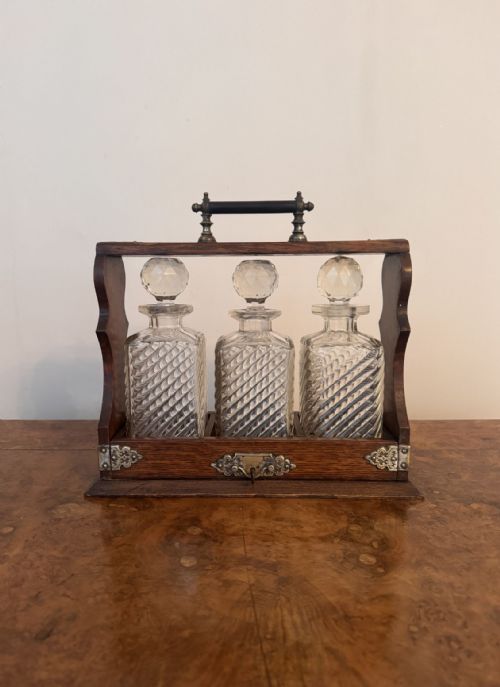
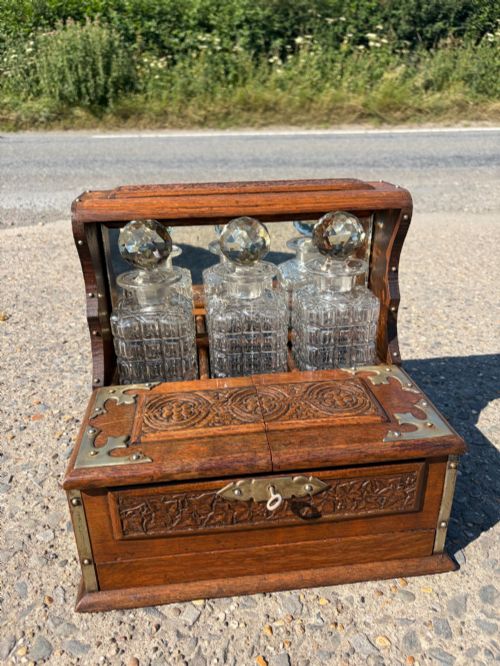
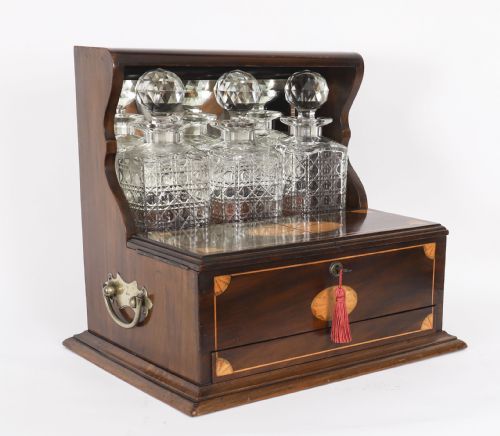
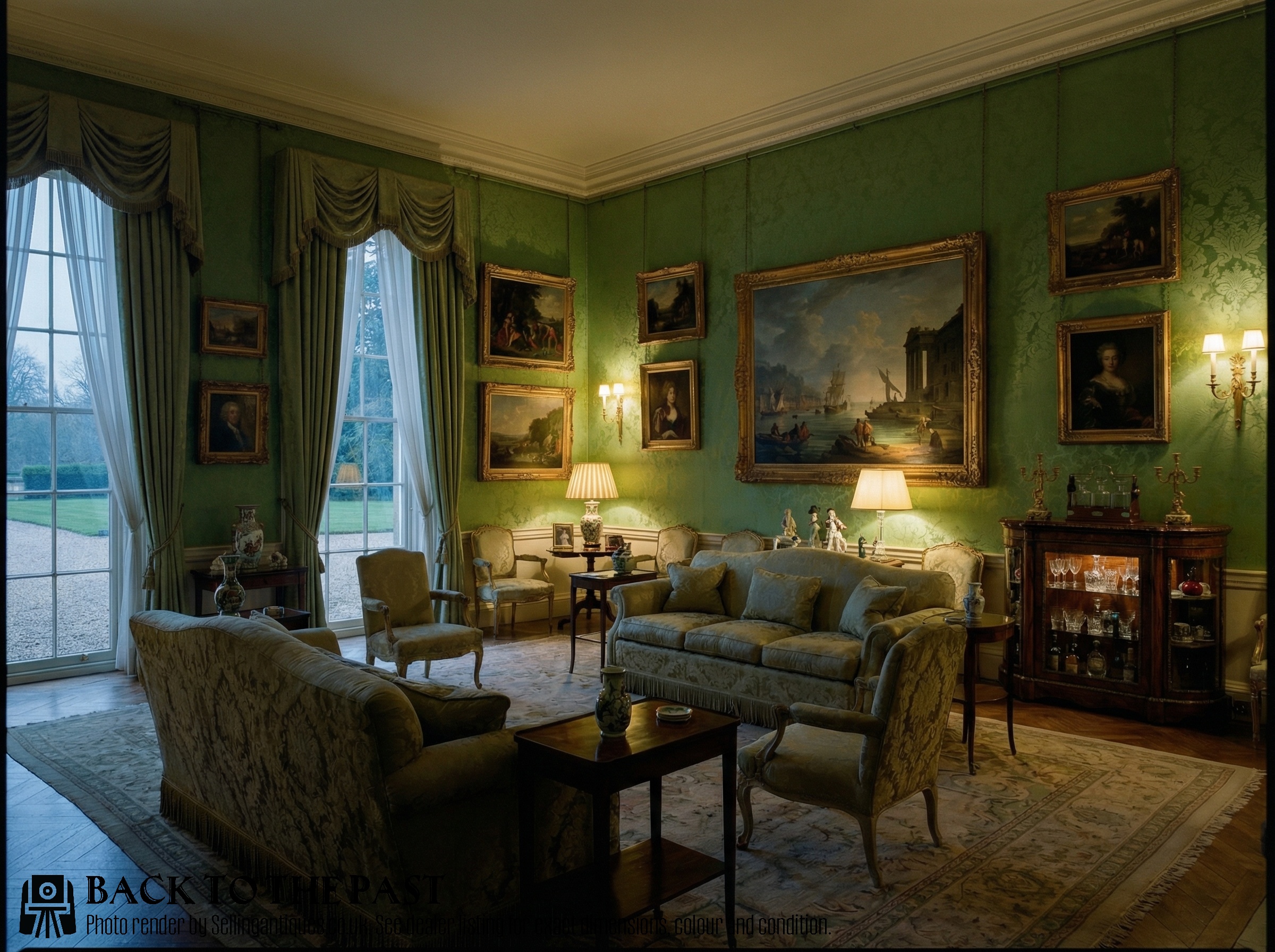
A cut glass tantalus holds two or three decanters in a fitted frame with a locking mechanism designed to prevent unauthorized access to the contents. The form emerged strongly in the Victorian and Edwardian periods, frequently combining barware with games compendiums or fitted dry bars.
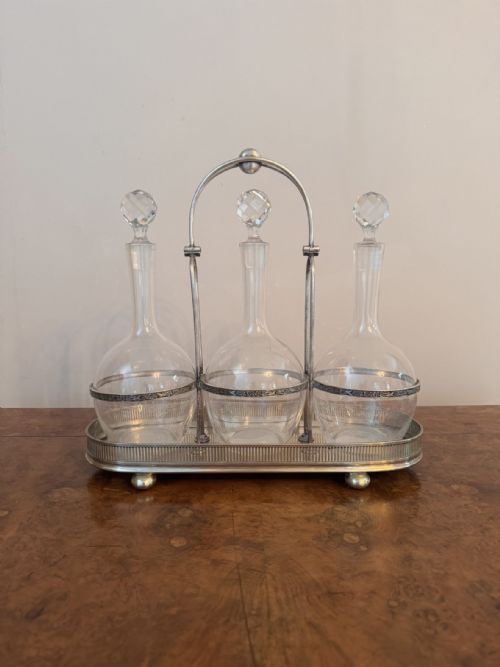
Oak frames predominate on this page, often rendered in blonde, dark, or marquetry-strung varieties, alongside luxurious surfaces in coromandel, walnut, satinwood, and mahogany. Many examples incorporate silver plated mounts, brass handles, or gallery rails.
Alongside standard spirit decanters, pieces range from single bottle cased items and miniature versions to French cave a liqueur sets housing baccarat or crystal glassware.
Timber, metal, and heavy crystal
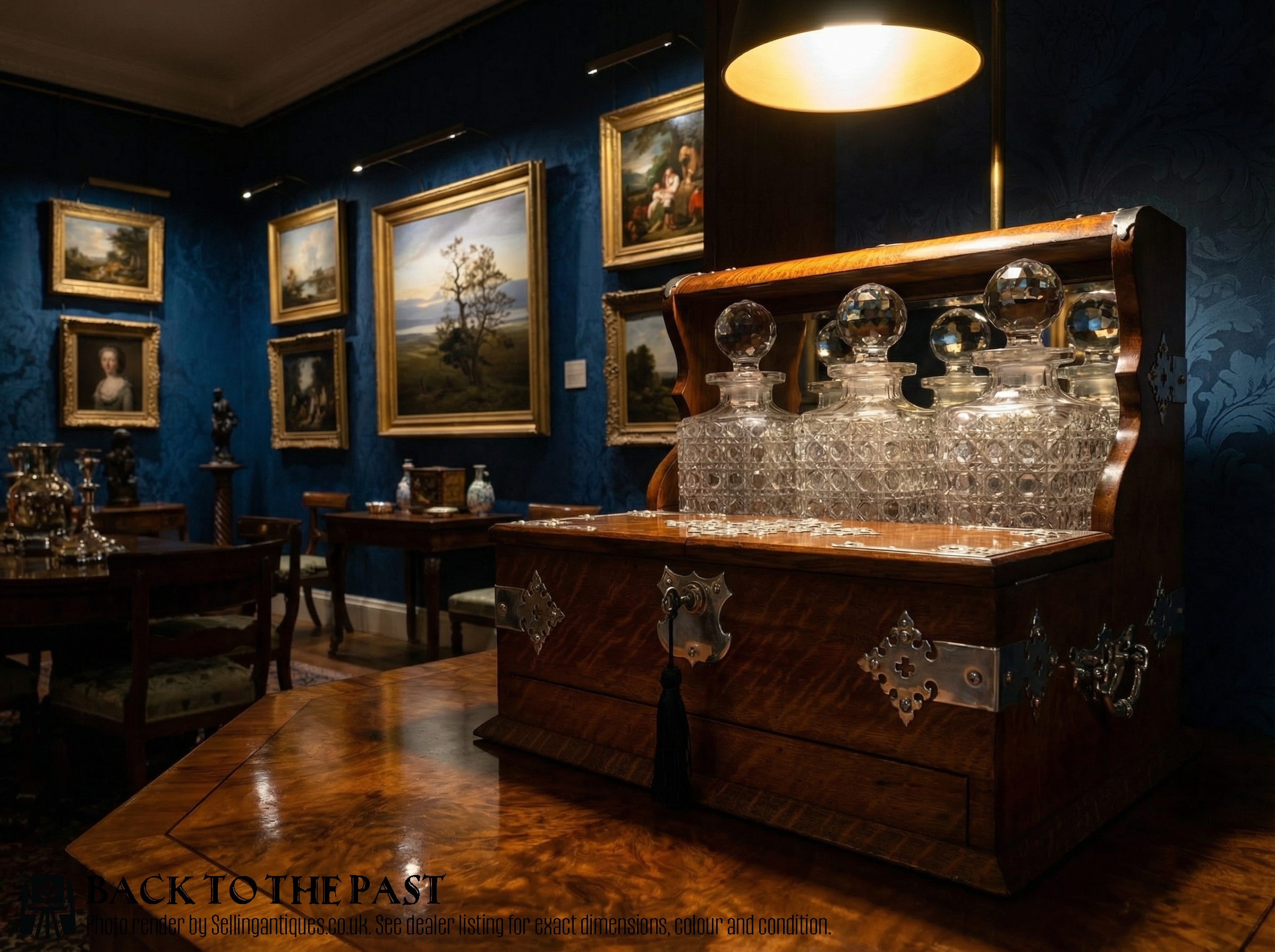
Cabinetmakers constructed the wooden frames from solid oak or exotic veneers like coromandel and walnut, incorporating brass hinges, lock plates, and drop fronts. Silversmiths and electroplaters provided the locking bars, carrying handles, and decorative mounts.
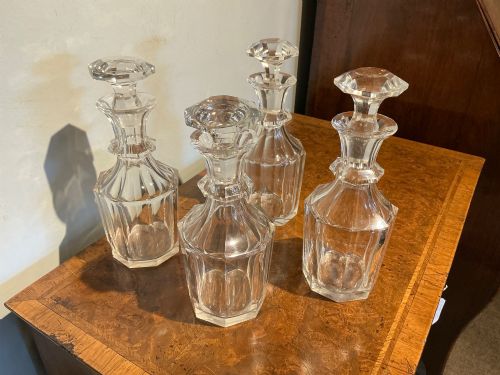
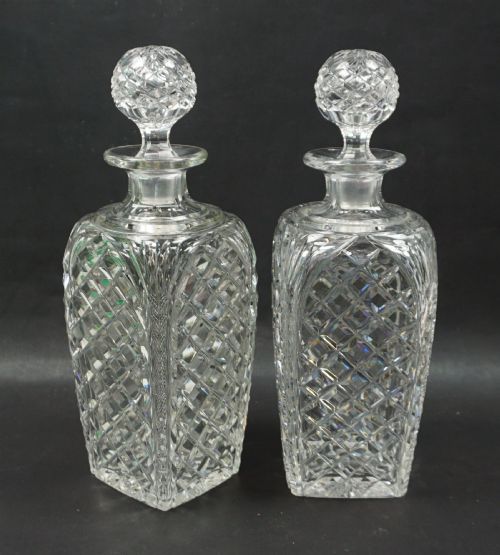
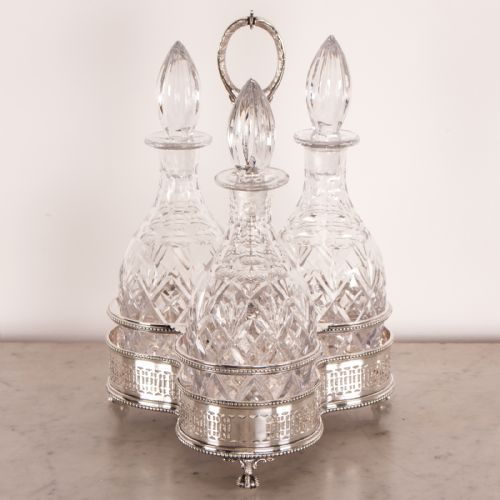
The decanters and jugs feature heavy cut crystal and cut glass, shaped into square or tapered profiles with matching stoppers. Makers utilised silver plate and old Sheffield plate for the metal stands and securing mechanisms.
Cut Glass Tantalus Retail Price Guide 2026
Typical asking prices for cut glass tantalus among the pieces listed under this phrase on Sellingantiques today, from the lower quarter to the upper quarter. They describe what is for sale here now, not the wider market.
Listings feature woods including oak, coromandel, mahogany, walnut, and satinwood alongside cut crystal and silver plate.
Material depth and mechanical complexity
Quality rests in the choice of timber and the sophistication of the locking mechanism, with exotic woods like coromandel and marquetry-strung oak sitting above standard utilitarian boxes. The presence of integrated games compendiums, secret drawers, or original folding fronts elevates a piece.
The weight and depth of the cut crystal decanters, paired with substantial silver plating or brass mountings rather than base metal, separate standard specimens from the finest examples.
Walker and Hall·Elkington·Betjemann Brothers·Excelsior
The Cut Glass Tantalus Glossary
- Tantalus
- A locking drink stand that holds decanters by their necks, named after the mythological figure who could see water but not reach it. The mechanism secures the stoppers in place until a key unlocks the top bar.
- Cave a liqueur
- A French compartmentalised box or stand designed to hold liqueur decanters and matching glasses, often featuring ormolu mounts and fine wood veneers. These units open to display fitted interiors.
- Games compendium
- A combination box housing equipment for multiple board or card games alongside a barware or tantalus section. These multi-functional pieces reflect Victorian desires for integrated social entertainment.
- Old Sheffield plate
- A composite material made by fusing a thin sheet of silver to a thicker copper base before rolling and forming. This technique predates modern electroplating.
Cut Glass Tantalus: Frequently Asked Questions
How does a tantalus lock work?
A vertical metal arm at the side or back connects to a horizontal top bar that rests directly over the glass stoppers. Turning a key in the lock releases this bar, allowing it to swing or lift clear so the decanters can be lifted out.
When the bar is lowered and locked again, the stoppers cannot be removed and the bottles remain trapped inside the frame.
What is the difference between a tantalus and a decanter set?
A standard decanter set or cruet displays bottles openly on a silver plated or wooden stand for easy pouring. A tantalus adds a physical security system that locks the bottles into the housing.
While both serve after-dinner drinks, the tantalus was specifically built to deter unauthorised sampling by household staff or guests.
Are keys usually included with antique tantalus sets?
Many surviving pieces retain their working keys, though some are sold without them depending on the individual item's history. Replacement locks or keys can sometimes be sourced by specialist horologists or cabinetmakers.
The locking bar mechanism can still be appreciated and operated visually even if a functional key is missing.
What periods do these pieces date from?
The listings span the nineteenth and early twentieth centuries, with a strong concentration of Victorian and Edwardian examples. Production styles range from mid-Victorian brass-mounted coromandel boxes to later oak and silver plated models.
Art Deco variations from the early twentieth century also appear with streamlined crystal and sterling silver details.