


Cut Glass Oil Lamp
These cut glass oil lamp examples combine heavy metal mounts with deeply faceted crystal fonts, built to cast a steady glow across Victorian and Edwardian rooms.
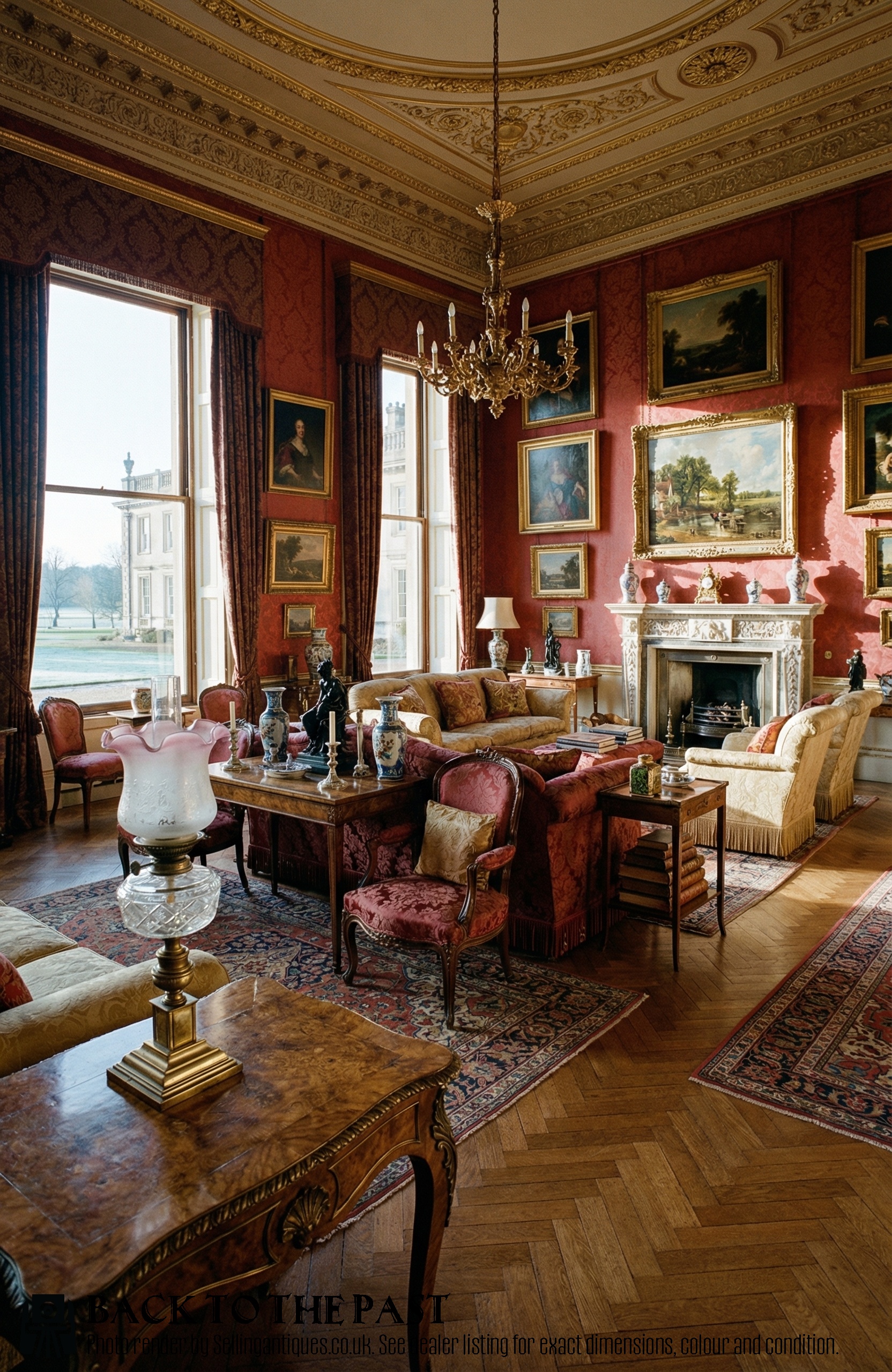
Cut Glass Oil Lamp
When you search for a cut glass oil lamp, you enter a field dominated by late nineteenth century production, stretching from the eighteen sixties through to nineteen hundred. These pieces combine heavy metal columns or bases with brilliant crystal reservoirs designed to burn paraffin or oil.
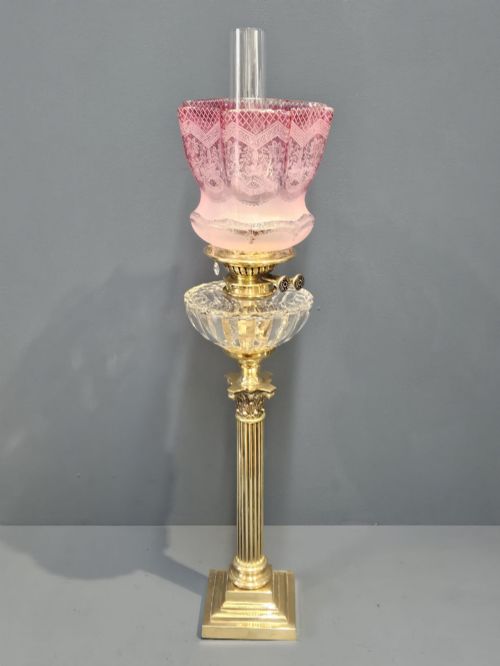
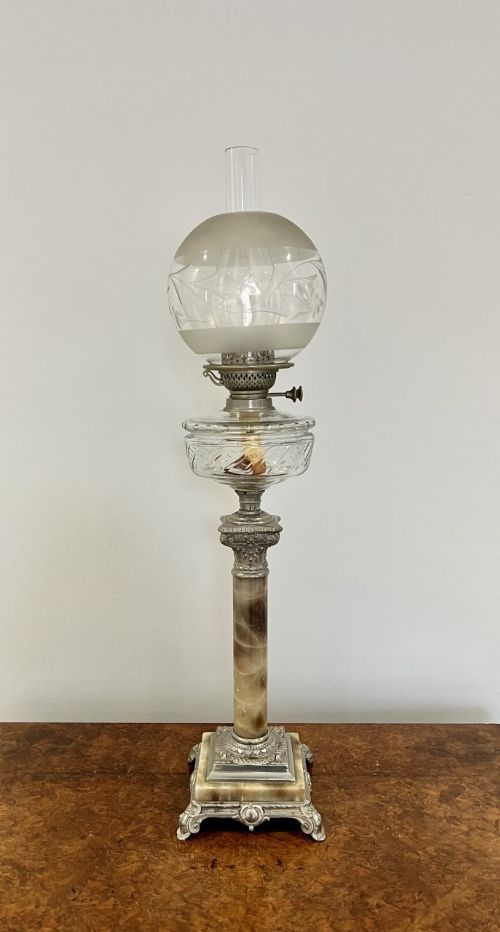
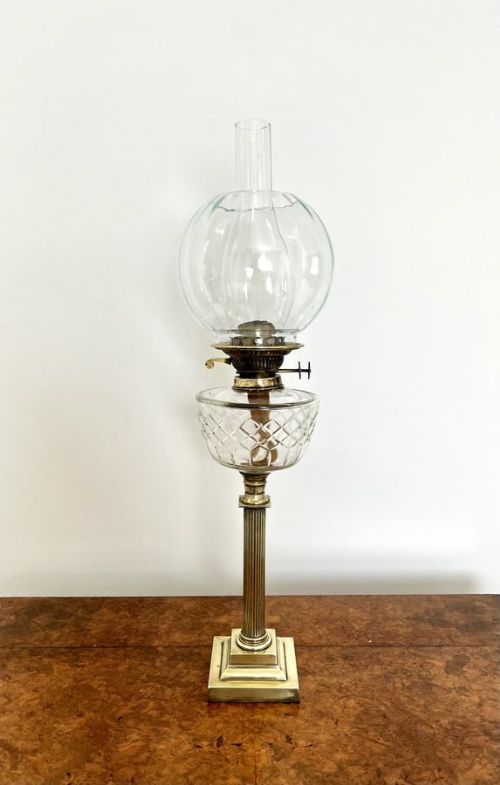
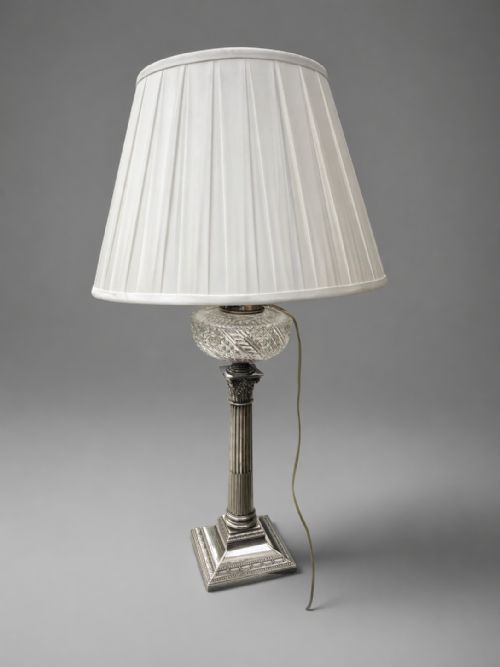
The most common form on this page is the Corinthian column table lamp, frequently mounted on brass, silver plate or onyx plinths. Alongside these architectural columns, you will encounter simpler reeded brass stems and substantial ormolu mounts supporting the faceted glass fonts.
Many survivors retain their original coloured or etched glass shades, particularly in cranberry or amethyst glass. Others have lost their burners over the decades and arrived here converted to electricity for modern household use.
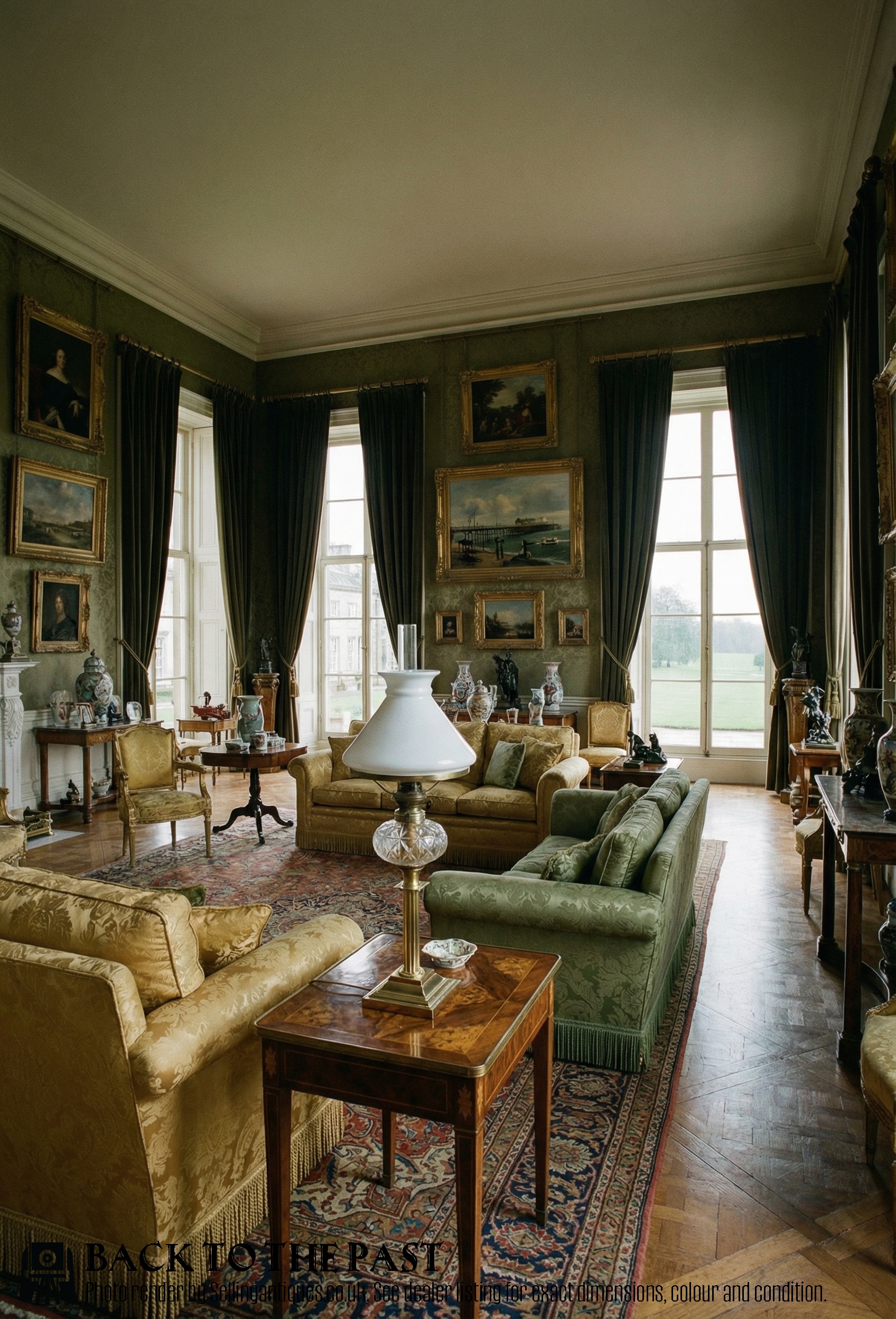
What varies in quality
Quality rests in the crispness of the glass cutting and the weight of the metal mounts. Finer examples display deep, sharp facets on the crystal font and heavy, solid brass or silver-plated columns that stand rigidly straight.
The integration of materials dictates the standing of a piece, where solid brass and matched pairs outshine lighter plated alternatives. Maker attribution and the presence of original coloured shades or undamaged crystal reservoirs elevate the stature of an individual lamp.
Cut Glass Oil Lamp Retail Price Guide 2026
Typical asking prices for cut glass oil lamp among the pieces listed under this phrase on Sellingantiques today, from the lower quarter to the upper quarter. They describe what is for sale here now, not the wider market.
Listings feature Victorian and Edwardian pieces, incorporating brass, silver plate, onyx, and cranberry glass alongside clear cut crystal.
Goldsmiths and Silversmiths Company·Messengers·Harrods·Hinks
The Cut Glass Oil Lamp Glossary
- Font
- The reservoir bowl that holds the oil or paraffin, usually formed from cut glass or crystal. It sits directly atop the metal column.
- Corinthian column
- An architectural column style featuring an ornate capital decorated with acanthus leaves. This form was widely utilised for Victorian table lamps.
- Ormolu
- Gilded bronze or brass applied to decorative mounts and bases. It provides a rich gold-coloured accent beneath the glass reservoir.
- Reeded column
- A vertical shaft carved with parallel convex rounds resembling bundled reeds. This column style appears frequently on nineteenth century brass standards.
- Sheffield plate
- An early fused plating technique where a thin sheet of silver was fused to a copper core. It predates standard electroplating methods.
Cut Glass Oil Lamp: Frequently Asked Questions
Are these lamps still safe to burn oil?
Most surviving lamps on the market have been converted to electricity for everyday domestic convenience. Restoring an old burner to burn paraffin requires careful inspection of the wick mechanism and collar.
Collectors generally choose to preserve them as wired table lamps rather than risking damage to fragile antique glass and brass fittings.
How do I date a cut glass oil lamp?
Dating relies on stylistic clues found in the metal mounts and the depth of the glass cutting. Victorian examples from the eighteen sixties to eighteen nineties often feature classical Corinthian columns or heavy brass reeded stems.
Later Edwardian pieces tend toward simpler ornyx bases and lighter plated fittings, while maker marks stamped on the brass collar provide definitive chronological markers.
Did these lamps always have glass shades?
Many oil lamps originally paired cut crystal reservoirs with matching glass shades, including cranberry and etched glass varieties. Over the decades, shades suffered breakage and were frequently separated from their original bases.
Finding a lamp retaining its matching period shade is uncommon, though clear glass chimneys remain standard across most surviving examples.
Where should I place a heavy table lamp?
These tall pieces require a sturdy surface such as a sideboard, heavy desk, or wide side table to support their substantial brass and glass weight. Their height makes them well suited for illuminating dark corners or anchoring a large room.
Keep them away from busy hallways where trailing cords might catch on the heavy metal base.