


Cut Glass Drinking Glass
These cut glass drinking glass examples bring tactile weight and brilliant refraction to any table, spanning robust Georgian rammers to elegant Victorian goblets.
Cut Glass Drinking Glass
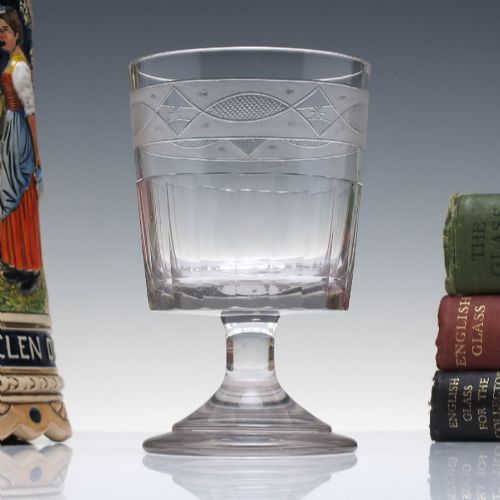
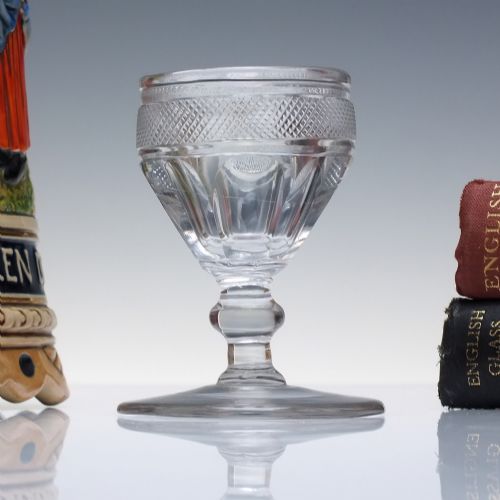
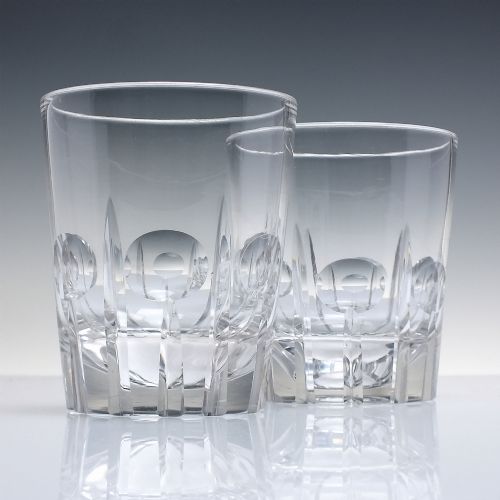
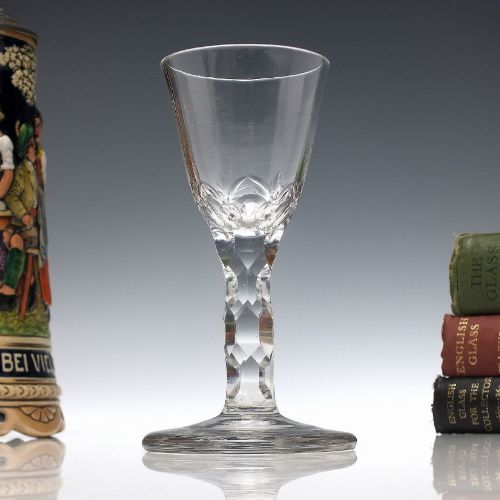
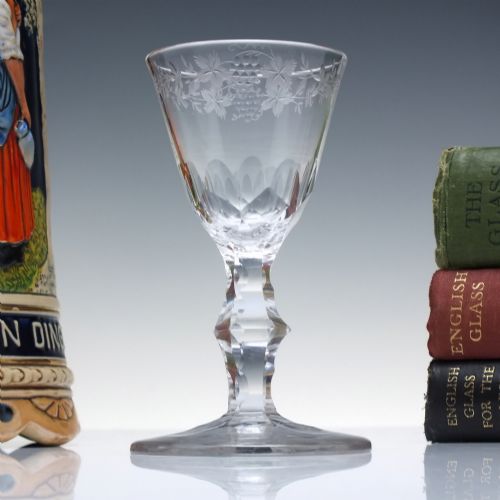
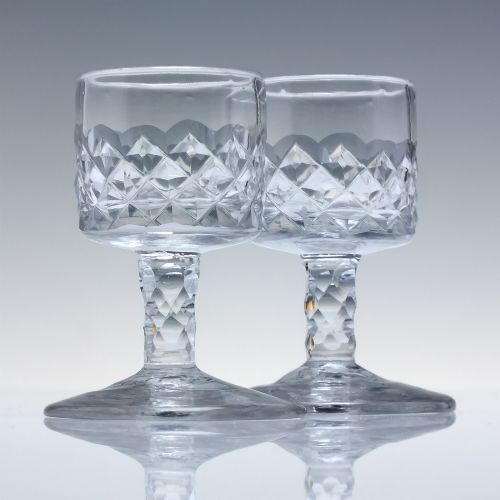
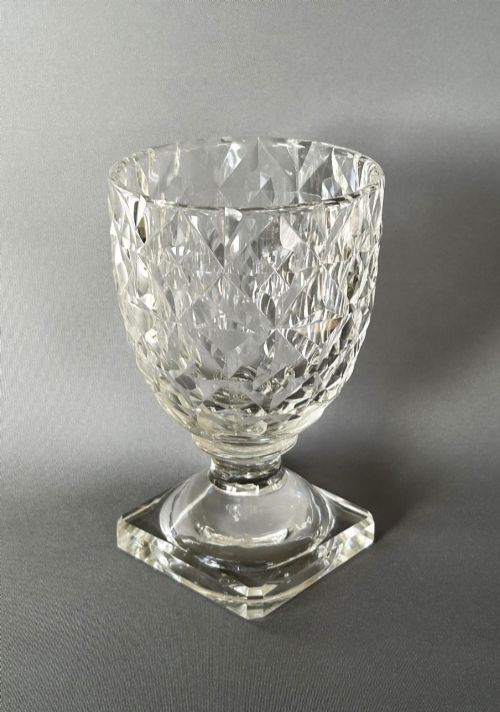
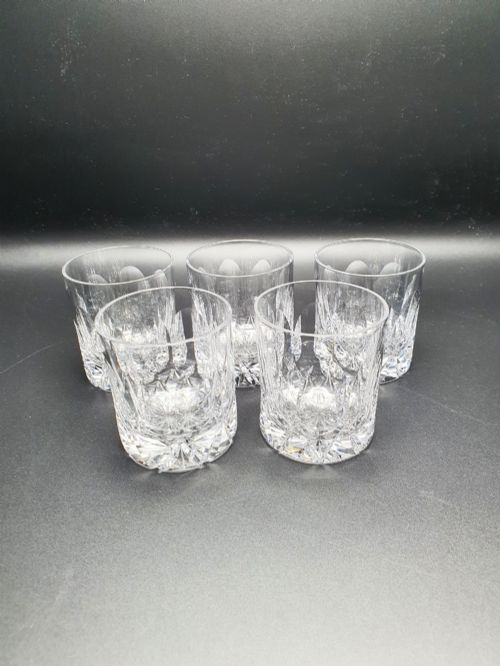
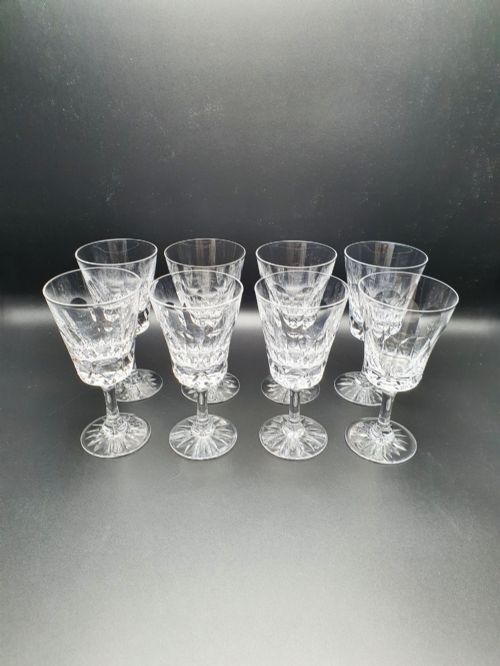
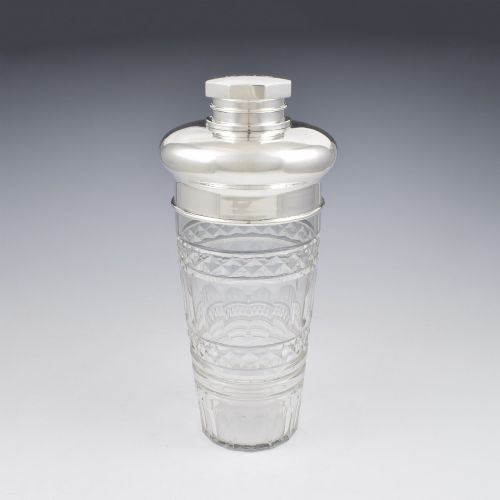
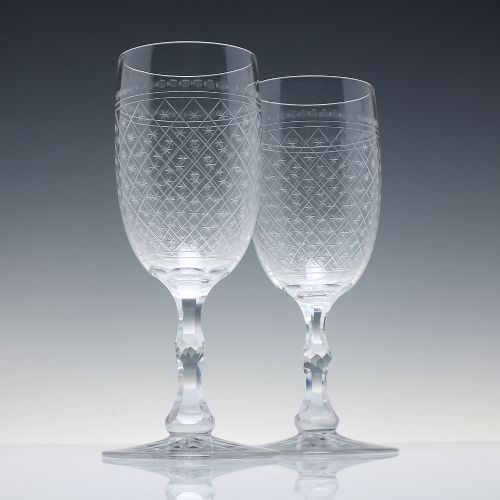
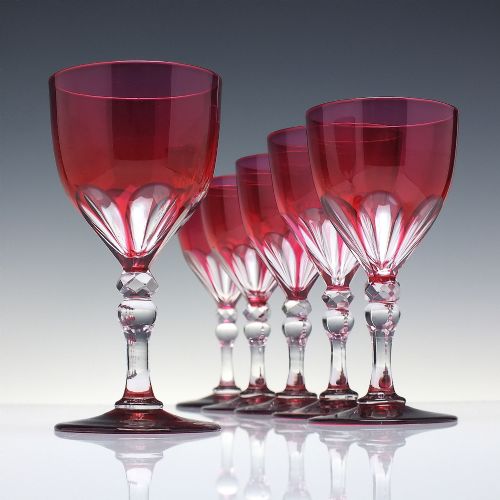
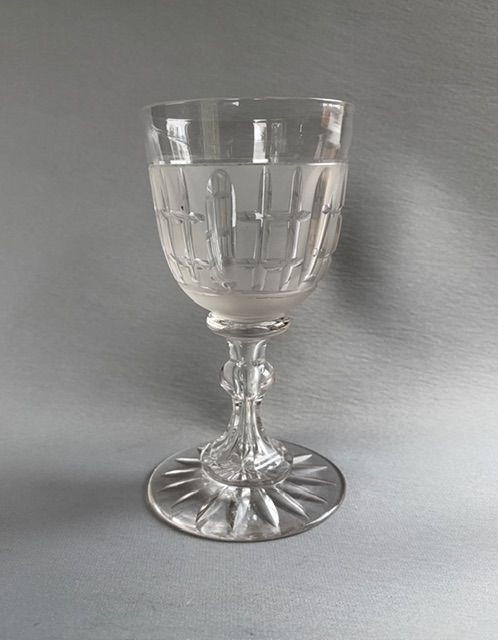
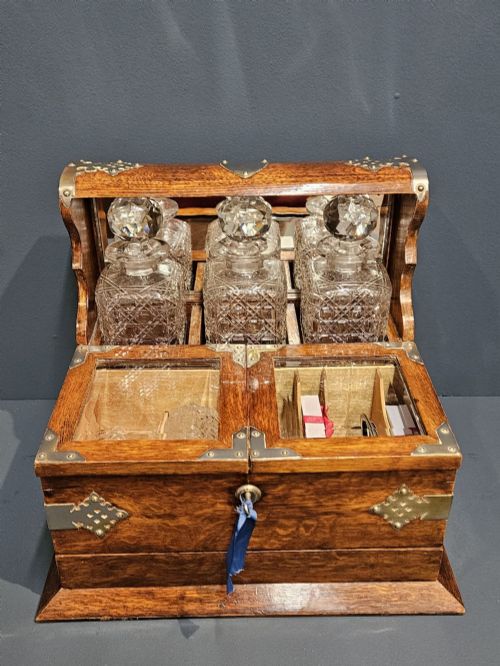
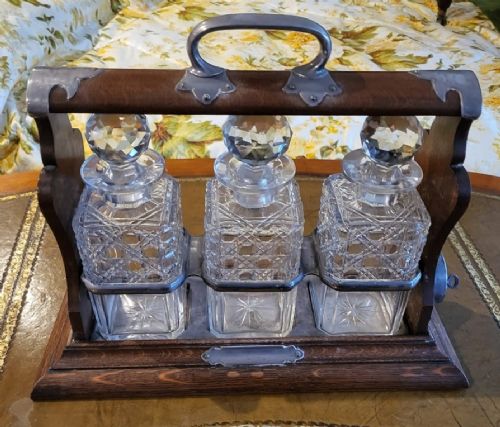
When searching for a cut glass drinking glass, buyers encounter diverse forms ranging from eighteenth-century dram glasses and ale glasses to nineteenth-century tumblers, rummers, and wine goblets. Georgian items frequently exhibit faceted stems and thick foot bases, while Victorian variations often introduce cranberry glass, vaseline glass, and engraved botanical motifs. Decanter sets and tantalus units also appear alongside individual stemware and barware.
The most common versions met on this page are sturdy Victorian tumblers, mid-nineteenth-century rummers, and Georgian toastmaster glasses. These objects served functional roles in domestic dining and entertaining, evolving from heavy tavern vessels into refined table glass across the Georgian, Victorian, Edwardian, and Art Deco periods.
Materials and Working Methods
Makers utilised lead glass, lead crystal, and standard glass, shaping vessels through blowing before applying wheel-cut facets, hobnail patterns, or intaglio engraving. The heavy density of lead crystal allowed artisans to cut deep geometric patterns that catch light from multiple angles.
Secondary materials such as oak, satin wood, brass, and silver plate appear in supportive items like tantalus frames and spirit flasks. The combination of brilliant glass cutting and fitted timber or metal mounts defines the manufacturing standards of these periods.
Cut Glass Drinking Glass Retail Price Guide 2026
Typical asking prices for cut glass drinking glass among the pieces listed under this phrase on Sellingantiques today, from the lower quarter to the upper quarter. They describe what is for sale here now, not the wider market.
Judging Quality and Execution
Superior pieces display crisp, deep cutting where the edges of facets remain sharp to the touch rather than softened by excessive polishing. The clarity of the metal, freedom from cloudiness, and balance in the hand distinguish finer Georgian and Victorian examples from simpler utility wares.
The precision of engraved decoration and the weight of the foot base indicate the standard of production. Uniformity across matched sets of wine glasses or tumblers separates master workshop output from ordinary domestic glassware.
The Cut Glass Drinking Glass Glossary
- Rummer
- A large, heavy drinking glass popular in the eighteenth and nineteenth centuries, often used for ale, wine, or punch. These vessels usually feature sturdy stems and capacious bowls.
- Dram glass
- A small historical drinking vessel designed for holding a single measure of spirits. They frequently appear with facet-cut bowls from the Georgian era.
- Hobnail cut
- A decorative surface pattern consisting of small, raised pyramidal cuts resembling the hobnails on rustic boots. This technique creates intense light refraction.
- Intaglio engraved
- A design sunk below the surface of the glass by means of a small rotating wheel. This method produces detailed pictorial or floral motifs.
- Tantalus
- A locking wooden frame holding decanters of spirits to prevent unauthorised access while displaying the cut crystal bottles inside. They are typically made from oak, burr walnut, or satin wood.
Cut Glass Drinking Glass: Frequently Asked Questions
How do I date an old drinking glass?
Dating relies on observing form, manufacturing techniques, and stylistic cues such as facet cutting or engraving. Georgian pieces often display thick foot bases and pontil marks, while Victorian examples introduce coloured glass variants like cranberry and vaseline.
Examining the weight and clarity of the glass alongside any accompanying fitted wooden tantalus frames helps narrow the production era to specific decades like the 1880s or 1920s.
What were rummers used for?
Rummers served as versatile domestic drinking vessels for ale, cider, wine, and punch during the Georgian and Victorian periods. Their heavy build made them practical for daily dining and tavern use.
The wide bowls accommodated generous portions, while the thick stems and broad feet provided stability on busy tables.
How should I clean antique glass?
Cleaning requires lukewarm water and mild soap, avoiding sudden temperature changes that can crack historical material. Soft cloths prevent scratching the polished surface and wheel-cut facets.
Harsh chemical detergents and dishwashers must be avoided to protect the integrity of nineteenth-century lead crystal and delicate intaglio engravings.
Are matched sets common?
Matched sets of multiple pieces survive from the Victorian and later periods, though eighteenth-century items more frequently appear as single pieces or small pairs. Finding sets of six or eight wine glasses or tumblers indicates a well-preserved collection.
Slight variations in height or cutting depth often reveal the handmade nature of these older tablewares.