
Cut Glass Decanter Glasses
These cut glass decanter glasses bring substantial weight and intricate refraction to the table, spanning Georgian, Victorian and Edwardian periods.
Cut Glass Decanter Glasses
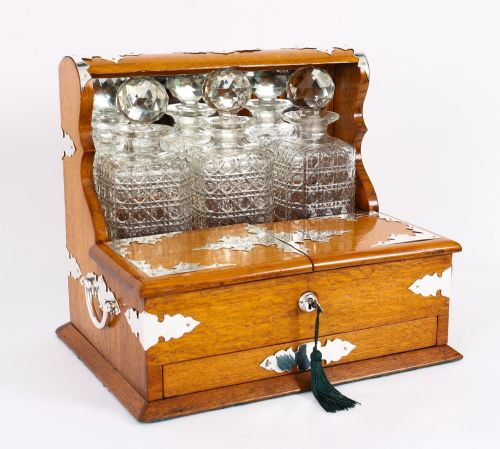
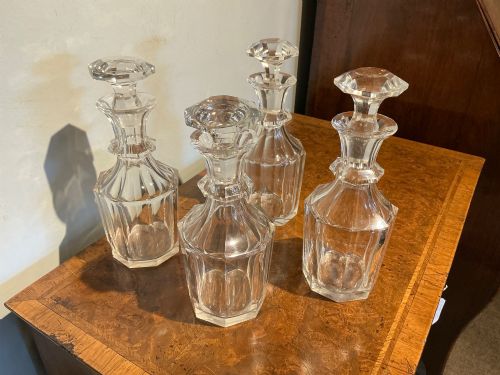
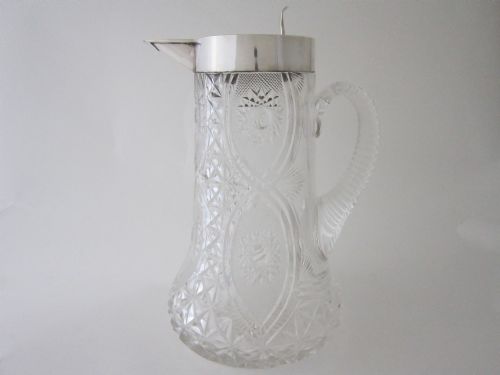
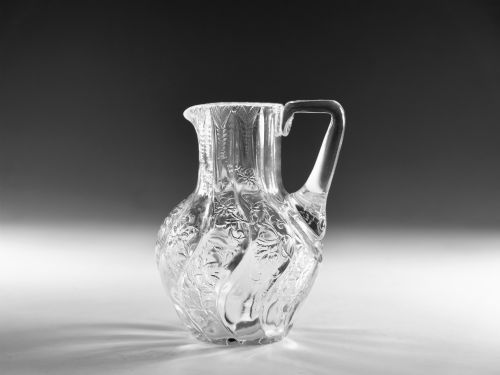
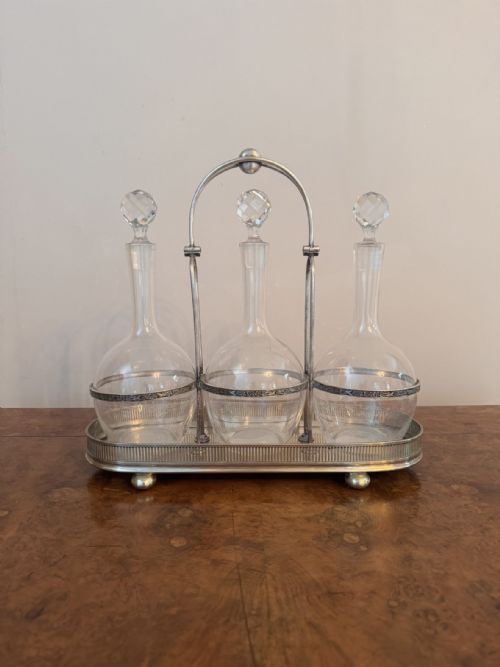
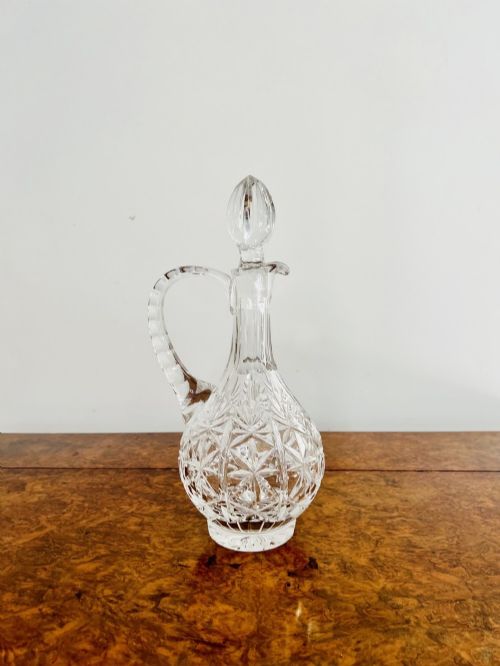
When you search for cut glass decanter glasses, you encounter a range of heavy serving vessels and accompanying items designed for wine, spirits and water. The selection includes standalone carafes, claret jugs and tantalus sets housing multiple bottles alongside drinking glass suites.
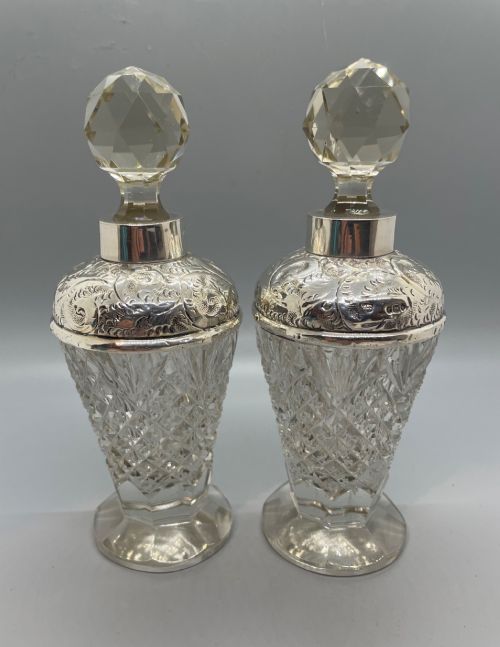
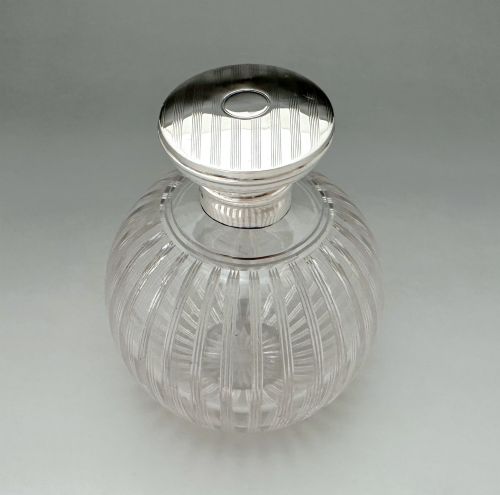
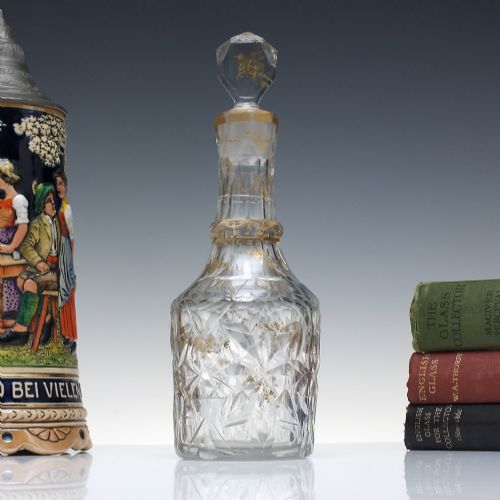
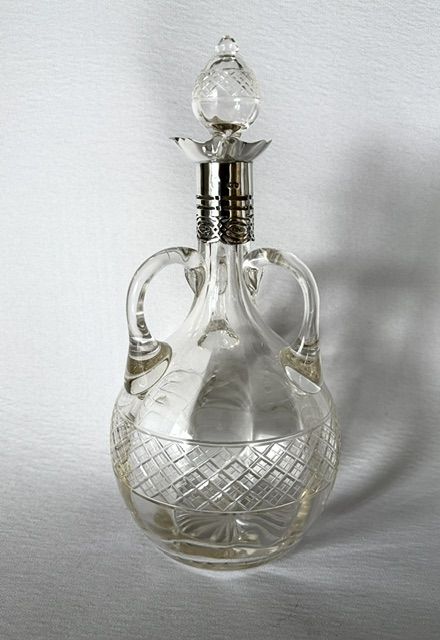
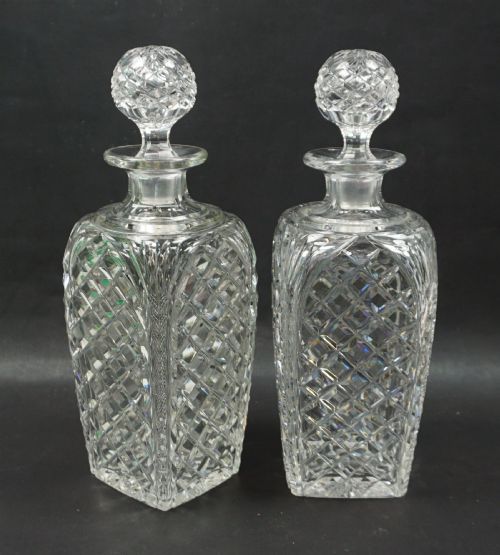
Victorian and Edwardian examples appear most frequently, often mounted with sterling silver or silver plated collars, handles and pours. Pieces range from straightforward square section spirit decanters to elaborately decorated Bohemian and Irish crystal forms.
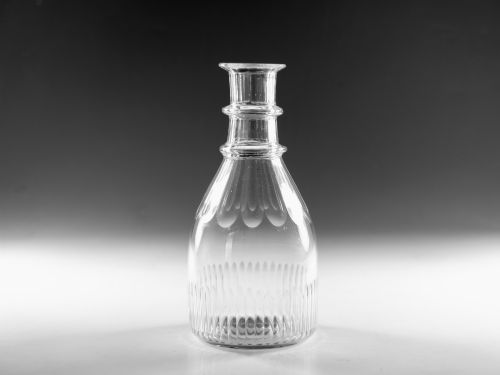
Older Georgian items surface alongside these later pieces, showing pillar and prism cutting or gilt decoration from the eighteenth and early nineteenth centuries. Sets of drinking glasses and liqueur decanters complete the typical groupings found within these categories.
Materials and manufacture
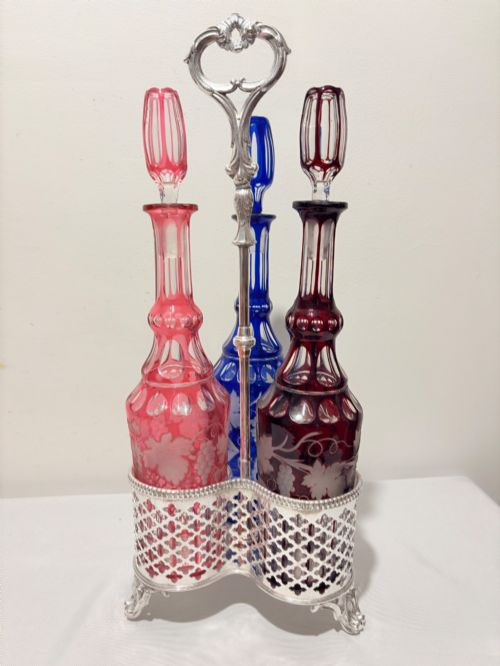
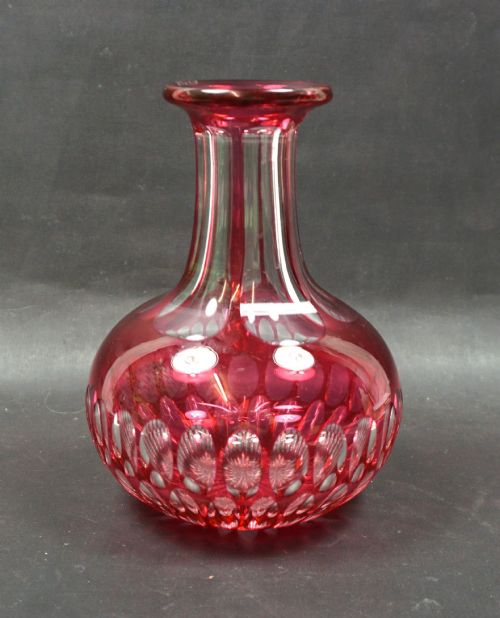
Glassmakers shaped these pieces using heavy lead crystal and standard glass, applying deep wheel cutting to create geometric facets that catch the light. Coloured overlays, such as cranberry and cobalt glass, appear alongside clear crystal to provide contrast when cut back to the clear layer.
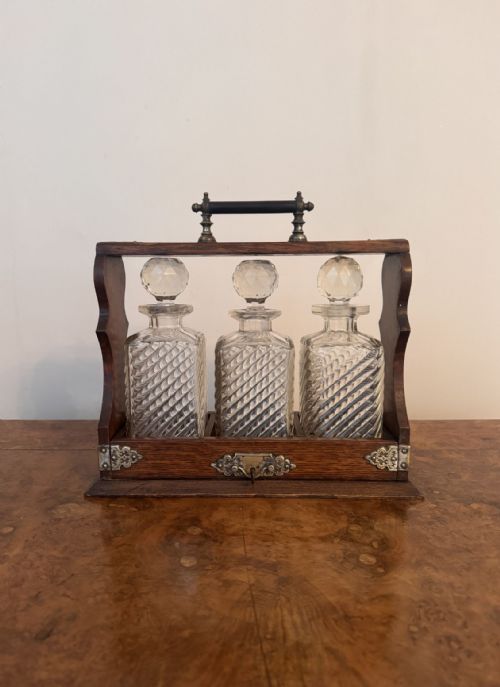
Metal mounts in sterling silver and silver plate provide collars, hinged lids and carrying handles, frequently bearing hallmarks or maker marks from workshops like Walker & Hall. Wooden frames in oak and coromandel house several decanters securely within locking tantalus mechanisms.
Victorian motorists could take refreshments on the move using specialised vintage car cruet sets equipped with secure glass bottles.
Judging the work
Depth and crispness of the cutting distinguish finer vessels from simpler production pieces, with sharper facet edges indicating skilled hand work. The weight and clarity of the metal or crystal base show the purity of the material used by the glasshouse.
The integration of metal mounts, such as closely fitted silver collars and sturdy hinges, separates standard items from higher quality examples. Fitted wooden tantalus housings with intact locking mechanisms and complete sets demonstrate superior original manufacture.
James Giles·Stevens and Williams·Walker and Hall
The Cut Glass Decanter Glasses Glossary
- Tantalus
- A locked wooden frame holding decanters securely visible while preventing access without a key. These cabinets typically appear in oak or coromandel with silver plated hardware.
- Claret jug
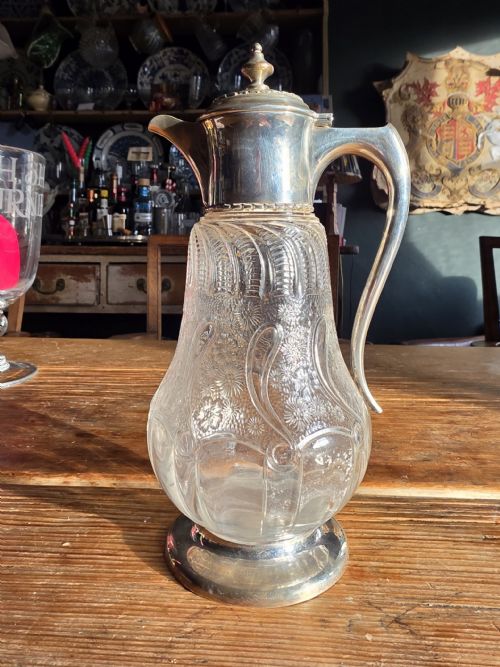
- A pouring vessel specifically designed for red wine, combining a glass body with a silver or silver plated handle, spout and hinged lid. Examples span the Victorian and Edwardian eras.
- Pillar and prism cut
- A style of heavy geometric cutting featuring vertical facets and prismatic bands that refract light strongly. This technique frequently appears on Georgian and Regency decanters.
- Overlay
- A manufacturing technique where a layer of coloured glass covers a clear crystal body before being partially cut away. This exposes the clear glass beneath in decorative patterns.
- Cruet set
- A matched group of small bottles or jars held in a metal stand for condiments, oil and vinegar. Victorian examples often feature cut glass bottles with silver mounts.
Cut Glass Decanter Glasses: Frequently Asked Questions
How do I date a cut glass decanter?
Examine the shape of the body, the style of the cutting, and any metal mounts for hallmarking evidence. Georgian pieces often display distinct prism cutting, while Victorian and Edwardian examples frequently feature silver collars with date letters.
Stopper design also offers clues, as handmade stoppers fitted specifically to individual necks differ from later mass produced interchangeable equivalents.
What is a tantalus set?
A tantalus is a locking wooden stand that secures decanters by their stoppers, preventing removal of the bottles without a key. Nineteenth century versions in oak or coromandel often incorporate games compendiums.
They allowed hosts to display spirits while restricting unauthorized access by household staff or guests.
Are these decanters safe for modern use?
Most antique cut glass decanters remain entirely suitable for holding wine and spirits today. Lead crystal composition requires avoiding prolonged storage of acidic liquids over many months.
Hand washing in lukewarm water preserves the clarity of the glass and protects any vintage silver mounts from harsh detergents.
How do I identify Bohemian cut glass?
Bohemian pieces often showcase vibrant colours like cobalt blue or cranberry red combined with heavy facet cutting and gilding. These items frequently originate from the nineteenth or early twentieth centuries.
The deep colour saturation and precise surface engraving distinguish them from standard English domestic crystal.