
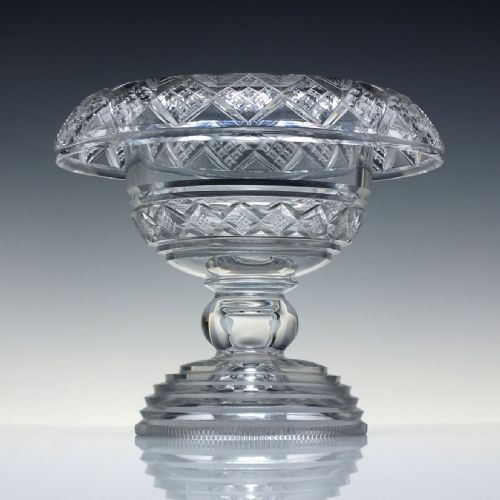


Cut Glass Chalice
These cut glass chalice pieces bring brilliant sparkle and heavy weight to any room, and you are likely to meet robust Victorian and Regency examples here.
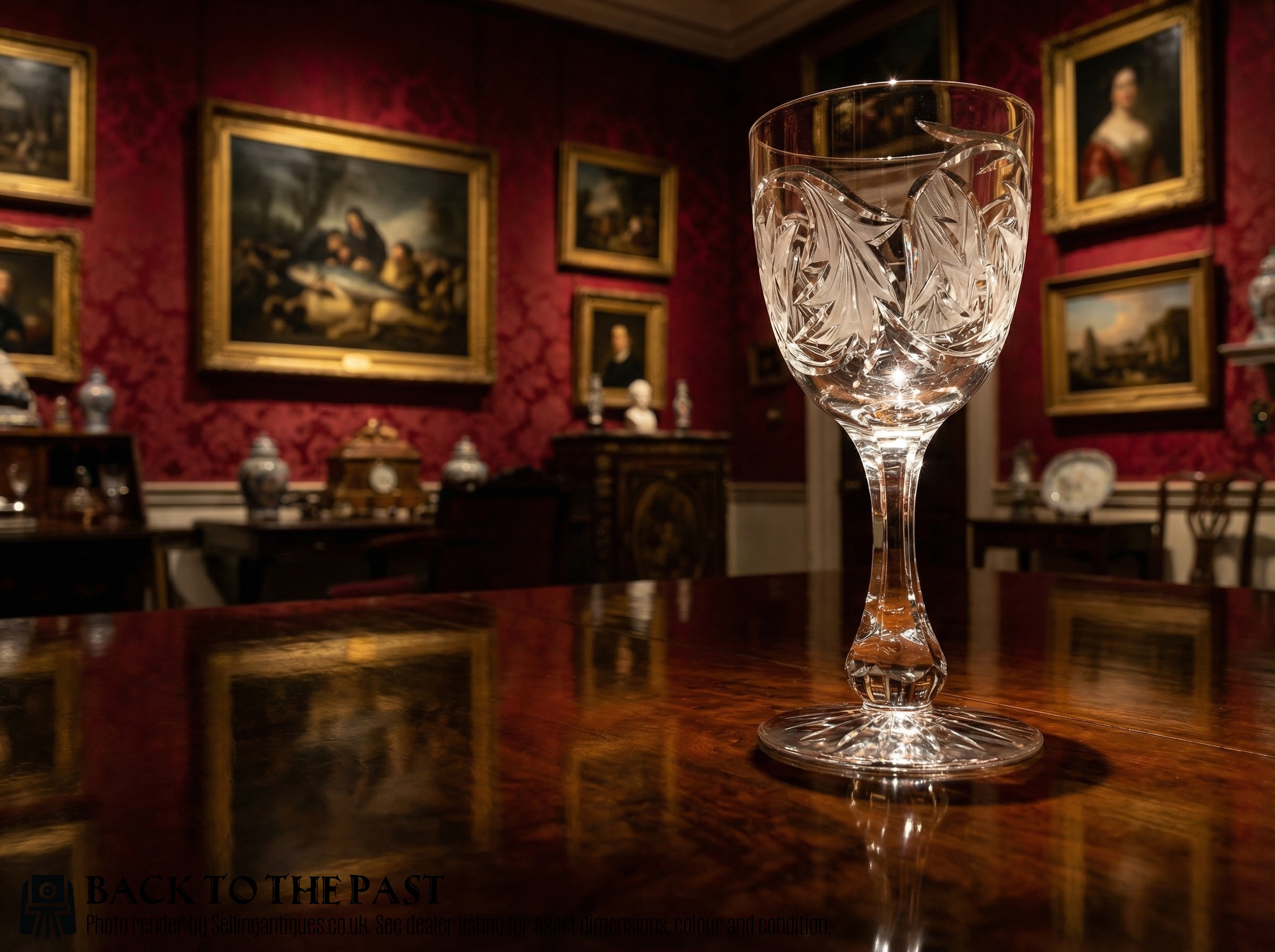
How they were made
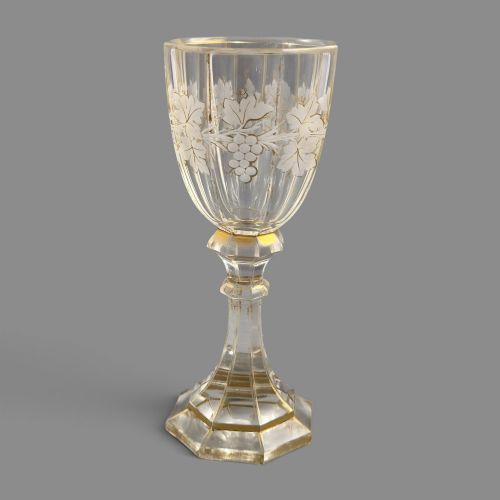
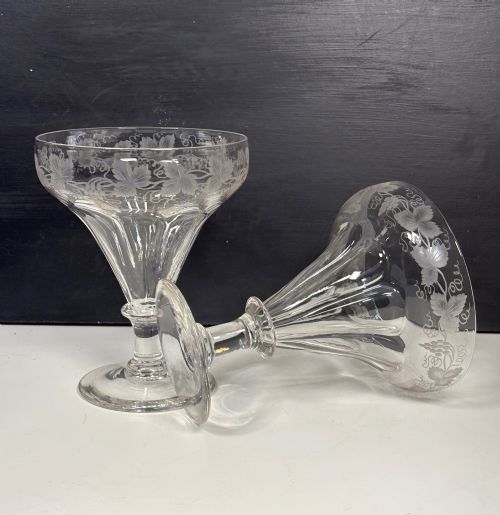
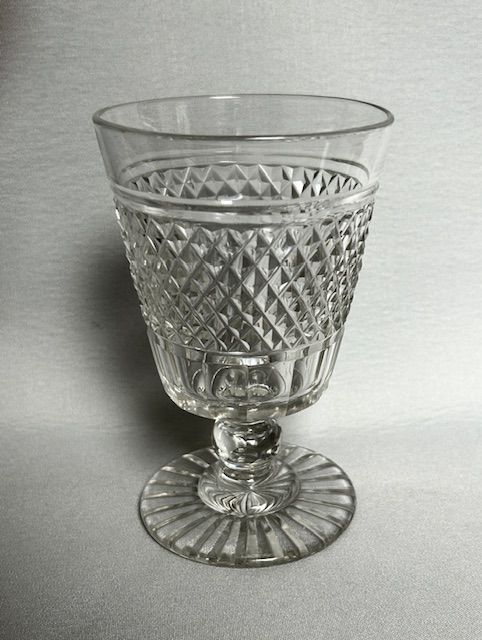
Craftsmen shaped these vessels from lead crystal and plain glass, utilising heavy blowing techniques before applying deep wheel-cutting to create hobnail and geometric patterns. Surface decoration often involved intaglio engraving, etching, and hand-applied gilding or gold leaf.
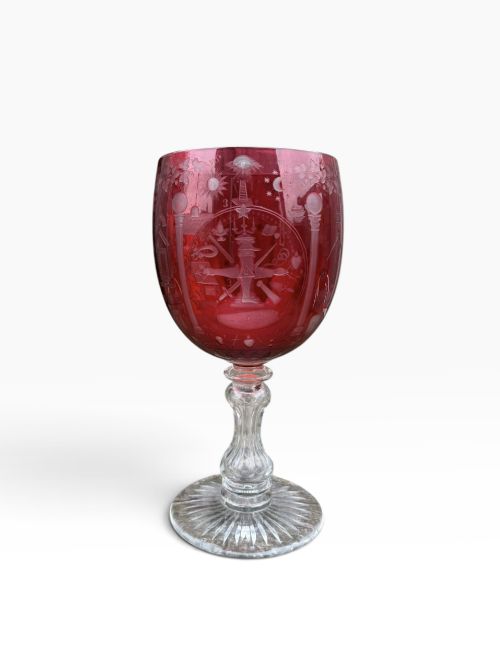
Certain pieces utilise cased glass methods, layering different coloured glass over a clear core so that the cutter could slice through the top layer to reveal contrasting colours beneath. This demanded immense precision from the glasscutter to maintain even depths across curved surfaces.
What varies in quality
The clarity of the metal and the crispness of the cutting define the upper tier of these vessels, where sharp facets catch the light cleanly. Softer edges on the cut patterns or cloudy metal typically indicate simpler production.
The complexity of the form and the integration of secondary techniques, such as fine intaglio engraving or careful gilding, separate standard vessels from exceptional exhibition pieces. Heavier lead content provides a resonant ring and a reassuring weight in the hand.
Listings feature lead crystal and cranberry glass vessels spanning the Georgian, Regency, and Victorian periods.
Moser Bohemian
The Cut Glass Chalice Glossary
- Lead crystal
- Glass containing lead oxide that increases weight, brilliance, and softness for easier cutting. This material gives vintage goblets their characteristic high refractive index.
- Hobnail cut
- A raised, multi-faceted pattern resembling the head of a traditional clout nail. It creates a tactile texture across the body of a rummer or bowl.
- Cased glass
- Glass composed of multiple distinct layers of different colours fused together while hot. Cutting through the outer layer exposes the contrasting base metal underneath.
- Intaglio
- A technique where the design is carved directly into the glass surface rather than left standing in relief. This produces a sunken, frosted appearance.
Cut Glass Chalice: Frequently Asked Questions
What is a cut glass chalice used for?
These vessels served primarily for formal toasts, communal drinking at banquets, or as decorative centrepieces on dining tables. Many larger examples functioned as commemorative items for coronations and society events.
Over time, their roles shifted from practical tavern and dining room use to display pieces that showcased the wealth and taste of the household through brilliant light refraction.
How do I date a cut glass chalice?
Dating relies on examining the weight of the metal, the style of the cutting, and any commemorative inscriptions. Georgian and Regency pieces often display heavier foot rings and simpler, deeper facet cuts.
Victorian and later nineteenth-century items frequently incorporate cased colours, intricate etching, or specific historical markers like royal cyphers. Comparing the form against known period pieces helps narrow down the decade.
Are these chalices safe to drink from?
Most of these historic vessels remain structurally sound enough for use, though many owners prefer to keep them as display pieces due to their age and fragility. Hand washing in lukewarm water is essential to protect any delicate gilding or surface engraving.
Older lead crystal can occasionally leach trace amounts if acidic liquids sit for long periods, so casual modern use is best kept brief.
What is cranberry glass?
Cranberry glass is a rich red-pink glass produced by adding gold chloride to the molten batch. It gained immense popularity during the Victorian era for decorative tableware and commemorative items.
When combined with heavy cutting, the colour creates deep tonal variations where the facets catch the light.