




Cut Glass Candelabrum
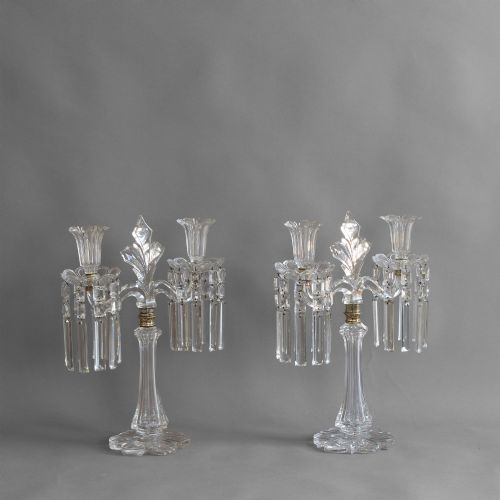
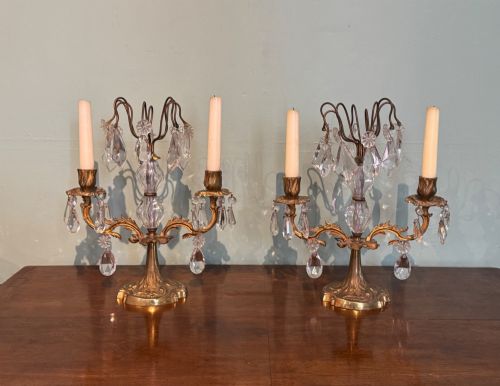
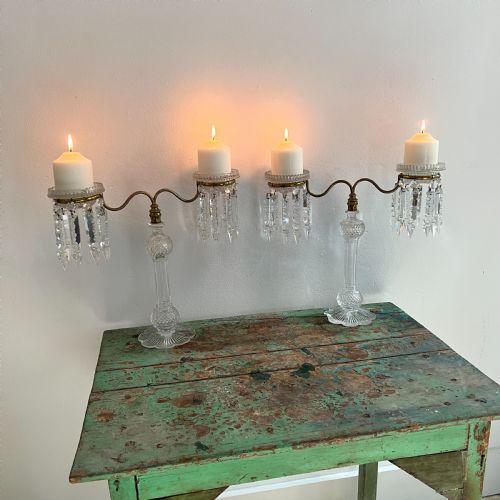
A cut glass candelabrum brings glittering candlelight and period elegance to a room, drawing the eye with polished prisms and gleaming mounts.
Cut Glass Candelabrum
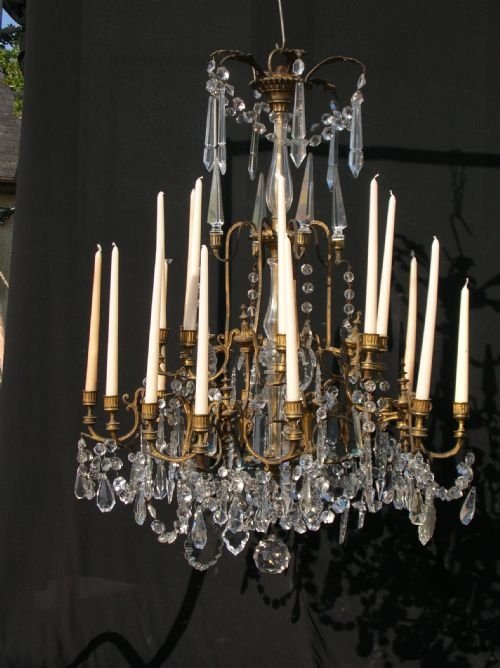
When searching for a cut glass candelabrum, a buyer encounters branched lighting fixtures designed for tables, alongside related forms like lustres and chandeliers. These pieces harness candlelight and daylight through faceted surfaces, creating brilliant visual effects that defined formal rooms in past centuries.
The versions most commonly met on this page span the nineteenth century through the early decades of the twentieth century. Examples range from Regency gilt bronze and crystal creations to Victorian brass and glass pieces, as well as Edwardian and later French table candelabra.
Makers and designers of these items often combined multi-branched candle arms with hanging crystal drops or lustres. Alongside traditional table candelabra, the inventory includes specialised lighting such as Clarke's Cricklite pieces and converted candelabra lamps.
Materials and construction
Makers constructed these lighting fixtures using combinations of heavy cut glass or crystal paired with metal components such as brass, gilt-brass, ormolu, and gilt bronze. The glass elements underwent careful cutting and faceting to maximise refraction, while the metal frames provided sturdy support for multiple candle branches.
Many examples incorporate suspended glass drops or lustres attached to the arms and central stems using wire or metal pins. These hanging prisms move and catch the light, demonstrating the technical skill of period glass cutters and metalworkers.
Some nineteenth-century tables held elaborate French lustre candelabra specifically designed to make dinner guests squint with delight.
Indicators of quality
The refinement of the glass cutting distinguishes finer pieces, where sharp, clean facets and clear crystal create superior brilliance. Poorer examples feature softer edges or simpler press-moulded glass without hand-finished detailing.
The quality of the metal mountings also marks the difference between standard items and exceptional works. Heavy cast bronze, detailed ormolu, and substantial brass framing demonstrate greater craftsmanship than lighter, plain metalwork.
The Cut Glass Candelabrum Glossary
- Candelabrum
- A branched lighting fixture designed to hold multiple candles. Larger versions often feature central columns and removable arms.
- Lustre
- A candlestick or candelabrum hung with cut glass pendants that catch and reflect the candle flame. These ornaments enhance the sparkle of the piece.
- Ormolu
- Gilt bronze ornamentation applied to furniture and decorative objects. The technique involves creating a finely chased bronze base coated in gold amalgam.
- Regency
- A British design period spanning the early nineteenth century. Pieces from this era often display classical influences and rich bronze or ormolu mounts.
Cut Glass Candelabrum: Frequently Asked Questions
How do I clean a cut glass candelabrum?
Cleaning requires patience and gentle handling, particularly around hanging crystal drops and delicate metal mountings. Warm water with a mild soap solution is usually suitable for glass components.
Metal parts should be dusted carefully with a soft cloth to preserve any original gilding. Removing drops individually makes thorough cleaning safer and more effective.
Were these pieces electrified later?
Many surviving examples retain their original configuration for wax candles, while others underwent conversion to electricity during the twentieth century. Converted pieces often integrate wiring through the central stem to maintain the visual balance of the branches.
Buyers find both unaltered candle-burning examples and electrified table lamps on the market. The choice depends on whether the intended use involves actual candlelight or ambient electric lighting.
How do I date a cut glass candelabrum?
Dating relies on examining the style of the metal mounts, the cut of the glass, and construction methods. Regency and nineteenth-century pieces often feature heavy bronze or ormolu work, while Edwardian and later items display lighter brass frames.
The shape of the candle nozzles and the presence of registration marks or specific maker designs also help narrow down the period. Comparing the overall design vocabulary to documented examples provides further confirmation.
What is a Cricklite candelabrum?
Cricklite pieces refer to patented night light and candelabra systems popular in the late nineteenth and early twentieth centuries. These designs utilised specialised glass shades and holders created by Clarke's.
They offer a distinct form of domestic lighting distinct from standard taper candles. Surviving sets often include marked glass components specific to this maker.