

Cut Crystal Wine Glasses
These cut crystal wine glasses bring weight and brilliance to the table, spanning Georgian rummers to Art Deco coolers.
Cut Crystal Wine Glasses
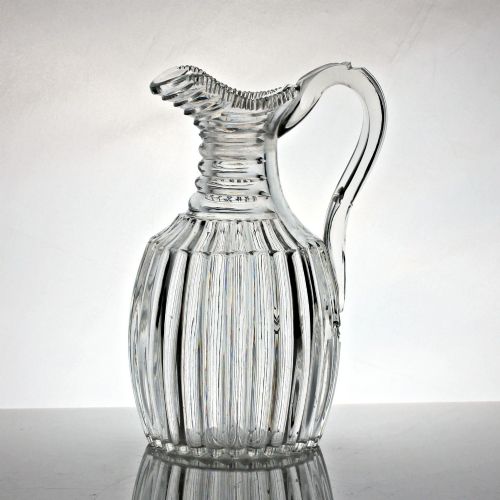
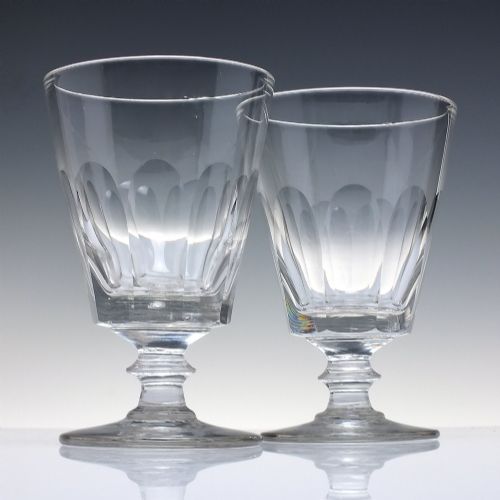
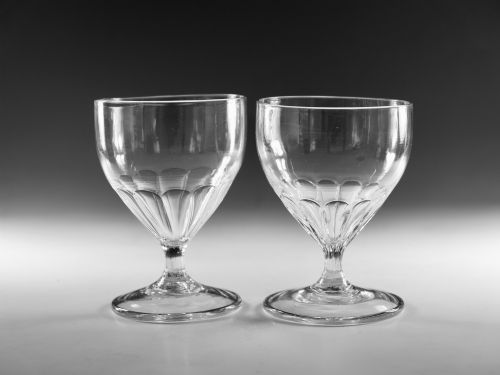
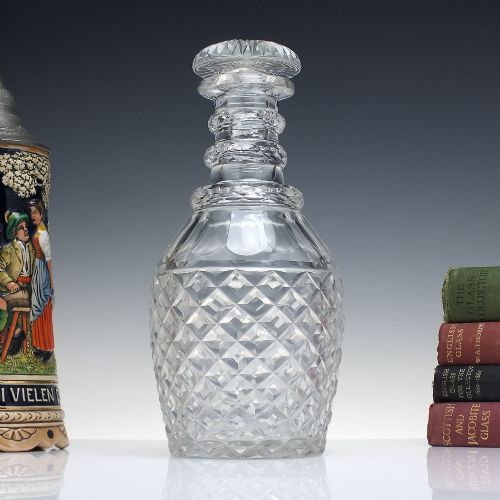
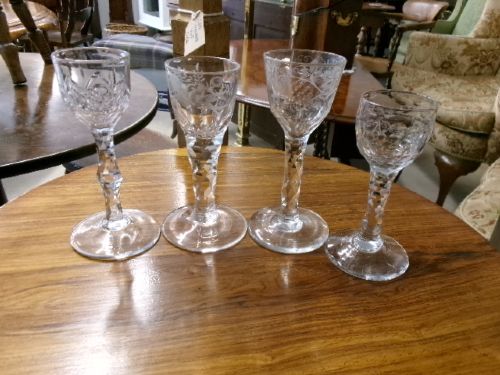
Cut crystal wine glasses encompass drinking vessels fashioned from lead crystal and clear glass, shaped across several centuries of British, Irish, and continental design. Buyers seeking cut crystal wine glasses encounter forms ranging from Georgian port glasses and Regency bucket rummers to Victorian wine sets and Edwardian services.
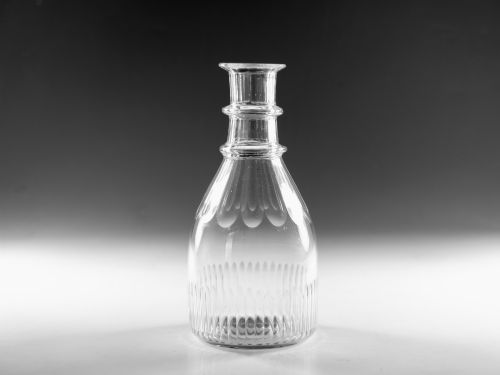
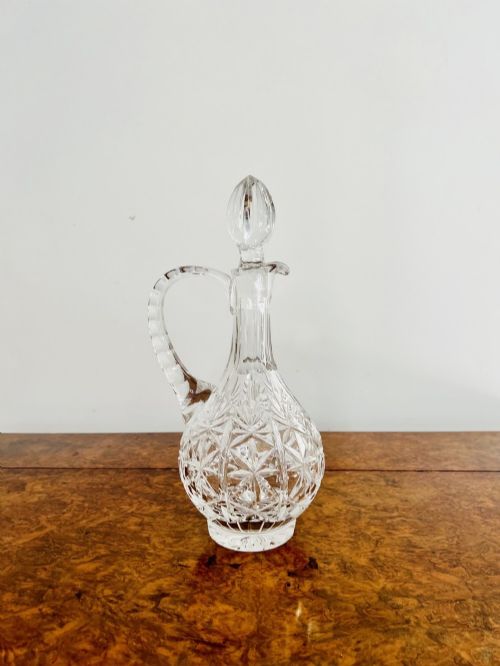
The pieces listed span periods from Georgian and Regency origins through Victorian and Edwardian eras, extending into Art Deco creations. Alongside drinking glasses, the category embraces related forms including claret jugs, decanters, carafes, and hock glasses in clear, cranberry, green, cobalt, and purple crystal.
How they were made
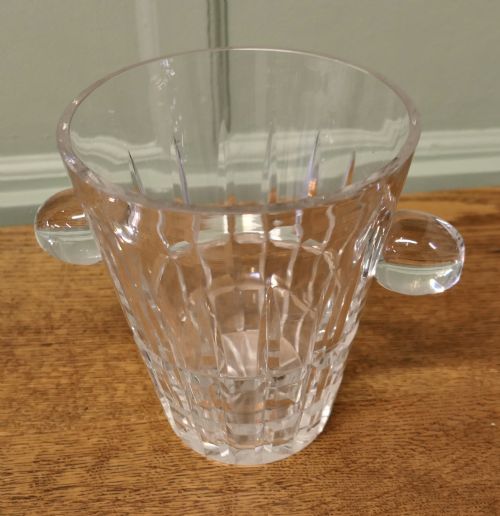
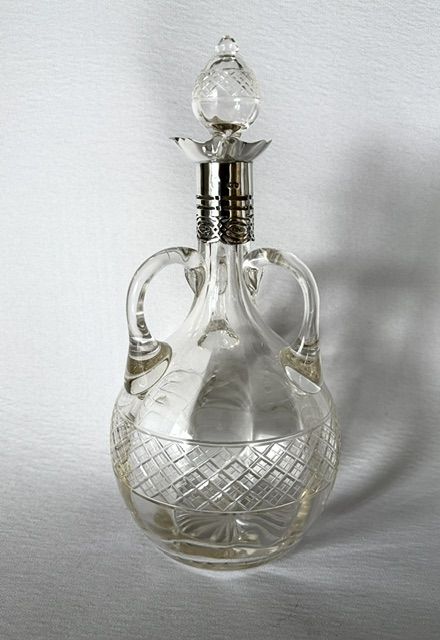
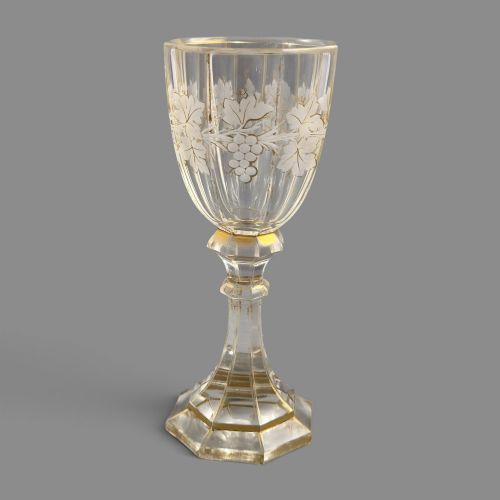
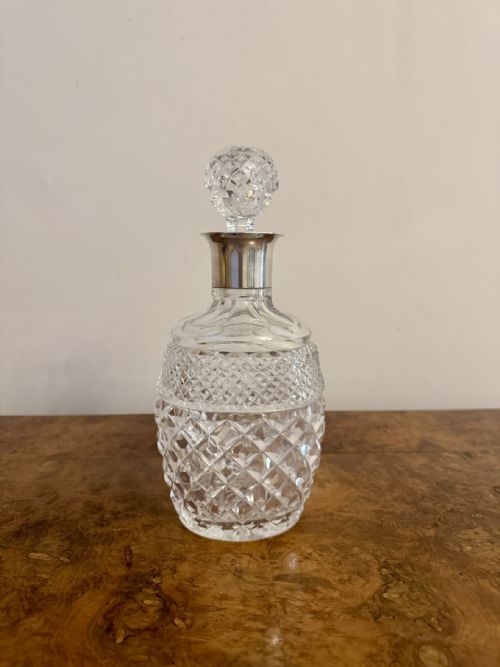
Makers shaped lead crystal and clear glass through blowing and moulding, before employing abrasive wheels to cut deep facets, pillars, prisms, and hobnail patterns into the surface. Further decoration included hand engraving, gilding, and silver mounting or silver plating applied to rims, collars, and handles.
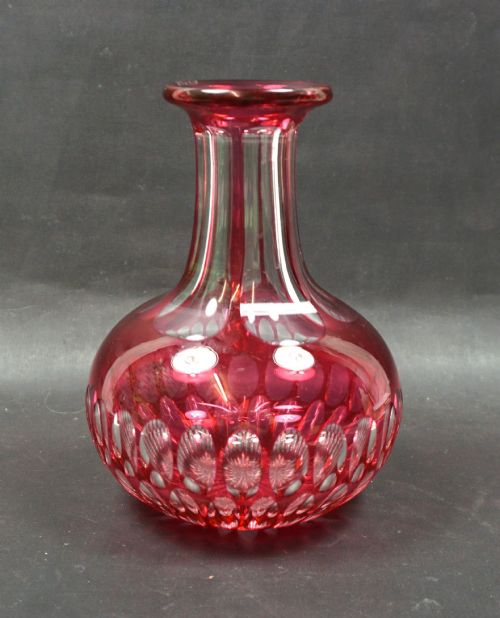
Coloured effects were achieved using layered techniques such as cranberry or green over crystal, creating depth where the wheel cut through the outer layer to reveal the clear glass beneath.
Cut Crystal Wine Glasses Retail Price Guide 2026
Typical asking prices for cut crystal wine glasses among the pieces listed under this phrase on Sellingantiques today, from the lower quarter to the upper quarter. They describe what is for sale here now, not the wider market.
Some Victorian drinkers required glasses hefty enough to survive a hearty tavern toast.
What varies in quality
Quality rests in the crispness of the wheel-cut facets and the weight of the lead crystal. Superior examples display sharp, precise geometric cuts that catch the light evenly without softness at the edges.
The depth of the glass, the clarity of the material free from internal distortion, and the integration of precious metals like sterling silver collars or silver plating distinguish finer workshop output from standard production.
Moser Bohemian·Baccarat·Val Saint Lambert·Waterford
The Cut Crystal Wine Glasses Glossary
- Rummer
- A large, heavy drinking glass popular in the Georgian and Victorian periods, often featuring cut facets or a bucket bowl.
- Hock glass
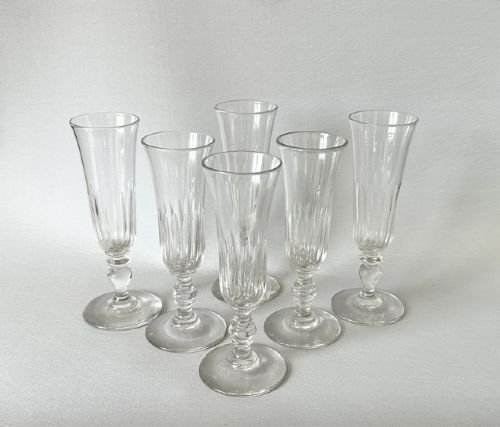
- A tall drinking glass traditionally used for white wine, frequently produced in coloured crystal with elaborate cutting.
- Prism cut
- A linear facet cutting technique resembling a prism that refracts light through the thick body of the crystal.
- Hobnail cut
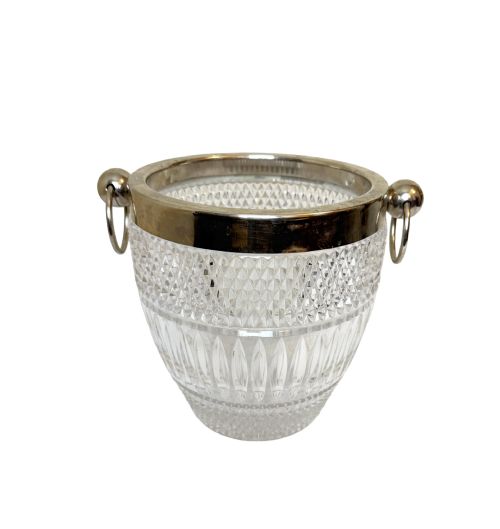
- A raised, diamond-shaped pattern cut into the surface of glassware, creating a tactile studded texture.
- Claret jug
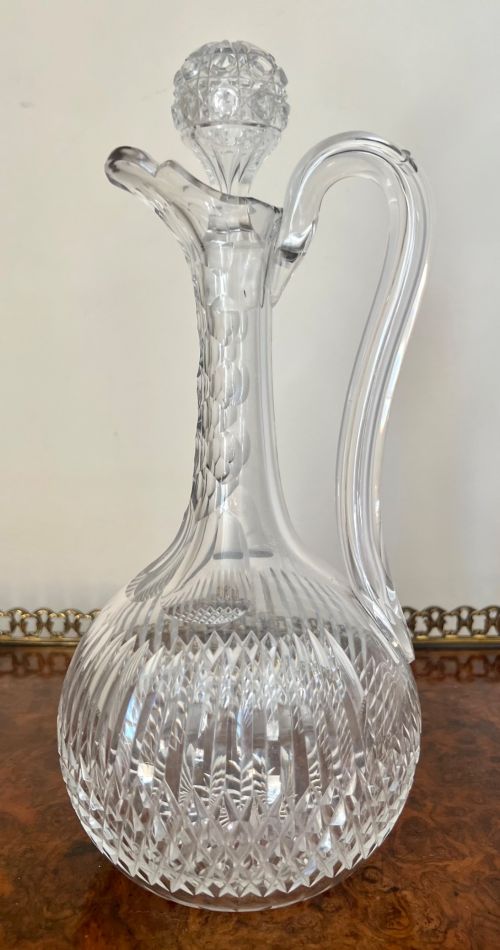
- A vessel designed for serving red wine, combining cut crystal bodies with silver-plated or sterling silver mounts and handles.
Cut Crystal Wine Glasses: Frequently Asked Questions
How do I date cut crystal wine glasses?
Dating relies on observing the form, weight, pontil marks, and cutting style relative to known periods like Georgian, Victorian, or Edwardian.
Heavier lead content and specific geometric patterns often align with 19th-century manufacturing techniques.
Can I use antique wine glasses daily?
These glasses were made for use and remain robust enough for careful dining when handled properly.
Hand washing in warm water preserves the lead crystal and any silver mounts.
What is the difference between glass and crystal?
Crystal contains lead oxide, which adds weight, brilliance, and a resonant ring when struck.
Standard glass lacks this metallic oxide content and is lighter in the hand.
Are coloured crystal glasses later additions?
Coloured and overlay crystal glasses were produced extensively during the Victorian and Art Deco eras.
Cranberry, green, and cobalt versions appear alongside clear crystal from the nineteenth century onward.