




Cut Crystal Goblets
Cut crystal goblets are drinking vessels shaped for ceremony or generous pours, bringing deep facets and bright refraction to the table.
Cut Crystal Goblets
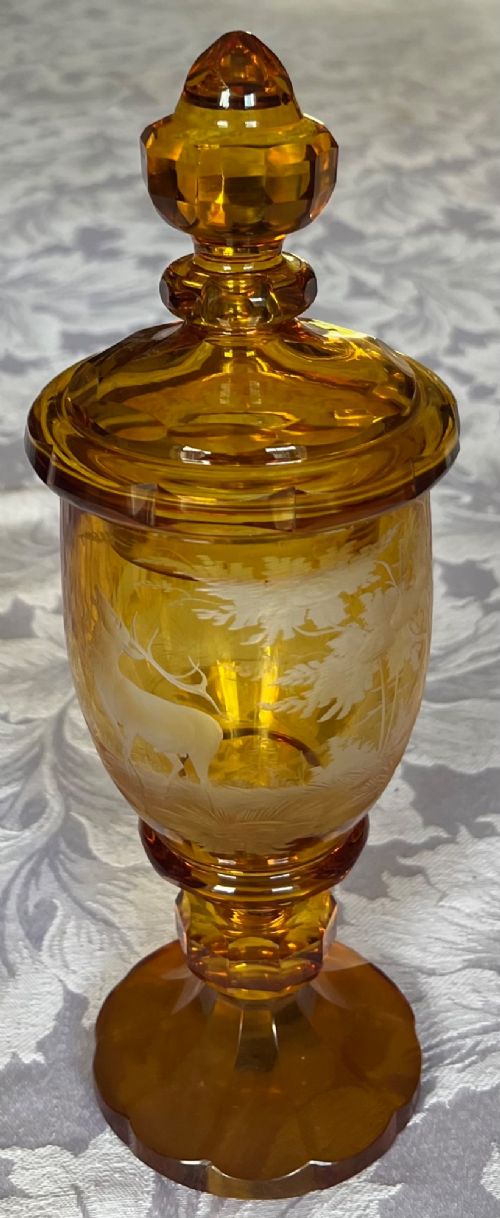
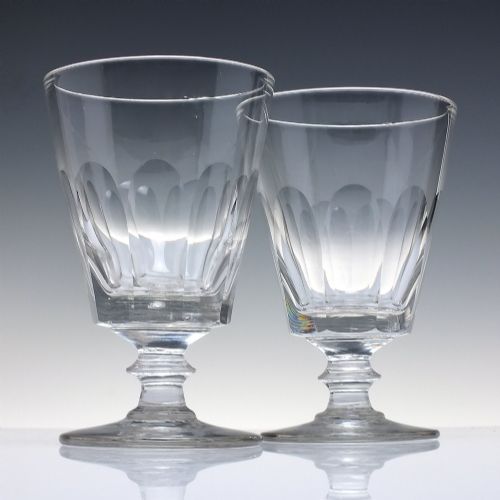
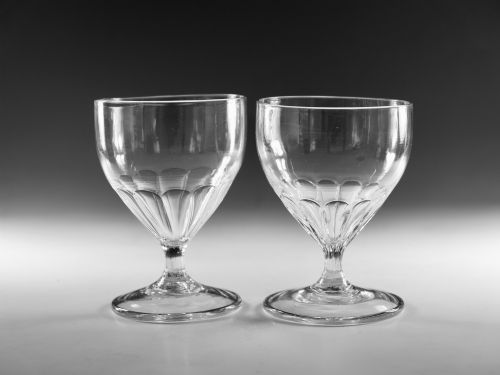
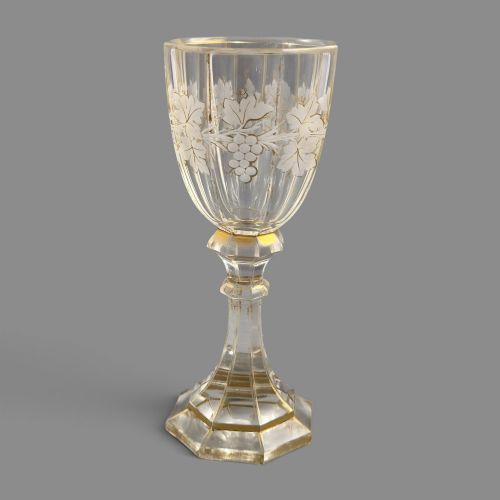
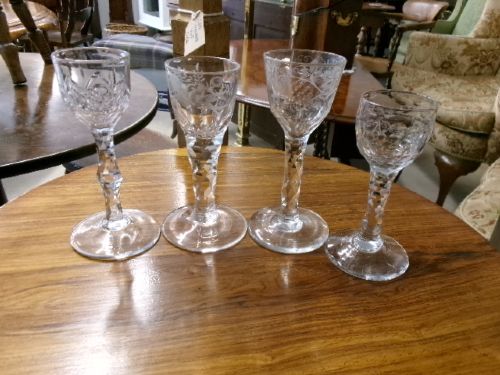
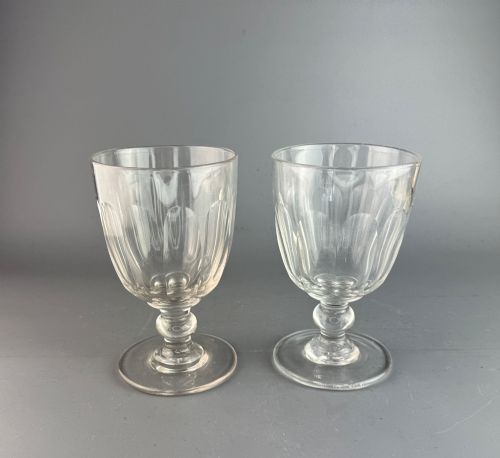
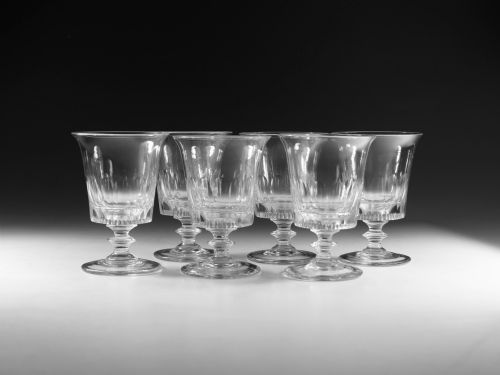
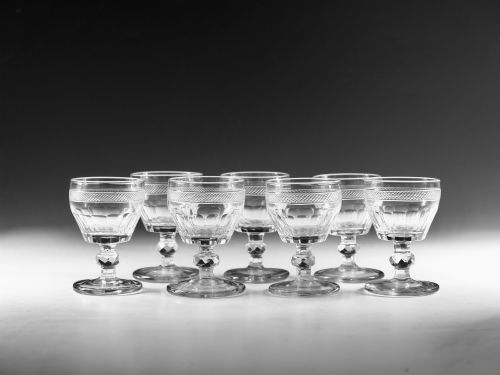
When you search for cut crystal goblets, you encounter drinking vessels and rummers spanning the Georgian, Victorian, and Edwardian eras. These pieces range from eighteenth-century English wine glasses with facet-cut stems to hefty nineteenth-century rummers resting on square lemon squeezer feet.
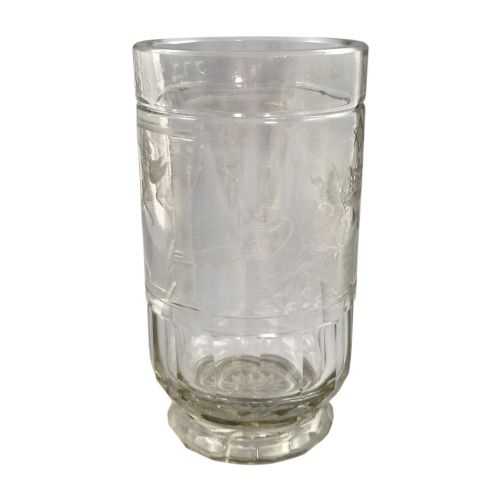
The selection here includes specialised forms such as port glasses, cordial glasses, and ceremonial beakers alongside larger presentation pieces. English and Irish workshops dominate the earlier periods, whilst continental makers like Bohemian and French houses appear frequently in later decades.
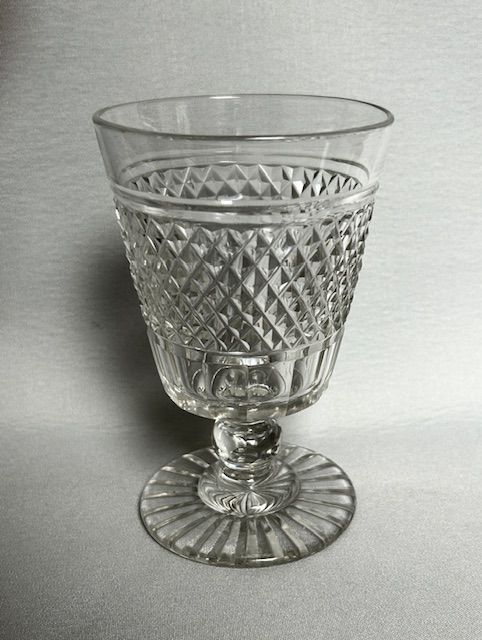
Buyers meet matching sets, pairs, and harlequin groupings showing various cutting styles, from hobnail patterns to deeply engraved bowls. Each object reflects the drinking customs of its period, whether designed for hearty ales, rich dessert wines, or commemorative toasts.
Materials and Working Methods
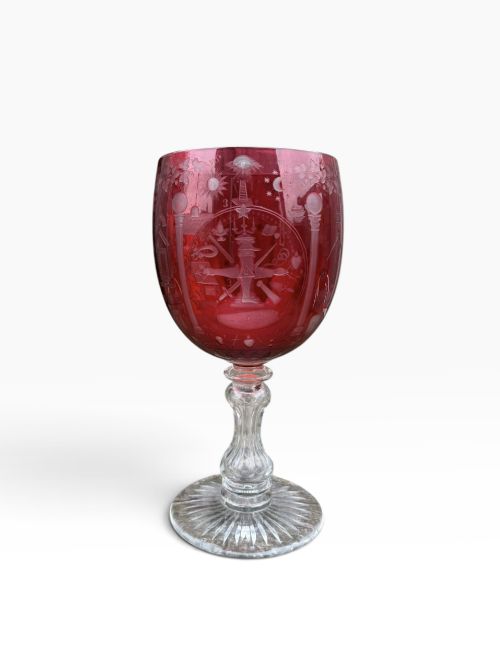
The pieces on this page are formed from lead glass, clear glass, and lead crystal, occasionally layered as cased or over crystal in contrasting colours such as green or cranberry. Heavy metal oxide content in the crystal permits deep wheel-cutting without fracturing the material.
Hot-worked components like baluster stems and applied feet are manipulated at the furnace before cooling for cold-work decoration. Artisans employ iron and stone wheels to grind geometric facets, flutes, and hobnails into the hardened surface, finishing the process with polishing agents to achieve high transparency.
Listings span Georgian, Victorian, and Edwardian periods, utilising lead crystal, cased glass, and clear glass across various stemware forms.
Assessing Standard and Execution
Quality rests in the crispness of the wheel-cut facets and the depth of the engraving relative to the thickness of the vessel wall. Sharp, cleanly bounded edges catch the light directly, whereas worn or soft facets indicate hurried finishing.
The weight and balance of the piece, particularly around the stem and foot, separate standard production from superior examples. Thick, heavy lead crystal bases provide stability, while hand-polished surfaces display a brilliant clarity free of cloudiness or excessive internal bubble inclusions.
Moser Bohemian·Baccarat Harcourt·James Giles·Webb Corbett·Saint Louis·Stevens and Williams
The Cut Crystal Goblets Glossary
- Rummer
- A large, sturdy drinking glass popular in the eighteenth and nineteenth centuries, typically used for ale or wine. These vessels often feature bucket bowls and heavy stems.
- Hobnail
- A pattern of raised, pointed facets resembling the hobnails used in heavy boots. This style creates intense light refraction across the body of the glass.
- Lemon squeezer foot
- A square, pressed glass base with diagonal flutes resembling domestic lemon squeezers. It is commonly found on Georgian and Regency drinking vessels.
- Cased glass
- A technique where a layer of coloured glass is fused over a clear crystal core. Subsequent cutting through the outer layer reveals the contrasting clear glass beneath.
- Intaglio
- A method of engraving where the design is carved into the surface of the glass rather than raised in relief. This technique produces sunken, detailed motifs.
Cut Crystal Goblets: Frequently Asked Questions
Can I drink from antique cut crystal goblets?
These vessels were created for dining and celebration, and many owners continue to use them for special occasions today. Hand washing in warm water preserves the historic material.
Avoid thermal shock by keeping water temperatures moderate and storing the glasses securely to prevent rim chipping against modern tableware.
How do I date an old crystal goblet?
Dating relies on observing form, foot construction, and cutting style alongside pontil mark evidence on the underside. Georgian pieces often show distinct pontil scars and faceted stems, while Victorian items lean towards heavier proportions and pressed elements.
Comparing the decorative motifs against documented patterns helps narrow down the decade of production.
What is the difference between glass and crystal?
Lead crystal contains metallic oxides that increase the weight, refractive index, and ringing sound of the material compared to standard soda-lime glass. This composition allows artisans to cut deeper, sharper geometric patterns.
Heavier weight and heightened brilliance typically distinguish lead crystal pieces from lighter glass counterparts.
How should I display my cut crystal?
Adequate lighting enhances the deep facets and engraved details characteristic of these antique drinking vessels. Placing them near natural light sources or within illuminated cabinets maximises their refractive qualities.
Ensure shelves are stable and deep enough to accommodate wide bowls and square feet without risk of tipping.