
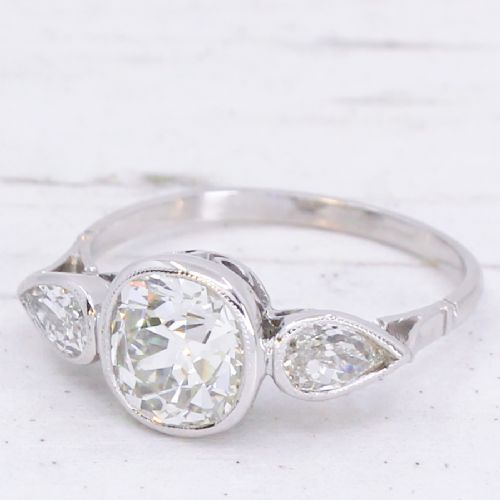
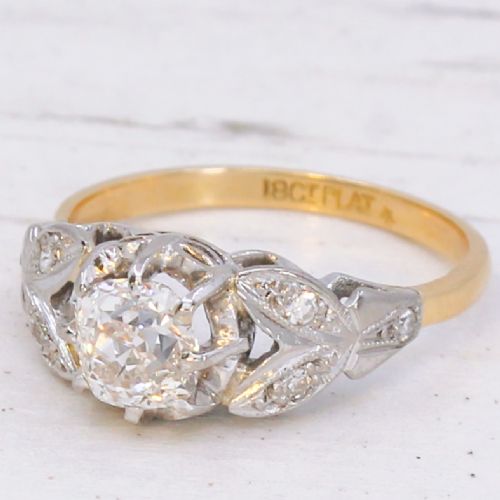
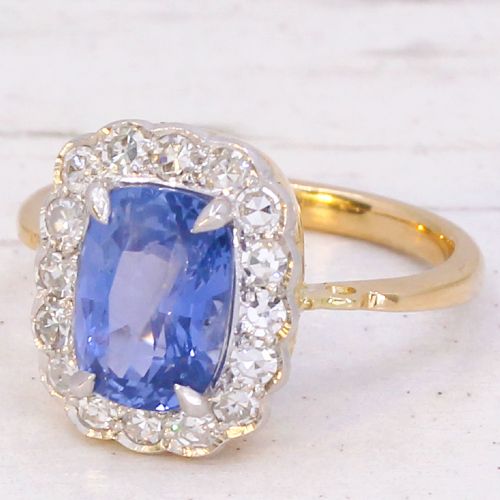
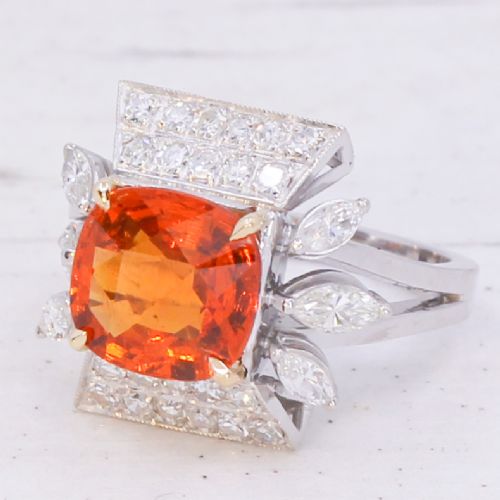
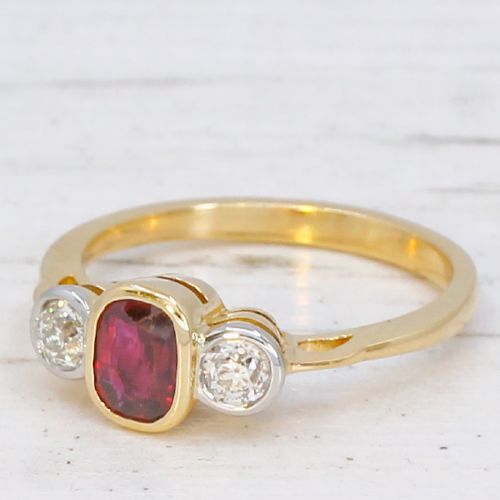


Cushion Cut Diamond Ring
Choosing a cushion cut diamond ring means embracing historical charm through hand-faceted stones set in enduring precious metals.
Cushion Cut Diamond Ring
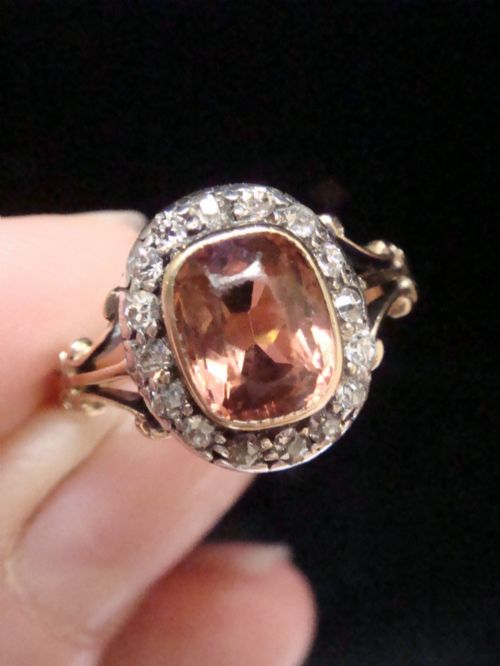
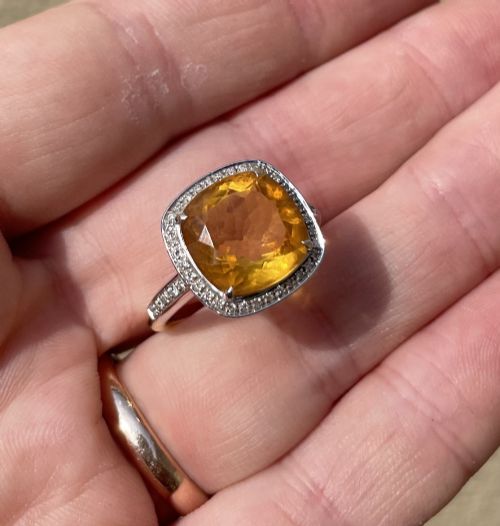
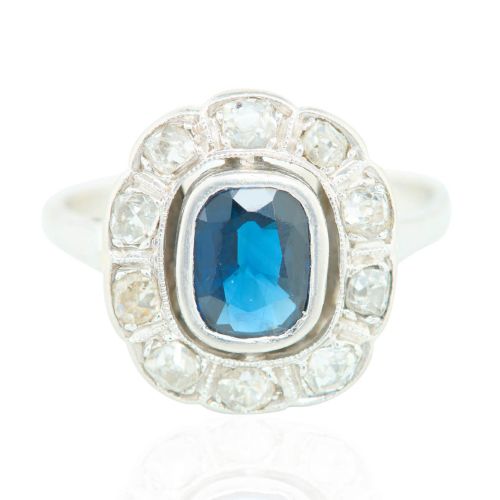
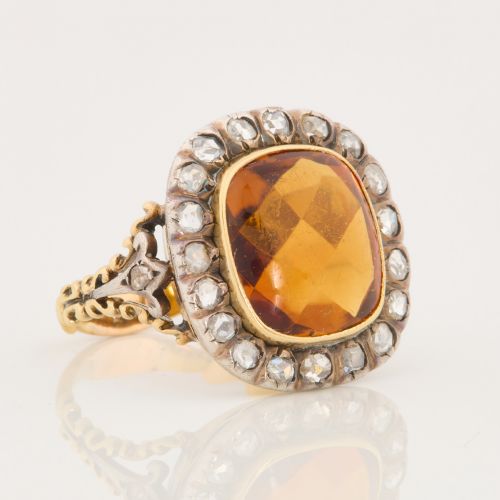
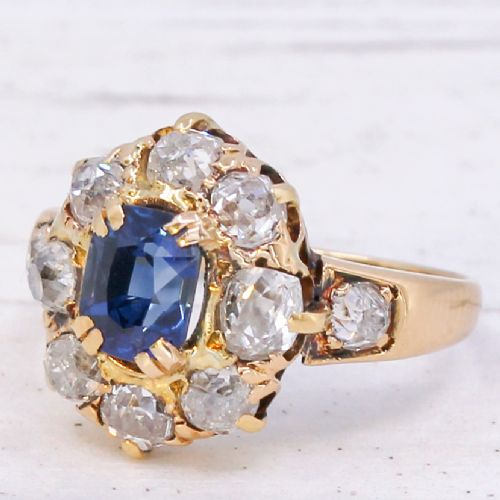
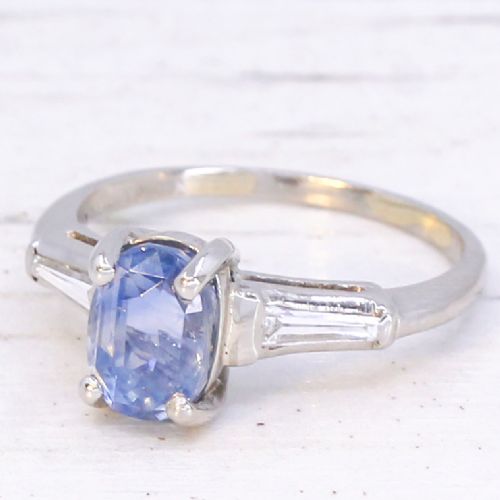
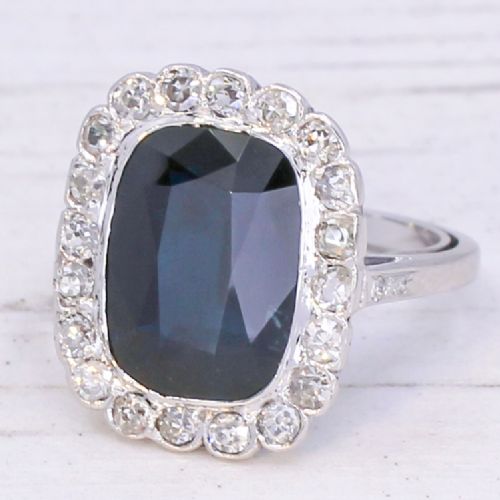
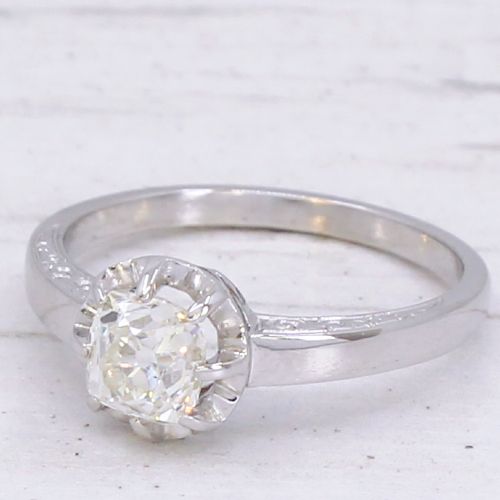
The surviving pieces demonstrate how stone shapes evolved from early mine cuts into defined modern cushion profiles. These rings frequently pair central diamonds with sapphires, rubies, or additional accent stones within platinum or yellow and white gold settings.
Materials and construction
Master jewellers constructed these mountings predominantly in platinum or various carats of yellow and white gold, securing the gems with traditional claw and bezel techniques. Platinum became particularly dominant during the Art Deco period for its strength and bright finish.
The central diamonds and coloured gemstones display hand-cut facets shaped by eye rather than laser precision, resulting in soft corners and broad scintillation. Goldsmiths integrated structural galleries and delicate milgrain detailing to support these heavy stones securely.
Cushion Cut Diamond Ring Retail Price Guide 2026
Typical asking prices for cushion cut diamond ring among the pieces listed under this phrase on Sellingantiques today, from the lower quarter to the upper quarter. They describe what is for sale here now, not the wider market.
Current listings feature cushion cut diamond ring examples spanning from the late nineteenth century through the mid-twentieth century, utilising platinum, yellow gold, and white gold.
Distinguishing quality across the range
The distinction between standard and exceptional pieces rests upon the symmetry of the hand-cut facets and the natural purity of the central gem. Stones possessing high optical transparency and minimal inclusions command greater attention from collectors.
Superior craftsmanship is visible in the integrity of the metalwork, where prongs remain robust and structural elements show no signs of modern repair or thermal stress. The harmony between the proportions of the cushion stone and the surrounding mount dictates the overall balance of the piece.
The Cushion Cut Diamond Ring Glossary
- Old Mine Cut
- An early diamond facet arrangement featuring a square or slightly rectangular girdle, high crown, and small table. This shape produces broad flashes of light under candlelight rather than modern brilliant sparkle.
- Cluster Ring
- A jewellery configuration where a central gemstone is entirely surrounded by a border of smaller accent stones. This arrangement maximises visual impact and was widely favoured during the Victorian and Edwardian periods.
- Transition Cut
- A diamond faceting style bridging the gap between old cuts and modern brilliants, utilised primarily during the early twentieth century. These stones retain deep proportions while adopting more uniform facet symmetry.
- Trilogy Ring
- A three-stone setting symbolising the past, present, and future, frequently combining a central diamond with flanking side stones. These configurations appear regularly across Art Deco and later vintage inventories.
- Milgrain
- A decorative technique consisting of a raised, beaded border along the edges of metal settings. This delicate detailing serves as a hallmark of Edwardian and Art Deco design.
Cushion Cut Diamond Ring: Frequently Asked Questions
How do I care for my ring?
Clean your vintage jewellery gently using warm soapy water and a soft brush to remove everyday debris from beneath the setting. Avoid harsh ultrasonic cleaners, particularly when dealing with antique gems or delicate claw mountings.
Store each piece individually in a lined box to prevent metal-on-metal scratching. Periodic inspection by a professional specialist ensures the prongs remain secure around the central stone.
Are these rings suitable for daily wear?
Diamonds and platinum offer exceptional durability suited to regular, everyday use. However, older settings require mindful handling during strenuous physical activities to protect delicate historical mountings.
Pieces incorporating softer coloured gemstones or antique gold benefit from occasional rests. Respecting the age of the structure preserves the integrity of the original craftsmanship.
How do I determine the period?
Stylistic markers such as geometric platinum scrollwork point towards the Art Deco era, whilst softer yellow gold cluster designs often indicate Victorian origins. Examining the facet patterns of the cushion cut also reveals the cutting standards of the period.
Maker's marks, hallmarks, and specific casting techniques provide additional historical context. Comparing these physical traits against documented timelines narrows down the exact date of manufacture.
What makes old cuts different?
Older cutting styles were shaped by hand under natural light to maximise brilliance in candlelit environments. Consequently, they display smaller tables and larger culets compared to modern symmetrical stones.
This historic approach gives each diamond an individual optical personality. The resulting charm cannot be replicated by contemporary automated cutting machinery.