

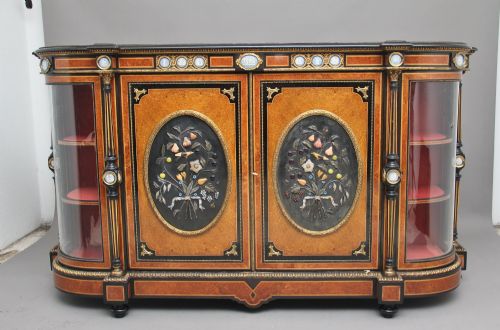
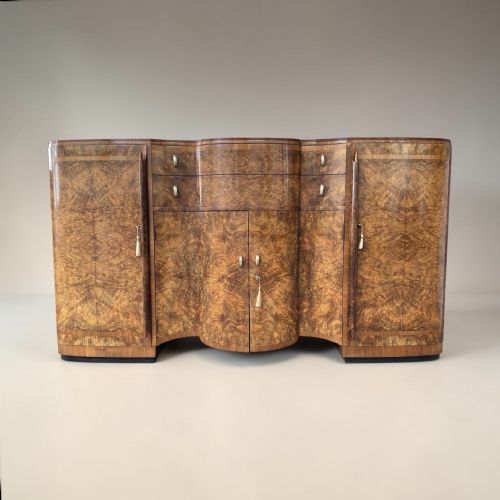
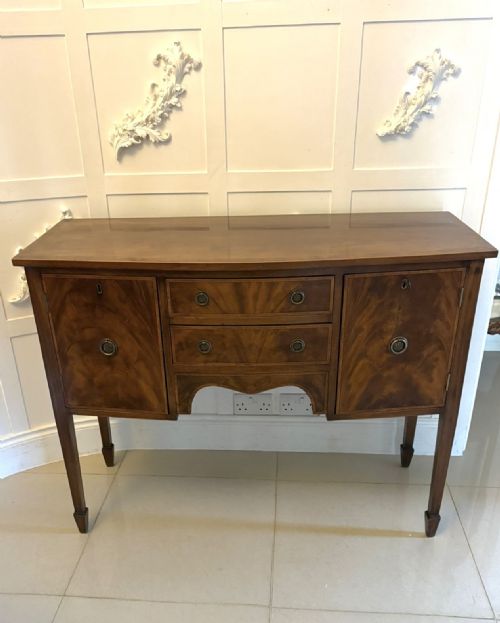
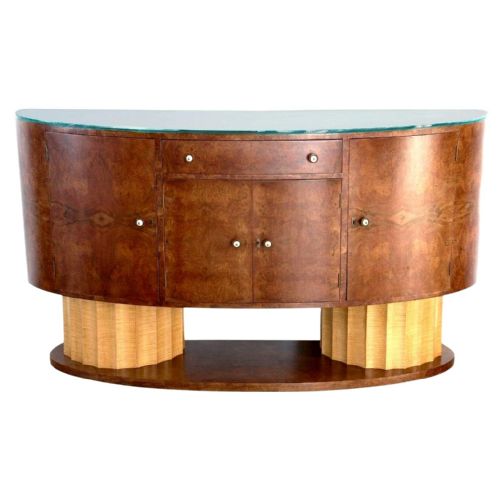


Curved Wooden Buffet
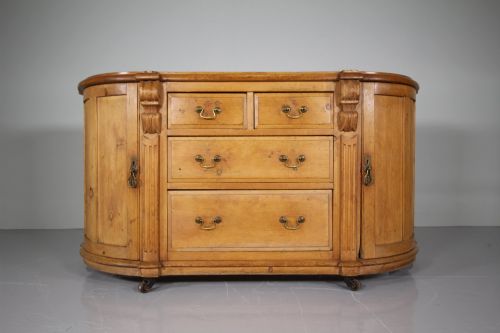
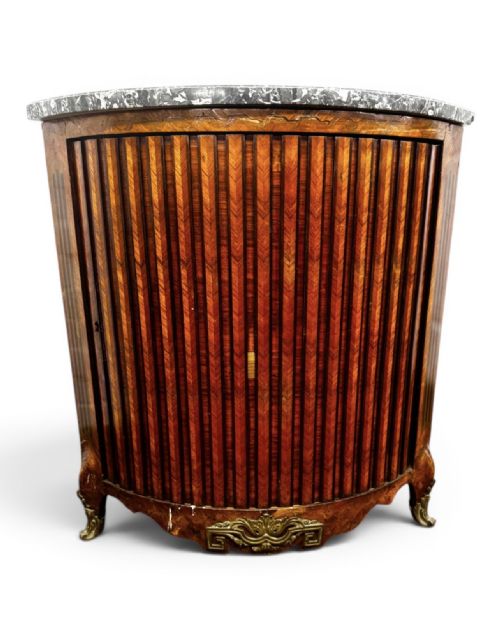
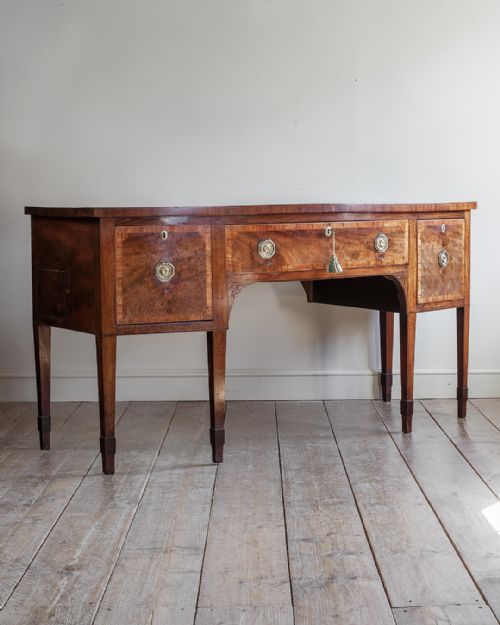
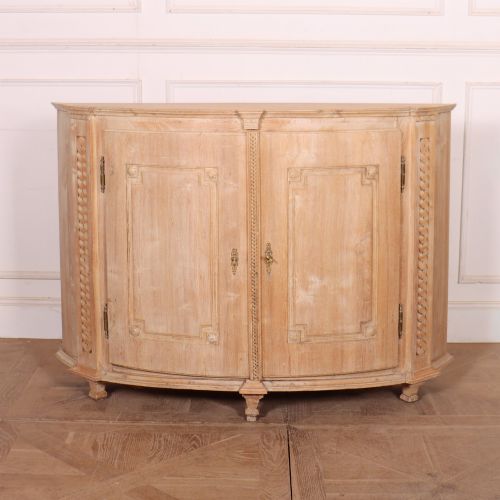
A curved wooden buffet combines sweeping serpentine or bowfront lines with practical storage for the dining room.
Curved Wooden Buffet
A curved wooden buffet typically takes the form of a mahogany bowfront sideboard from the Georgian or Victorian eras, offering generous storage behind shaped doors. Buyers seeking a curved wooden buffet will most frequently encounter 19th-century mahogany pieces featuring gentle bows or serpentine fronts.
Beyond traditional mahogany, the selection includes striking Art Deco walnut and sycamore cabinets from the 1930s, alongside Swedish birch and Scandinavian country examples. These diverse styles range from formal George III serving tables to utilitarian Edwardian and Art Deco sideboard cabinets.
Makers such as Maurice Adams, Gomme, Hille, and the Bowman Brothers represent the modernist end of the spectrum, whilst earlier items rely on anonymous cabinet-making traditions. Each piece serves as a substantial focal point for dining spaces, combining curved timber with brass or ormolu mounts where appropriate.
What varies in quality
The sophistication of the timber veneer and the precision of the curved joinery largely determine the distinction between standard and superior pieces. Select examples display meticulously matched burr walnut or flame mahogany veneers that flow seamlessly across the bowed drawers and doors.
Artisanal skill is further demonstrated in the crispness of boxwood inlay and the integration of substantial brass fittings. Pieces attributed to notable makers or specific design movements command attention through their balanced proportions and refined execution of the curved form.
Curved Wooden Buffet Retail Price Guide 2026
Typical asking prices for curved wooden buffet among the pieces listed under this phrase on Sellingantiques today, from the lower quarter to the upper quarter. They describe what is for sale here now, not the wider market.
Swedish makers favoured birch so pale it brings Scandinavian daylight straight into the dining room.
Maurice Adams·Gomme·Hille·The Bowman Brothers
The Curved Wooden Buffet Glossary
- Bowfront
- A convex, outward-curving cabinet front that softens the linear appearance of traditional dining furniture. This shape is particularly common in Georgian and Victorian sideboards.
- Serpentine
- A furniture front characterised by a double-concave curve flanking a central convex projection. It demands high levels of joinery skill to execute successfully in solid wood.
- Credenza
- A sideboard or buffet cabinet often featuring glass doors and decorative mounts. In the Victorian period, these pieces frequently incorporated intricate marquetry and walnut veneers.
- Ormolu
- Gilded bronze mounts applied to furniture for decorative effect. They appear more frequently on continental buffet styles rather than British vernacular pieces.
Curved Wooden Buffet: Frequently Asked Questions
What is a curved wooden buffet?
A curved wooden buffet is a dining room storage cabinet featuring a bowed or serpentine front made from timbers such as mahogany, walnut, or birch. These pieces function primarily as sideboards or serving tables.
The category encompasses formal 18th-century Georgian designs as well as streamlined 1930s Art Deco cabinets by prominent makers like Hille and Gomme.
How do I date a sideboard?
Dating relies on timber selection, construction methods, and stylistic cues such as inlay patterns and hardware. Georgian pieces often feature solid mahogany with subtle boxwood lines, whilst 1930s items show modernist veneering.
Secondary woods like pine and the style of the curved drawer linings provide further clues to the decade of manufacture.
Where should I place a buffet?
These large cabinets naturally anchor a dining room wall, offering a surface for serving food and interior space for tableware. Their curved profiles help soften the angles of a rectangular room.
Sufficient clearance is necessary around the piece to allow cabinet doors and drawers to open fully without obstruction.
How do I care for wood veneer?
Maintaining wood furniture involves keeping pieces away from direct heat sources and strong sunlight to prevent the veneer from drying or fading. Regular dusting with a soft, dry cloth preserves the polished finish.
Applying suitable wax periodically helps nourish antique timbers like mahogany and walnut without building up heavy residues.