
Curved Wood Table
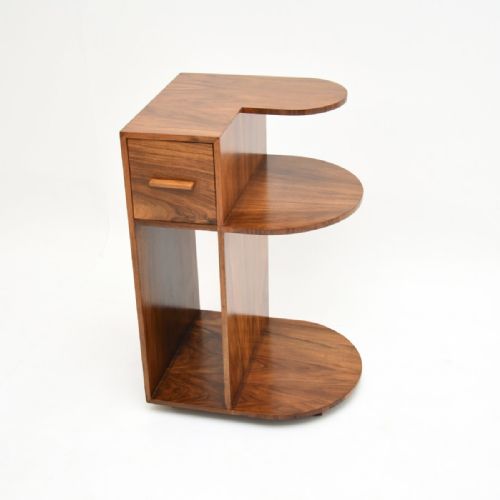
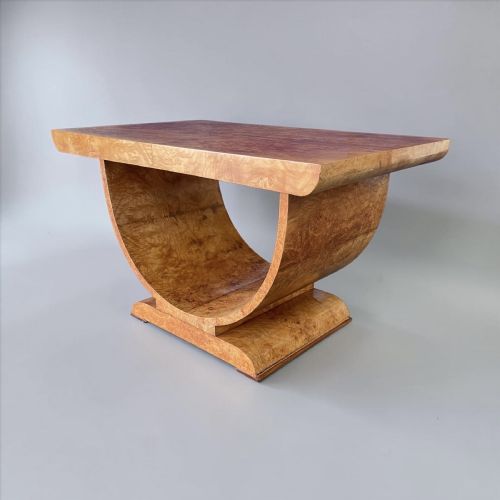
A curved wood table brings fluid lines and tactile warmth to a room, ranging from Art Deco walnut consoles to Georgian mahogany desks.
Curved Wood Table
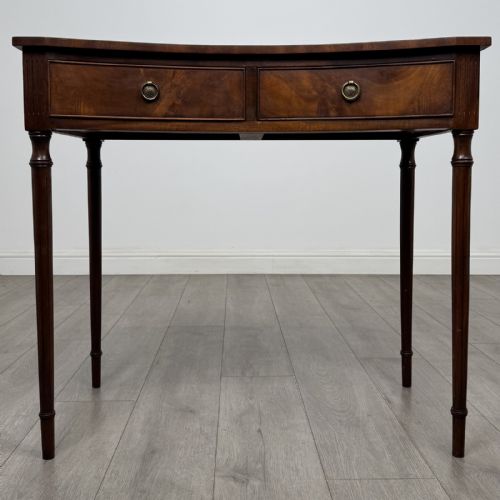
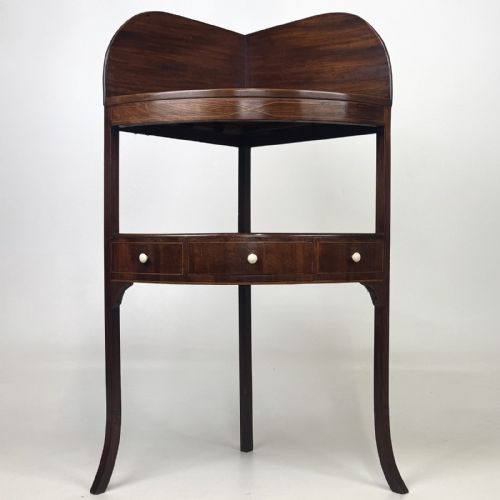
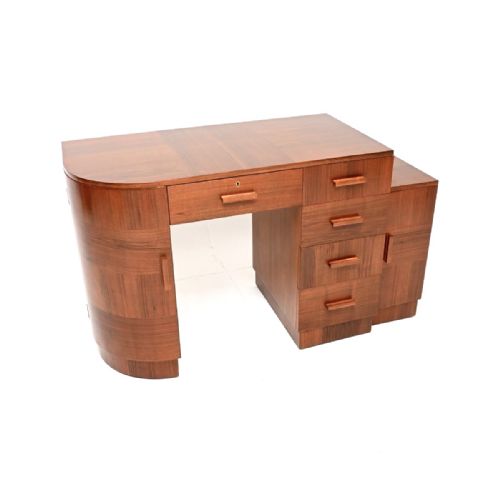
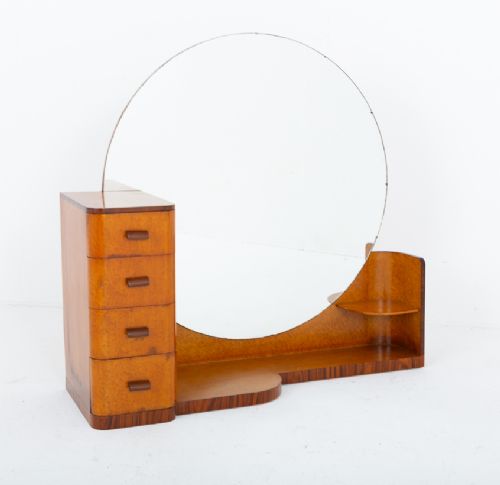
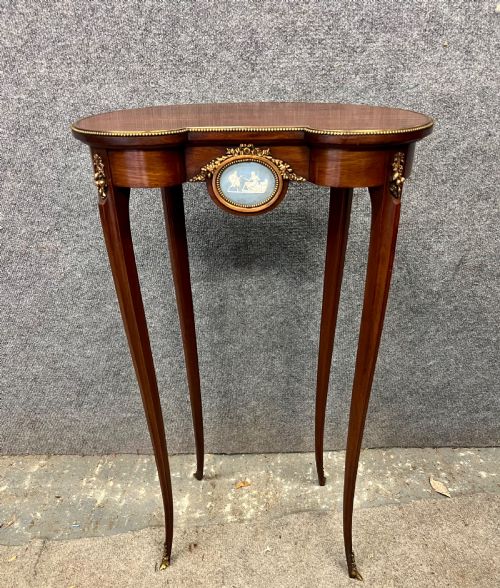
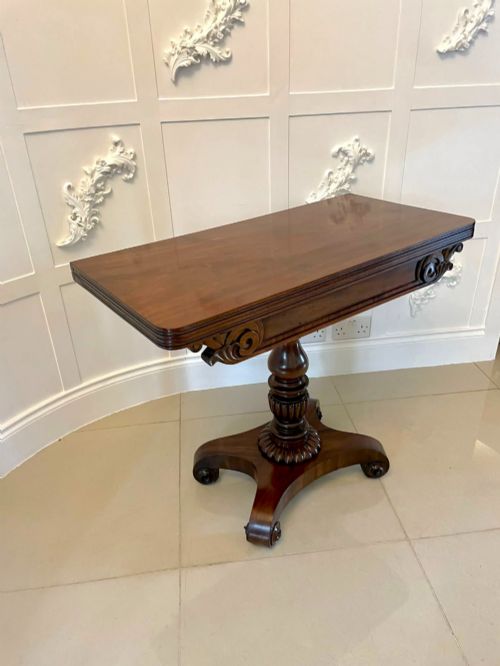
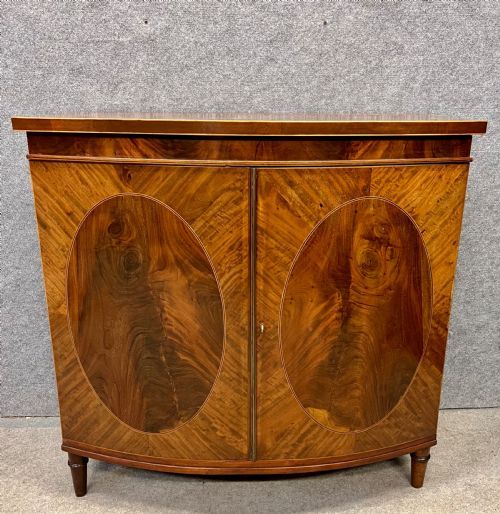
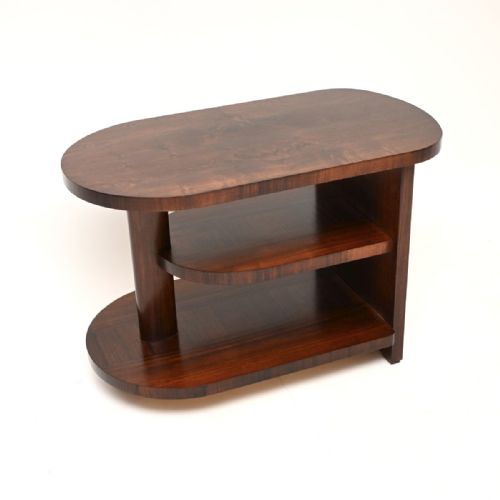
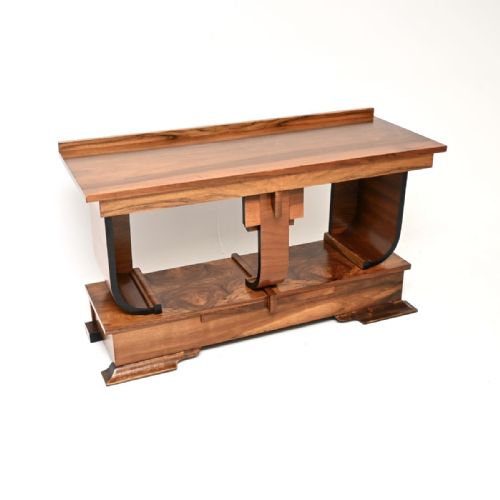
A curved wood table encompasses functional surfaces shaped with radii, sweeps, or serpentine fronts, spanning periods from the eighteenth century to the twentieth. When looking for a curved wood table, a buyer most frequently encounters Art Deco designs in figured walnut, maple, or rosewood, alongside Georgian and Edwardian mahogany pieces.
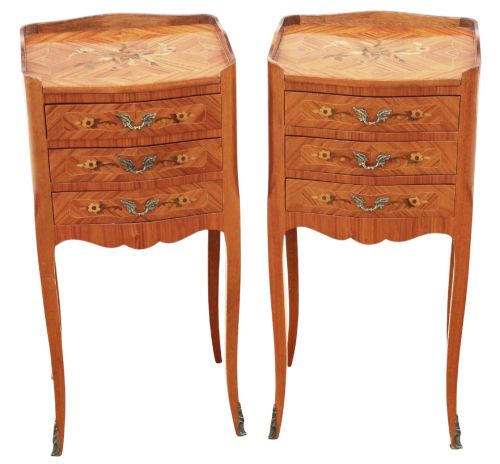
The forms vary widely across the available pieces, including occasional tables, kidney-shaped desks, demi-lune consoles, dressing tables, and side tables. These items serve specific domestic functions while introducing softer geometric contours than standard rectilinear furniture.
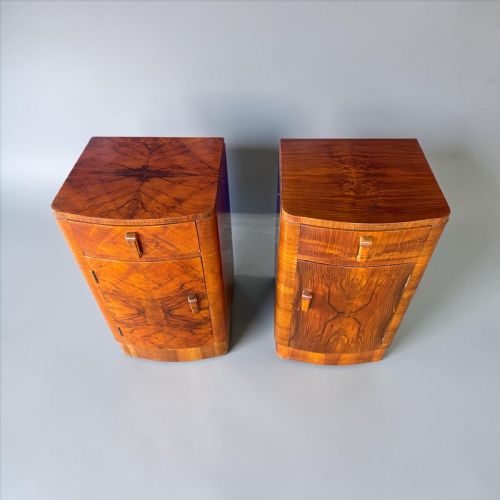
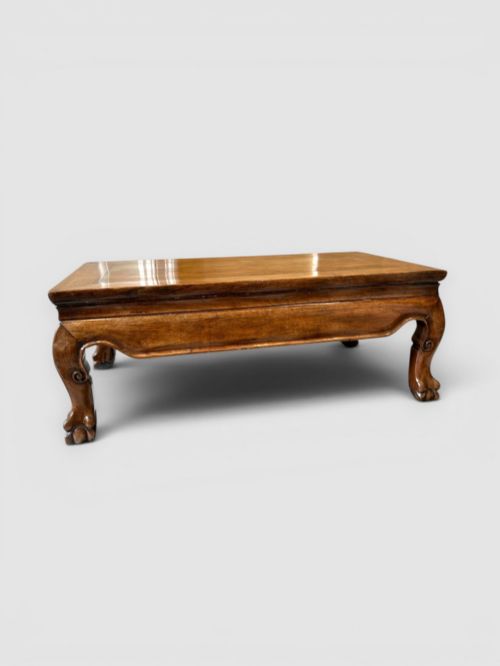
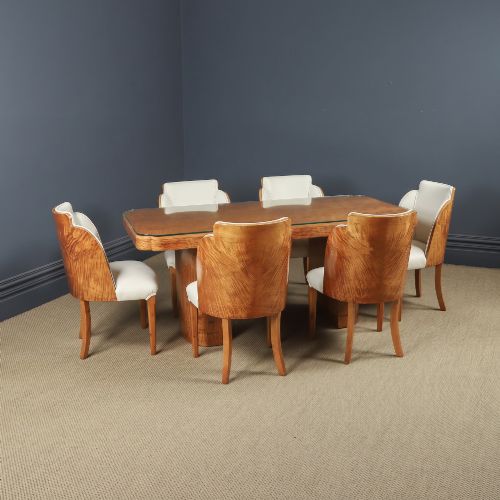
Origins stretch from English workshops to French ateliers and Chinese production, utilising regional timbers and styling conventions peculiar to each era. The selection ranges from compact bedside cabinets to substantial sideboards and dining suites.
How they were made
Cabinet makers utilised solid woods and applied veneers, shaping timbers such as mahogany, walnut, satinwood, and rosewood over constructed frames. Bending wood to achieve curves involved steaming or laminating thin plies together under pressure.
Decorative techniques include marquetry, brass mounts, glass inserts, leather writing surfaces, and painted finishes with parcel gilding. Grain selection played a central role, with figured, burr, and flame veneers chosen to accentuate the curved surfaces.
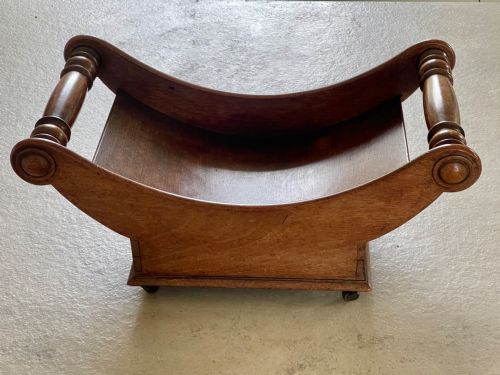
A nineteenth-century jewellers bench sits comfortably alongside sophisticated Art Deco dressing suites and antique French cheese coasters.
What varies in quality
Quality depends upon the choice and matching of timber veneers, particularly on curved surfaces where grain alignment requires precise hand craftsmanship. Superior examples display continuous, symmetrical grain patterns across drawers, aprons, and tabletops.
The integrity of the underlying construction and the retention of original brassware, castors, or marble tops distinguish finer pieces from later alterations. Subtle details in edge moulding, leg joinery, and the execution of curves determine the standing of each item.
Harry and Lou Epstein·Gilbert Rohde·The Hille Furniture Company
The Curved Wood Table Glossary
- Demi-lune
- Half-moon shape. This term describes console and side tables built with a curved front and a flat back to sit flush against a wall.
- Kidney-shaped
- Formed with a concave indentation on one side. This contour allows the user to sit closer to the surface of desks and occasional tables.
- Marquetry
- Decorative inlay using various woods. Craftsmen assemble thin veneers to form pictorial or geometric patterns across tabletops and cabinet doors.
- Parquetry
- Geometric wood inlay. Similar to marquetry, this technique arranges wood pieces in repeating geometric grids, often seen on table surfaces.
- Gonçalo Alves
- Tropical hardwood with dense figuring. Also known as zebrawood, cabinet makers utilised this timber for nineteenth-century writing tables due to its striking grain.
Curved Wood Table: Frequently Asked Questions
What is a demi-lune table used for?
A demi-lune table functions as a console or side table, designed to stand flat against a wall while offering a curved surface for display.
Historically placed in hallways or reception rooms, these tables support lamps, decorative objects, or mirrors without protruding far into the floor space.
How do I identify an Art Deco curved wood table?
Art Deco tables feature streamlined silhouettes, sweeping radiuses, and prominent use of figured veneers such as walnut, burr maple, and sycamore.
These pieces typically date from around nineteen thirty and avoid ornate historical revival carving in favour of smooth, polished planes.
Where should I place a kidney-shaped table?
A kidney-shaped table suits spaces where the concave curve can accommodate a chair, such as a bedroom dressing table or a study desk.
They also function effectively as occasional tables beside low seating, where the curved edge softens the room layout.
How do I care for antique wood surfaces?
Antique wood surfaces require stable indoor humidity and protection from direct sunlight to prevent timber splitting and veneer lifting.
Routine maintenance involves dusting with a soft cloth and applying appropriate wax polish sparingly to preserve the sheen of the grain.