
Curved Back Chairs
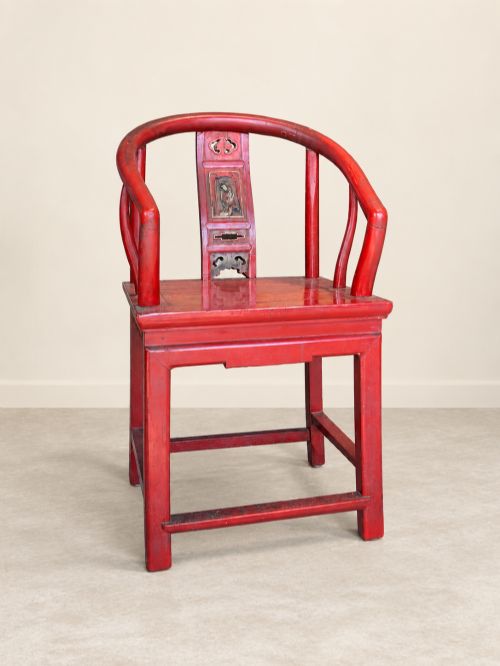
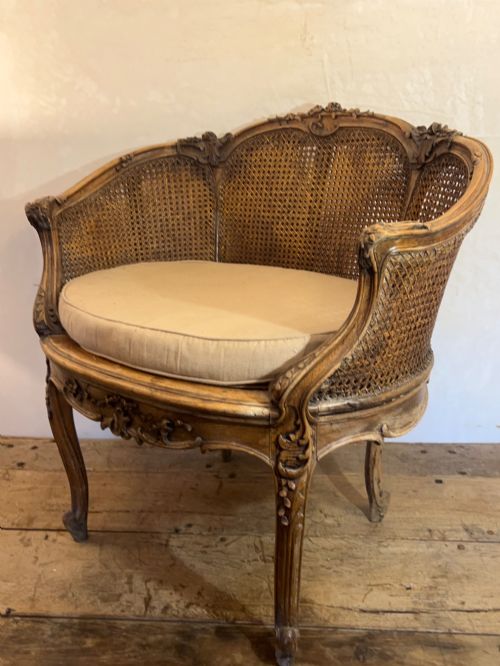
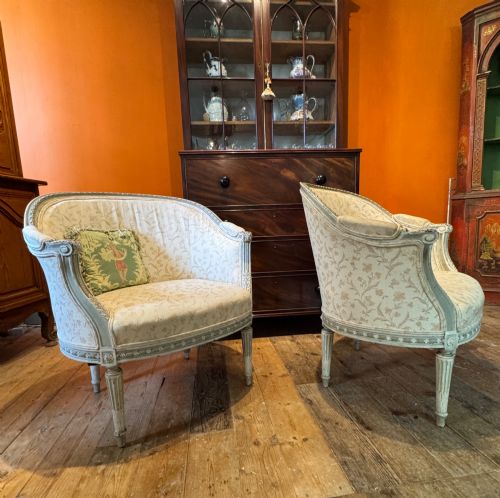
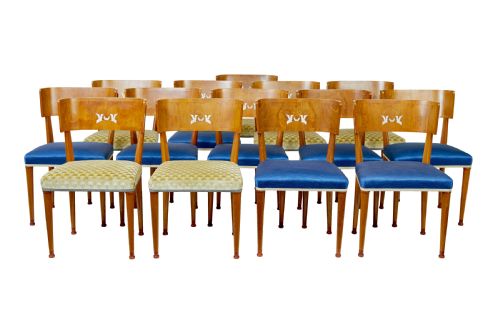
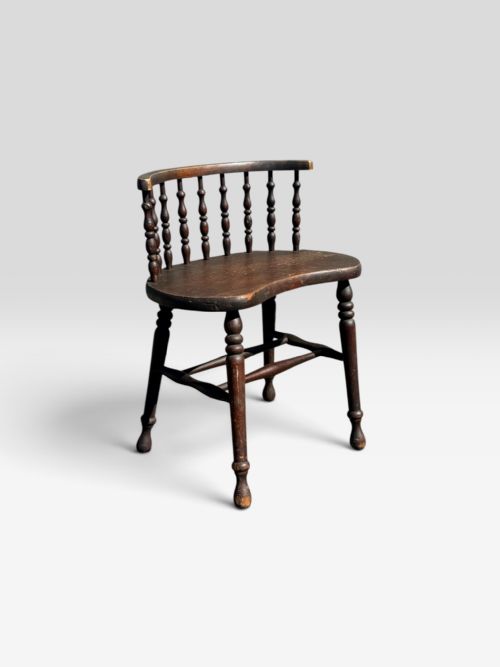
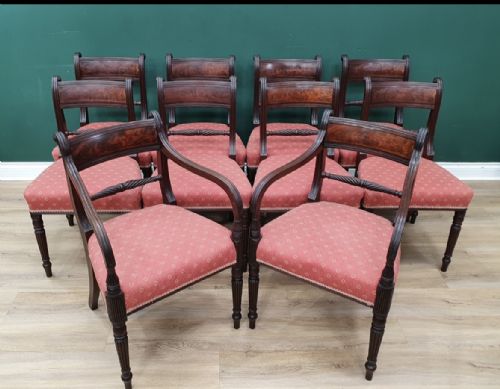
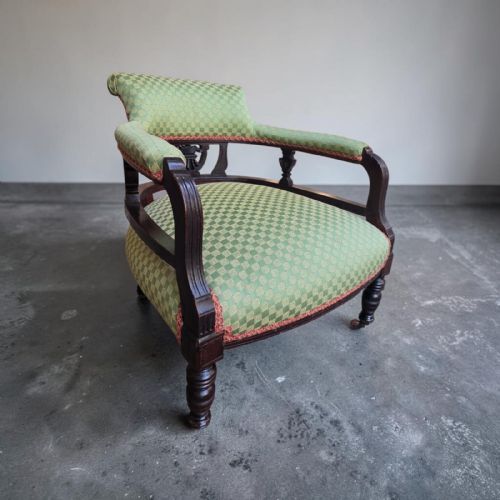
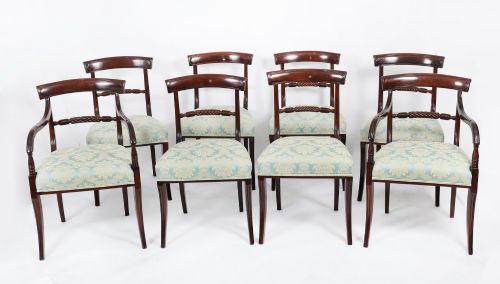
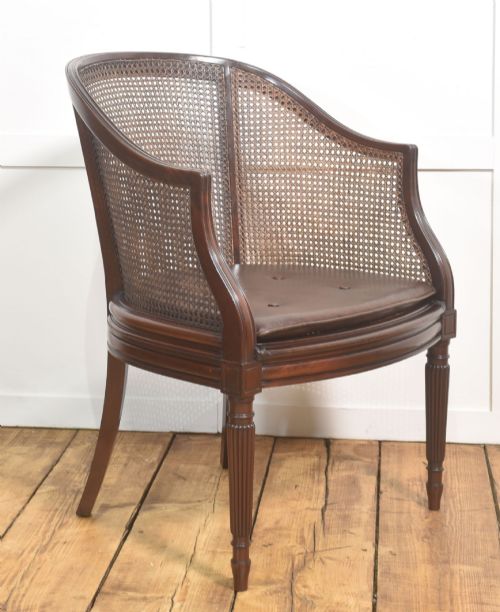
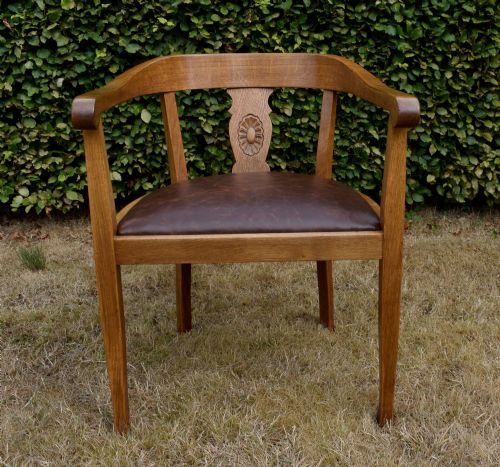
Curved back chairs encompass everything from Edwardian barrel backs to Regency dining seats and French tub armchairs, offering contour and support for daily sitting.
Curved Back Chairs
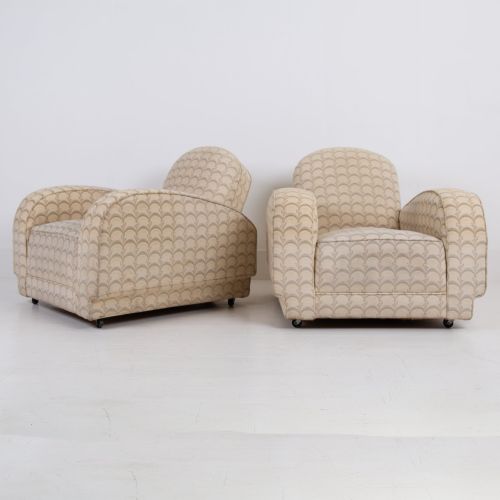
Curved back chairs span dining sets, desk chairs, and low lounging armchairs shaped to fit the human form. You encounter forms originating from the Georgian period through to the Art Deco era.
Seating variations range from solid wood hoops and bentwood frames to upholstered barrel and tub shapes. Buyers find individual pieces as well as matched dining sets.
Materials and Construction
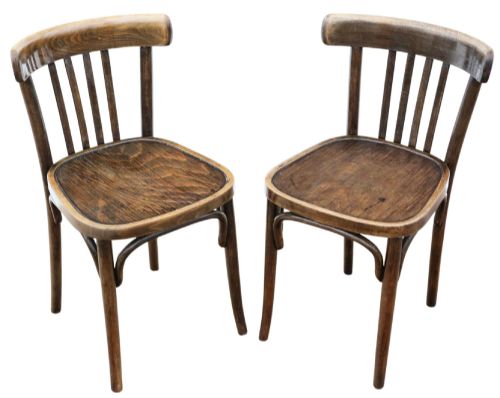
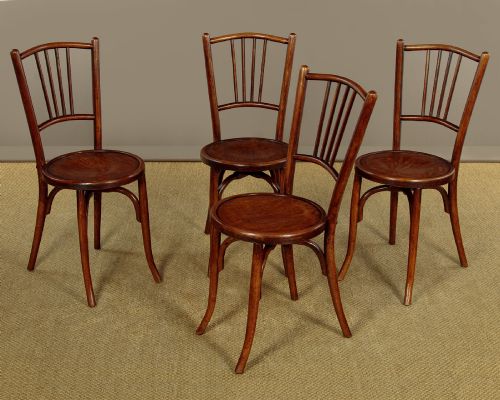
Carpenters shaped solid timbers like mahogany, walnut, and oak using traditional joinery, often steam-bending elm and beech for continuous curves. Bentwood techniques utilised heat to form flowing lines in chairs like bistro seating.
Upholstered versions relied on fabric, leather, or cane panels fitted into shaped wooden frames. Details such as strapwork, hand-turned spindles, and inlaid satinwood completed the construction of finer pieces.
Listings feature elm, mahogany, oak, and walnut timbers across nineteenth-century and Art Deco periods.
What Varies in Quality
The standard of a curved back chair depends on the selection of timber and the precision of its joinery. Figured grains and tightly fitted joints separate superior seating from simpler utilitarian output.
Proportion and comfort dictate the distinction between ordinary workshop pieces and refined examples. Original surfaces, whether polished wood or early paint, retain greater integrity than heavily restored alternatives.
Thonet·Codina
The Curved Back Chairs Glossary
- Tub chair
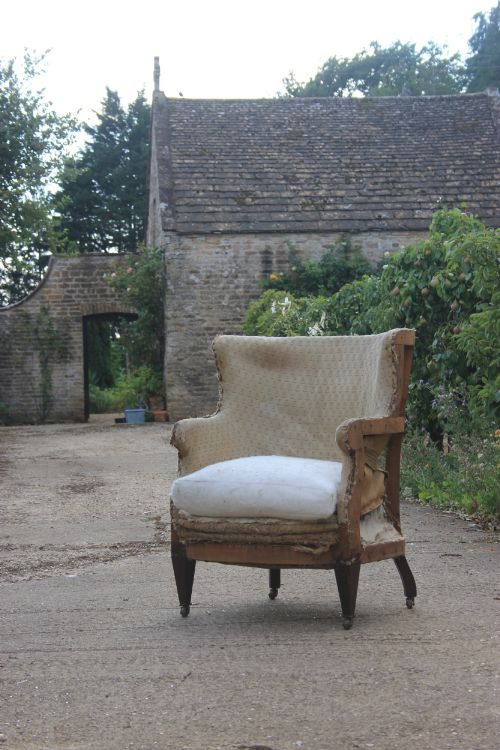
- A fully upholstered armchair featuring a continuous curved back and arms that form a protective enclosure. This form provides deep seating comfort.
- Klismos
- An ancient Greek chair design revived in neoclassical and Art Deco periods, characterised by concave curved back rails and splayed legs. The graceful silhouette supports the spine.
- Bentwood
- Wood heated with steam and bent into curved structural components without traditional joinery. This technique created lightweight, durable chairs.
- Hoop back
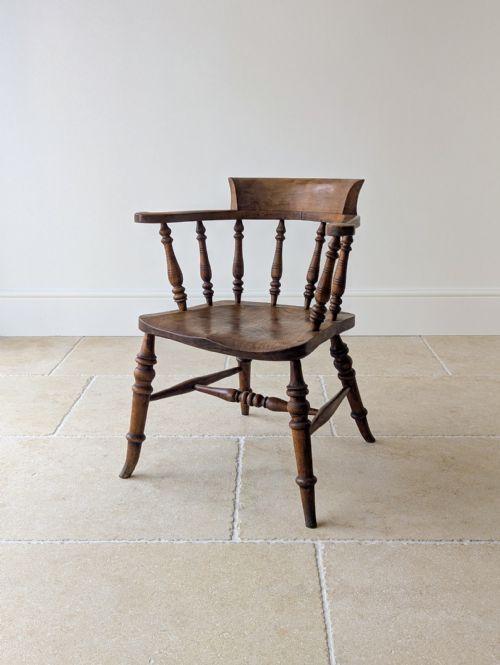
- A continuous wooden bow forming the back and armrests of a Windsor chair. It distributes weight evenly across the supports.
- Caning
- Woven rattan material used for chair seats and back panels. It offers flexible support and a light visual texture.
Curved Back Chairs: Frequently Asked Questions
How do I date a curved back chair?
Dating relies on timber selection, construction methods, and stylistic details present in the frame. Georgian pieces often show figured mahogany, while Edwardian examples favour lighter woods or cane.
Comparing secondary woods and upholstery techniques helps confirm the period of manufacture.
Are curved back chairs comfortable?
Many curved back chairs are designed specifically to support the lower back and sides of the sitter. Tub chairs and upholstered barrel backs offer deep, enveloping seating.
Wooden hooped designs provide firm posture support suitable for dining and desk work.
How do I clean wooden curved back chairs?
Cleaning requires a soft, dry cloth to remove dust from carved details and curved rails. Avoid harsh chemical sprays that might damage historic wood finishes.
Applying occasional wax preserves the natural lustre of mahogany, walnut, and oak surfaces.