




Curved Arm Bench
These curved arm antique bench pieces bring enduring form and utility to any room, offering classic seating shaped by centuries of design.
Curved Arm Bench
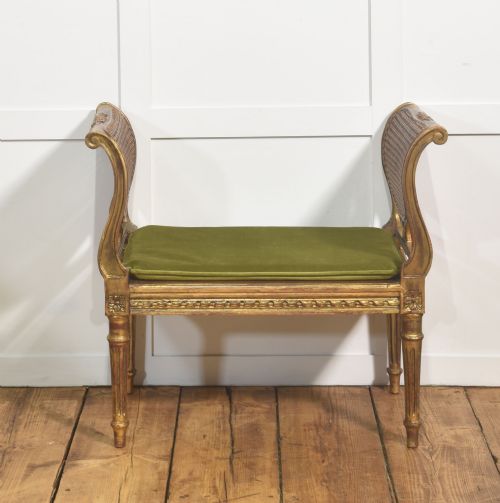
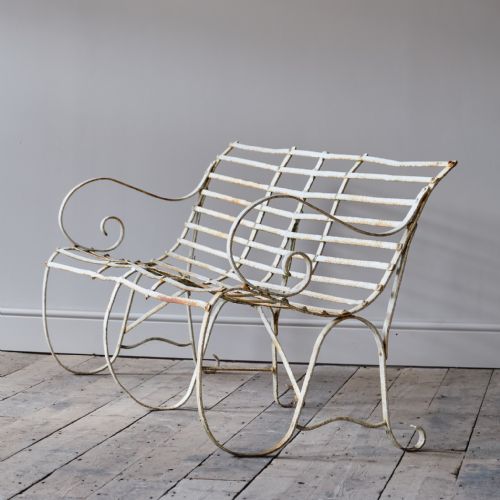
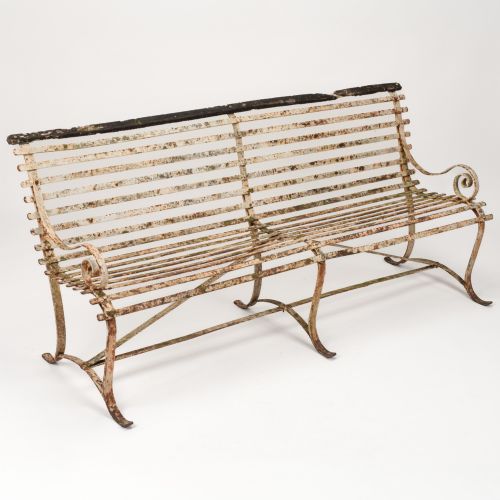
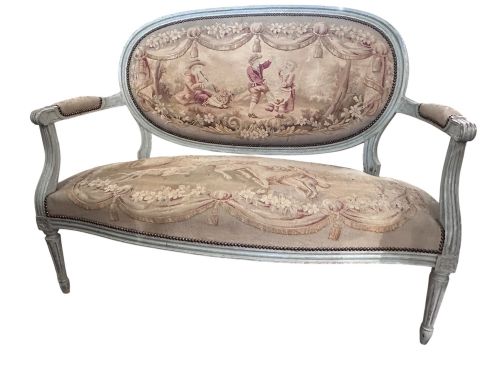
A curved arm antique bench encompasses seating forms ranging from robust garden benches in wrought iron to refined indoor window seats and settees. Buyers search for these pieces to introduce architectural interest and traditional craftsmanship into domestic interiors or exterior spaces.
The selections available here span the nineteenth century, Regency, and Georgian periods, showcasing distinct regional iterations. Among these, wrought iron strapwork garden examples and mahogany or giltwood window seats appear frequently.
Makers utilised diverse frameworks, from beech and mahogany to bentwood and giltwood, pairing structural timber or metal with cane, velvet, and paint finishes. This variety reflects the shifting aesthetic priorities of Victorian, Regency, and Louis XVI revival designers.
Materials and construction methods
Makers constructed outdoor examples primarily from wrought iron, employing strapwork techniques to achieve resilient and decorative garden seating. Indoor seating relied on timber frames of mahogany, beech, and giltwood, shaped through traditional joinery.
Surface finish and upholstery varied according to the intended placement of the seat, incorporating cane panels, applied paint, and velvet texturing. Bentwood production methods also emerge in pieces from the turn of the twentieth century.
Materials represented across the inventory include wrought iron, mahogany, giltwood, cane, paint, beech, velvet, and plywood.
Assessing quality and craftsmanship
Quality in these benches rests on the precision of the frame construction and the integrity of the original materials, whether iron strapwork or carved mahogany. Superior examples demonstrate fluent curvature in the arms and balanced proportions across the entire seat structure.
The retention of original surface treatments, such as early gilding, paint, or cane work, distinguishes finer survivals from heavily restored or altered pieces.
Thonet
The Curved Arm Bench Glossary
- Wrought iron
- Iron worked by heating and hammering, used extensively for durable nineteenth-century garden benches. This material allowed makers to fashion intricate strapwork patterns.
- Strapwork
- Ornamental flat bands or plates arranged in interlaced patterns, characteristic of the metalwork on nineteenth-century garden benches. It provides both structural rigidity and decorative effect.
- Giltwood
- Wood that has been treated with gold leaf or powder, frequently found on formal nineteenth-century window seats and decorative settees. This finish enhances the carved details of revival pieces.
- Canapé
- A French-style sofa or settee, often upholstered and featuring exposed wood frames associated with eighteenth and nineteenth-century revival aesthetics. Such pieces served as formal salon seating.
Curved Arm Bench: Frequently Asked Questions
Where should I place a curved arm antique bench?
These benches suit various settings depending on their material and period construction. Wrought iron garden versions naturally fit outdoor terraces, while mahogany and giltwood window seats complement interior hallways or reception rooms.
Selecting the right placement ensures the materials are not subjected to environmental conditions that could damage delicate upholstery or exposed gilt finishes.
How do I identify a Regency period bench?
Regency pieces often incorporate classical motifs and specific structural forms inspired by ancient Roman and Greek design. Look for wrought iron strapwork or mahogany frames that reflect the aesthetic of the early nineteenth century.
Comparing the listed period attributes with known historical design books helps confirm the era of manufacture.
What is the difference between a settee and a window seat?
Window seats are generally narrower forms designed specifically to fit within architectural window recesses, often featuring dual armrests or simple ends. Settees provide wider upholstered seating intended for general salon or parlor use.
Both forms utilise similar decorative vocabulary depending on whether they follow Louis XVI, Regency, or Victorian styles.
How do I care for antique wrought iron?
Wrought iron garden benches require minimal intervention to preserve their structural stability and surface patina. Keeping them free of excessive moisture prevents the formation of damaging corrosion.
Gentle cleaning with appropriate soft brushes maintains the historical strapwork without stripping the aged finish.