

Crystal Wine Goblets
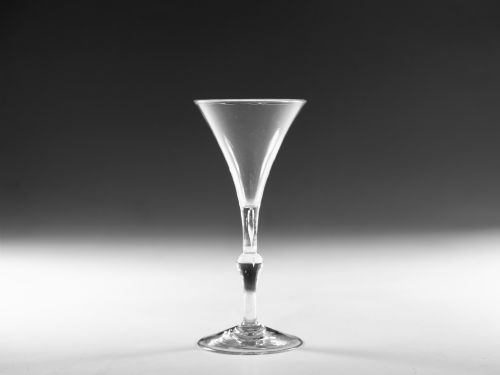
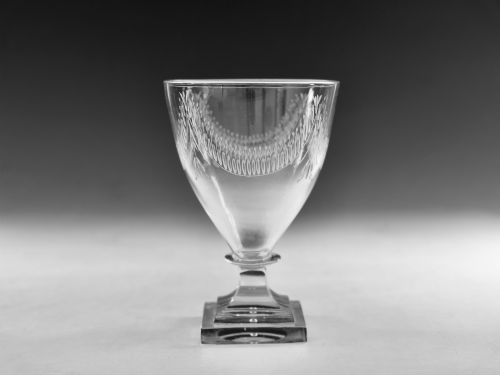
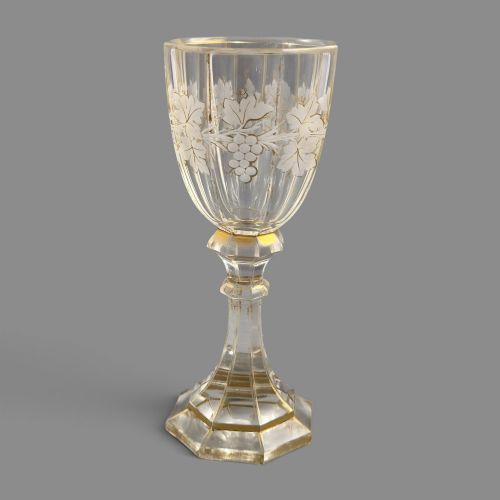
Crystal wine goblets bring substance and historical weight to the table, spanning centuries of fine glassmaking from early Georgian twists to later continental enamelling.
Crystal Wine Goblets
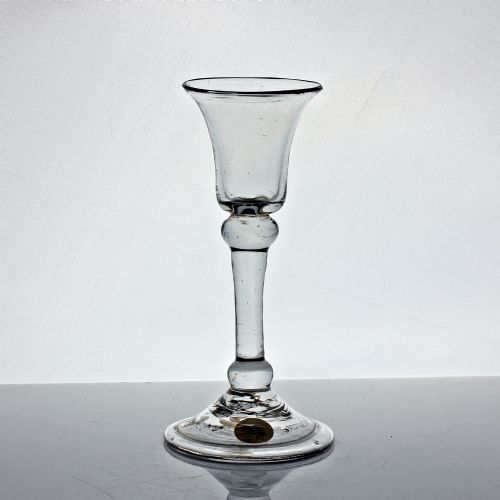
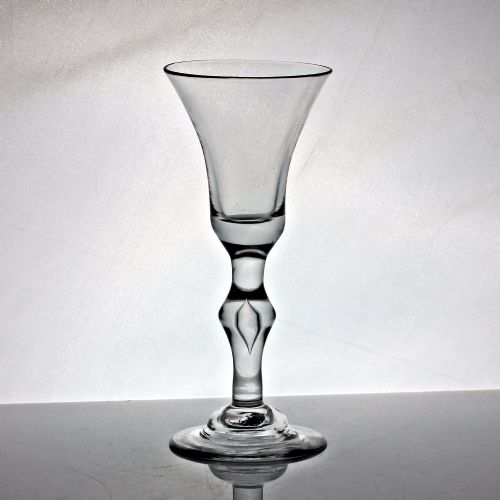
When searching for crystal wine goblets, buyers encounter drinking vessels spanning the eighteenth, nineteenth and early twentieth centuries, encompassing Georgian, Victorian, Edwardian and Art Deco periods.
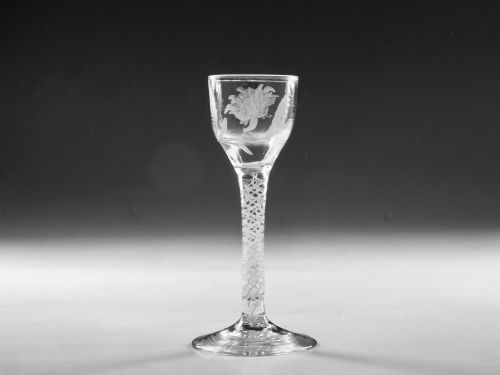
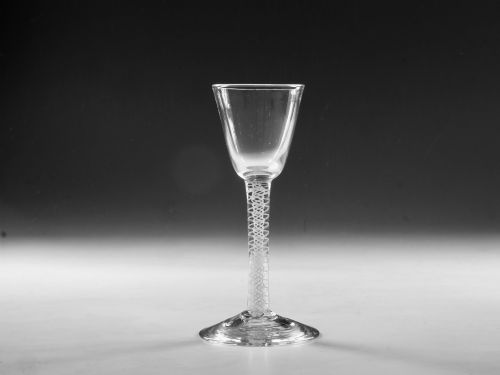
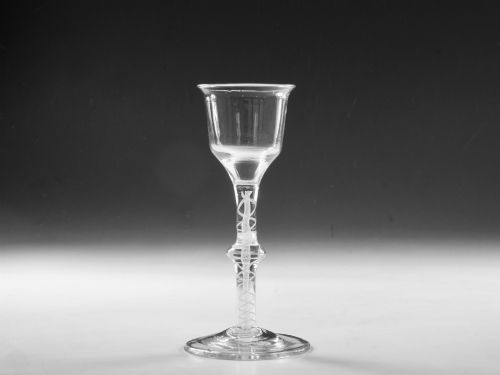
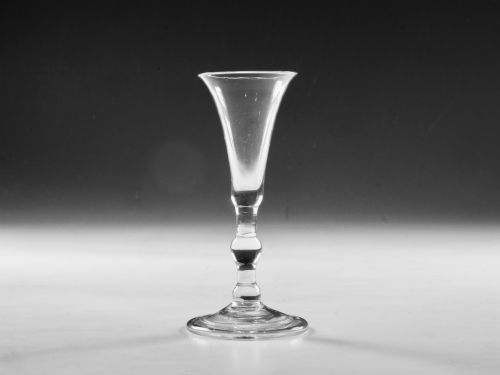
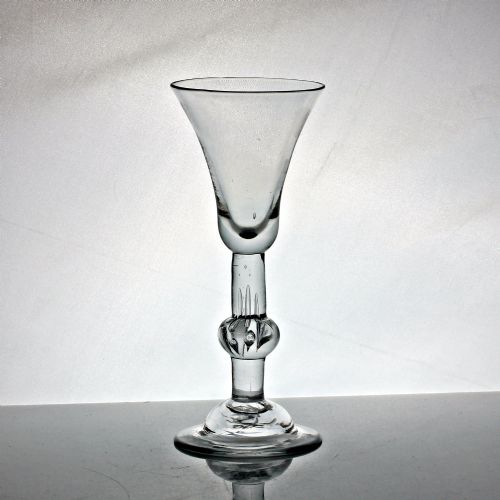
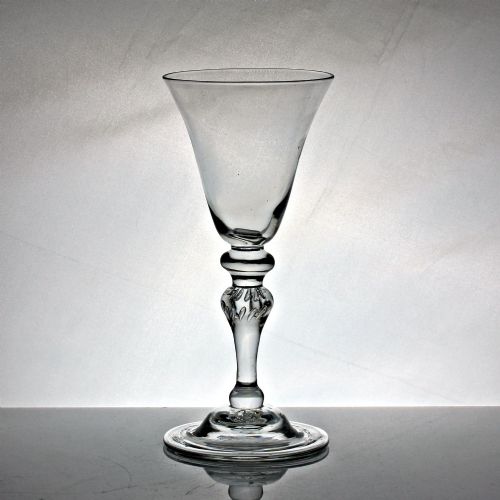
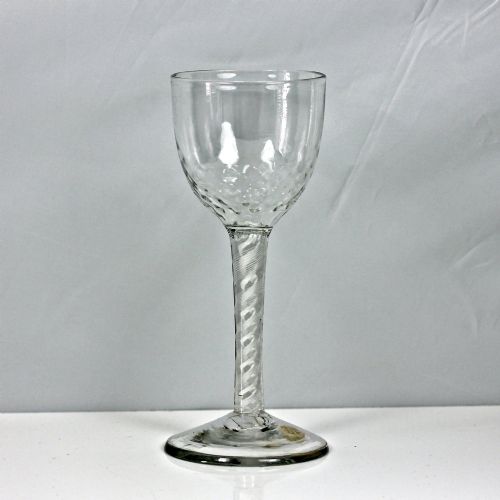
The selection ranges from tall rummers and heavy faceted drinking glasses to delicate wine glasses featuring air twists and opaque twists.
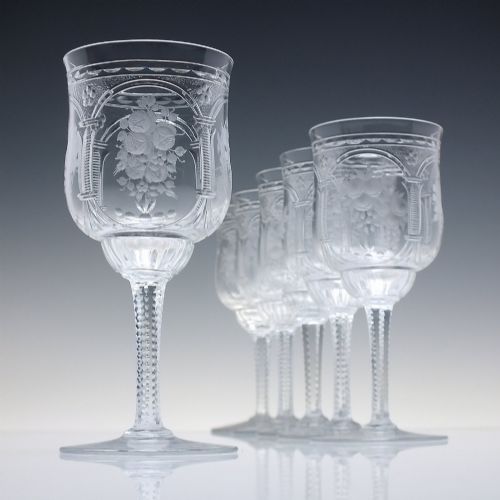
Continental examples appear alongside English productions, including Bohemian engraved crystal and enamelled hock glasses.
How they were made
Maker operations relied heavily on lead crystal, flint glass and clear glass, shaped into vessels through blowing, moulding and cutting techniques.
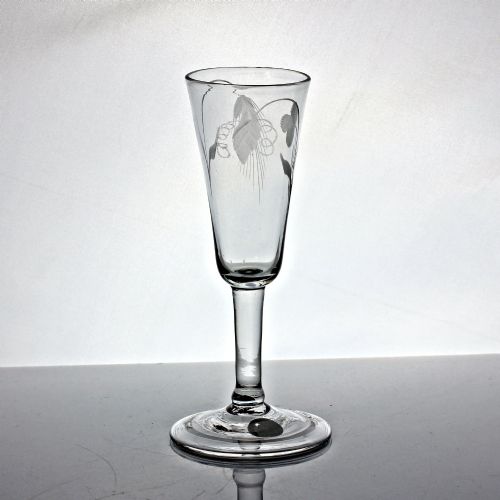
Decoration involved intricate engraving, hobnail cutting, applied gold leaf and colourful enamel painting.
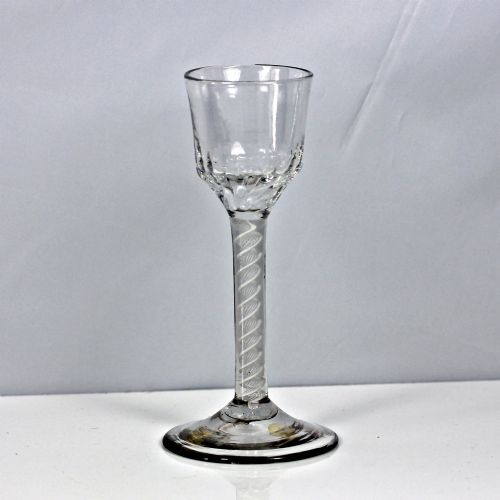
Stems incorporated specialised internal formations such as air twists, opaque twists and multi-spiral threads created while the metal was hot.
One eighteenth-century glass carries an anti-Jacobite message celebrating Hanoverian loyalty, proving drinkers used their cups for political toasts.
What varies in quality
Quality rests in the clarity of the metal, the precision of the stem twist and the sharpness of the wheel-cut facets.
The elegance of the bowl proportion relative to the foot base dictates the aesthetic merit of each piece.
Intricacy in engraving and the application of gilding or enamel decoration elevate certain examples above standard utilitarian ware.
Moser Bohemian·Baccarat·Theresienthal
The Crystal Wine Goblets Glossary
- Rummer
- A large heavy drinking glass popular in the Georgian and Victorian eras, often used for ale, wine or punch. These sturdy vessels frequently feature cut decoration or bucket bowls.
- Air twist
- A decorative stem formation containing internal spiralling air threads trapped within the glass. Makers produced these by drawing and twisting bubbles inside the stem.
- Opaque twist
- A stem containing white or coloured enamel threads drawn into spirals or lace-like patterns. This technique gained popularity in mid-eighteenth-century English glasshouses.
- Hock glass
- A tall drinking vessel traditionally used for white wine, often featuring a coloured bowl or elaborate enamel work. Continental makers produced notable examples during the nineteenth and twentieth centuries.
- Folded foot
- A base edge turned under to create a thicker rim for durability and stability. This feature appears frequently on eighteenth-century wine glasses and ale glasses.
Crystal Wine Goblets: Frequently Asked Questions
Are these glasses safe to use?
Most antique crystal and lead glass drinking vessels remain entirely suitable for occasional use at the dining table. Handle them with care due to their age and historical value.
Inspect each piece for structural integrity, avoiding any vessel with active cracks or sharp rim chips before pouring beverages.
What is the difference between a rummer and a wine glass?
Rummers are substantially larger, heavier drinking vessels designed for robust portions of wine, ale or punch. They typically feature thick bucket bowls and sturdy feet suited for communal tavern or dining use.
Wine glasses are smaller and more delicate, intended for measured pours and appreciation of vintage character, featuring slender stems and refined bowl shapes.
How do I date an air twist stem?
Air twist stems commonly date to the mid-eighteenth century, particularly the Georgian period between one thousand seven hundred and forty and one thousand seven hundred and sixty. Examine the formation of the internal threads and the general weight of the metal.
Compare the foot style and bowl shape, as folded feet and ogee bowls frequently accompany authentic eighteenth-century air twist configurations.