

Crystal Stemmed Glasses
Crystal stemmed glasses bring tactile weight and historic craftsmanship to the table, spanning centuries of drinking vessels from Georgian twists to Victorian flutes.
Crystal Stemmed Glasses
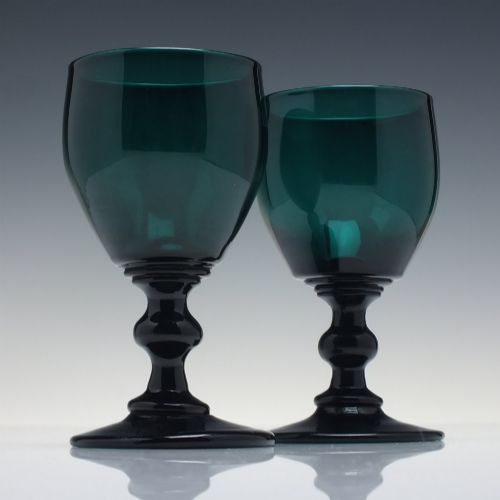
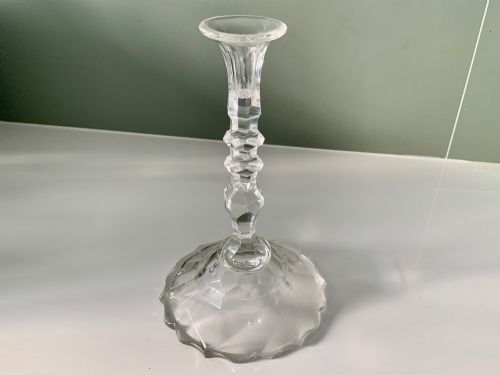
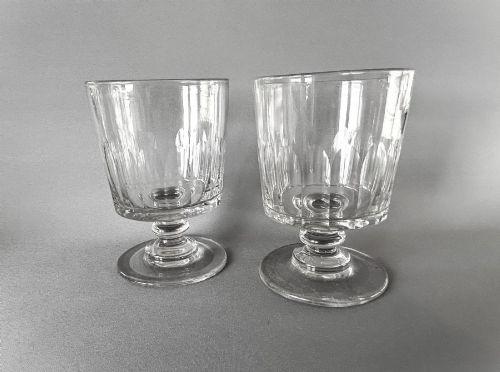
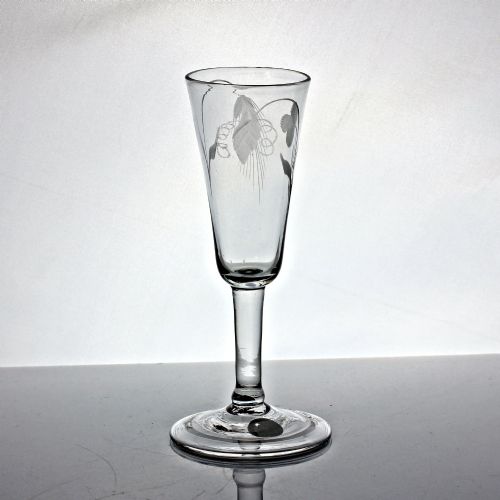
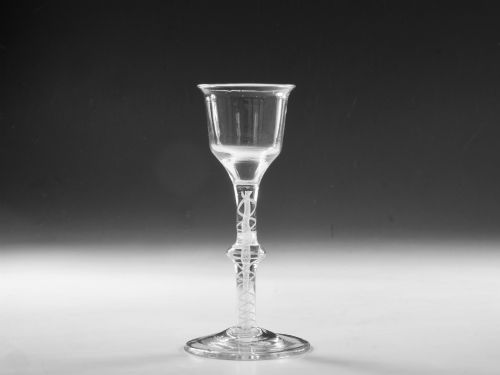
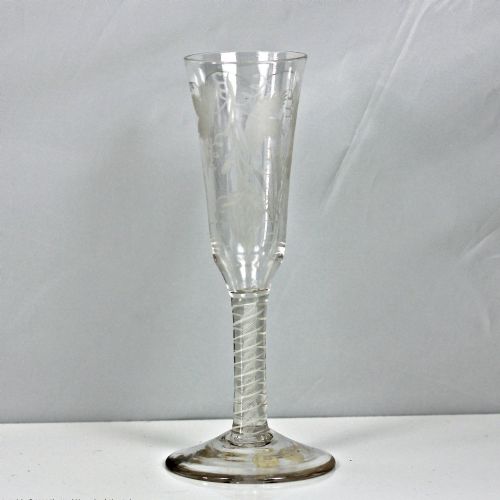
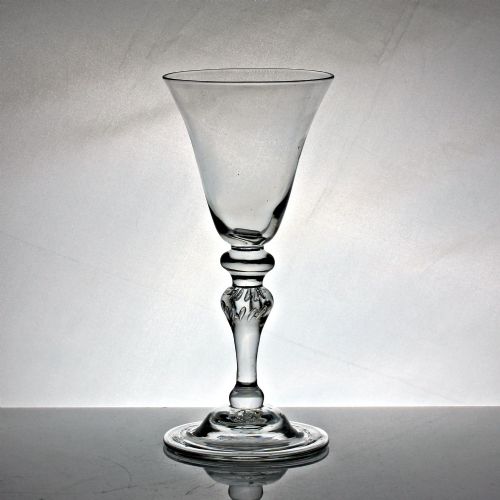
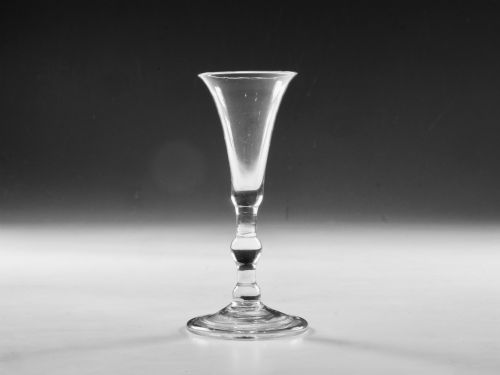
Crystal stemmed glasses include wine glasses, rummers, champagne flutes, and gin glasses originating from the eighteenth, nineteenth, and early twentieth centuries. These vessels served functional roles for wine, ale, and spirits in historic domestic settings.
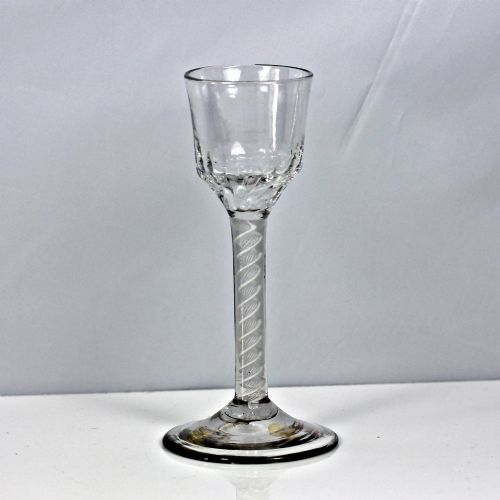
The eighteenth-century examples lean heavily towards Georgian lead glass forms featuring air twists and opaque twists. Later Victorian and early twentieth-century pieces introduce cut glass, enamel, and gilding from diverse European makers.
How they were made
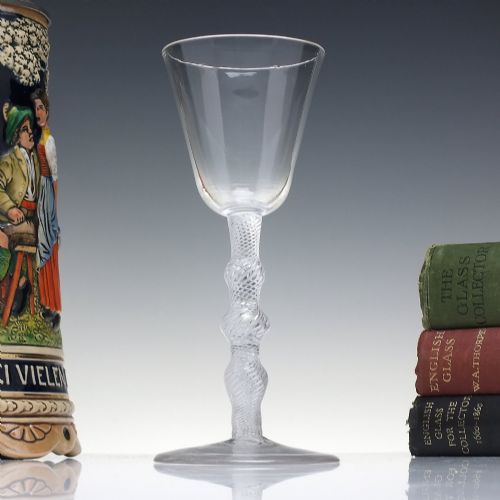
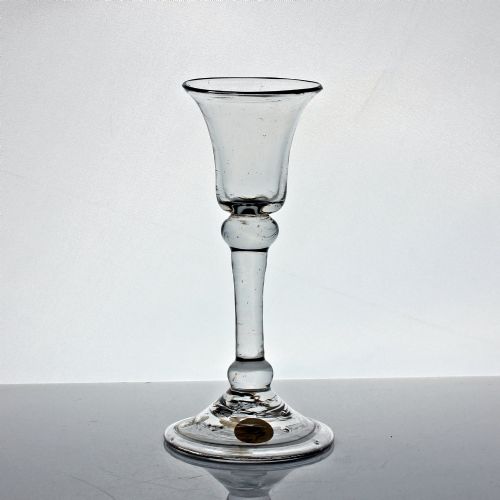
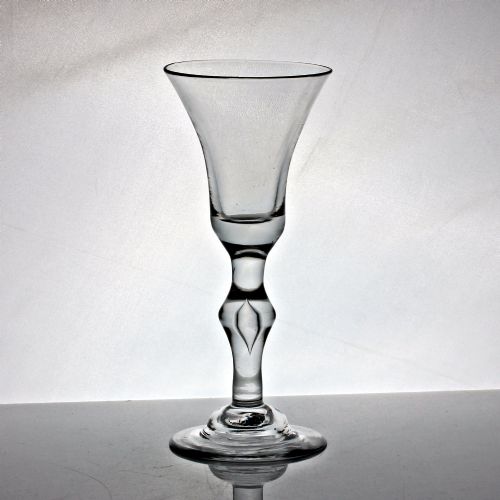
Maker operations utilised lead crystal, flint glass, and clear glass shaped through blowing and moulding techniques. Artisans formed stems using baluster, balustroid, and multi-spiral air twist methods.
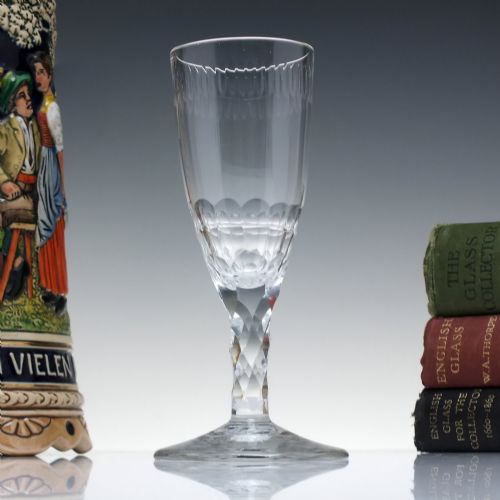
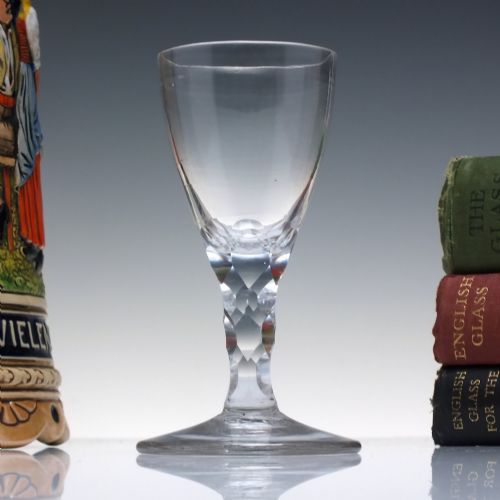
Decoration relied on skilled wheel-engraving, star-etching, and surface faceting. Additional ornamental details incorporated enamel, gold leaf, and colour applications.
Crystal Stemmed Glasses Retail Price Guide 2026
Typical asking prices for crystal stemmed glasses among the pieces listed under this phrase on Sellingantiques today, from the lower quarter to the upper quarter. They describe what is for sale here now, not the wider market.
The inventory records lead crystal, flint glass, and enamel materials across eighteenth-century Georgian and nineteenth-century Victorian periods.
What varies in quality
Quality differentiates through the clarity of the lead crystal and the precision of the stem formations, such as complex double series opaque twists. Elaborate engraving work and specialised bowl moulding also elevate particular examples.
The overall balance of the vessel, the weight of the metal, and the execution of applied elements like folded or domed feet distinguish standard drinking glasses from superior collector pieces.
Baccarat·Moser·Theresienthal
The Crystal Stemmed Glasses Glossary
- Lead crystal
- A type of glass containing lead oxide that increases weight, refractive brilliance, and clarity. It allows for deep wheel-cut decoration.
- Opaque twist
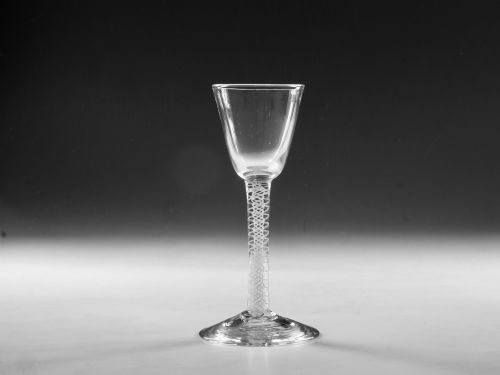
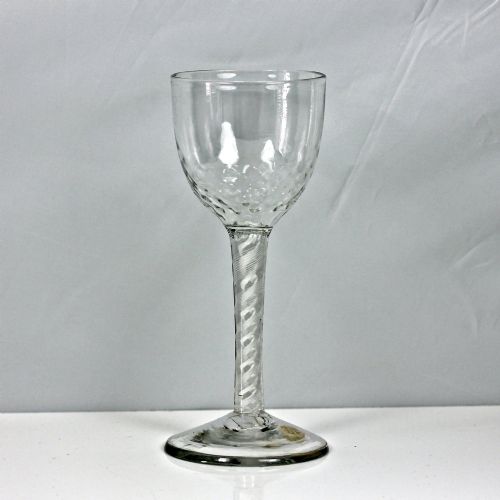
- A stem decoration formed by white or coloured enamel glass threads drawn into spirals inside clear glass. It is characteristic of eighteenth-century English manufacture.
- Air twist
- A stem created by drawing out air bubbles trapped in the molten metal into fine helical threads. This technique defines specific Georgian drinking vessels.
- Baluster
- A heavy, thick stem form featuring prominent knops inspired by architectural balustrades. It appears frequently on early eighteenth-century glasses.
- Ogee bowl
- An s-curved drinking vessel profile curving outward at the rim and inward at the base. It is common on Georgian wine and ale glasses.
Crystal Stemmed Glasses: Frequently Asked Questions
How do I identify Georgian crystal stemmed glasses?
Georgian crystal stemmed glasses display specific structural markers such as pontil marks on the base, thick lead metal, and distinctive stem formations like balusters or air twists. Their bowl shapes and foot styles correspond to mid-eighteenth to early nineteenth-century domestic usage.
Examining the metal under magnification reveals tiny air bubbles and striations characteristic of period manufacturing methods. Comparing foot diameters to bowl proportions further assists in period attribution.
What is the difference between air twist and opaque twist stems?
Air twists contain elongated internal air bubbles drawn into spiral threads within the transparent stem of the glass. Opaque twists incorporate solid white or coloured enamel glass rods twisted into similar helical patterns during manufacture.
Both techniques require exceptional glasshouse skill but produce distinct visual effects. Air twists appear subtle and refractive, whereas opaque twists create sharp, clean lines visible against light.
How were antique champagne flutes used?
Victorian and early twentieth-century champagne flutes served sparkling wines and champagne during formal dinners and social gatherings. Their elongated bowls helped retain carbonation while showcasing the effervescence of the drink.
These glasses often feature star-etching, cut glass facets, or hollow stems. Their delicate proportions reflect the dining customs of the late nineteenth century.
Can I use antique crystal glasses for daily dining?
Using antique crystal stemmed glasses for dining requires careful handling due to the delicate nature of historic lead glass. Hand washing in warm water prevents thermal shock and preserves surface engravings, enamel, and gilding.
Avoiding harsh detergents and stacking protects the rims and delicate twisted stems from chips. Many collectors enjoy utilising these functional pieces for special occasions.