

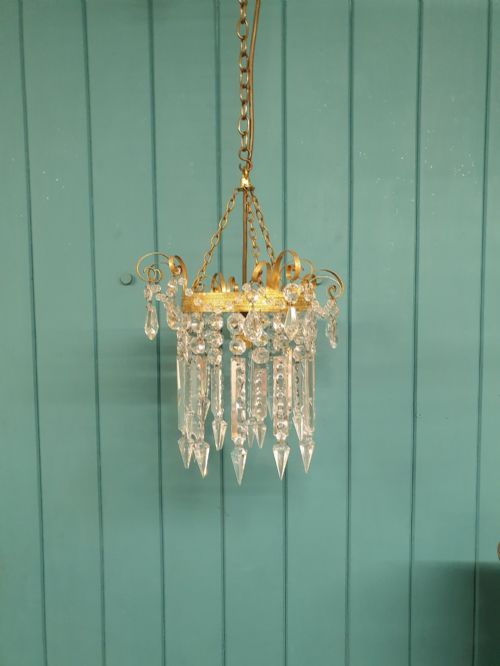


Crystal Prism Glass
Crystal prism glass brings together glass and cut crystal to catch the light, turning a room into a display of bright reflection.
Crystal Prism Glass
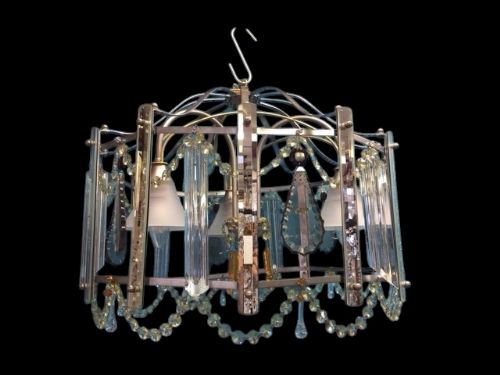
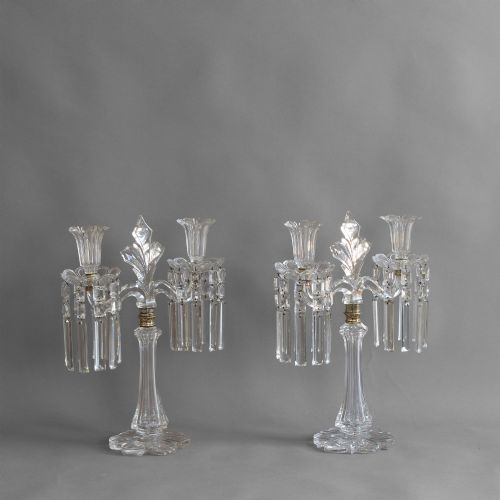
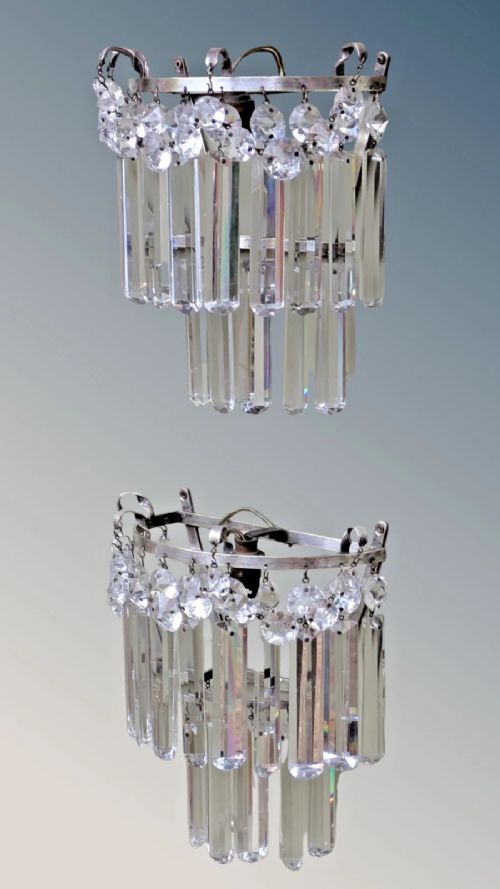
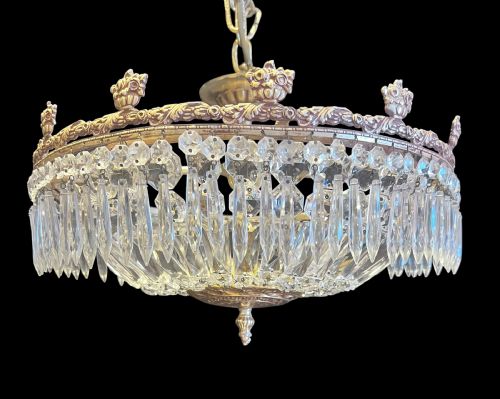
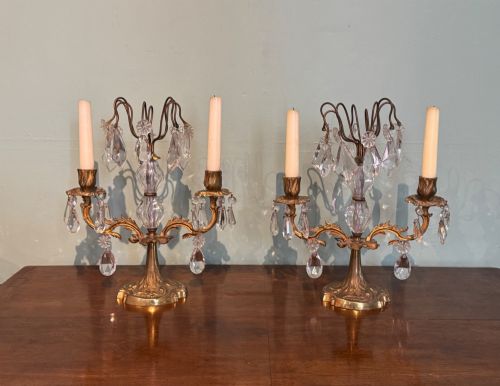
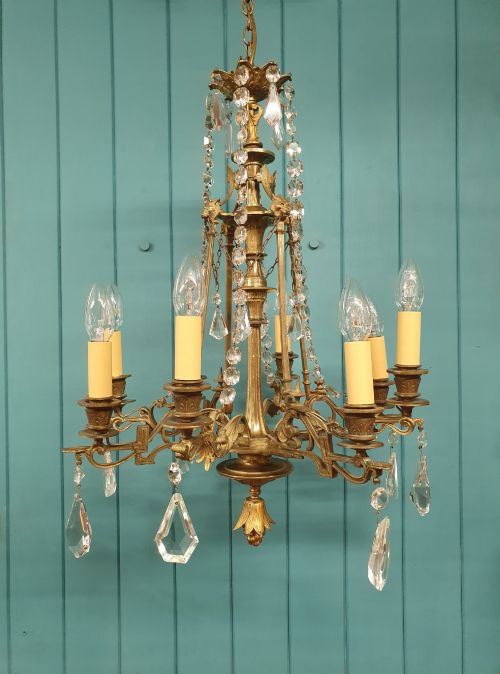
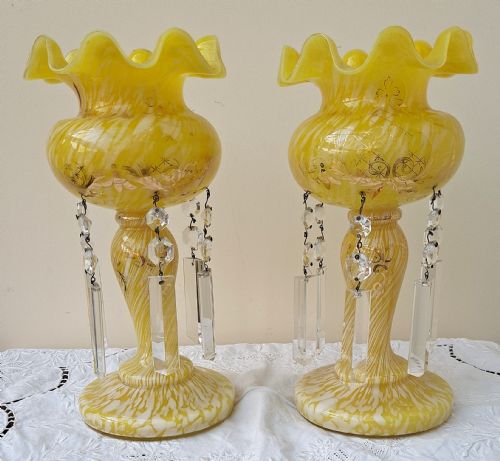
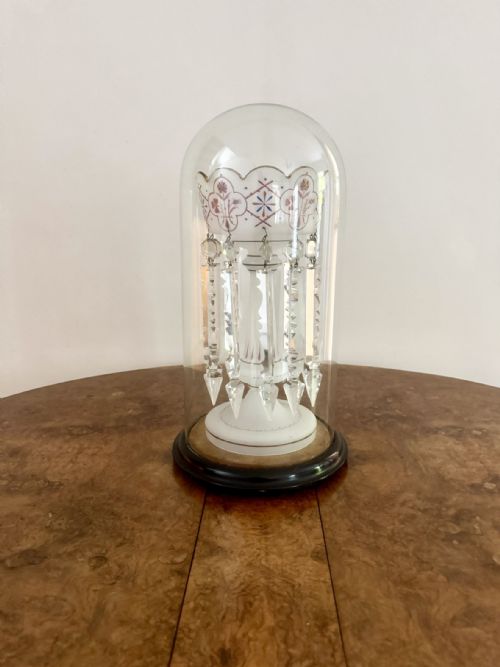
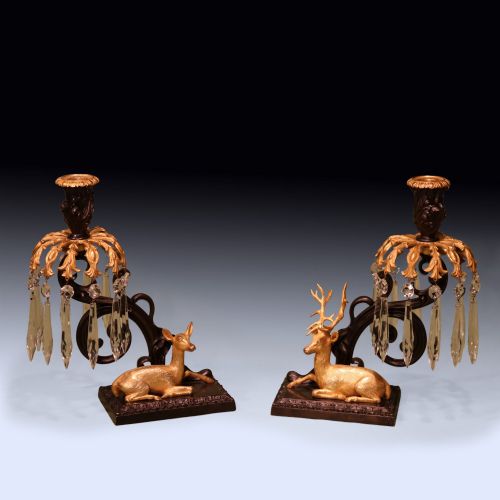
When searching for crystal prism glass, buyers encounter a range of lighting and decorative objects designed to refract light through cut or moulded glass. The selection spans chandeliers, ceiling lights, mantel lustres, candlesticks, and wall lights from periods such as the Victorian era, the Edwardian period, and the Regency years.
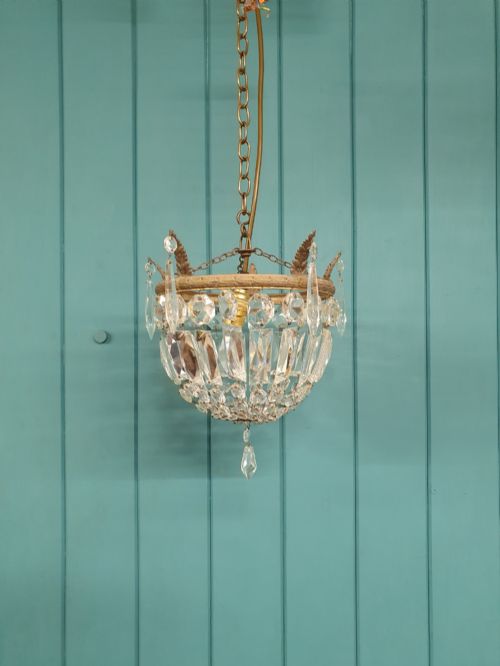
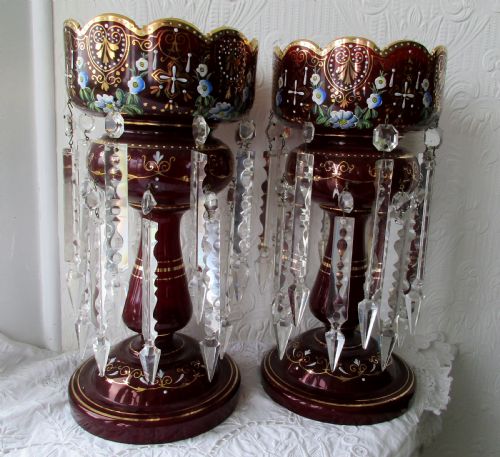
The version most commonly met on this page is the pair of mantel lustres or the smaller ceiling chandelier featuring hanging drops. These items utilise brass, gilt, and bronze alongside clear and coloured glass to create decorative focal points in domestic interiors.
How they were made
The physical construction relies on combinations of brass, bronze, or gilt metal frames fitted with lead crystal, cut glass, and enamel elements. Individual glass components, such as coffin prisms, spear points, and beads, are linked by wire loops to create cascading tents and waterfalls on chandeliers or hung from the rims of mantel lustres.
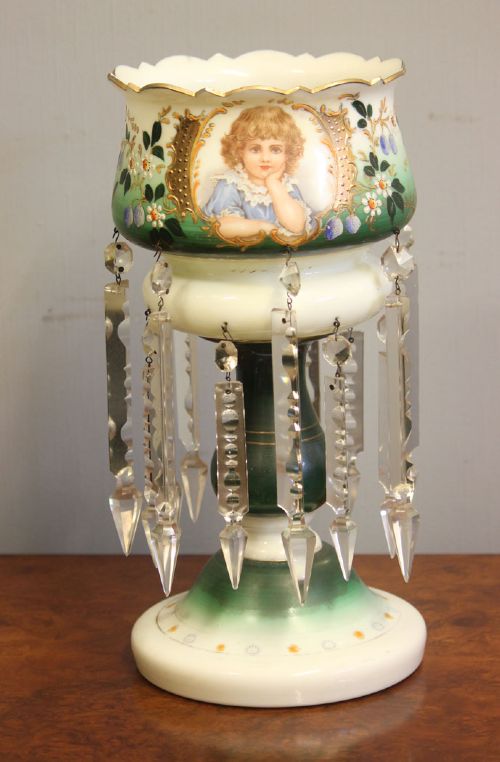
Coloured glass variants often employ flash or overlay techniques, where a layer of ruby, green, yellow, or opaline glass is applied over a clear core and cut away to reveal the contrasting hue beneath.
Prism bag chandeliers provide an instant cascade of sparkle, ensuring even the smallest hallway receives a generous share of historic indoor weather.
What varies in quality
The distinction between standard examples and the finest items rests on the depth of the glass cutting and the clarity of the crystal components. Hand-cut facets show crisp edges and generate sharper light refraction than moulded alternatives.
Metalwork frames demonstrate variance through the weight of the brass or gilded bronze, alongside the crispness of cast details like lion masks or rococo scrolls that secure the glass drops.
The Crystal Prism Glass Glossary
- Lustre
- A decorative table vase or candlestick hung with glass pendants designed to catch and reflect light. These pieces were popular on Victorian mantelpieces.
- Prism
- A geometric piece of cut glass suspended from a chandelier or lustre to refract light into the room. Common forms include spear, spike, and coffin shapes.
- Chandelier
- A branched ceiling-mounted lighting fixture holding multiple bulbs or candles. Many examples incorporate glass drops arranged in tent, bag, or waterfall formations.
- Flash glass
- Glass made by coating a core of one colour with a thin layer of another colour. Cutting through the top layer reveals the contrasting base glass underneath.
- Ormoze
- Gilded bronze metalwork used for mounts and frames. This material provides structural support and decorative framing for glass components.
Crystal Prism Glass: Frequently Asked Questions
What is a mantel lustre?
A mantel lustre is a decorative table piece, often shaped like a vase or small urn, fitted with hanging glass drops around the rim. They were typically displayed in pairs on a fireplace mantel to catch the flicker of light.
Many examples include matching candlesticks or incorporate storm shades, combining decorative glass cutting with practical function.
How do I clean crystal prisms?
Cleaning involves washing individual glass drops in warm soapy water using a soft cloth, taking care to remove them one section at a time. Metal frames should be wiped gently to avoid disturbing the wire connections holding the prisms.
Leaving the drops attached while cleaning risks chipping the glass against the brass or bronze frame.
Are these lights wired for modern use?
Many hanging chandeliers and wall lights have been adapted with modern electrical fittings to suit contemporary homes. It remains sensible to have any antique lighting checked by a qualified electrician before installation.
Table lustres and candlesticks generally serve as decorative objects or hold traditional candles rather than carrying electrical wiring.
What colours do glass lustres come in?
Victorian and Edwardian lustres appear in ruby red, forest green, yellow, and opaline white, alongside standard clear crystal. Coloured versions often utilise Bohemian overlay or flash techniques to create two-tone effects.
Clear cut glass remains common across chandeliers and wall lights to maximise the refraction of light.