

Crystal Glass Carafe
A crystal glass carafe brings weight and brilliance to the table, and this selection spans Georgian shafts to Edwardian cut glass.
Crystal Glass Carafe
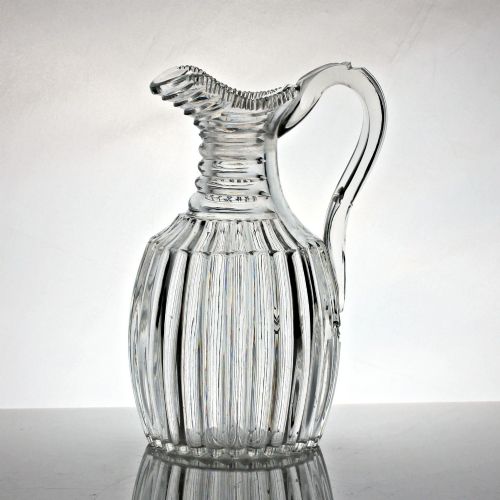
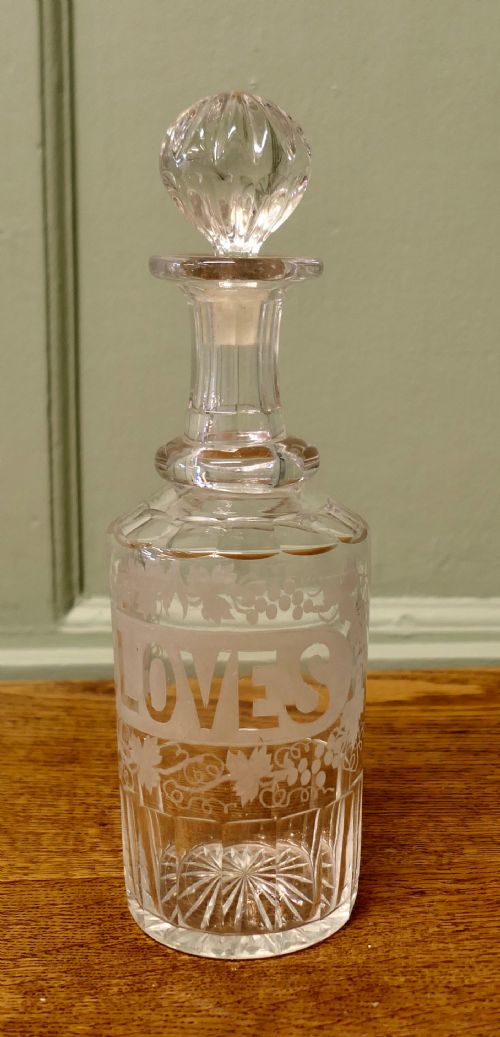
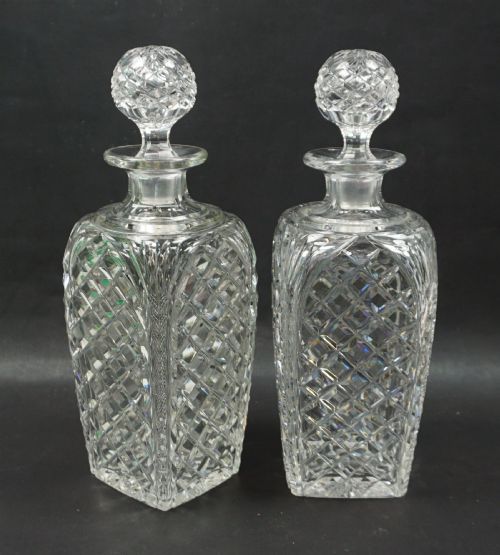
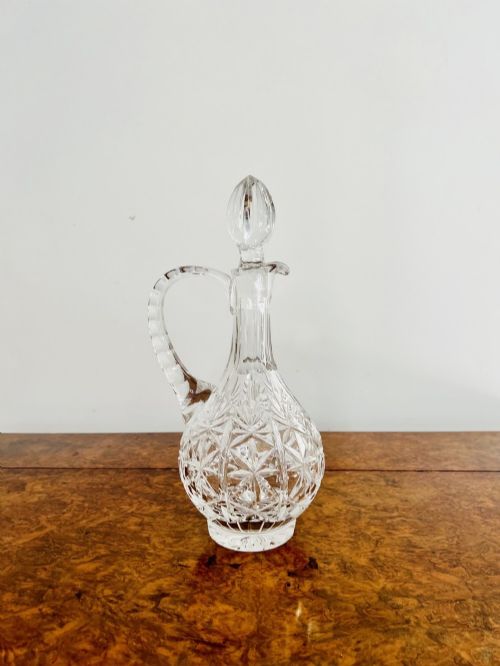
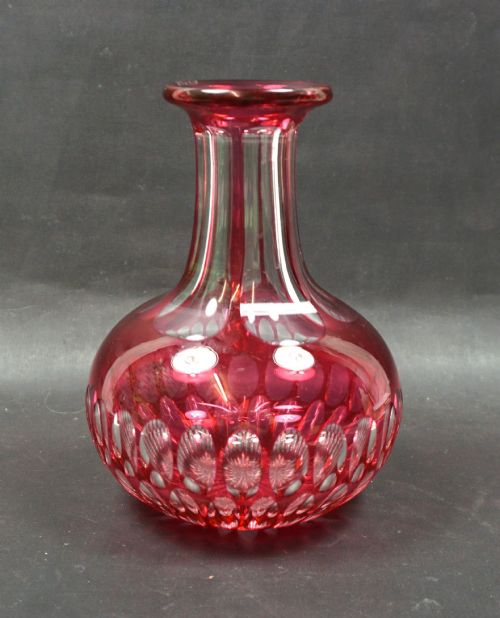
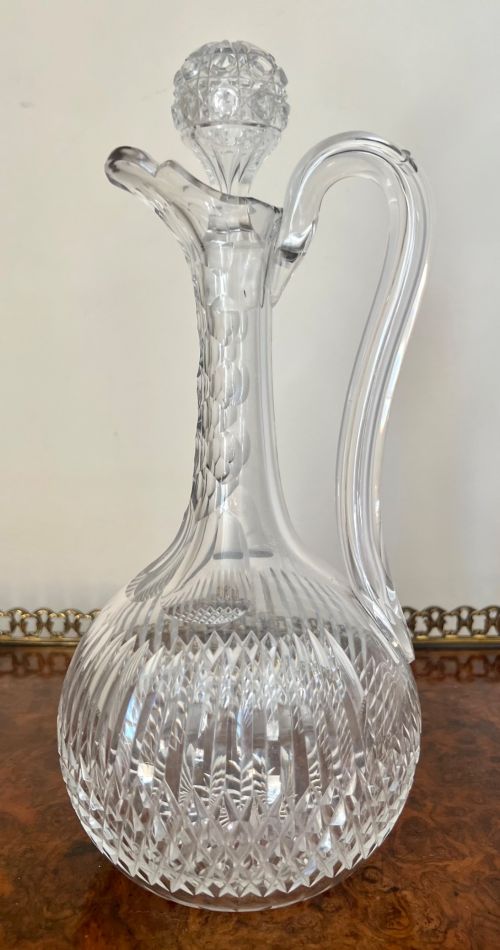
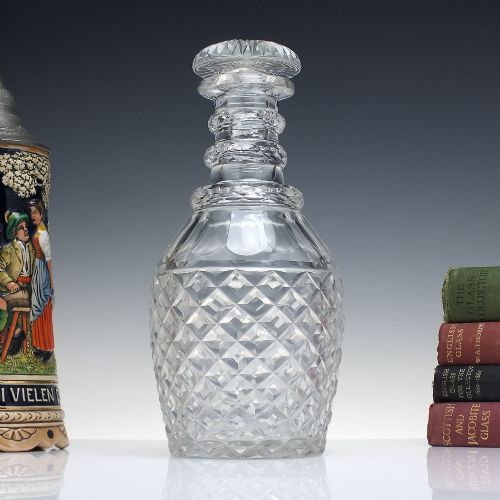
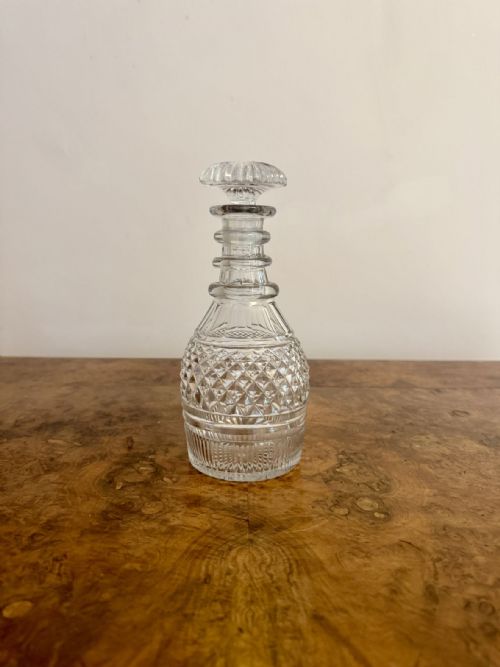
A crystal glass carafe serves water, wine or spirits, and the pieces gathered here include decanters, claret jugs and pitchers spanning the Victorian, Edwardian and Georgian eras.
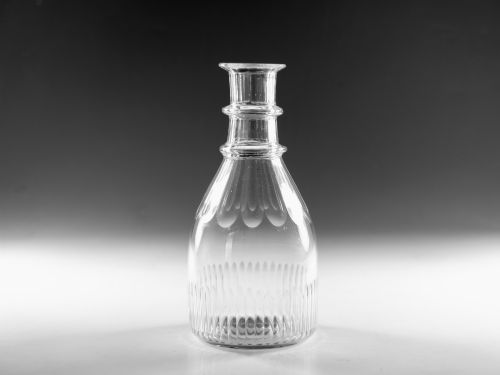
Buyers will encounter tall shaft and globe shapes alongside square section tapered decanters, bell shaped vessels and heavy cut glass ewers from diverse origins.
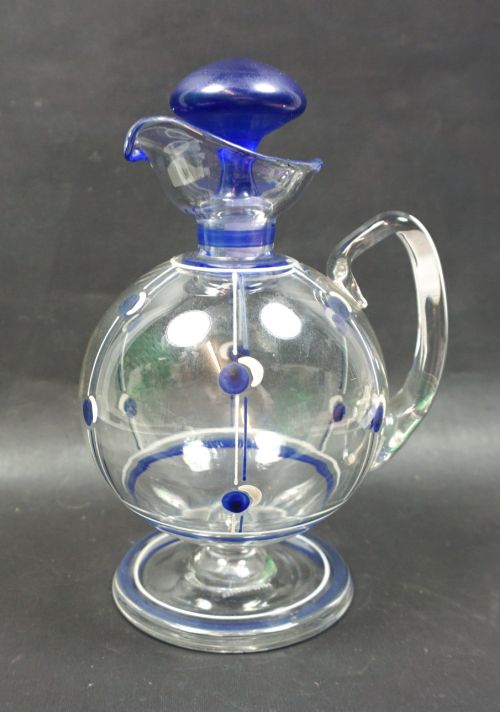
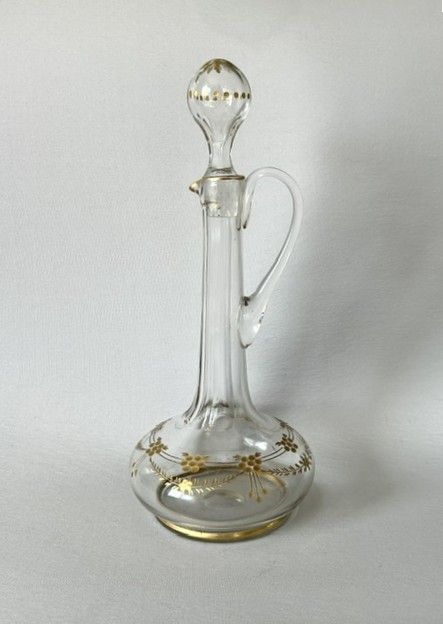
English and Bohemian makers predominate among these listings, offering examples finished with silver collars, silver plate mounts or enamel decoration.
Materials and construction
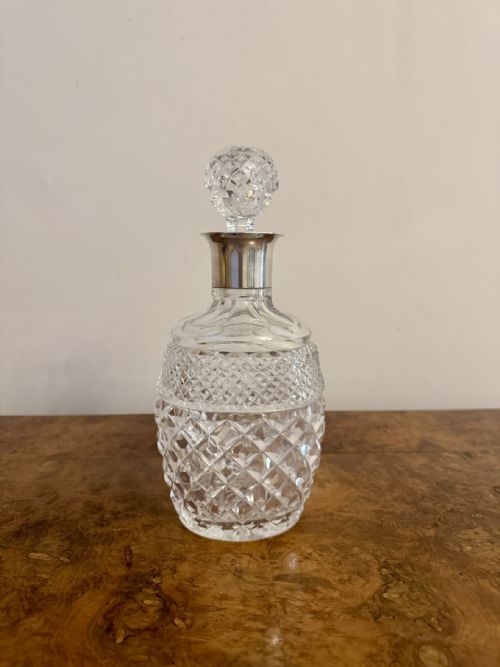
The primary bodies are formed from lead crystal or cut glass, shaped by blowing and heavy wheel cutting to create prismatic effects and deep optical facets.
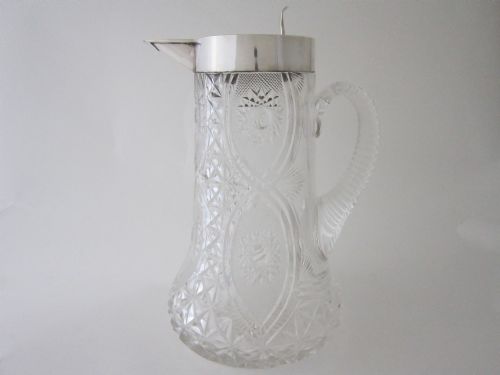
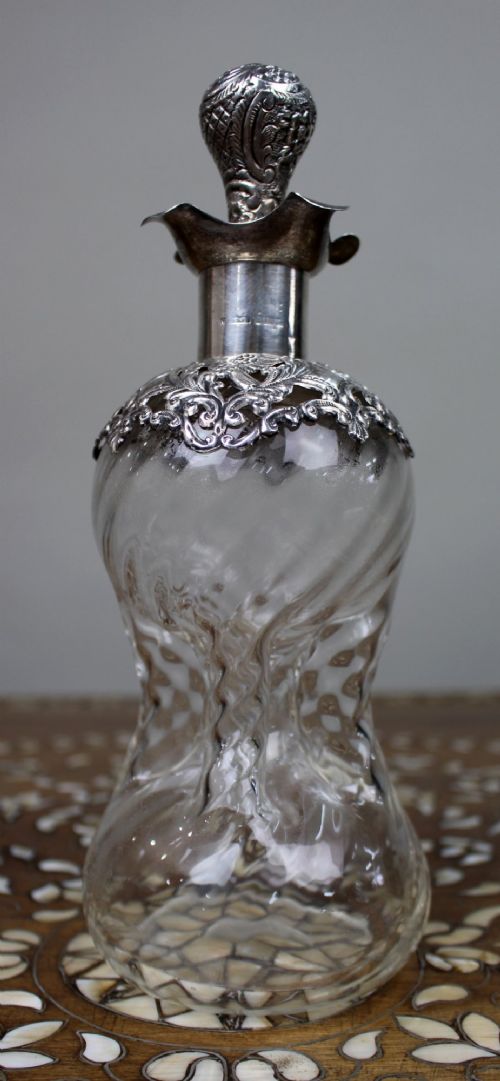
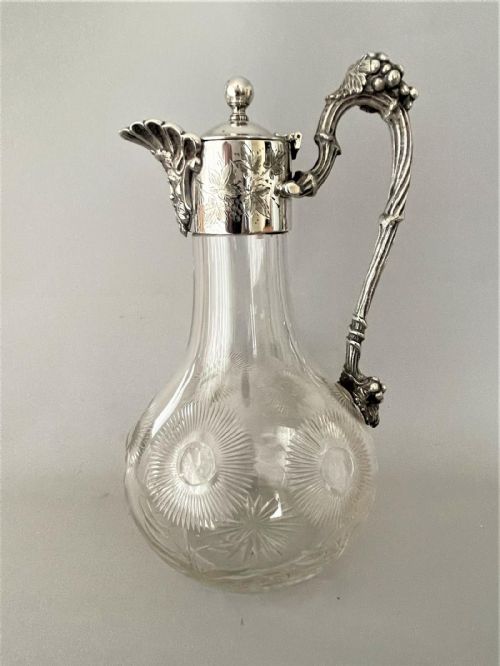
Many vessels incorporate sterling silver or silver plated mounts, often cast into masks or serpent handles and fitted securely around the bottlenecks.
A Bacchus mask spout on a silver mount pours wine while a small deity watches the glass.
Evaluating craftsmanship
Quality rests upon the crispness of the glass cutting and the clarity of the material itself, where deeper facets catch the light without distortion.
Mounts in sterling silver or silver plate show distinction through detailed chasing and solid weight rather than thin plating.
Asprey and Co. Ltd
The Crystal Glass Carafe Glossary
- Cut glass
- Glass decorated by grinding facets and patterns into the surface with rotating wheels. This technique adds considerable weight and sparkle to the vessel.
- Claret jug
- A specialised pouring vessel designed for red wine, frequently fitted with a hinged silver or silver plated lid and handle.
- Lead crystal
- Glass containing metallic oxide that increases refractive index and softness for cutting. It produces a resonant ring when struck gently.
- Ewer
- A large jug with a wide spout and scroll handle, often executed in heavy cut crystal for formal table service.
Crystal Glass Carafe: Frequently Asked Questions
How do I clean an old carafe?
Fill the vessel with warm water and mild detergent, avoiding harsh abrasives that might scratch the vintage glass.
Allow it to air dry completely upside down on a soft mat to prevent water spots inside the neck.
Can I use these for daily dining?
These vessels suit regular table use provided they are handled with care and washed by hand rather than placed in a dishwasher.
The sturdy lead crystal and glass construction holds liquids securely for everyday meals or formal gatherings.
How do I date a silver collar?
Inspect the metal mount near the rim for tiny hallmarks indicating the assay office, standard and date letter.
Matching these symbols against standard registry charts reveals the exact year the silver was tested and stamped.
What is the difference between a decanter and a carafe?
Carafes generally feature open tops for immediate table service of water or young wines.
Decanters more often include fitted stoppers designed to seal spirits or mature wines for longer storage.