


Heavy Crystal Decanter
A heavy crystal decanter brings real weight to the table, offering brilliant light refraction and a satisfying substance in the hand.
Heavy Crystal Decanter
A heavy crystal decanter is a traditional vessel designed for serving spirits and wine while adding sparkle to a dining room. When searching for a heavy crystal decanter, buyers encounter various forms ranging from Georgian and Regency examples to Victorian and Edwardian pieces.
Manufacturing methods and materials
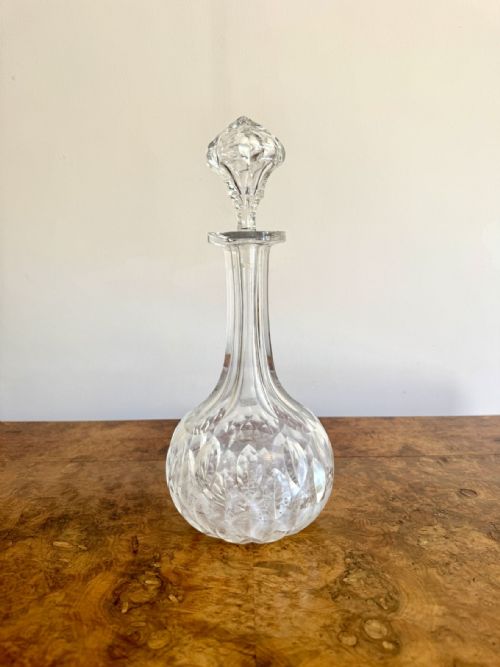
These vessels are fashioned primarily from lead crystal, cut glass, and crystal glass, utilising traditional glassblowing and hand-cutting techniques. The high lead content in the glass permits deeper facets and a superior brilliance when light strikes the surface.
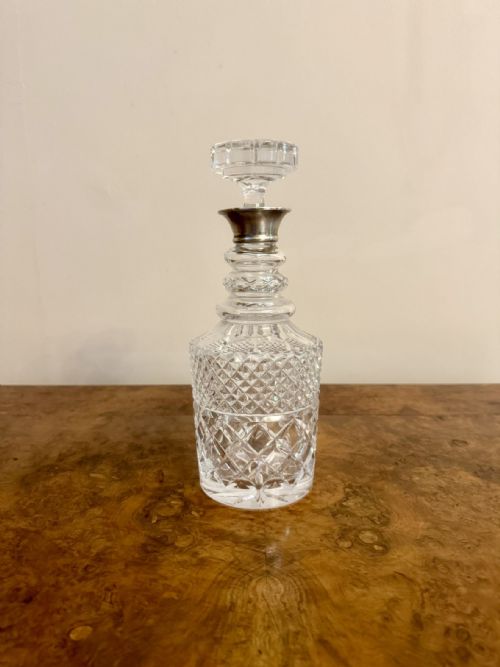
Selected examples incorporate mounted silver or silver gilt collars, providing a contrast between polished metal and faceted glass. The neck rings and stoppers are shaped and fitted by hand, ensuring each component matches the body of the vessel.
Ship's decanters were built wide at the base so maritime diners could enjoy their port without watching it roll across the floor.
Assessing quality and craftsmanship
Quality in these vessels rests upon the crispness of the glass cutting and the overall heft of the material. Finer examples display sharp, cleanly defined facets that catch the light evenly without blurring.
The proportion of the stopper to the body and the clarity of the crystal further distinguish superior pieces. Well-balanced forms and heavy walls indicate careful selection of materials by the maker.
Freeman & Son Ltd
The Heavy Crystal Decanter Glossary
- Lead crystal
- Glass containing a significant proportion of lead oxide, which increases the weight, clarity, and refractive index. This material allows for deeper and sharper cutting than standard glass.
- Ship's decanter
- A form with a broad base and tapered neck designed to prevent tipping aboard a vessel at sea. The wide footprint provides stability on dining tables as well.
- Silver gilt
- Silver that has been coated with a thin layer of gold. This finish appears on mounts and collars of selected pieces.
- Neck rings
- Horizontal bands encircling the neck of a decanter, often applied or cut directly into the glass. They provide a secure grip when pouring.
- Water jug
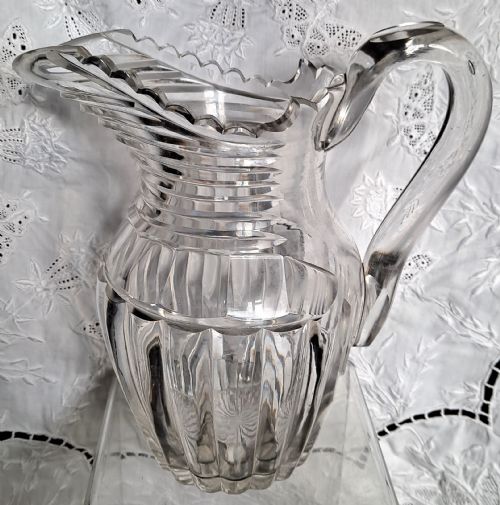
- A pouring vessel related in form and material to the decanter, used for serving water at the table. These share the same cut glass decoration seen on spirit containers.
Heavy Crystal Decanter: Frequently Asked Questions
How do I clean a cloudy decanter?
Residue builds up inside old glass vessels over time due to mineral deposits from liquids. Gentle washing with warm water and specialised cleaning beads helps restore clarity without scratching the interior surface.
Avoid extreme temperature changes during washing to prevent thermal shock to thick crystal. Allow the vessel to dry thoroughly upside down before replacing the stopper.
Are these decanters safe for daily use?
Most antique crystal vessels can hold spirits and wine for serving during meals. Modern safety guidelines suggest avoiding long-term storage of acidic liquids in lead crystal over many weeks.
Routine serving and entertaining pose no risk when the vessel is handled with care. Hand washing preserves the polished finish and silver mounts.
How can I identify a Regency period piece?
Regency decanters often feature specific stylistic traits such as heavy kick-up bases, triple neck rings, and distinct prismatic cutting. The glass tends to have a heavy feel and a slightly darker hue than later Edwardian output.
Proportions during this era favored geometric severity and robust walls. Comparing the cutting patterns with known examples helps confirm the timeframe.
What is the purpose of ship's decanters?
The wide, conical base prevents the vessel from sliding or tipping over on an unsteady surface. This practical shape proved essential during nineteenth-century dining at sea.
Landlocked households adopted the style for its stable footprint and elegant silhouette. They remain popular choices for modern dining rooms.