

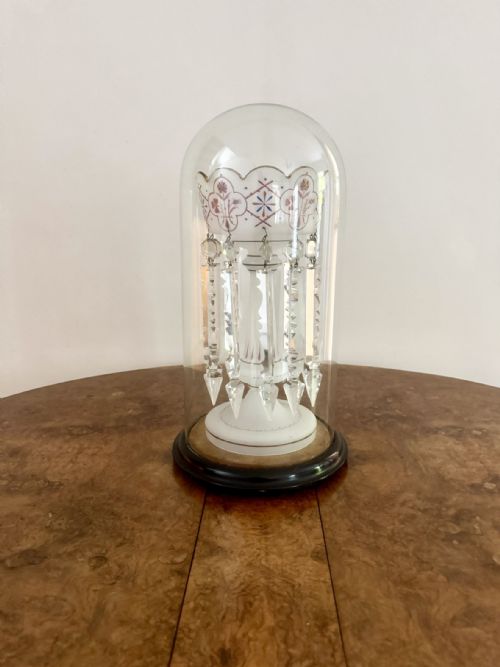


Crystal Drop Glass Lustres
Crystal drop glass lustres catch the hearthside firelight and throw it across the room.
Crystal Drop Glass Lustres
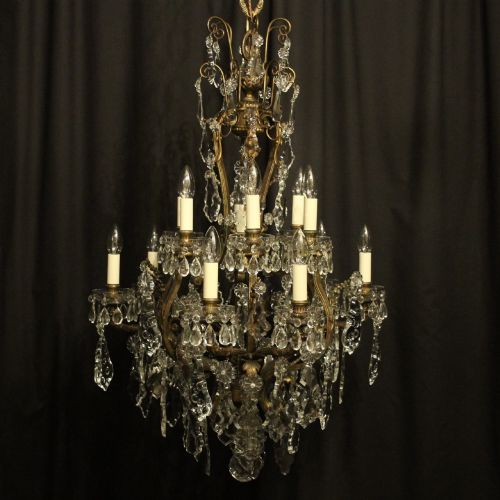
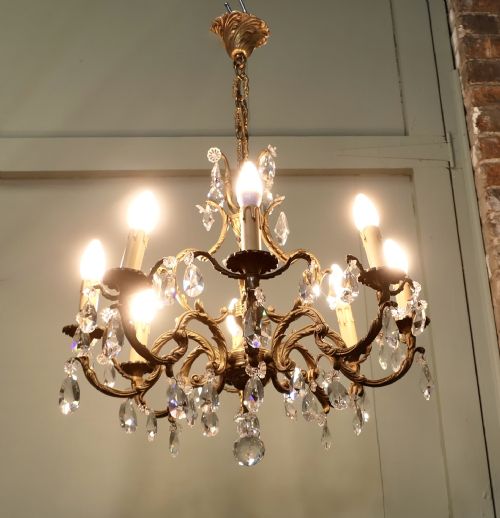
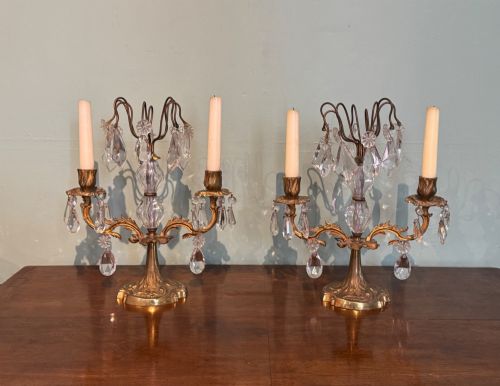
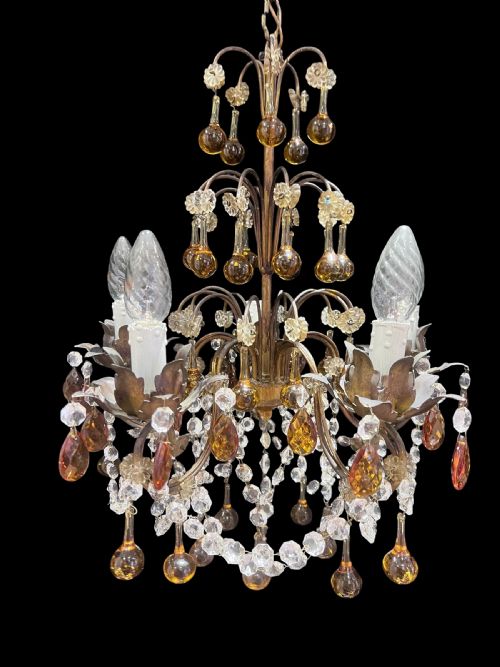
Crystal drop glass lustres are decorative mantel ornaments and table centerpieces designed to refract light through hanging glass prisms. When buyers search for crystal drop glass lustres, they encounter Victorian pairs and larger French fixtures intended for formal rooms. These objects combine candle holders with cascading pendants suspended from central bowls or stems.
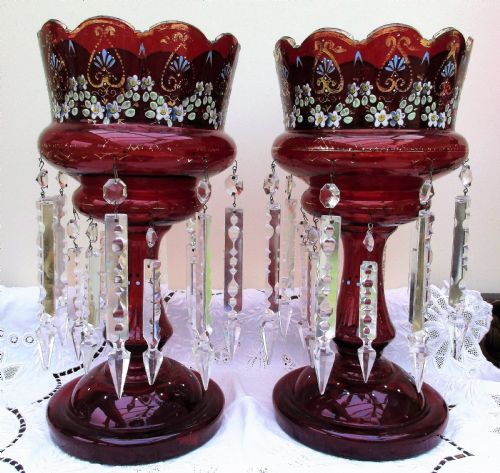
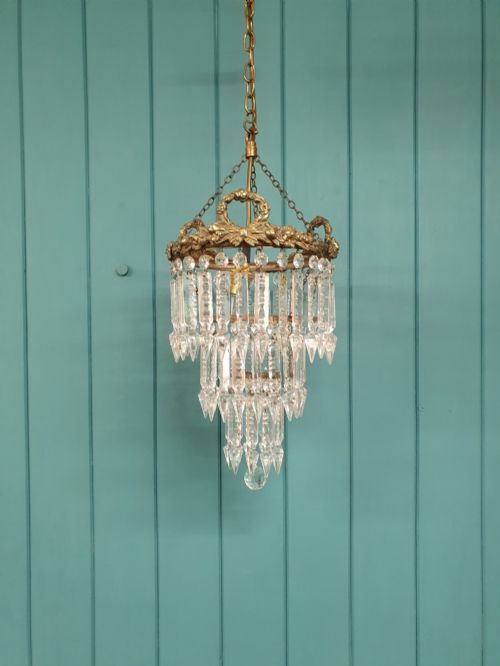
The most common versions on this page are Victorian ruby glass and cranberry glass mantle lustres, alongside Regency cut-glass pairs and early twentieth-century chandeliers. They span the nineteenth century and the Edwardian era, often appearing as matched pairs for display on chimney pieces. Their primary role was catching the dim light of gas lamps or candles to brighten nineteenth-century parlours.
How they were made
Makers shaped these pieces using coloured or clear glass, employing flash glass techniques where a thin layer of ruby or cranberry glass coats a clear core. Artisans then cut facets into the body by hand to create sharp geometric patterns that catch the eye. Brass, gilt-metal, and ormolu mounts secure the glass elements to sturdy bases.
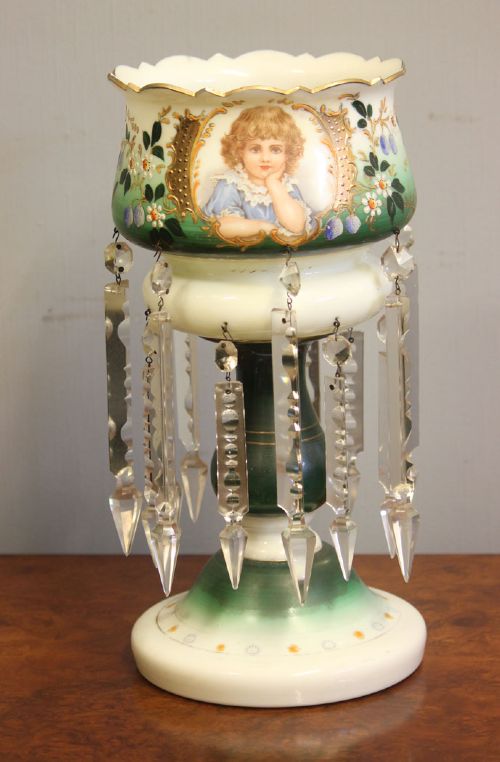
Pendants and prisms were separately blown or moulded from crystal and glass, then hand-cut and polished before being suspended from the main body using wire ties or metal pins. Enamel and gilt detailing often decorate the rims of the glass vessels, applied by hand prior to final firing.
Victorian households loved ruby glass lustres so much they set them to tinkle softly in the draught from coal fires.
What varies in quality
Quality rests in the crispness of the glass cutting and the weight of the metal mounts. Superior pieces display deep, sharp facets on both the body and the hanging drops, while lesser examples show softer moulded edges and cloudy glass. The depth of colour in ruby and cranberry glass also dictates worth, with richer hues demanding higher regard.
The completeness of the hanging crystal drops distinguishes fine survivals from assembled pairs. Original drops match in size, shape, and cut, whereas replacements often show slight variances in tone or design. Heavier brass and gilt-bronze bases provide better stability and finer chased detail than lighter, simpler metalwork.
The Crystal Drop Glass Lustres Glossary
- Lustre
- A decorative tabletop or mantel vessel fitted with hanging glass prisms. They serve to reflect and refract ambient light.
- Flash glass
- Glass formed of two or more distinct layers of different colours, usually a coloured layer over clear glass. Artisans cut through the outer layer to expose the contrasting colour beneath.
- Cranberry glass
- A transparent pinkish-red glass produced by adding gold chloride to the molten batch. It became exceptionally popular during the Victorian period for mantel ornaments.
- Ormolu
- Gilded bronze furniture and object mounts finished with a mercury amalgam technique. The process leaves a rich, deep golden lustre that does not tarnish easily.
- Prism
- A cut glass pendant suspended from the rim of a lustre or chandelier. These elements split light into spectral colours.
Crystal Drop Glass Lustres: Frequently Asked Questions
Where were crystal drop glass lustres placed?
Owners traditionally positioned these decorative objects on mantelpieces above fireplaces, flanking clocks or urns. They also graced side tables and dining room buffets where candles added evening illumination.
The placement allowed the hanging glass drops to catch and multiply the flickering light from candles or oil lamps. In grander settings, similar lustre elements formed part of large chandeliers suspended from high ceilings.
How do I clean my glass lustres?
Maintenance requires gentle washing in warm soapy water using a soft cloth, removing dust from both the main body and the hanging drops. Harsh chemicals must be avoided to protect the original gilt and enamel decoration.
Individual crystal drops are often unhooked and cleaned separately to ensure thorough drying without straining the wire ties. Metal mounts need dry dusting rather than immersion to prevent corrosion.
Are these lustres safe to use with candles?
Most antique lustres function primarily as decorative ornaments rather than everyday candle holders, though original examples were built for burning wax. Heat from modern candles can sometimes stress fragile antique glass.
Using low-heat beeswax candles or simply enjoying the pieces unlit preserves the fragile glass and delicate enamel work. Care must be taken to prevent hot wax from dripping onto gilded bronze mounts.
How do I identify Victorian glass lustres?
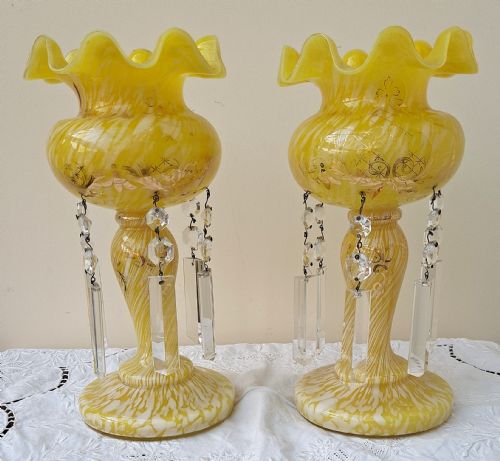
Victorian examples frequently feature rich ruby, cranberry, or uranium glass bodies decorated with hand-painted enamel flowers or gilt scrollwork. The bases are typically heavier and cast in brass or gilt metal.
Proportions tend to be generous, with deep cutting on the crystal drops and substantial collars supporting the central stem. Earlier Regency pieces show crisper geometric cutting, while Edwardian versions often incorporate lighter frames.