





Crystal Cordial Glasses
These crystal cordial glasses bring centuries of British and European craftsmanship to the table, offering collectors exquisite vessels for after-dinner spirits and fortified wines.
Crystal Cordial Glasses
When you search for crystal cordial glasses, you encounter a specialised form of drinking glass designed primarily for small portions of potent spirits, liqueurs, and fortified wines. These drinking glasses vary significantly in capacity and height, bridging the gap between larger wine glasses and tiny dram glasses.
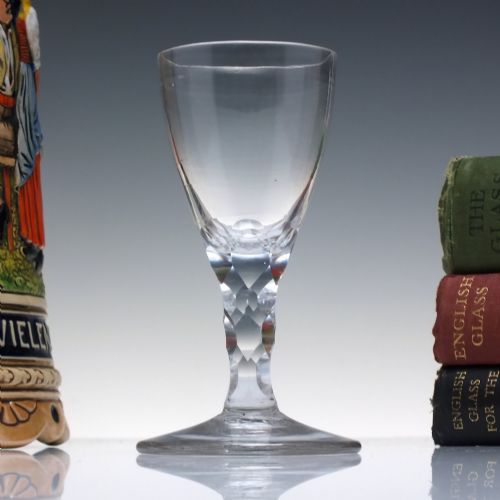
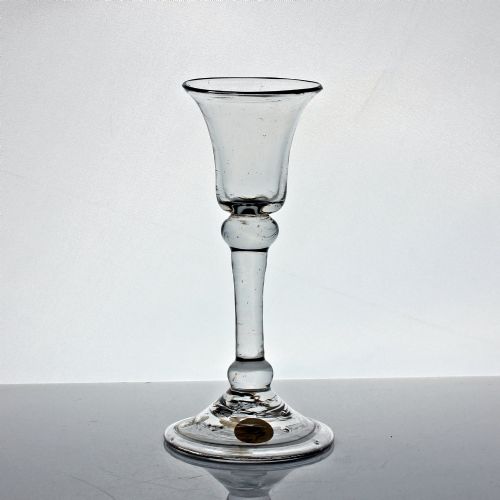
The pieces on this page span the Georgian period, the Regency era, and the Edwardian epoch, alongside early twentieth-century examples. You meet everything from robust eighteenth-century baluster stems to delicate Edwardian sets and Art Nouveau glassware.
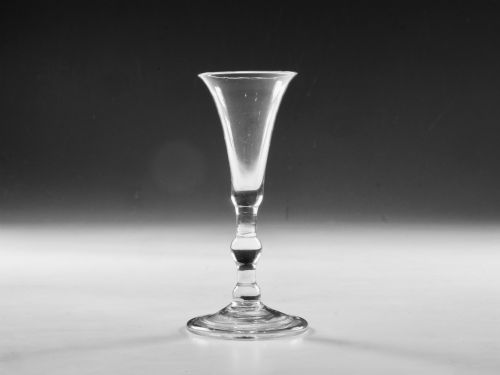
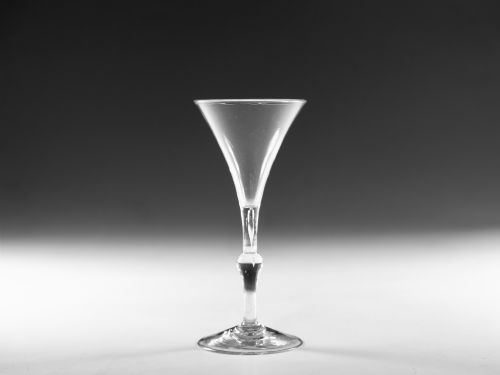
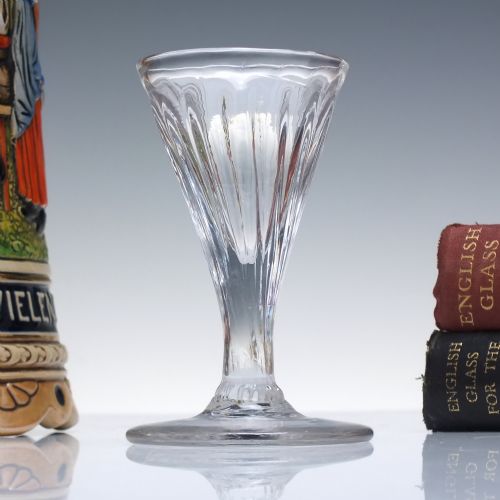
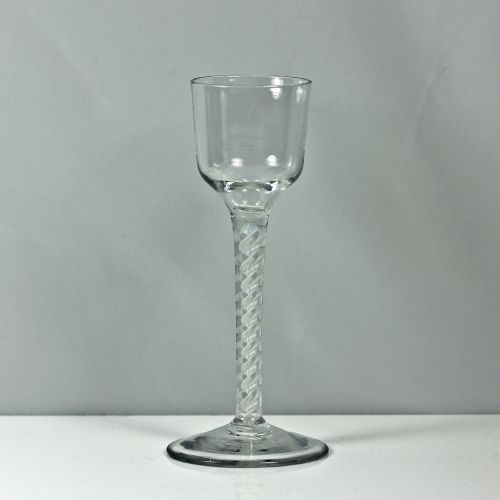
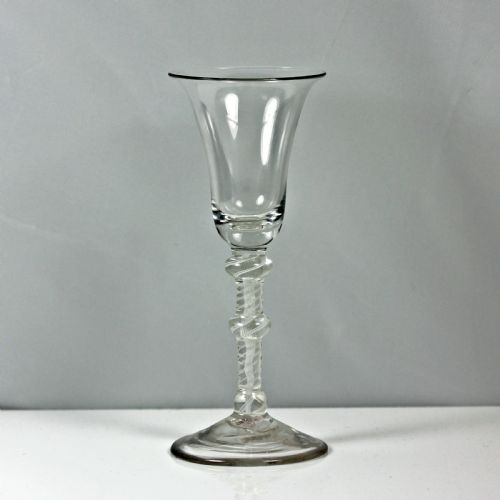
Many items recorded under this search function as wine glasses, dram glasses, or gin glasses, reflecting the fluid terminology of past centuries. The physical forms include ogee bowls, bell bowls, and straight-sided vessels supported by various stem types.
What varies in quality
The clarity and weight of the lead crystal form the foundational baseline for quality across these drinking glasses. Heavier, more brilliant metal with minimal internal bubble inclusions indicates superior raw materials and careful furnace management.
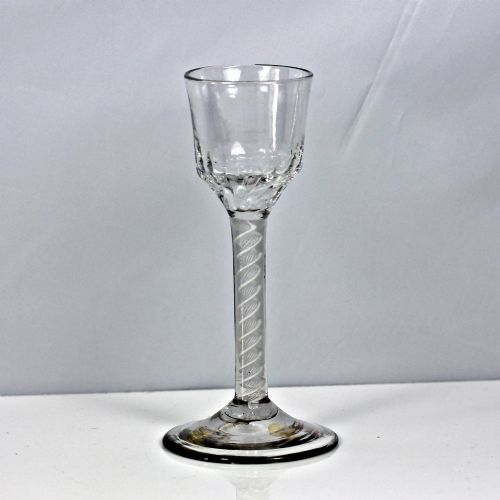
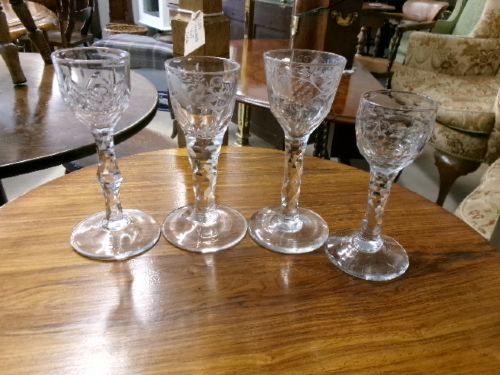
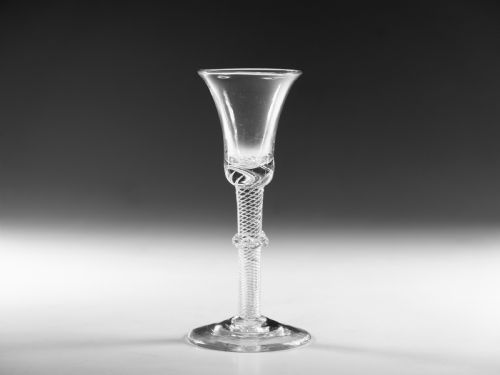
Stem formation demands exceptional dexterity, separating standard production pieces from masterworks. The crispness and regularity of an air twist or opaque twist determine the visual success of the stem, whereas blurred or jagged internal threads signal lesser execution.
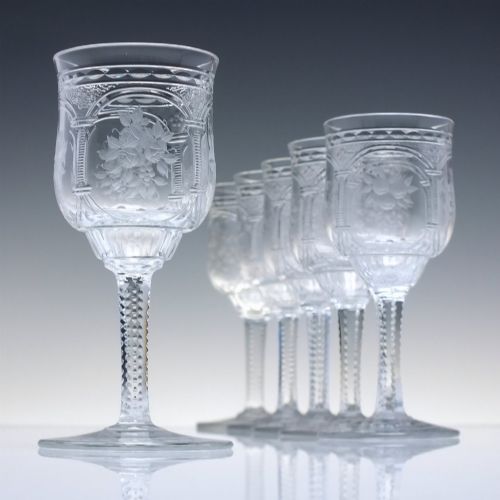
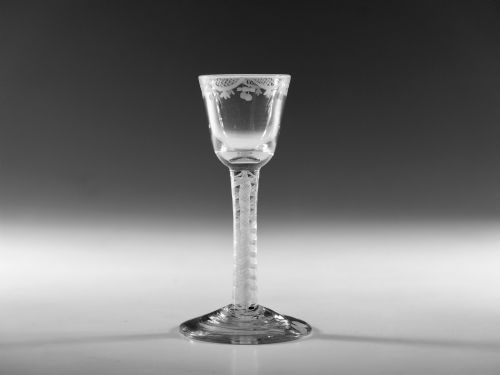
Engraved and cut decoration varies from shallow, hasty scratching to deep, clean wheel-cutting that catches the light cleanly. The symmetry of the bowl, the stability of the wide foot base, and the thinness of the rim edge also dictate the overall refinement of the piece.
Crystal Cordial Glasses Retail Price Guide 2026
Typical asking prices for crystal cordial glasses among the pieces listed under this phrase on Sellingantiques today, from the lower quarter to the upper quarter. They describe what is for sale here now, not the wider market.
Listings feature lead glass and clear glass pieces spanning the eighteenth, nineteenth, and twentieth centuries, including Georgian balusters and Edwardian stemware.
Baccarat Vallee
The Crystal Cordial Glasses Glossary
- Air twist
- A stem decoration formed by drawing out elongated air bubbles within the molten glass rod into a spiral thread. This technique creates delicate silvery strands visible inside the transparent stem.
- Opaque twist
- A stem featuring white or coloured enamel rods twisted through the clear glass core during manufacture. These crisp white threads provide a strong visual contrast against the surrounding metal.
- Baluster
- A heavy, swelling stem style popular in early Georgian drinking vessels, often punctuated by prominent knops. This form borrows its silhouette from architectural columns and balustrades.
- Ogee bowl
- A bell-shaped drinking vessel curving inward at the rim and outward near the base, resembling an elongated 'S' profile. This specific bowl shape helps concentrate the aromas of strong spirits.
- Folded foot
- A base edge turned underneath during manufacture to create a double layer of glass around the perimeter. This traditional method adds physical weight and prevents chipping on rough tavern tables.
- Wrythen
- A decorative spiral moulding pattern applied to the body of a bowl or jug while the glass remains hot. The resulting optical distortion catches the light as the vessel turns.
Crystal Cordial Glasses: Frequently Asked Questions
What are crystal cordial glasses?
These drinking vessels are small stemware pieces traditionally used for serving concentrated liqueurs, cordials, and strong spirits after a meal. Their compact bowls are designed to hold modest measures suited to high-alcohol beverages.
Historical examples encompass various forms from the eighteenth and nineteenth centuries, including dram glasses, gin glasses, and fortified wine vessels.
How do you date an old cordial glass?
Dating relies on observing the manufacturing characteristics, such as the presence of a pontil mark on the underside of the foot, the composition of the metal, and the stem style. Eighteenth-century pieces frequently display baluster, air twist, or opaque twist stems.
Later Edwardian and twentieth-century items often exhibit uniform machine-moulded consistency, brighter clear crystal, and more stylised decorative motifs typical of their respective decades.
What is an air twist stem?
An air twist is a decorative stem type created by stretching imprisoned air bubbles inside the molten glass into a continuous spiral thread. Craftsmen achieved this effect by manipulating the hot metal rod before shaping the final stem.
This technique produces a shimmering internal pattern that catches the light without relying on surface cutting or enamel work.
How were Georgian cordial glasses used?
Georgian drinkers used these small glasses for toastmaster duties, medicinal drams, gin, and sweet dessert wines. The small capacity matched the potency of the beverages served during eighteenth-century dining and social gatherings.
Because spirits and cordials were expensive commodities, the diminutive size of the bowl ensured appropriate rationing during formal entertaining.