


Crossbanded Tea Table
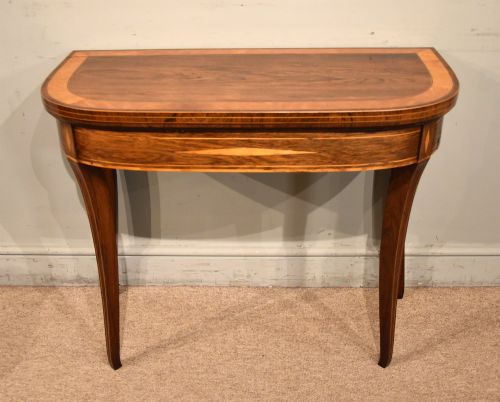
A crossbanded tea table uses contrasting borders of timber to frame its folding top, offering a refined surface for entertaining.
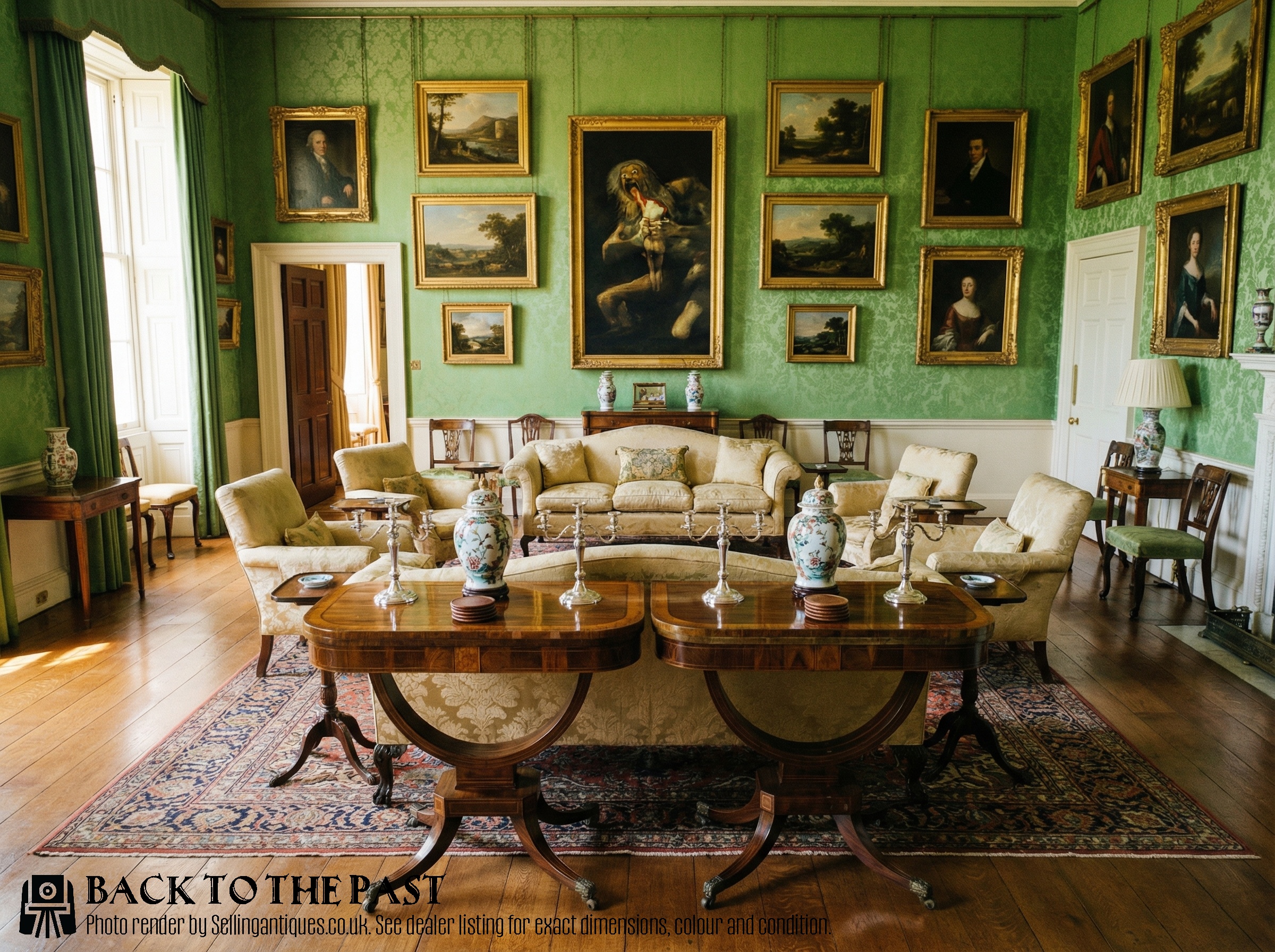
Crossbanded Tea Table
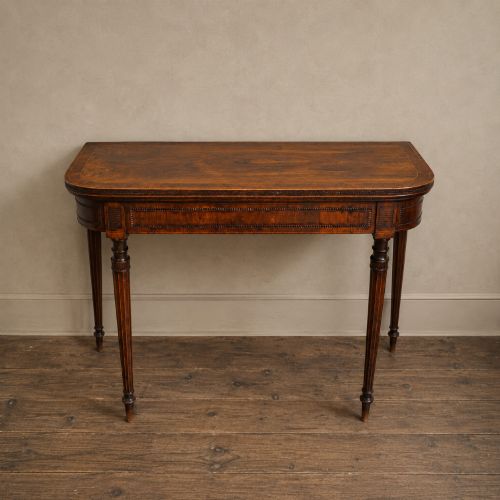
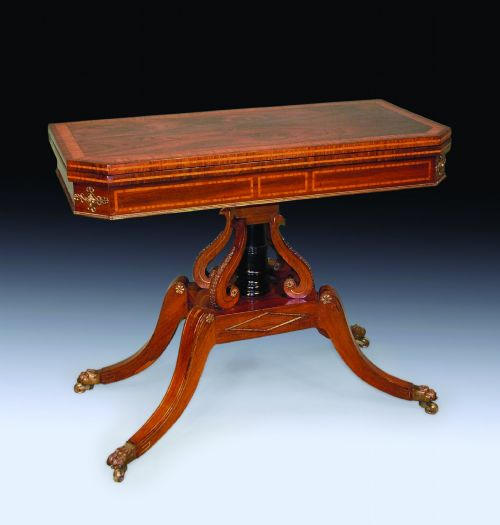
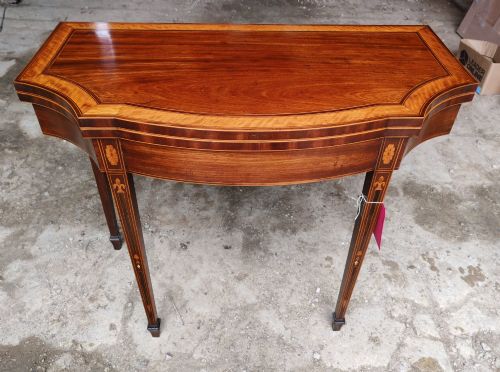
The versions most commonly met on this page span the late eighteenth and nineteenth centuries, constructed predominantly in mahogany or rosewood. Cabinetmakers integrated satinwood, boxwood, and burr yew to create the characteristic border detailing that defines the style.
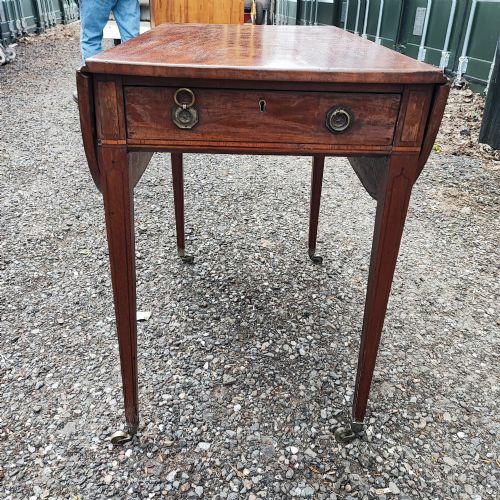
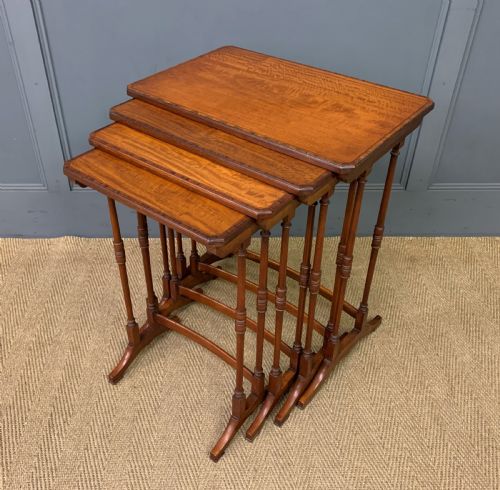
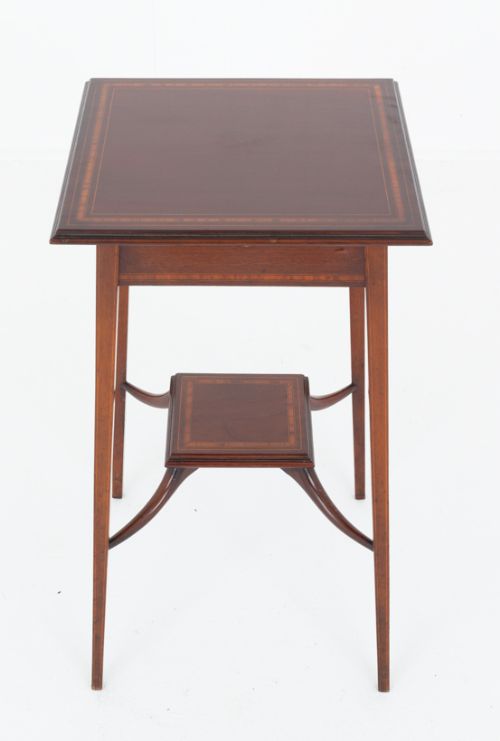
Makers adapted the form across decades, producing occasional tables, card tables, and console tables that retain the distinctive perimeter banding. These pieces combine domestic utility with precise cabinetwork, serving equally as side furniture and functional folding tables.
Materials and construction
Cabinetmakers constructed these tables using a solid timber frame faced with fine veneers of mahogany, rosewood, or walnut. The signature crossbanding involves laying veneer strips so the grain runs perpendicular to the main surface, creating a contrasting border.
Inlayers added further definition using boxwood and ebony stringing, alongside satinwood and burr yew panels. These decorative elements required precise hand-cutting and hot-gluing techniques to ensure the timber remained stable across seasonal temperature shifts.
Some nineteenth century card tables hide secrets beneath their folding tops, doubling quietly as impromptu dining surfaces when unexpected guests arrived.
Judging quality and execution
Quality rests upon the crispness of the timber selection and the precision of the inlay work. Finer examples display meticulously matched veneers and tight, seamless joints where the crossbanded border meets the central field.
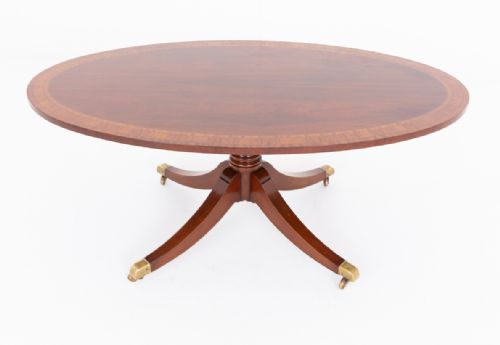
The sophistication of the secondary woods and the sculptural execution of the pedestal or leg supports further separate standard output from master craftsmanship. Heavier figuring in the walnut, rosewood, or birdseye maple indicates a higher grade of raw material chosen by the workshop.
William Trotter of Edinburgh
The Crossbanded Tea Table Glossary
- Crossbanding
- A border of veneer laid with the grain running perpendicular to the main panel. This technique frames the top surface of the table with a contrasting wood grain.
- Stringing
- Thin inlaid lines of contrasting timber or light-coloured wood used to outline geometric panels. It creates a sharp linear contrast against dark veneers like mahogany or rosewood.
- Fold-over top
- A hinged table top that doubles the surface area when opened. It forms the primary mechanism for tea and card tables.
- Figured wood
- Timber possessing a natural, decorative grain pattern such as burr, curl, or mottle. Cabinetmakers selected these boards for prominent display on table tops.
Crossbanded Tea Table: Frequently Asked Questions
What is a crossbanded tea table?
A crossbanded tea table is a domestic folding table distinguished by a contrasting border of veneer running around the perimeter of the top. These pieces were designed to stand against a wall until needed for tea or games.
Cabinetmakers utilised timbers such as mahogany, rosewood, and satinwood to construct these functional items, applying decorative inlay to elevate their status in the home.
How do I date a tea table?
Dating relies upon observing the leg style, timber choice, and structural framing methods used in the piece. Georgian examples frequently feature straight or tapering legs, while Regency pieces introduce heavier pedestal bases and exotic veneers.
Secondary woods and construction marks further assist in placing the item within its specific nineteenth or eighteenth century period.
Were these tables used for tea or cards?
Many tables served multiple domestic functions, functioning as serving surfaces for tea or folding open to accommodate card games. The hinged top concealed a baize-lined interior on many gaming variants.
This adaptability made them essential furniture for entertaining guests in a formal parlour or drawing room.
How do I care for antique veneer?
Maintaining antique veneer requires keeping the timber away from direct heat sources and rapid humidity changes. Regular gentle dusting preserves the surface without harming the historic polish.
Avoid applying modern silicone polishes, as these can penetrate old finishes and degrade the underlying animal glues used in the crossbanding.