
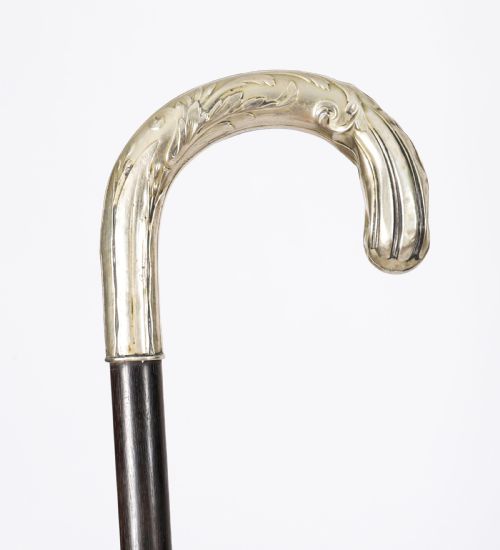


Crook Handle Walking Stick
These crook handle walking sticks offer both a steady support and a discreet blade, making them a practical acquisition for the discerning collector.
What a Crook Handle Walking Stick Is
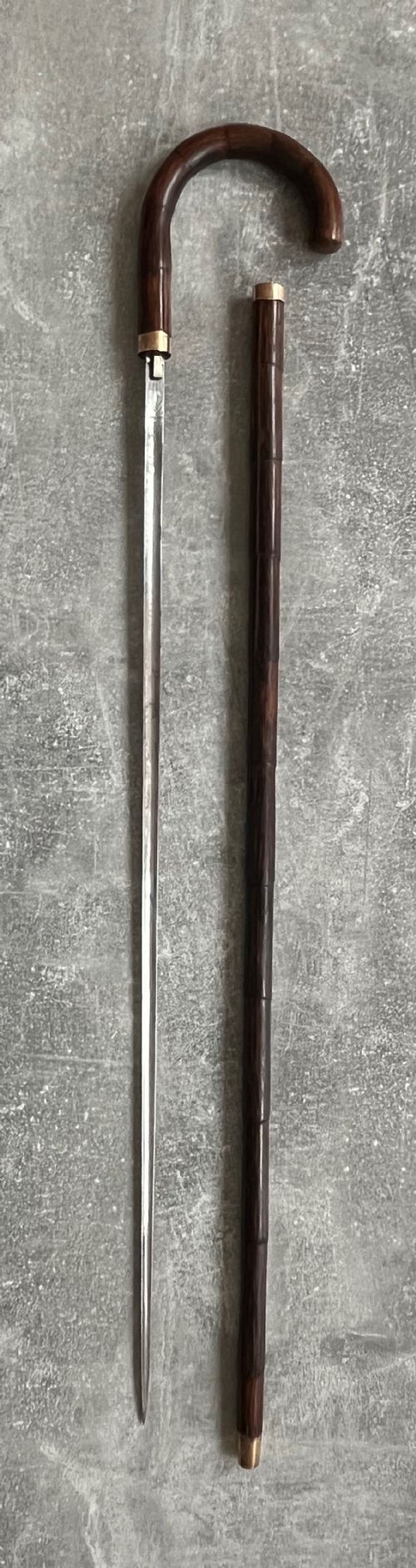
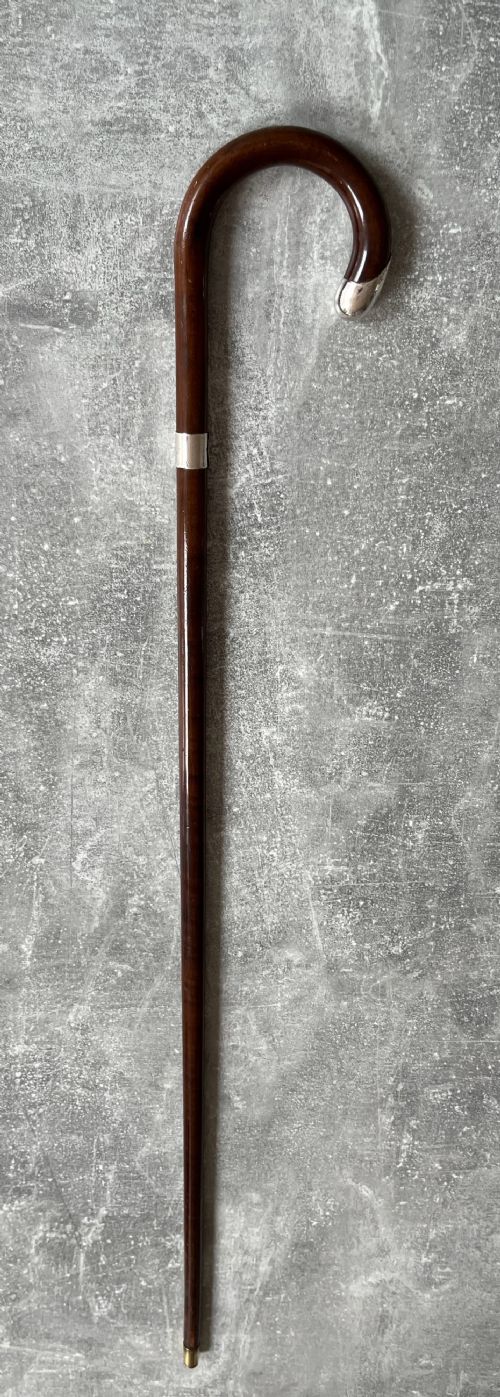
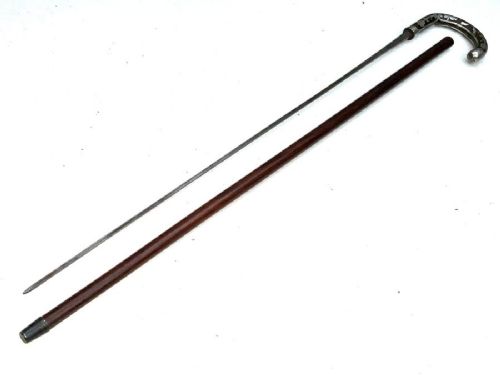
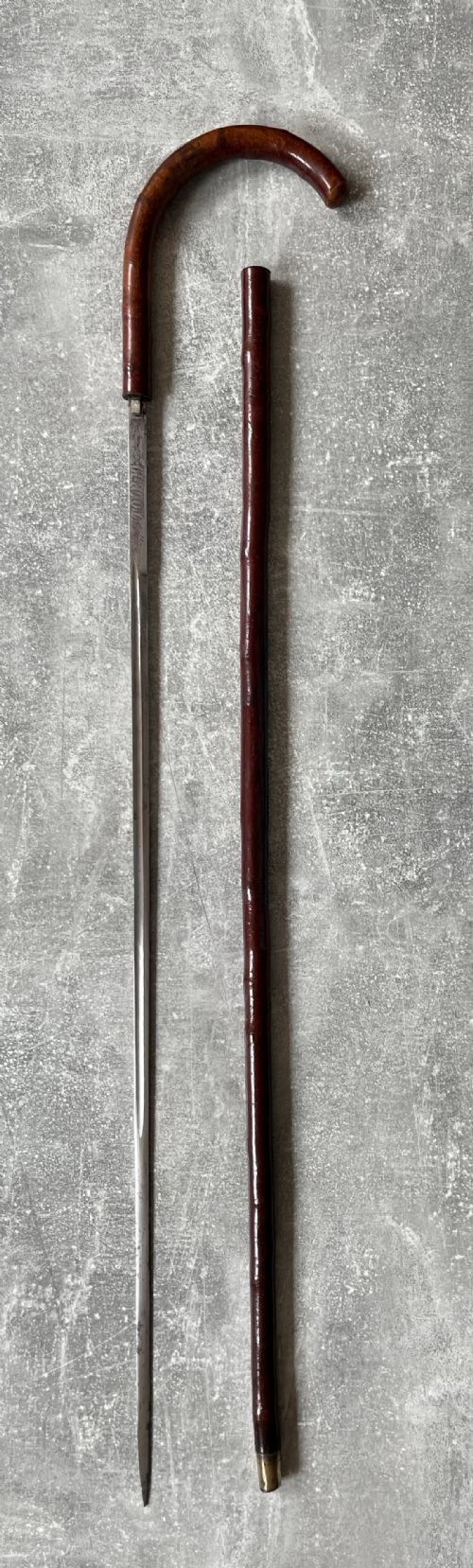
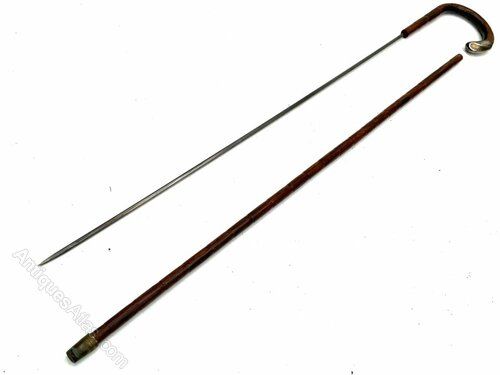
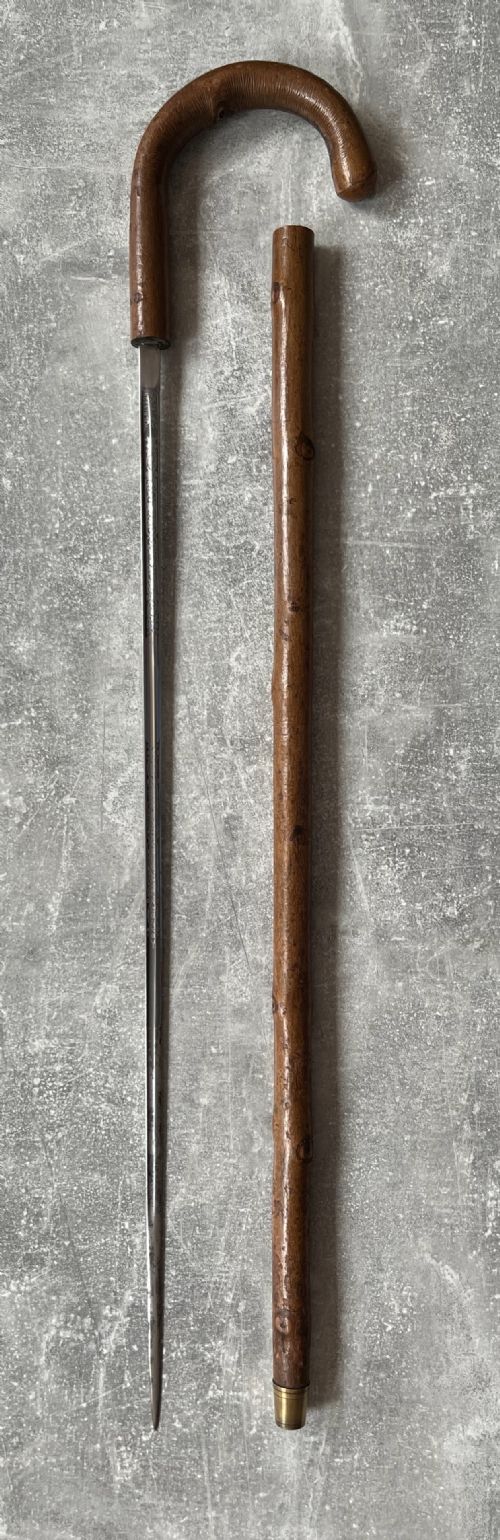
A crook handle walking stick is a traditional support aid and concealed weapon, appearing in forms such as sword sticks and standard walking canes. Collectors frequently encounter Edwardian and nineteen-hundreds examples featuring distinctive curved grips and metal mounts.
Materials and Construction
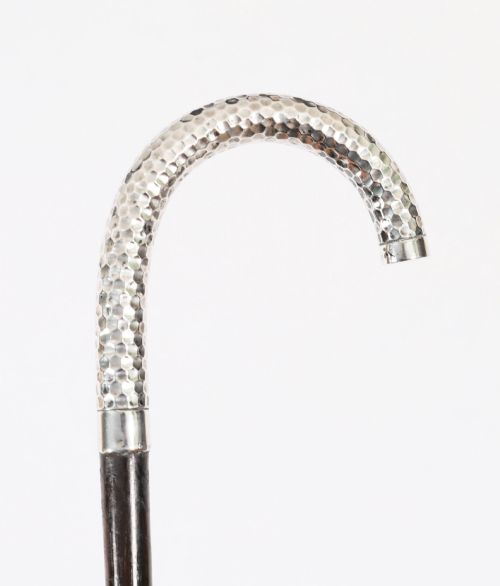
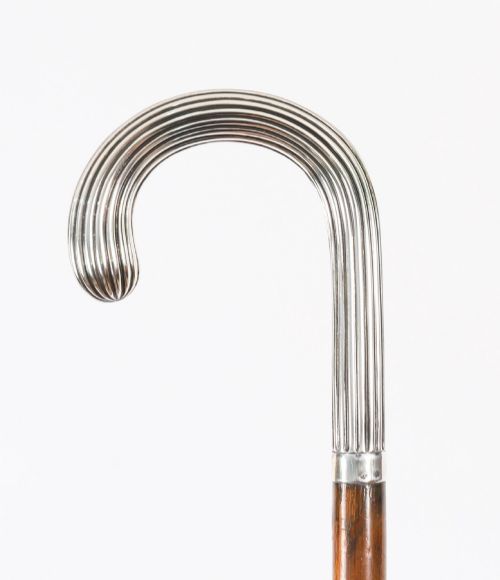
Maker construction relies on natural timbers including hazel, partridge wood, ebony wood, malacca bamboo and general hardwoods. Handles are formed from horn, embossed silver and brass, often secured with metal mounts.
Blades fashioned from steel, including signed Wilkinson examples, are housed securely within the wooden shafts of sword sticks. Metalwork components utilise silver and brass for decorative handles and collars.
Retail Price Guide 2026
Typical UK retail prices for crook handle walking stick, calculated from the Sellingantiques database of over a million retail prices indexed since 2003. This retail price guide relies exclusively on Sellingantiques data; no external sources or auction records are used, so the figures do not describe the wider market.
The site's listings feature crook handle walking sticks from the Edwardian period and nineteen hundred, utilising hazel, partridge wood, malacca, ebony and silver mounts.
Assessing Quality
Quality rests upon the choice of timber and the execution of the metal mounts, distinguishing standard utility items from finer gentleman's accessories. Finely embossed silver handles and scarce horn crooks elevate the status of a piece.
The integration of the blade within sword sticks demonstrates the precision of the maker, where a signed blade by a notable maker denotes superior production standards.
The Crook Handle Walking Stick Glossary
- Crook handle
- A curved handgrip designed to hook over the arm or hand when not in use. This shape forms the defining characteristic of these walking sticks.
- Sword stick
- A walking stick with a concealed blade hidden inside the wooden shaft. These dual-purpose items served as both a walking aid and personal protection.
- Mount
- A decorative metal collar or fitting attached to the stick, usually made of silver or brass. Mounts reinforce the timber and ornament the handle.
- Wilkinson blade
- A steel blade produced by the renowned sword maker Wilkinson. Such blades provide a benchmark of quality for Edwardian sword sticks.
- Malacca
- A sturdy rattan cane imported from Southeast Asia, prized for its mottled brown surface and strength. It frequently forms the shaft of high-grade walking sticks.
Frequently Asked Questions
What is a crook handle walking stick?
A crook handle walking stick is a traditional walking aid featuring a curved handgrip at the top. These items often incorporate silver mounts and occasionally conceal a steel blade within the shaft.
They served as functional gentleman's accessories during the Edwardian period and the year nineteen hundred. Today, collectors value them for their craftsmanship and dual-purpose utility.
How do I identify a sword stick?
A sword stick looks like an ordinary cane from the exterior, but the shaft unscrews or pulls apart to reveal a hidden steel blade. Many examples feature silver mounts that conceal the join where the handle meets the shaft.
Makers such as Wilkinson supplied blades for these pieces. Examining the collar reveals whether the stick houses a blade or serves purely as a walking aid.
What materials were used for these sticks?
The shafts are constructed from various timbers, including hazel, partridge wood, ebony and malacca bamboo. Handles are fashioned from horn, brass and embossed silver.
Metal components like silver mounts and steel blades provide structural reinforcement and decorative detail. The combination of dense hardwoods and precious metals ensures durability.
How should I display a walking stick?
Walking sticks are best displayed upright in a traditional umbrella stand or wall-mounted rack. This keeps the crook handles visible and prevents the wooden shafts from warping.
Keep them away from direct sunlight and excessive heat to protect the timber and silver mounts. Regular gentle dusting preserves the finish of the wood and metal.
How do I date an Edwardian walking stick?
Dating relies on stylistic clues, hallmarks on the silver mounts, and recorded materials from the Edwardian era and nineteen-hundreds. Silver mounts frequently carry assay office marks that pinpoint the exact year of manufacture.
Comparing the timber types and blade signatures against known archival pieces helps confirm the period. Edwardian pieces often display refined embossing and slender proportions.