

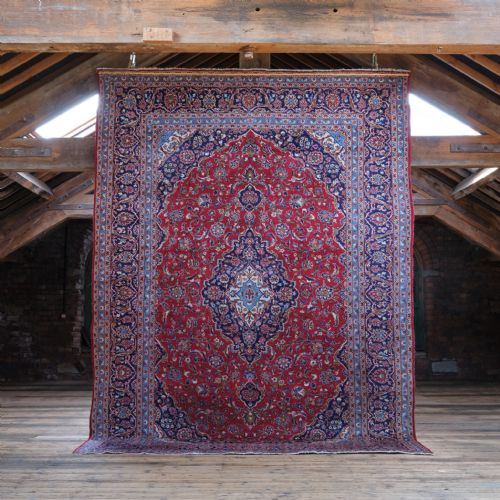
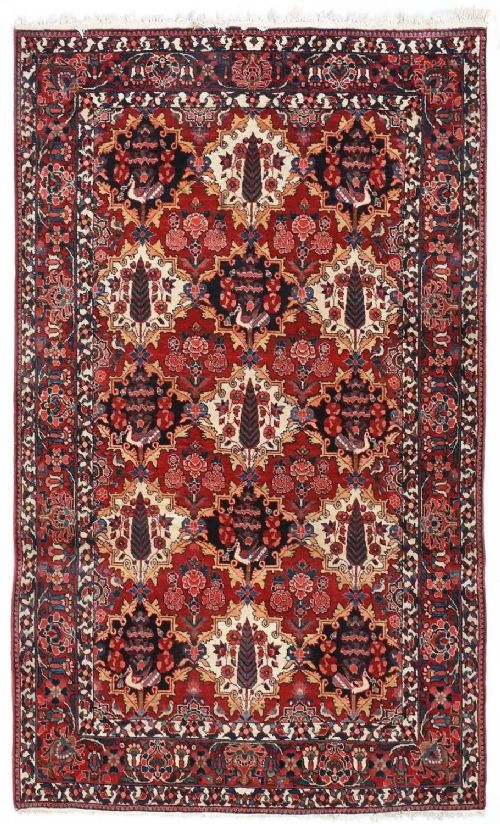
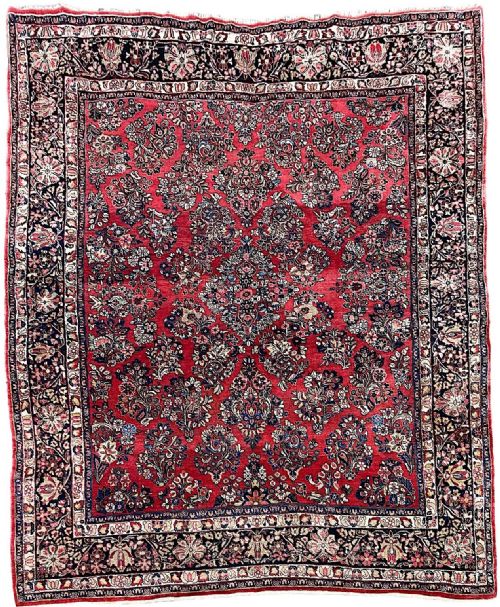
Crimson Wool Area Carpet
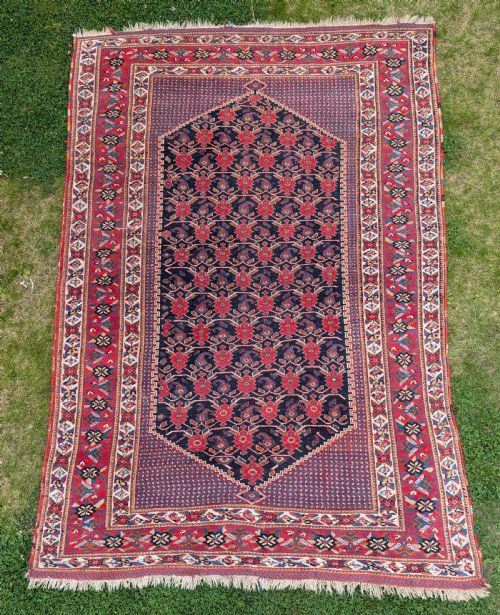
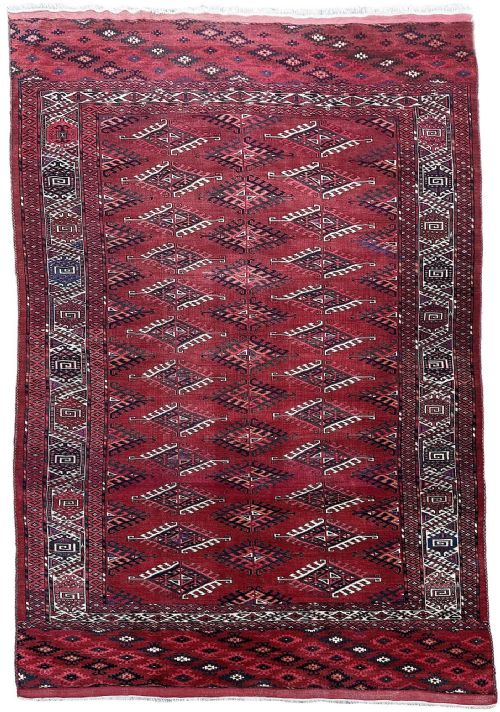
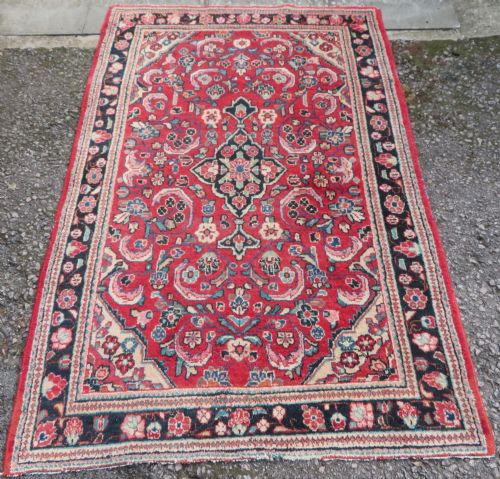
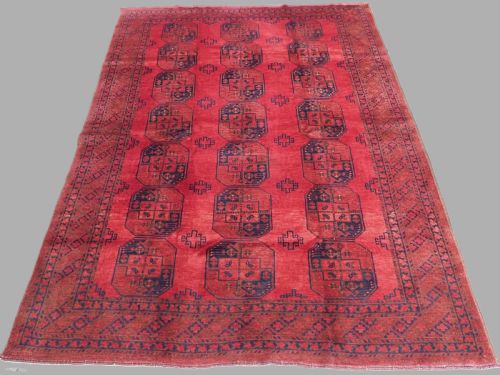
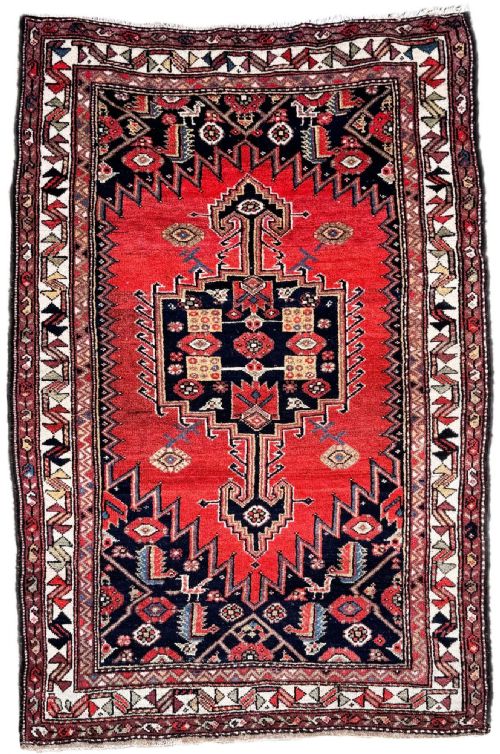
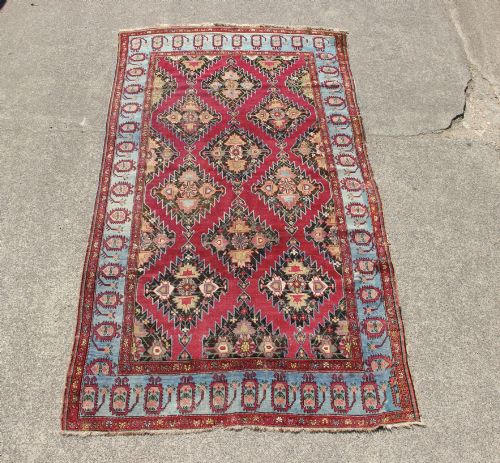
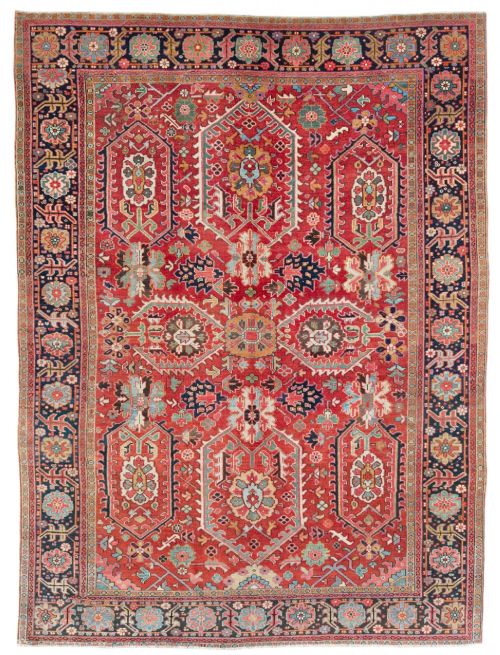
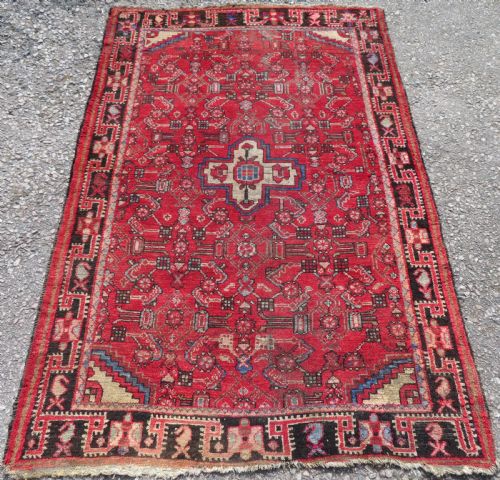
These crimson wool area carpet examples bring rich hues and traditional weaving into a room.

Crimson Wool Area Carpet
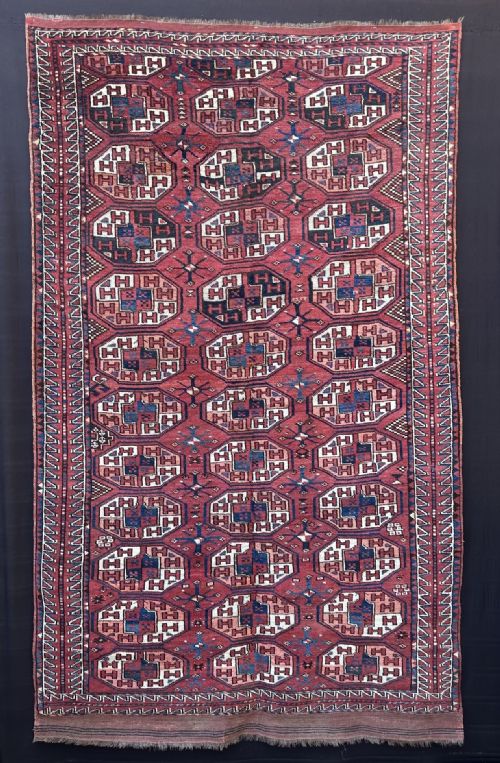
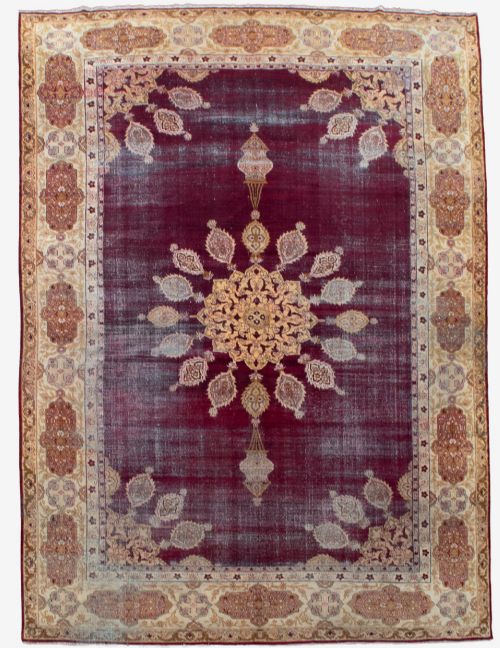
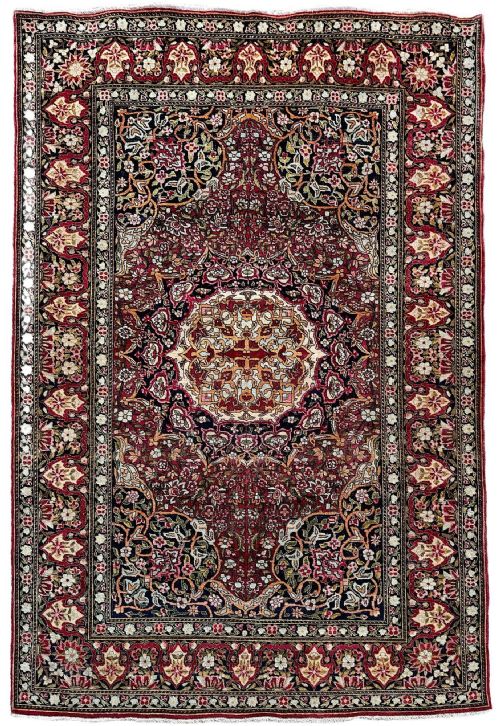
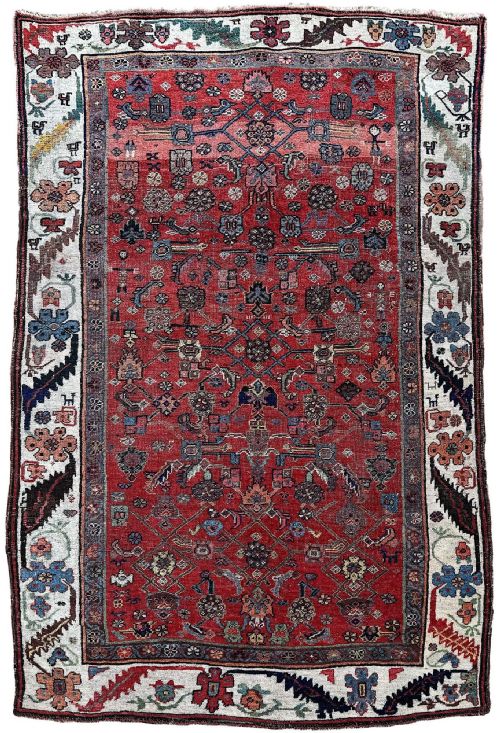
A crimson wool area carpet search brings up floor coverings hailing from various nineteenth and early twentieth century periods, spanning from the 1870s through to the 1930s. The selection includes village rugs, prayer rugs, and large room size carpets representing Persian, Turkmen, and Caucasian styles.
Most items on this page lean towards traditional Persian designs such as Kashan, Kirman, and Heriz, alongside tribal works from Baluch, Turkmen, and Afghan makers. These pieces range from compact scatter sizes up to expansive palace and country house proportions.
Materials and Techniques
These textiles rely primarily on wool and cotton foundations, utilising hand-spun wool for the pile to achieve durability and texture. Natural dyes provide the enduring red and crimson tones seen across the inventory.
Weavers constructed these carpets using manual knotting techniques on vertical or horizontal looms, resulting in dense piles suited to everyday domestic use. Cotton often forms the warp and weft threads, providing structural stability for the heavier room size carpets.
Evaluating Quality
Knot density and the precision of the design execution set superior examples apart from standard village work. Finer carpets display crisp floral or geometric motifs with balanced colour saturation across the entire field.
The choice of materials also dictates the grade of the textile, with hand-spun wool and complex natural dye palettes delivering greater depth and resilience than simpler commercial equivalents.
The Crimson Wool Area Carpet Glossary
- Wool
- A natural textile fibre obtained from sheep, forming the primary pile material for these carpets. It provides warmth, elasticity, and hardwearing qualities.
- Prayer rug
- A smaller format carpet featuring a mihrab or niche design, historically used for individual devotion. These pieces often display specific architectural motifs in the field.
- Warp
- The vertical threads stretched lengthwise on the loom before weaving begins. The fringe of a finished carpet is typically a continuation of these structural threads.
- Weft
- The horizontal threads passed across the warp to hold the knots in place. They contribute to the firmness and drape of the textile.
- Natural dye
- Colourants derived from plants, insects, or minerals rather than synthetic chemical sources. They yield rich, complex tones that age gracefully.
Crimson Wool Area Carpet: Frequently Asked Questions
How do I clean an antique wool carpet?
Professional specialist cleaning is essential for antique wool textiles to protect natural dye stability and fragile fibres. Routine care involves gentle vacuuming without the beater bar.
Water saturation and household detergents can cause dyes to bleed or weaken the wool pile. Regular shaking outdoors removes embedded dust safely.
Can I place these carpets in high traffic areas?
Many of these dense wool carpets withstand normal household footfall due to robust traditional construction methods. Placing a quality underlay beneath the textile prevents slipping and reduces fibre wear.
Finer or older tribal pieces benefit from placement in quieter rooms to preserve their historical pile. Regular rotation ensures even exposure to light and wear.
What is the difference between a village rug and a city rug?
Village rugs display geometric motifs and spontaneous designs woven on home looms by individual makers. City carpets usually feature refined floral compositions planned on paper cartoons in established workshops.
City pieces often exhibit higher knot densities and precise symmetry. Village rugs offer charming irregularities and distinct tribal character.
How do I determine the age of a carpet?
Stylistic elements, structural characteristics, and dye types help narrow down the period of manufacture. Natural dye palettes combined with hand-spun wool typically point to nineteenth or early twentieth-century production.
Examining the selvedges, fringe construction, and wear patterns provides further clues regarding origin and date. Comparing designs to documented regional examples confirms the attribution.