

Crimson Oriental Area Rug
A crimson oriental area rug anchors a room with deep madder tones and centuries of weaving heritage.
Crimson Oriental Area Rug
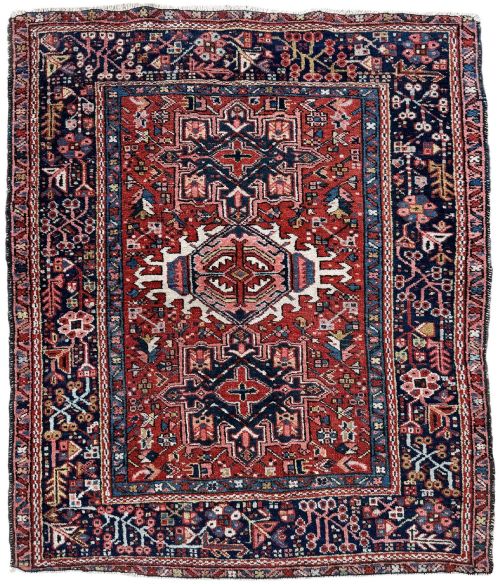
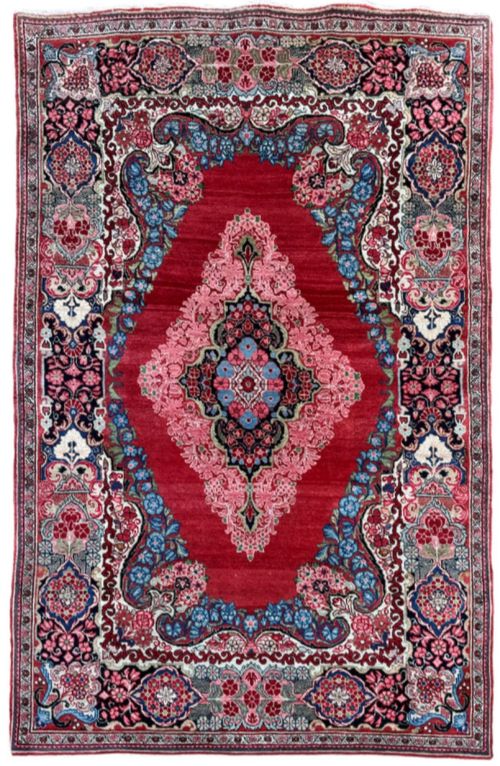
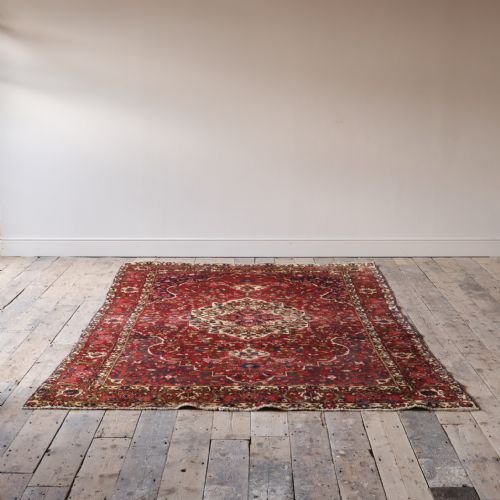
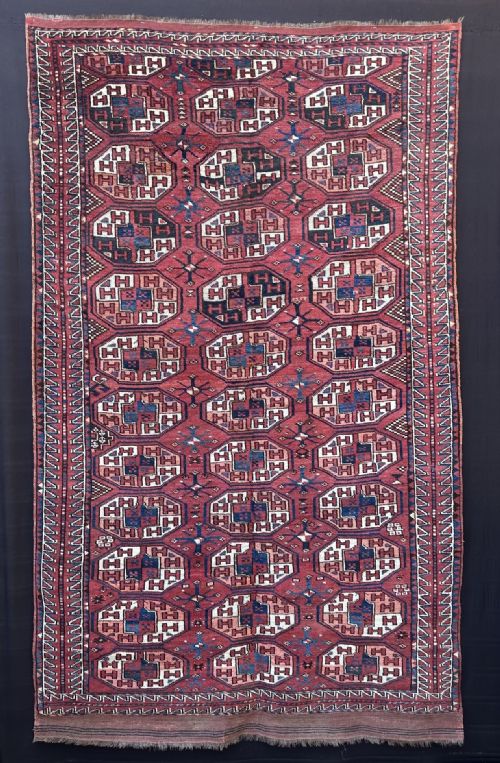
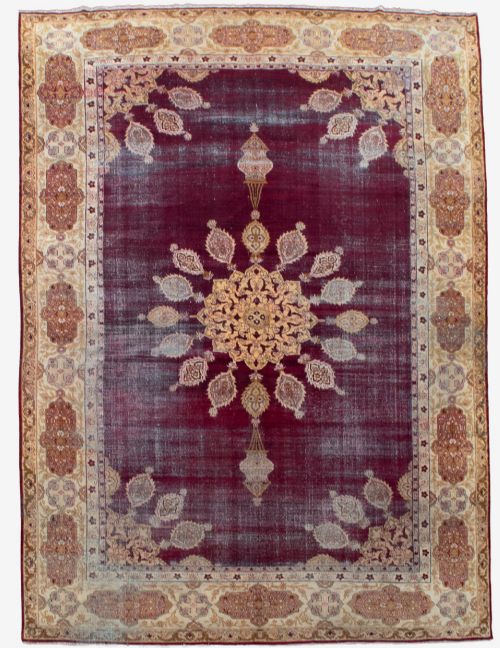
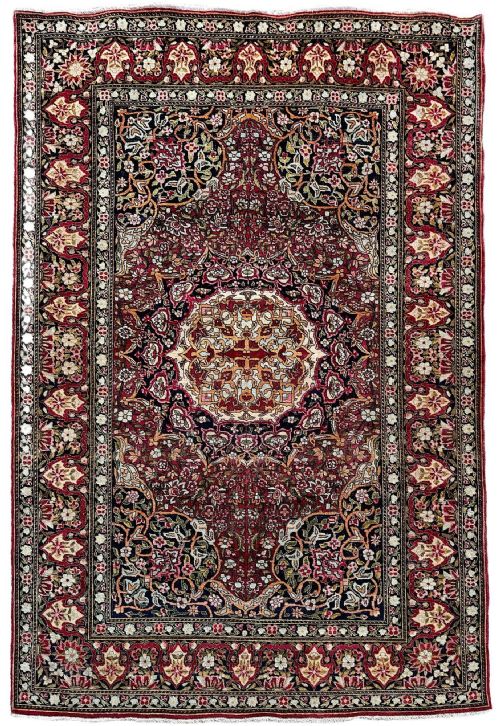
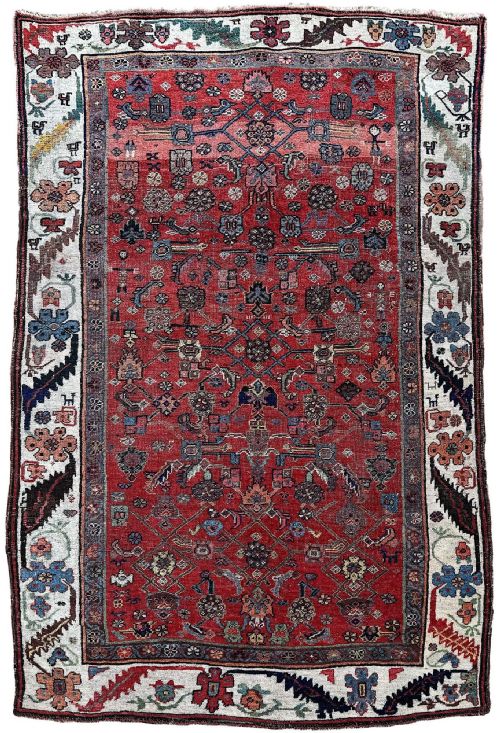
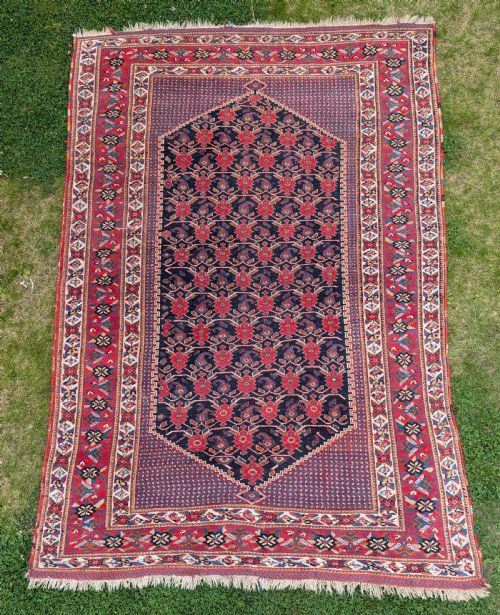
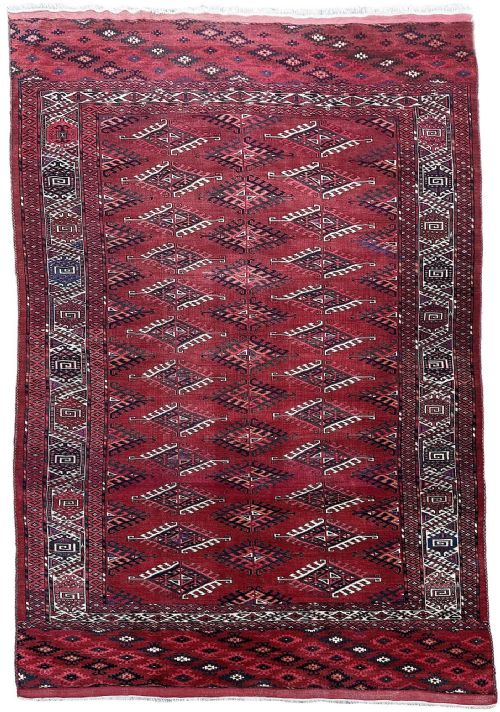
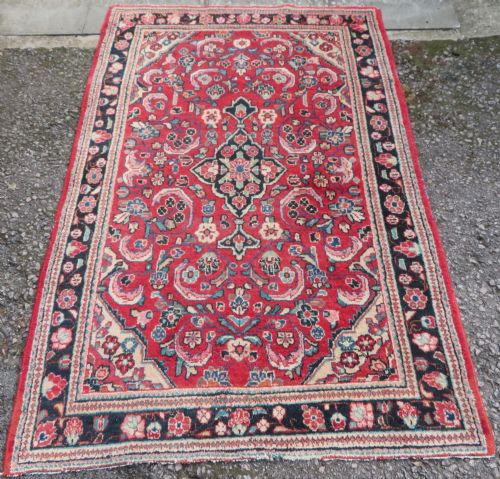
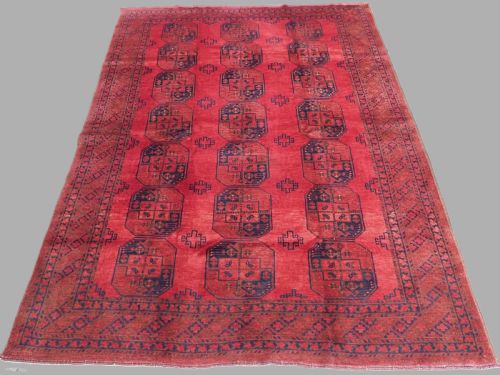
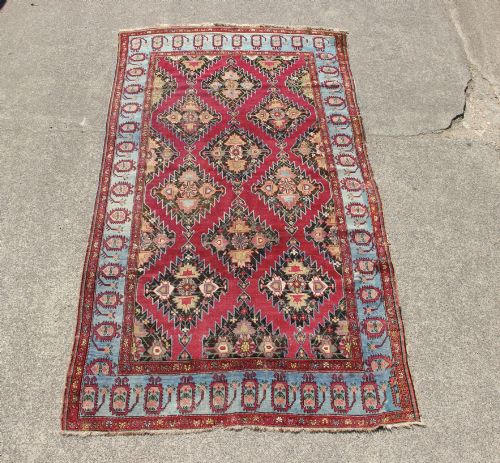
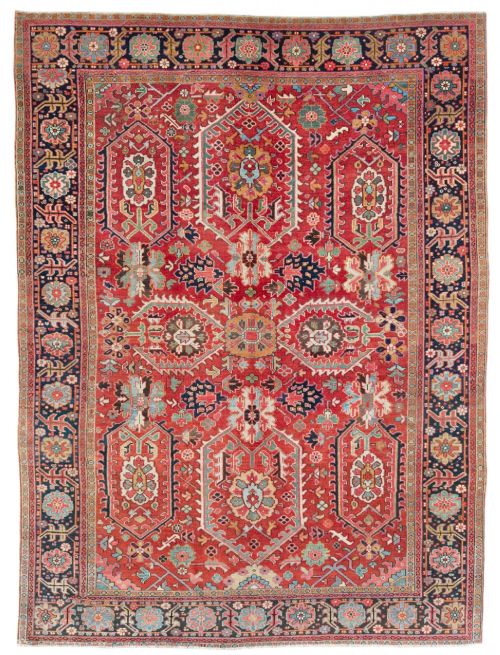
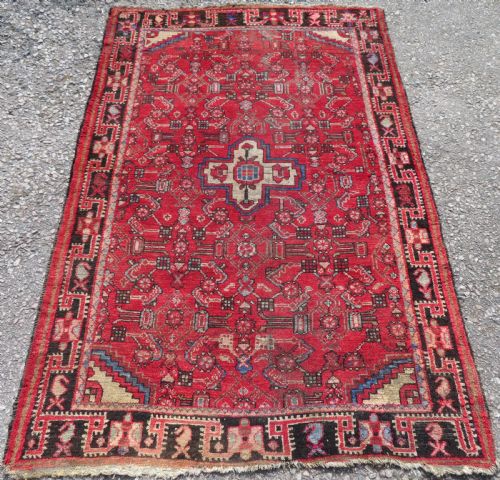
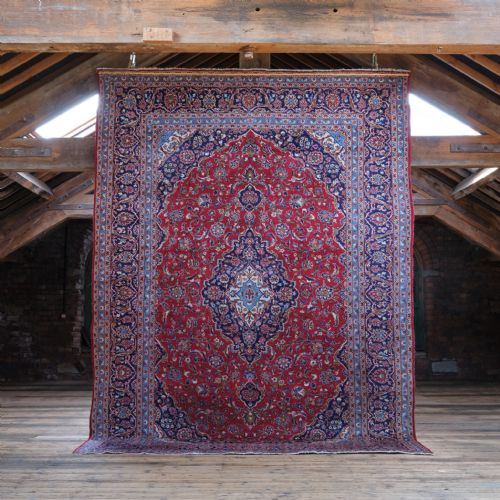
A crimson oriental area rug brings together traditional Persian, Turkmen, and Caucasian weaving styles from periods spanning the late nineteenth century through to the early twentieth century. These pieces encompass various regional formats, from village runners and nomadic tribal carpets to room-size palace rugs and detailed prayer rugs.
The selections available here lean heavily into authentic Persian and Central Asian aesthetics, reflecting classic village and workshop designs. Buyers encounter formats such as Hamadan, Kashan, Bidjar, and Turkmen carpets that rely on rich red grounds to create focal points in domestic interiors.
How they were made
Makers constructed these rugs utilising natural dyes alongside hand-spun wool, cotton foundations, and occasionally pure silk. Weavers knotted the pile by hand onto warp and weft threads, creating dense structures designed to endure generations of use.
Traditional workshops and nomadic weavers employed durable wool to build resilient surfaces that held deep crimson and madder hues. The interplay of natural dyestuffs yields subtle variations in tone across the field of each rug.
Nomadic weavers occasionally embedded stray desert camel hairs directly into the wool pile as a quiet signature of life on the move.
What varies in quality
Knot density and the precision of the tribal or floral design separate simpler village pieces from finer workshop productions. Tightly packed knots allow intricate medallions and floral motifs to hold crisp edges over decades of foot traffic.
The purity of the wool and the depth of the natural dyes dictate the visual richness of the surface. Superior examples demonstrate consistent pile height and harmonious dye saturation that ages gracefully.
The Crimson Oriental Area Rug Glossary
- Medallion
- A central decorative motif often placed in the middle of the rug field. It typically takes a symmetrical geometric or floral form.
- Warp
- The vertical threads stretched tightly on the loom before weaving begins. The pile knots are tied around these foundational strings.
- Weft
- The horizontal threads passed alternately over and under the warp threads. This structure holds the rows of knots securely in place.
- Prayer rug
- A small format rug featuring a mihrab or niche design at one end. Historically, worshippers used these portable textiles for daily prayers.
- Natural dyes
- Colourants derived from plants, insects, and minerals rather than synthetic compounds. These dyes yield rich, complex tones that mellow over time.
Crimson Oriental Area Rug: Frequently Asked Questions
How do I clean an antique rug?
Professional specialist cleaning is essential for antique wool and silk carpets to protect the natural fibres and dyes. Regular gentle vacuuming without a beater bar removes surface dust safely.
Avoid harsh chemical treatments or soaking, as older foundations can weaken when saturated. Specialist handlers understand how to manage historical textiles without causing shrinkage or bleeding.
Can I place these rugs in high traffic areas?
Sturdy hand-knotted wool rugs withstand moderate foot traffic in hallways and living rooms when protected by a quality underlay. The resilience of natural wool fibres absorbs daily wear effectively.
Delicate silk or very fine antique prayer rugs suit low traffic zones or wall displays. Selecting the right placement preserves the pile and structural integrity of the weave.
What underlay should I use?
A breathable rubber and mesh underlay prevents slipping and cushions the rug against hard flooring. This simple addition reduces friction between the wool foundation and the floorboards.
Avoid solid plastic backings that trap moisture beneath the carpet. Proper airflow keeps the cotton and wool foundations dry and stable.
How do regional styles differ?
Persian workshop rugs often feature intricate floral scrolls and balanced medallion layouts executed in refined wool or silk. Tribal pieces from Turkmen or Caucasian traditions lean towards geometric guls and bold tribal markers.
Village weaves combine structured layouts with spontaneous local character. Recognising these regional traits helps identify the origin of each piece.