
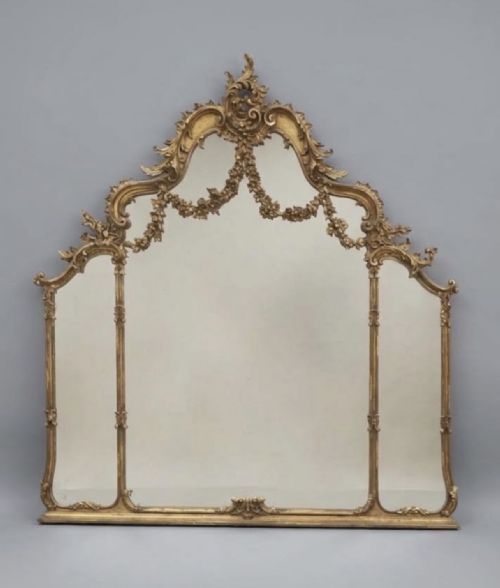

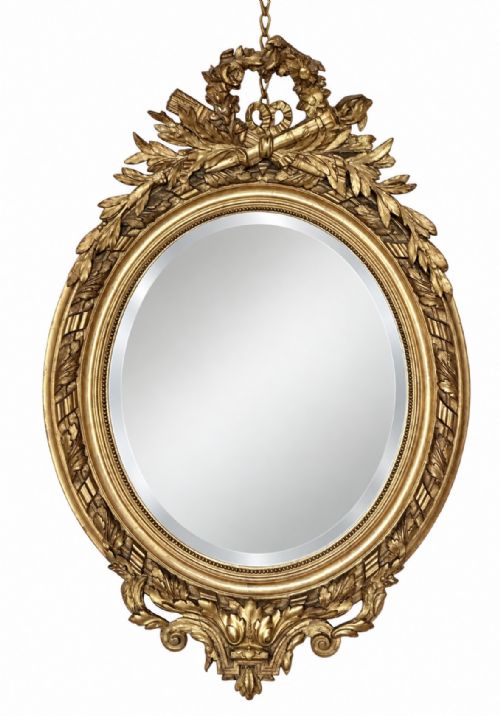
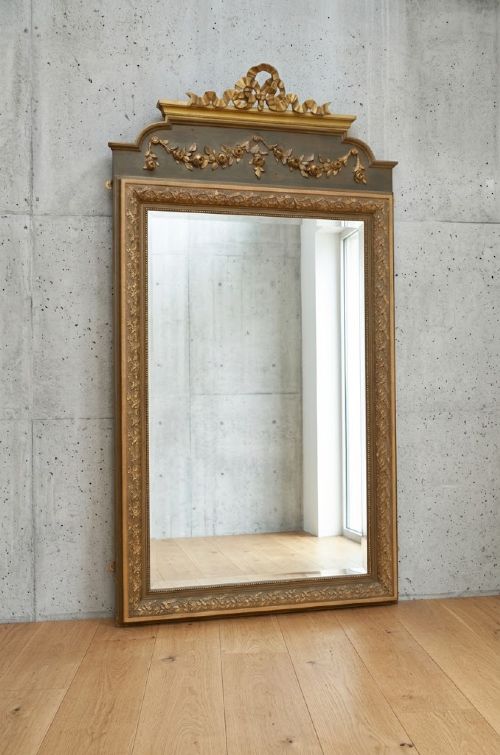
Crested Overmantel Mirror
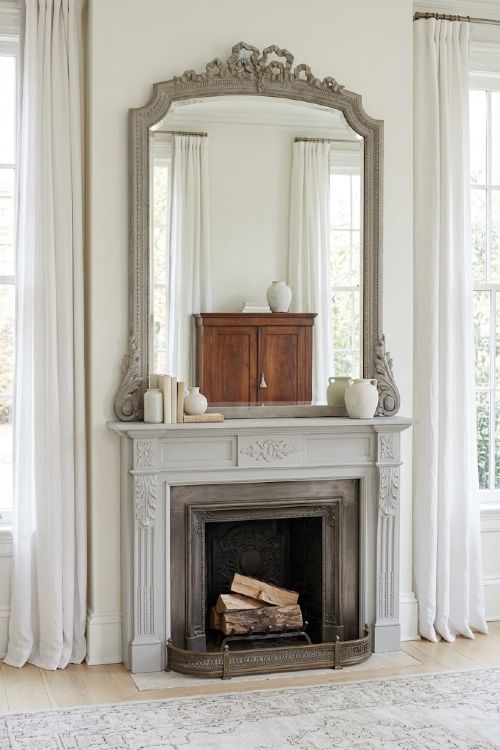
A crested overmantel mirror brings scale and reflected light to a room, historically positioned above a fireplace to dominate the mantel.
Crested Overmantel Mirror
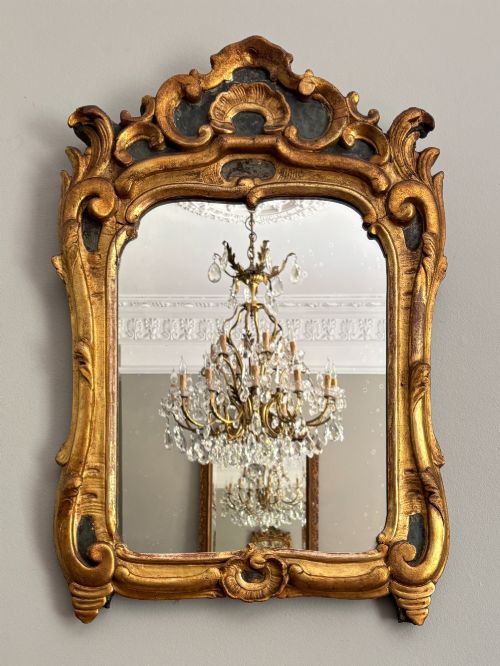
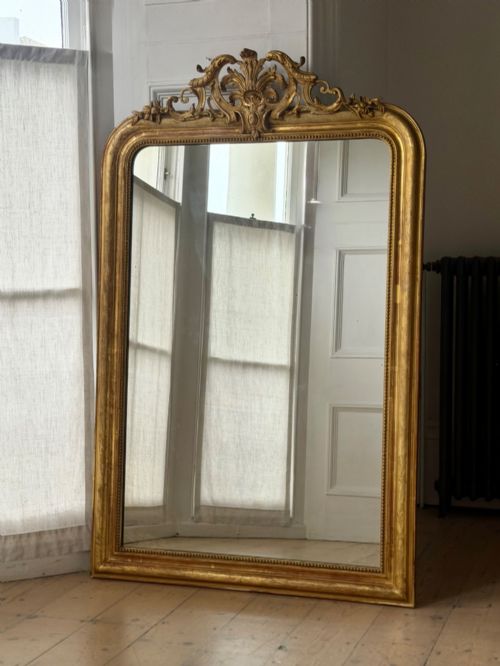
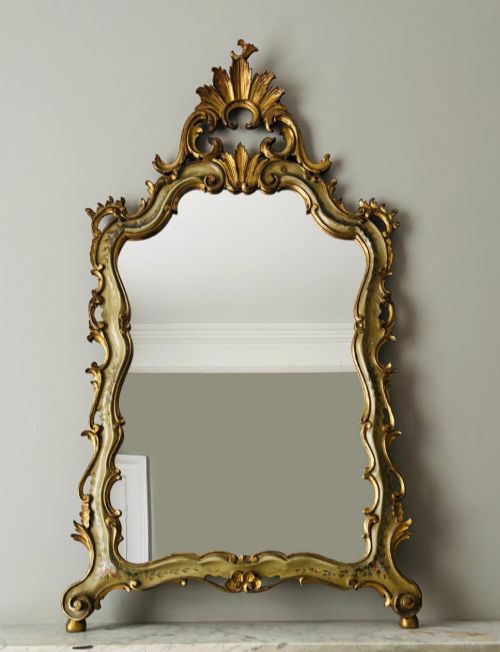
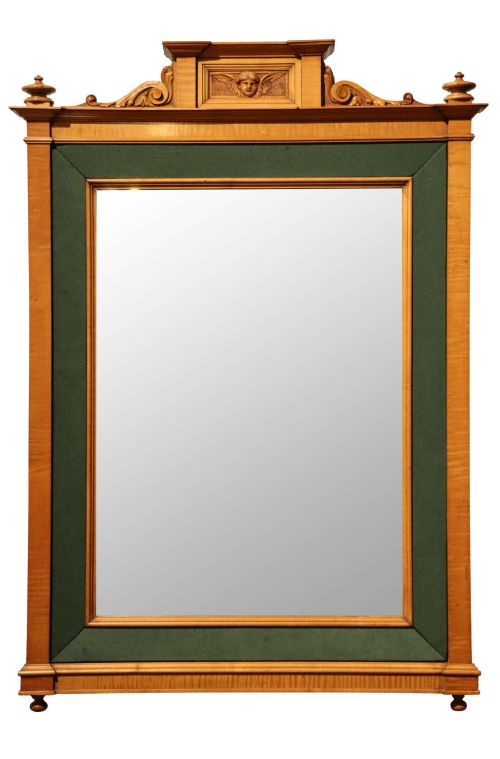
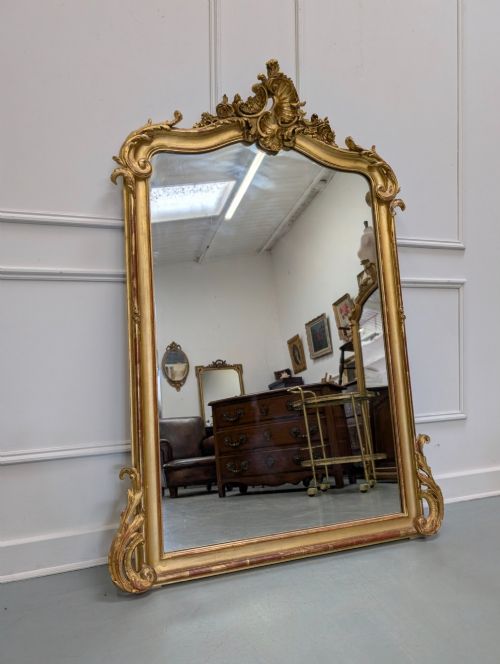
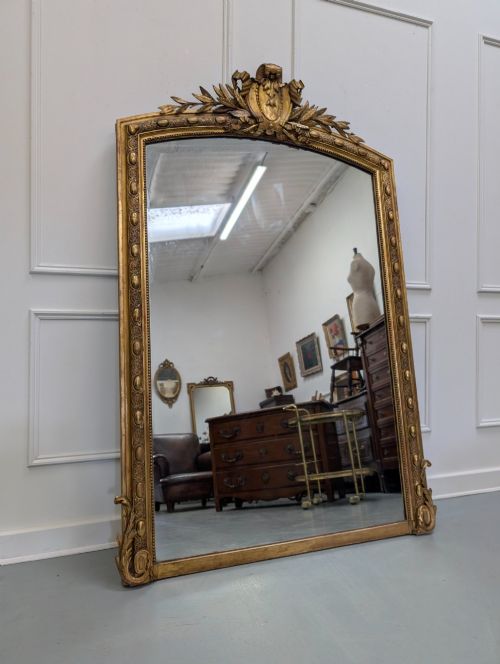
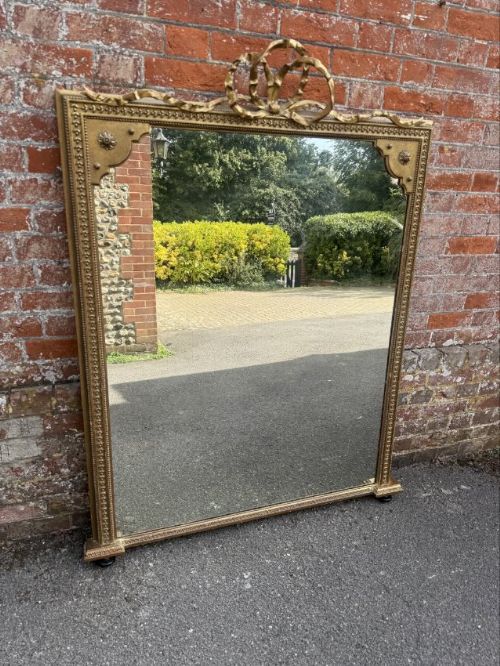
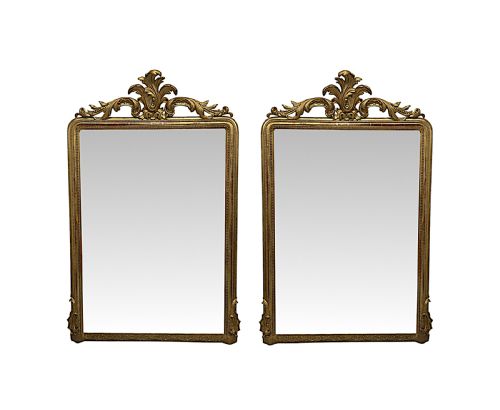
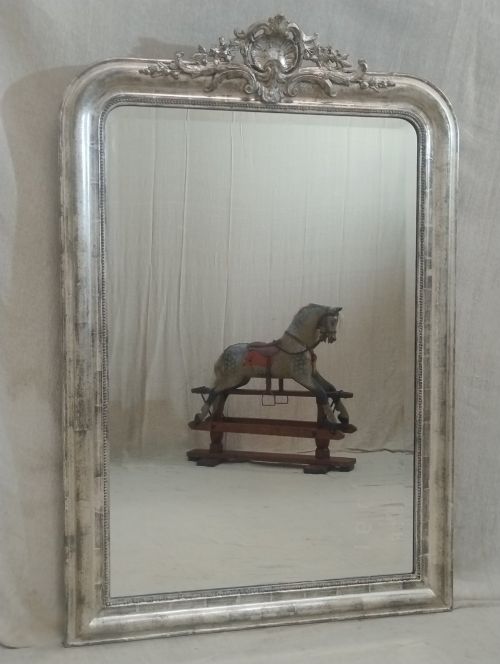
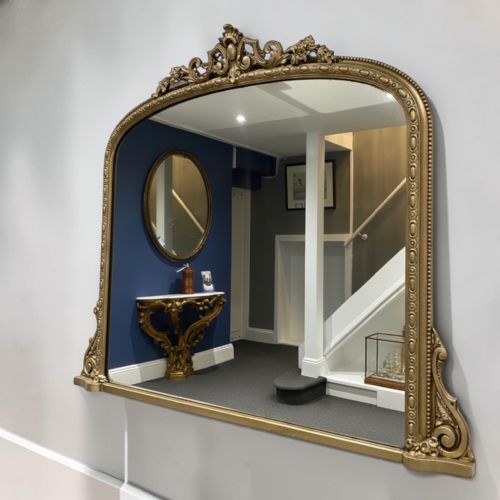
A crested overmantel mirror is a large wall mirror designed specifically to sit above a fireplace mantel, often featuring an elaborate decorative crest at the top. The pieces found here span the eighteenth, nineteenth, and early twentieth centuries, with a strong representation of nineteenth-century French and English examples. Common forms include arched tops, shaped frames, and triptych layouts.
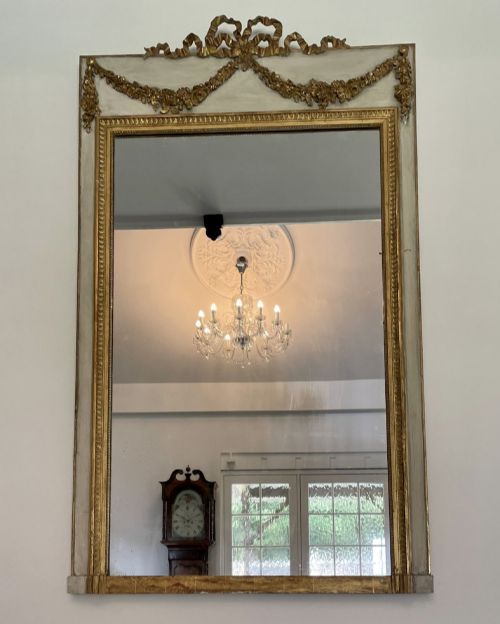
Makers and designers drew upon various historical aesthetics, resulting in pieces styled in the Rococo Revival, Louis XV and Louis XVI fashions, Adam Revival, and Chippendale traditions. French chateau and Napoleon III aesthetics also appear frequently alongside English Victorian works. These mirrors range from restrained rectangular formats to tall, imposing architectural pieces.
Materials and construction
Makers constructed the structural frames of these mirrors using timber such as mahogany, oak, and pine, upon which they applied layers of gesso to build up intricate relief ornaments. Carved wood and gesso formed the base for extensive gilding using gold leaf, creating the luminous surfaces characteristic of the period. Some examples utilise painted wood or ebonised and parcel-gilt finishes for alternative tonal depth.
The glazing typically involves mirror glass, with older examples incorporating period plates that display characteristic ageing or foxing. Frames were joined using traditional cabinet-making techniques to support the considerable weight of large glass plates. Ornate crests, such as ribbon motifs or carved birds, were mounted to the upper framework to complete the composition.
Listings feature eighteenth and nineteenth-century pieces alongside early twentieth-century examples, predominantly rendered in giltwood, gesso, and various woods.
Judging quality and craftsmanship
Quality in a crested overmantel mirror rests upon the depth and crispness of the carving within the wood and gesso, where sharper, more fluid details indicate superior hand-workmanship. The cohesion of the design, from the proportions of the frame to the elaboration of the crest, distinguishes standard production from exceptional pieces. The retention of original gilding and original mirror glass further elevates an object's integrity.
Heavier architectural presence and substantial dimensions, combined with sophisticated stylistic references like Rococo or Adam revivals, mark the upper tier of these items. The harmony between the decorative crest and the main mirror plate dictates the visual success of the piece.
The Crested Overmantel Mirror Glossary
- Overmantel mirror
- A large mirror designed to hang or stand upon the mantelpiece above a fireplace. These pieces were scaled to occupy the wall space below the ceiling cornice.
- Gesso
- A plaster-like mixture applied to wood frames and carved to create raised decorative motifs before gilding. It provides the smooth base necessary for fine metallic leaf application.
- Giltwood
- Timber that has been coated with gold leaf or gold paint. This finish catches the light and adds grandeur to the interior scheme.
- Foxing
- Age-related spots and discolouration within the silvering of antique mirror glass. It creates a mottled appearance unique to older plates.
- Pier mirror
- A tall mirror designed to hang on the pier of wall between two windows. They share similar decorative treatments with overmantel mirrors.
Crested Overmantel Mirror: Frequently Asked Questions
How do I hang a heavy overmantel mirror?
Large mirrors require secure fixing directly into wall studs or masonry using heavy-duty brackets suited to the weight of the timber and glass. Professional installation is recommended due to the substantial mass of carved wood and gesso frames.
Ensure the hanging wire or integrated D-rings are rated for the specific load. Distributing the weight evenly prevents structural strain on the antique frame.
Were these mirrors made to stand on the mantel?
Many overmantel mirrors were designed as leaner mirrors, intended to rest directly on the mantelpiece while secured to the wall at the top for safety. Others feature hanging fixings for wall mounting.
Checking the base of the frame reveals whether it was built to bear weight or meant solely for suspension. Protective felt pads help protect both the mantel surface and the wooden base.
What is the difference between a pier mirror and an overmantel mirror?
Pier mirrors are typically taller and narrower, designed specifically for the wall space between windows to reflect exterior light back into the room. Overmantel mirrors are broader and proportioned to match the horizontal expanse of a fireplace.
Despite different original placements, both share similar nineteenth-century decorative vocabularies including giltwood frames and elaborate crests.
How should I clean an antique mirror frame?
Dust the carved gesso and giltwood surfaces gently using a soft, dry brush to avoid disturbing fragile or aged finishes. Moisture and modern chemical cleaners can damage historical gold leaf and exposed wood.
Use a mild, non-ammonia glass cleaner applied to a cloth rather than directly onto the mirror plate to protect the surrounding antique frame.