
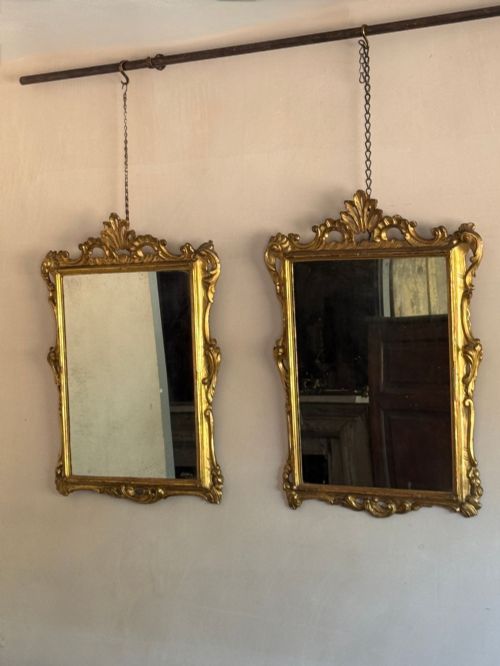
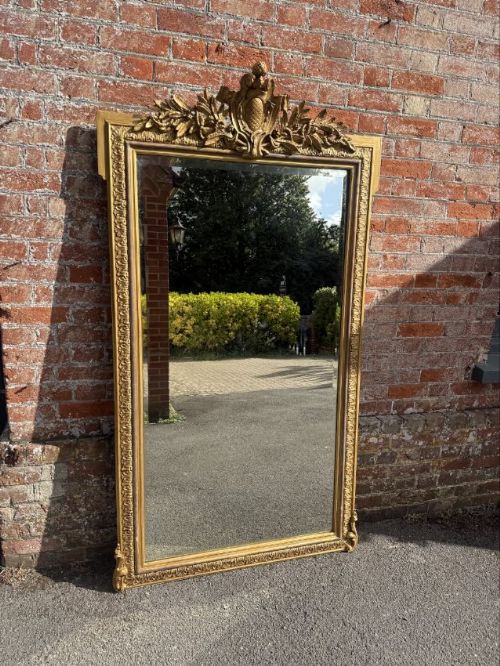
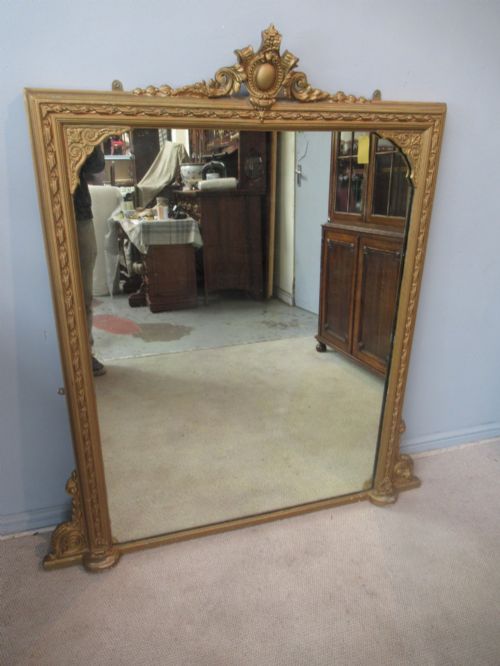
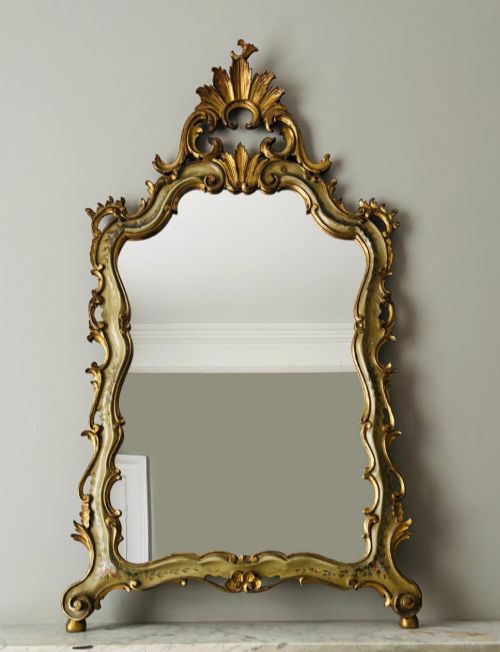
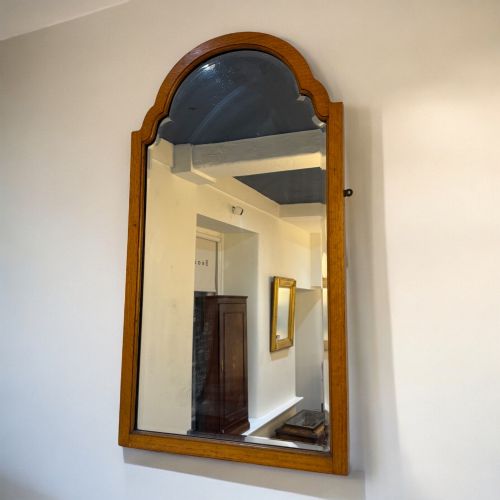
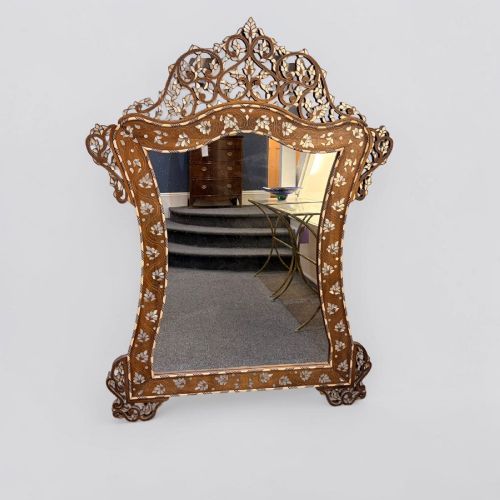
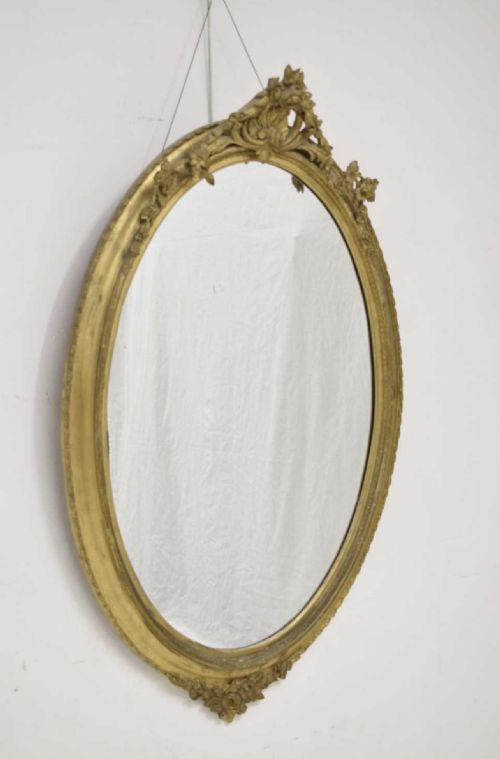
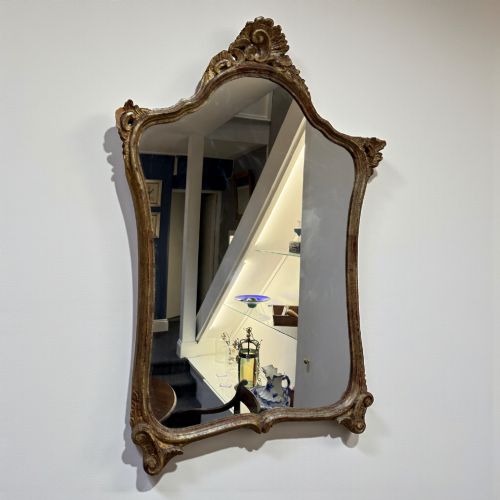
Crest Frame Wall Mirror
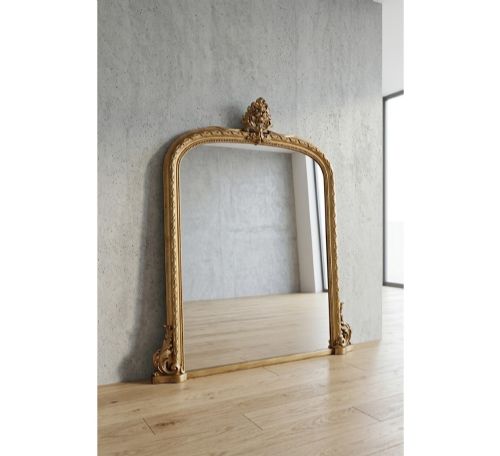
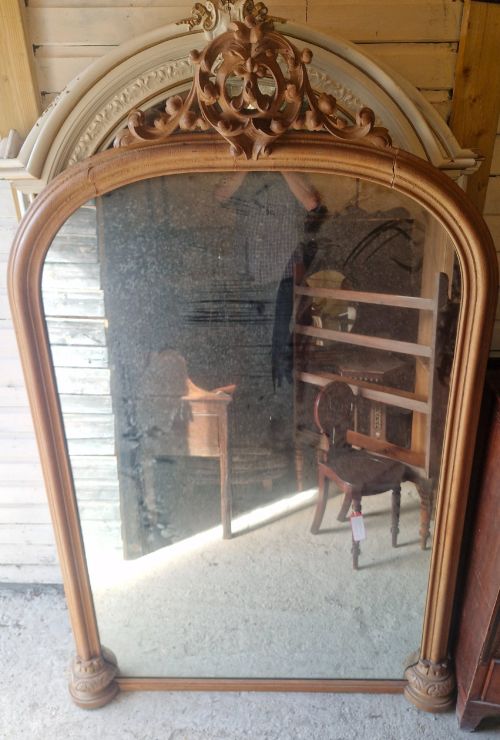
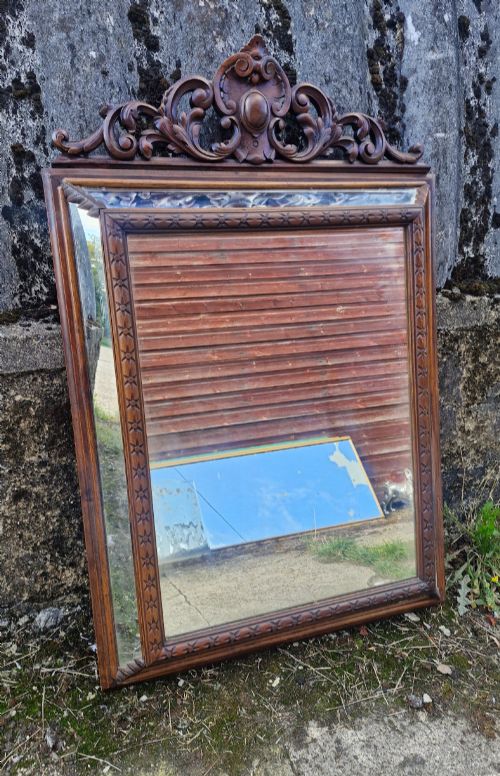
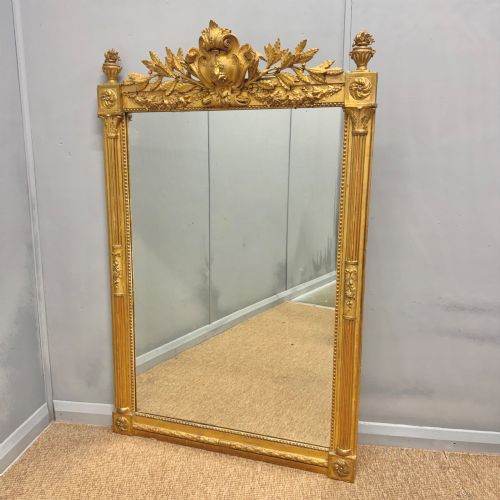
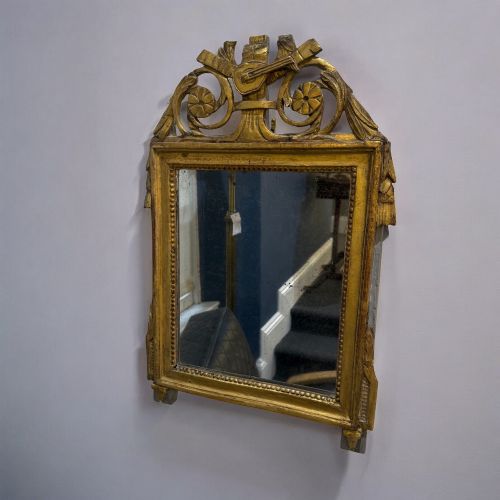
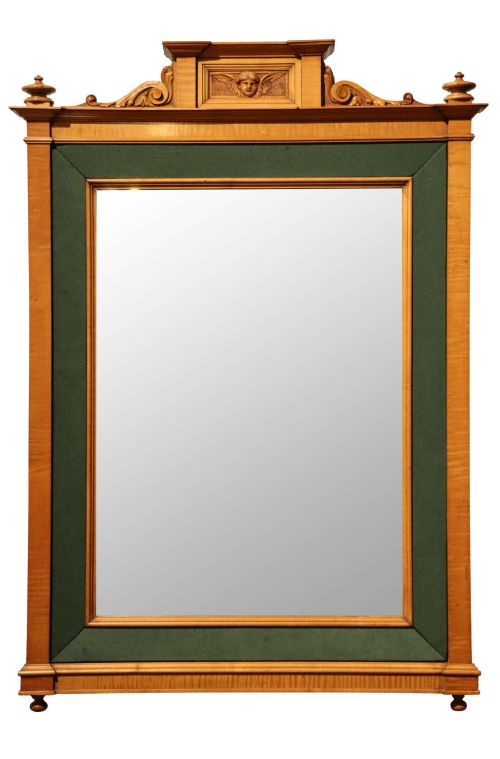
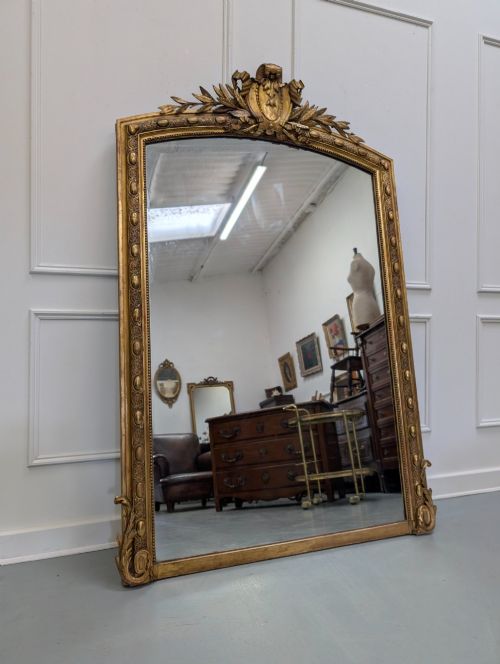
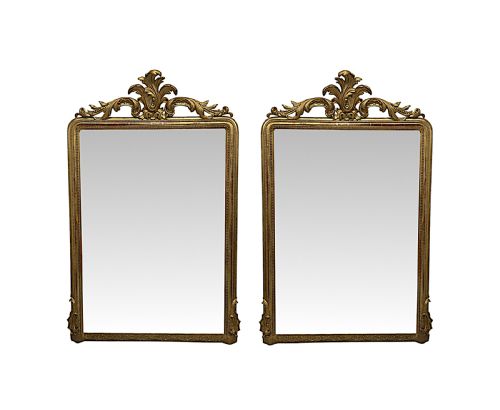
A crest frame wall mirror brings a distinct architectural focus to a room, drawing the eye upward with carved cresting and elaborate ornamentation.
Crest Frame Wall Mirror
The selections available here lean heavily toward nineteenth-century French and English designs, alongside eighteenth-century Georgian and Regency examples. Buyers frequently encounter ornate giltwood and gesso overmantel mirrors alongside mahogany fretwork pieces from revival periods.
Makers and craftsmen applied these elaborate crests to various mirror formats, including tall pier mirrors, rectangular overmantels and intimate oval wall hangings. Each format reflects the interior proportions and aesthetic priorities of its respective period.
Materials and Construction
Makers constructed the primary structures using timber such as mahogany, oak, yew wood and softer woods suitable for carving. Carvers then applied layers of gesso to wooden foundations to build up high-relief decorative details before gilding.
Surface decoration frequently relied on gold leaf or silver-gilt applications over gesso, while other pieces utilised ebonised finishes, parcel-gilt highlights or bronze frames. Glaziers supplied mirror glass, sometimes utilising mercury plate or original bevelled edges.
Listings feature eighteenth-century Georgian and Regency examples alongside nineteenth-century Victorian pieces and later revival styles.
Assessing Quality and Execution
The depth and sharpness of the carved wood or moulded gesso define the visual merit of the piece. Crisp, undercut foliage and well-defined crests demonstrate superior hand-carving skill compared to softer, shallower impressions.
Originality of components heavily influences the standing of a mirror. Retaining the original mirror glass, mercury plates and backboards preserves the historical integrity of the piece.
The Crest Frame Wall Mirror Glossary
- Cresting
- The decorative upper ornament mounted to the top of a mirror frame. It often incorporates carved birds, ribbons or floral swags.
- Gesso
- A mixture of chalk, gypsum and size used as a smooth base for gilding and relief carving on wooden frames.
- Giltwood
- Timber that has been coated with thin sheets of gold leaf. This finish creates a reflective and opulent surface.
- Overmantel Mirror
- A large mirror specifically designed to hang on the wall directly above a fireplace mantel. These pieces often span the width of the fireplace opening.
- Mercury Plate
- An older type of mirror glass produced by applying a tin-mercury amalgam behind the glass. It yields a distinctive, slightly mottled reflection.
Crest Frame Wall Mirror: Frequently Asked Questions
How do I hang a heavy crest frame mirror?
These mirrors require secure wall fixings distributed across sturdy anchor points due to their substantial weight and carved wooden frames. Professional installation into masonry or direct wall studs ensures safety.
Position the mirror at a height that reflects eye level or catches natural light from windows to brighten the surrounding space.
Where should I place an overmantel mirror?
An overmantel mirror sits naturally above a fireplace, anchoring the vertical space on the chimney breast. It balances the proportions of the hearth below.
Ensure the width of the mirror does not exceed the mantel shelf itself to maintain a harmonious visual arrangement.
How can I tell a Victorian piece from an 18th-century one?
Eighteenth-century mirrors often display restrained mahogany fretwork or early Rococo carving, while Victorian pieces tend toward heavier gesso ornament and revival styles. Examining the backboards, construction pegs and screw types helps confirm the period.
Revival pieces from the later nineteenth century frequently mimic earlier Georgian or French aesthetics using machine-assisted joinery.