

Cream Wool Hand Knotted Rug
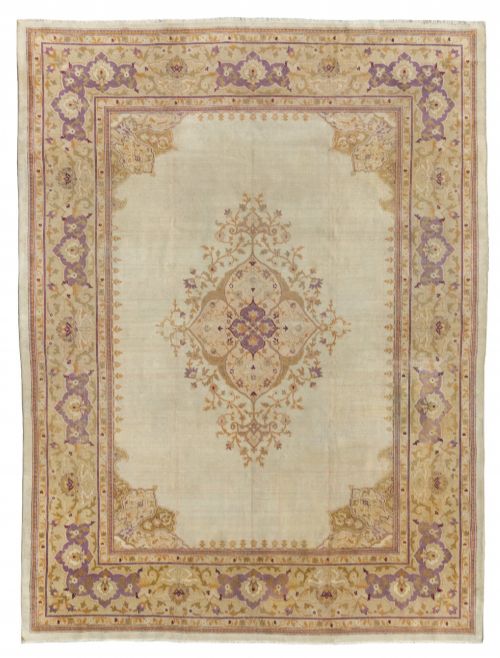
A cream wool hand knotted rug provides texture and history to a room through dense pile and traditional weaving.
Cream Wool Hand Knotted Rug
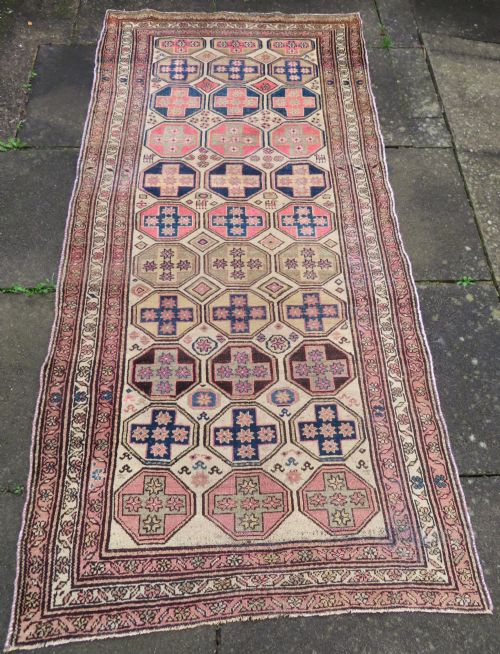
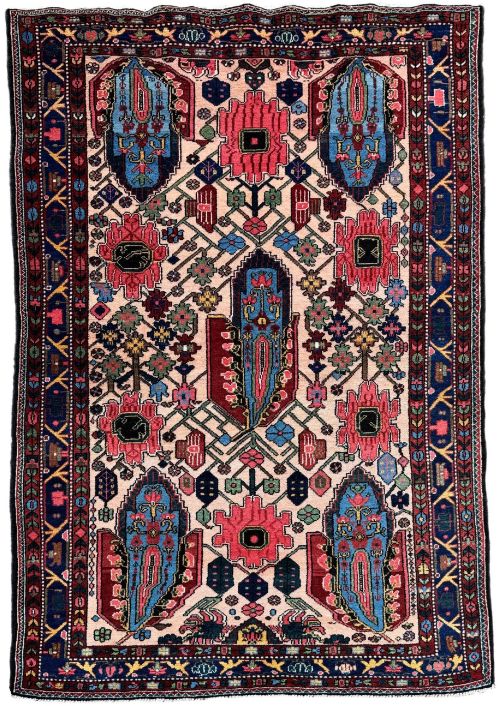
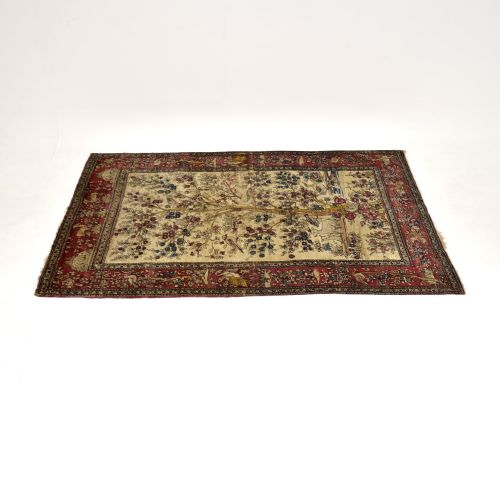
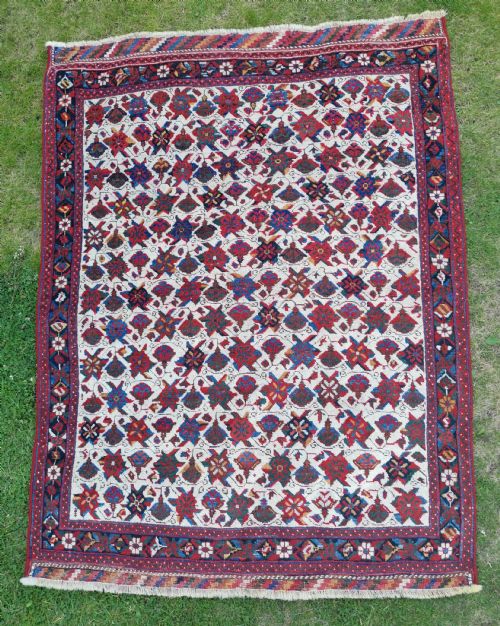
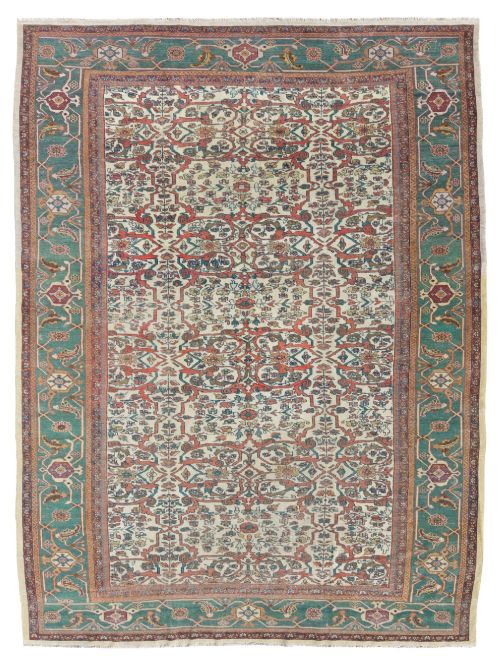
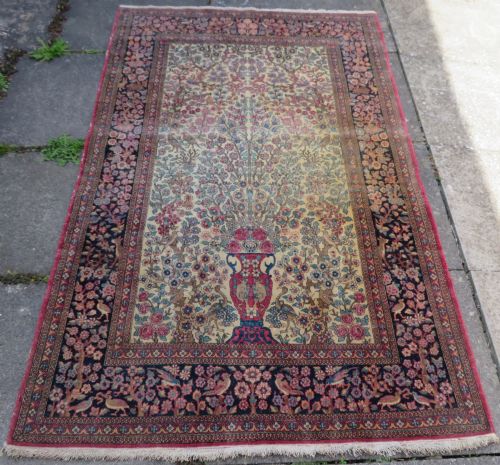
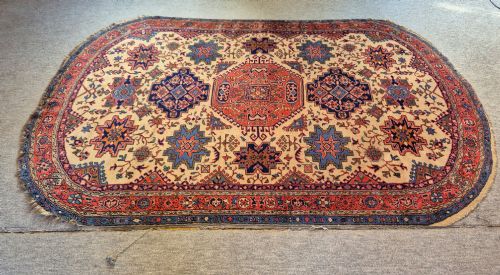
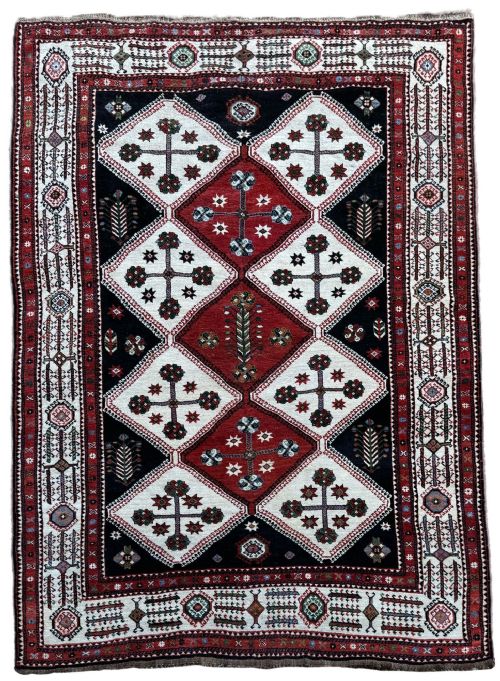
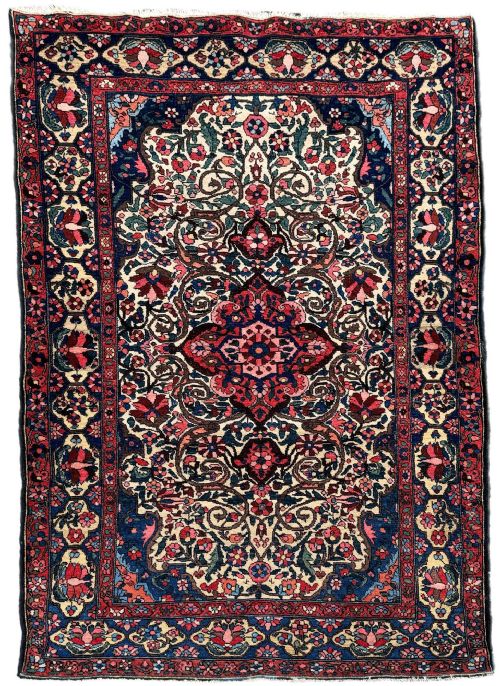
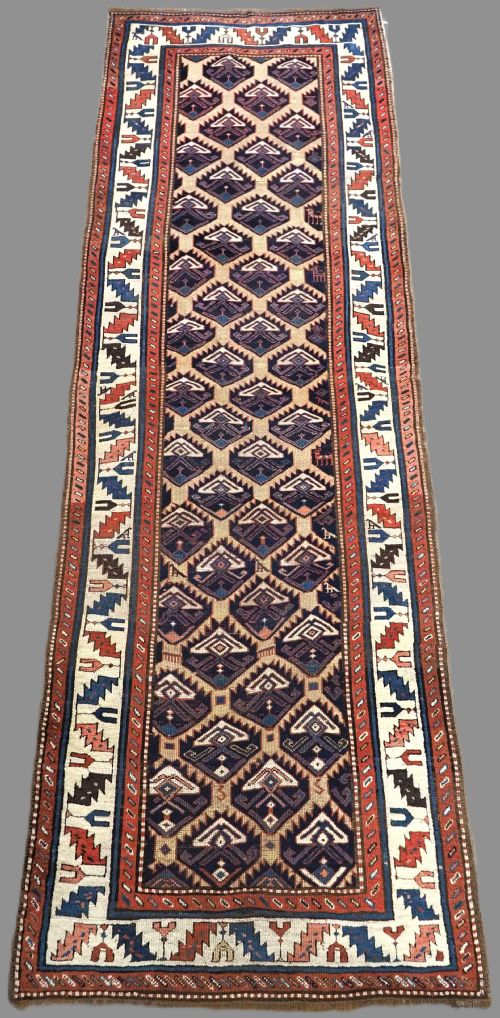
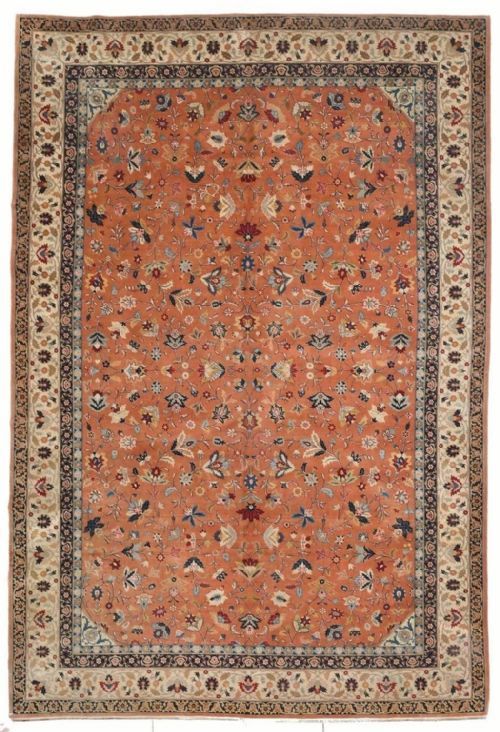
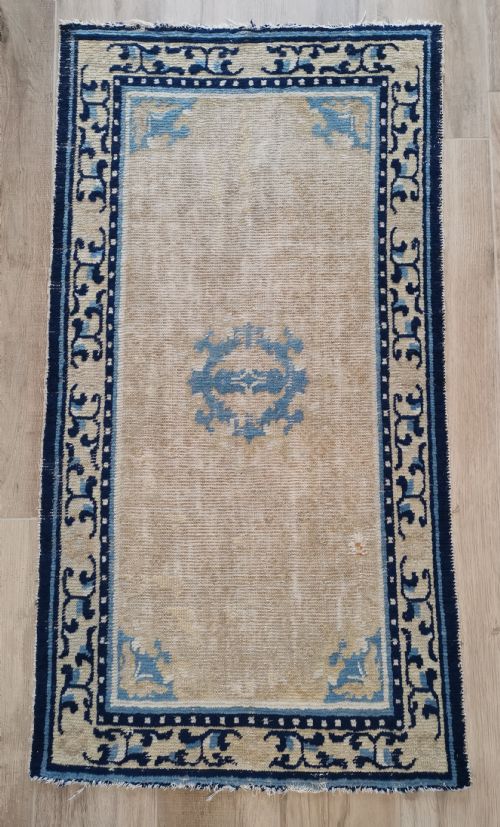
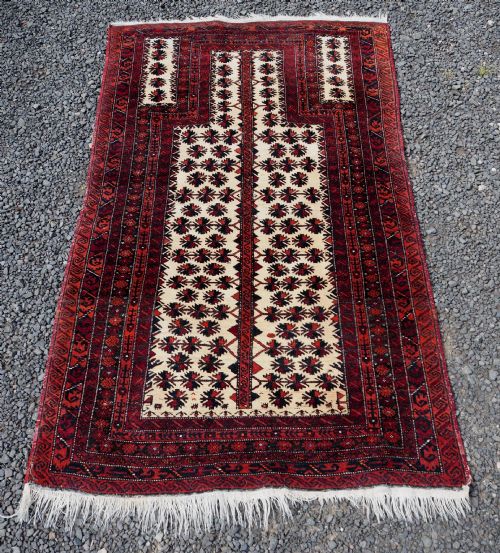
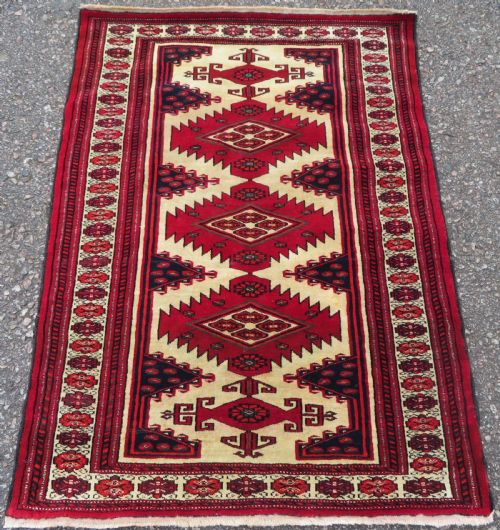
A cream wool hand knotted rug forms part of a selection spanning the nineteenth and early twentieth centuries, featuring examples from Persian, Turkish, Caucasian, and other regional traditions. These floor coverings range from compact prayer rugs and narrow hallway runners to large room-size carpets.
Buyers encountering this selection meet pieces created by tribal and village weavers as well as urban workshops. Forms include Kurdish, Bakhtiar, Afshar, Tabriz, Heriz, and Kirman designs, often showcasing ivory or pale grounds alongside pictorial, floral, and geometric layouts.
Assessing quality and craftsmanship
Knot density and structural integrity separate standard utility weaves from finer workshop and urban productions. A tighter knot count allows for sharper rendering of intricate floral, tree of life, or medallion designs.
The choice of wool, the subtlety of the dye work, and the balance of the overall composition distinguish superior examples. Condition also plays a role, with even pile wear and intact original borders retaining greater visual harmony.
The listings span the nineteenth century through the 1930s, featuring wool, cotton, and silk materials across Persian, Turkish, and Caucasian styles.
Benlian·Ahmadi
The Cream Wool Hand Knotted Rug Glossary
- Pile
- The upright loops or cut ends of yarn that form the usable surface of a rug. This layer determines the softness and texture underfoot.
- Warp
- The vertical foundation threads stretched tightly on the loom before weaving begins. Weft threads are interlaced across these to secure the knots.
- Prayer rug
- A small textile featuring a mihrab or arch design intended to indicate the direction of prayer. These pieces often highlight specific regional iconography.
- Runner
- A long, narrow carpet format designed principally for hallways, corridors, or alongside beds. They guide movement through domestic spaces.
Cream Wool Hand Knotted Rug: Frequently Asked Questions
How do I clean an antique wool rug?
Professional specialist cleaning is recommended for antique pile textiles to protect natural dyes and fragile wool fibres. Regular gentle vacuuming without a rotating brush helps remove surface dust.
Avoid using domestic carpet shampoos or excess water, which can cause shrinkage or colour bleeding in older dyes.
Can these rugs handle heavy foot traffic?
Traditional hand-knotted wool construction yields a durable floor covering built for daily residential use. Placing a quality underlay beneath the piece reduces friction and prevents slipping.
Heavily worn or delicate nineteenth-century examples benefit from placement in lower-traffic rooms to preserve their remaining pile.
How are tribal rugs told apart from city rugs?
Tribal and village pieces generally display geometric motifs, asymmetrical layouts, and thicker, more rustic wool. They reflect local weaving traditions passed down through families.
City carpets from workshops in centres like Tabriz or Kirman feature refined curvilinear floral designs, precise symmetry, and finer knot counts.
What causes an ivory ground rug to discolour?
Natural ageing, exposure to sunlight, and historical soot or dust accumulation can shift ivory and cream wool towards warmer golden tones. This patina is standard for textiles dating from the nineteenth and early twentieth centuries.
Uneven fading can occur if a rug sits partially exposed to direct sunlight over extended periods.